Introduction to Looker Studio and Call Tracking Metrics
Looker Studio, formerly known as Google Data Studio, emerges as a powerful reporting tool that enables businesses to visualize and analyze data effectively. This platform offers a plethora of features, allowing users to create customized reports and dashboards that cater to their specific needs. One notable area where Looker Studio can be significantly beneficial is in the realm of Call Tracking Metrics. By integrating these two tools, organizations can harness the power of data to refine their marketing strategies and enhance customer interactions.
Call Tracking Metrics analyzes the performance of various marketing campaigns by tracking phone calls generated from different sources. By combining this data with Looker Studio’s visualization capabilities, businesses can gain actionable insights that drive decision-making processes. The integration allows for an in-depth exploration of call data, thus facilitating a better understanding of how customers engage with a brand. With the ability to correlate call performance with other marketing metrics, companies can identify trends and evaluate the effectiveness of their outreach efforts.
One of the significant advantages of utilizing Looker Studio for visualizing call tracking data is the clarity it brings to complex datasets. Users can transform raw data into interactive dashboards that are easy to interpret, making it simpler for stakeholders to understand performance metrics. With various options for charts, graphs, and other visual aids, teams can present their findings in an engaging format that facilitates informed discussions. Moreover, the collaborative features in Looker Studio ensure that team members can easily share findings and work together to enhance overall marketing strategies.
In conclusion, the combination of Looker Studio and Call Tracking Metrics provides businesses with the tools needed to improve their understanding of marketing performance and customer engagement. This valuable integration can be pivotal in achieving marketing excellence and fostering customer relations.
Setting Up Your Looker Studio Account
Establishing a Looker Studio account is the foundational step toward leveraging its powerful data visualization and analytics capabilities, particularly for call tracking metrics. Begin by visiting the Looker Studio website, where you will be prompted to sign in or create a new account using your Google credentials. This integration with Google ensures a streamlined experience, particularly for users of Google’s suite of tools.
Once you have logged in, the initial configuration involves setting your preferences for data sources. Navigate to the “Data Sources” section located in the sidebar. Here, you can connect Looker Studio to various platforms. To optimize your setup for call tracking metrics, consider linking your account with telephony systems such as Twilio or Aircall. This integration allows you to pull in call data seamlessly, facilitating in-depth analysis.
Account verification is the next crucial step. Within your Looker Studio, make sure to verify your email address and any connected data sources. This process is essential to ensure that your data integration is error-free and that you have access to all necessary functionalities. After verification, you should set up user permissions if you plan to collaborate. Granting appropriate access levels to team members will enhance your ability to effectively analyze call tracking metrics.
The user interface of Looker Studio is designed to be intuitive, featuring a dashboard that showcases your data reports and metrics visually. Familiarize yourself with the main navigation elements: the “Explore” tab allows you to create new reports, while the “Sharing” option facilitates easy distribution of your findings. Optimize your dashboard widgets by customizing them to focus on key performance indicators relevant to call tracking. By streamlining the visualization of data against your metrics, you enhance the accessibility and utility of your insights.
Connecting Call Tracking Metrics to Looker Studio
To successfully connect Call Tracking Metrics with Looker Studio, it is essential to follow a systematic approach that ensures a seamless data flow for analytics. The initial step involves obtaining the necessary permissions from both platforms. Ensure that your user account has administrative rights on Call Tracking Metrics to access the required data. Additionally, confirm that you have the appropriate permissions set up in Looker Studio to create and edit data sources.
The next step is acquiring the API key from Call Tracking Metrics. This key serves as a secure identifier that allows Looker Studio to fetch data from your call tracking account. To retrieve your API key, navigate to the settings or API section within your Call Tracking Metrics dashboard. Copy the key for future use, as it will be required during the integration process.
Once the API key is secured, you can proceed to establish the integration with Looker Studio. Start by opening Looker Studio and selecting ‘Create Data Source’. From the available connectors, find the option for ‘Google Sheets’ or a relevant third-party connector that can facilitate API connections. In the configuration interface, you will be prompted to enter your API key along with any other authentication details. After entering this information, make sure to set the parameters, such as the date range and specific analytics you wish to pull from Call Tracking Metrics.
After successfully connecting the two systems, it will be possible to import your call tracking data into Looker Studio efficiently. Utilize the native functionalities within Looker Studio to customize your reports, visualizations, and dashboards based on the imported call tracking data. This will provide valuable insights into your call metrics, helping organizations to track performance and optimize during analysis.
Creating Your First Dashboard
Creating your first dashboard in Looker Studio to visualize call tracking metrics can be an enriching experience, enabling you to gain deeper insights into your call data. This process will enhance your ability to track important metrics effectively. To begin, you need to log into Looker Studio and start a new project by selecting the “Create” button followed by “Report.” This will take you to the dashboard design area.
The first step in customizing your dashboard is choosing the appropriate data source. For call tracking metrics, connect to the data source that contains your desired call data. This might be a Google Sheets, a SQL database, or another compatible source. Once connected, select the metrics you wish to track, such as the total calls, call duration, or conversion rates. These metrics will serve as the backbone of your dashboard.
Next, you proceed to create visualizations. Looker Studio offers a variety of charts and graphs which facilitate the representation of your metrics. To choose a visualization, click on the chart icon in the toolbar, and select a chart type that best suits your data analysis goals. For instance, a time series chart could be effective for tracking call volume over time, while a pie chart may help visualize call outcomes. Customize each chart by adjusting settings to display precise metrics.
To effectively organize your dashboard, consider the layout. Group related metrics together and use headers to distinguish sections. This not only makes your dashboard visually appealing but also enhances readability. Each section can provide a specific insight into your call tracking metrics, making it easier for stakeholders to extract vital information at a glance. Once you’ve arranged your visualizations, don’t forget to save your progress periodically to prevent data loss.
In conclusion, creating your first dashboard in Looker Studio requires thoughtful consideration of metrics, visualizations, and layout. By following these steps, you will build a functional and informative dashboard that provides valuable insights into your call tracking metrics.
Key Metrics to Track in Call Tracking
In today’s competitive landscape, understanding the effectiveness of marketing campaigns and customer interactions is crucial. Utilizing call tracking metrics enables businesses to monitor several key performance indicators that are essential for informed decision-making. One of the most significant metrics to track is call duration. This parameter helps assess how engaged a customer is during a conversation, providing insight into the effectiveness of the sales or support personnel. Longer call durations often indicate more complex inquiries or a higher level of engagement from potential customers, which can correlate with conversion likelihood.
Another important metric is call source, which identifies where the incoming call originated, be it from a specific marketing campaign, social media channel, search engine, or direct source. Understanding which channels yield the most calls allows businesses to allocate their marketing budgets more effectively, optimizing their strategies to focus on high-performing sources. This metric not only helps in identifying successful channels but also aids in evaluating overall customer acquisition costs.
Conversion rates also serve as a vital performance indicator in call tracking. This metric reflects the percentage of calls that result in a desired action, such as making a purchase or scheduling an appointment. By closely monitoring conversion rates, businesses can adjust their sales techniques and enhance training for staff to improve overall performance. Additionally, it is important to consider metrics such as missed calls and call abandonment rates, which provide insights into customer dissatisfaction and service efficiency.
By leveraging these key metrics, businesses can assess their customer interactions comprehensively. Employing tracking metrics effectively equips organizations with the data necessary to refine their strategies and drive better financial outcomes, ultimately fostering stronger customer relationships and sustainable growth.
Advanced Visualization Techniques
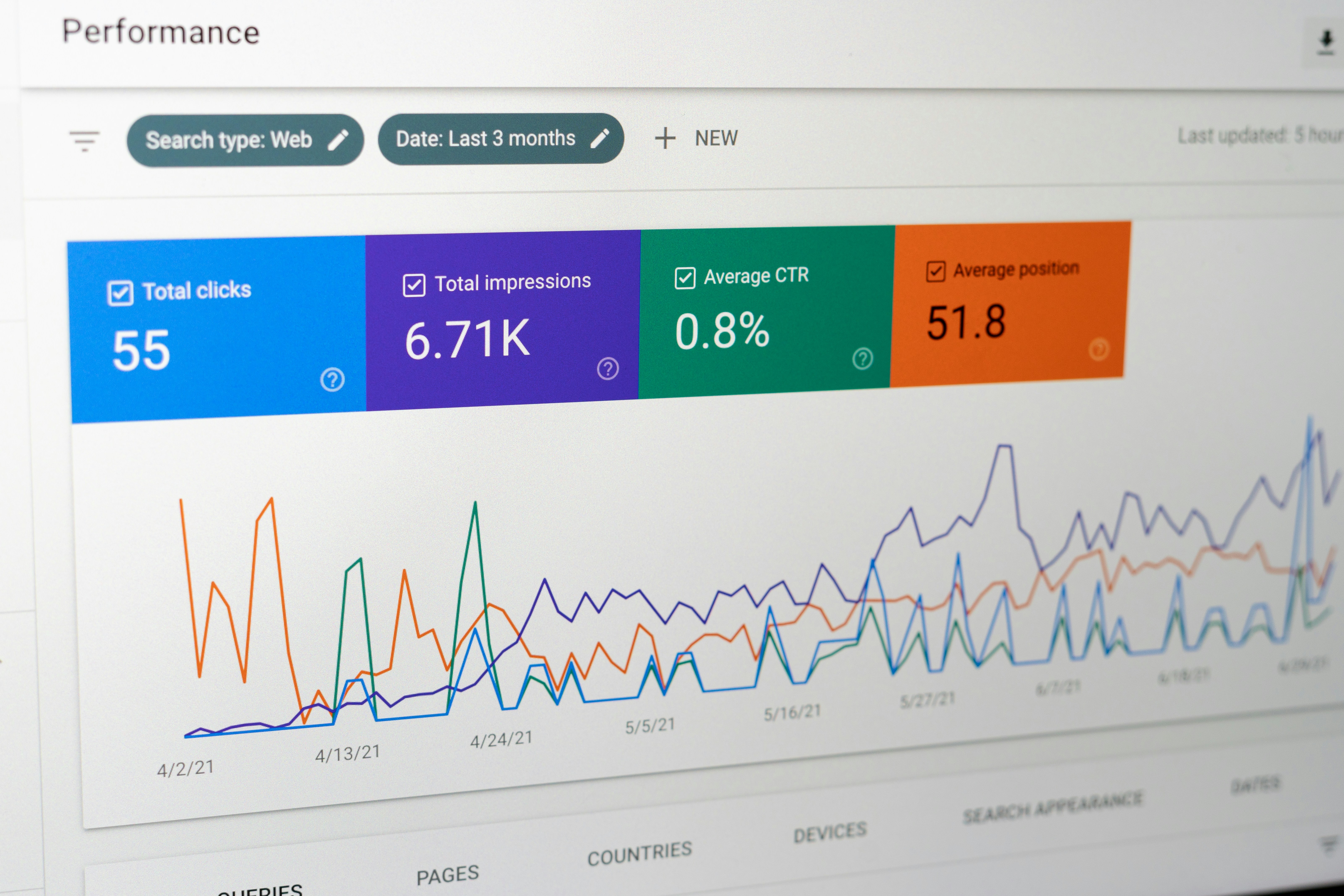
Looker Studio offers a variety of advanced visualization techniques that can significantly enhance the representation and interpretation of call tracking metrics. Utilizing these visual tools allows users to uncover trends and patterns within call data, leading to more informed decision-making. One effective technique is the use of line graphs, which can illustrate call volume trends over time. By plotting the number of calls against specific time intervals, businesses can identify peak periods of activity, enabling them to optimize staffing and resource allocation accordingly.
Additionally, bar charts serve as an excellent tool for comparing call data across different metrics. For instance, analyzing the performance of various marketing channels can be seamlessly accomplished by displaying the number of calls generated from each source. This visual representation not only highlights which channels are most effective but also facilitates the assessment of return on investment for marketing campaigns.
Another powerful visualization tool within Looker Studio is the pie chart, which can effectively represent the distribution of calls based on different categories, such as call outcomes or caller demographics. This type of visualization provides a quick snapshot of the overall call landscape, allowing stakeholders to identify areas that may require attention, such as high dropout rates or a concentration of calls from a specific geographic region. Furthermore, heat maps can be employed to visualize call volume intensity across various times of the day or different days of the week, offering insights into operational efficiency and potential marketing opportunities.
Incorporating these advanced visualization techniques into your reporting framework can enhance the clarity and impact of call tracking metrics. By translating complex data sets into easily digestible visual formats, decision-makers are better equipped to derive actionable insights. Therefore, leveraging Looker Studio’s extensive visualization capabilities is crucial for businesses seeking to improve their call tracking performance and ultimately their bottom line.
Real-Life Examples and Case Studies
In the landscape of modern marketing, businesses increasingly rely on data-driven strategies to enhance their performance. Looker Studio, paired with Call Tracking Metrics, has empowered numerous companies to analyze call data effectively and implement impactful changes. One notable example is a regional automotive dealership that integrated Looker Studio to analyze incoming calls linked to their digital advertisements. By scrutinizing the data, they identified a pattern: a significant portion of calls originated from a specific promotional campaign targeting local customers. This insight prompted the dealership to adjust their advertising strategy, focusing more resources on this channel, leading to a 30% increase in sales within three months.
Another compelling case involves a national e-commerce retailer that utilized Looker Studio to gain insights into customer inquiries through call tracking. By mapping call data against conversion rates, the retailer distinguished between calls that led to sales and those that did not. The analysis uncovered a recurring concern around shipping details, prompting the company to enhance their automated response systems as well as improve their website information. Consequently, customer satisfaction ratings increased significantly, and they experienced a 25% reduction in call volume related to shipping queries, allowing their support team to focus on more complex issues.
A healthcare provider in a competitive market also illustrated the effectiveness of using Looker Studio with Call Tracking Metrics. By examining caller demographics and preferences through visualized data, the healthcare organization tailored their outreach efforts, ensuring communication resonated with prospective patients. This led to optimized appointment booking rates and a stronger connection with the community. Their targeted approach resulted in a 40% surge in patient engagement compared to the previous year, confirming the role of data analytics in driving actionable marketing strategies.
Troubleshooting Common Issues
Integrating Call Tracking Metrics with Looker Studio provides valuable insights into marketing performance, but users may encounter several common issues during this process. Addressing these challenges effectively ensures a seamless experience and maximizes the utility of the data generated.
One prevalent issue users may face involves data discrepancies. These discrepancies often arise when the data in Call Tracking Metrics does not match the data displayed in Looker Studio. To troubleshoot this, first verify the date ranges in both platforms. Mismatched date ranges can lead to confusion regarding the accuracy of metrics being tracked. Additionally, ensure that the same sources are being compared; discrepancies can occur if one source includes additional parameters that another does not. Reviewing the settings in both platforms for any misconfigurations can also help resolve these issues.
Connection problems can also hinder successful integration. Users may experience difficulties when setting up the API connection between Call Tracking Metrics and Looker Studio. To resolve connectivity issues, check the API key to ensure it is accurately entered and has the necessary permissions. It also helps to confirm that there are no network constraints preventing the connection. Restarting the integration process and following the setup guides can often rectify these problems.
Other technical challenges include data refresh failures, where the expected information does not update in Looker Studio. To address this, check the refresh settings in both systems. Confirm that the data refresh schedule is correctly configured and that there are no interruptions in data flows. Finally, keeping an eye on system status updates from both Looker Studio and Call Tracking Metrics can provide insight into any ongoing issues that may impact functionality.
Conclusion and Next Steps
In the evolving landscape of data analytics, leveraging Looker Studio for call tracking metrics stands out as a pivotal approach for businesses seeking to enhance their decision-making processes. This comprehensive guide has explored the various features and functionalities that Looker Studio offers, specifically tailored for analyzing call tracking data. From the visualization of key performance indicators to the integration of multiple data sources, Looker Studio provides an invaluable platform for businesses aiming to gain deeper insights into customer interactions and call performance.
We discussed how Looker Studio allows users to create dynamic dashboards that not only display pertinent metrics but also facilitate data-driven insights that can influence marketing strategies, sales processes, and customer service improvements. Utilizing Looker’s capabilities, businesses can accurately gauge the effectiveness of their campaigns, understand customer behavior, and ultimately drive better results. By focusing on metrics like call durations, conversion rates, and caller demographics, organizations can refine their approaches and foster more strategic decision-making.
As you reflect on the information provided, consider taking the next steps in your journey with Looker Studio. Start by fully utilizing the dashboards you have created, ensuring they are tailored to your organization’s unique needs. Explore further customization options such as adding filters and drill-down features to enhance the granularity of your analysis. Continual examination and adjustment of your data visualization techniques will further empower you to unlock the full potential of your call tracking metrics.
Engaging with Looker Studio will not only facilitate your understanding of call data but also support a broader strategy of leveraging analytics to propel business growth. Your proactive approach to understanding and optimizing your call tracking efforts will undoubtedly yield significant benefits in the long term.