Introduction to Google Ad Manager
Google Ad Manager is a sophisticated ad serving platform that has become an essential tool for publishers looking to streamline their advertising efforts. As the digital advertising landscape continues to evolve, the need for a robust platform that allows for effective management of ad inventory and maximizes revenue potential has never been more critical. This platform not only facilitates the sale of ad space but also integrates numerous features designed to enhance the overall advertising experience.
One of the key functionalities of Google Ad Manager is its support for programmatic buying, which automates the process of purchasing and selling ads. This automation simplifies the workflow for advertisers and publishers alike, enabling them to make informed decisions based on real-time data. Furthermore, the platform offers advanced targeting capabilities, allowing advertisers to reach their desired audience more effectively, thereby enhancing campaign performance.
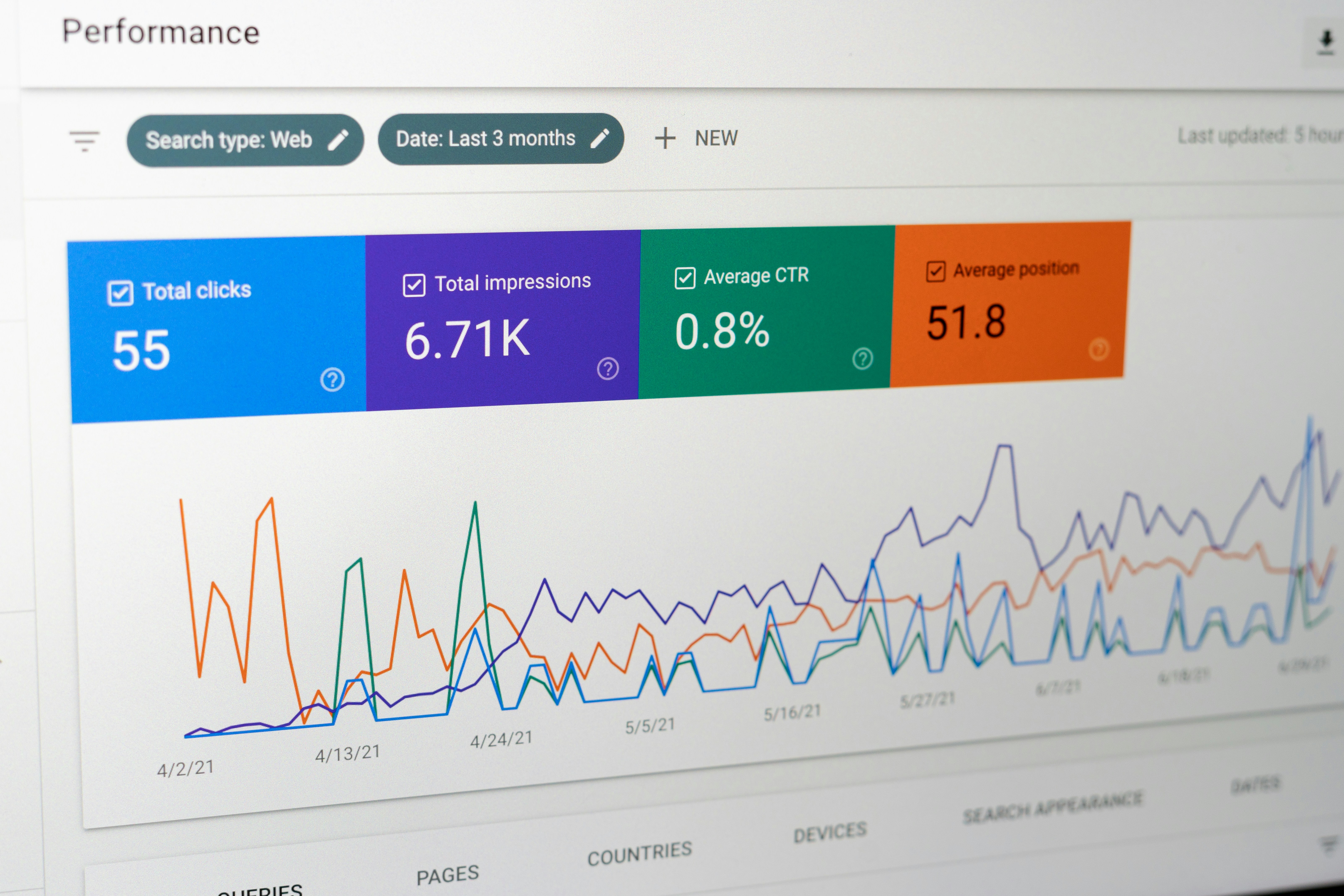
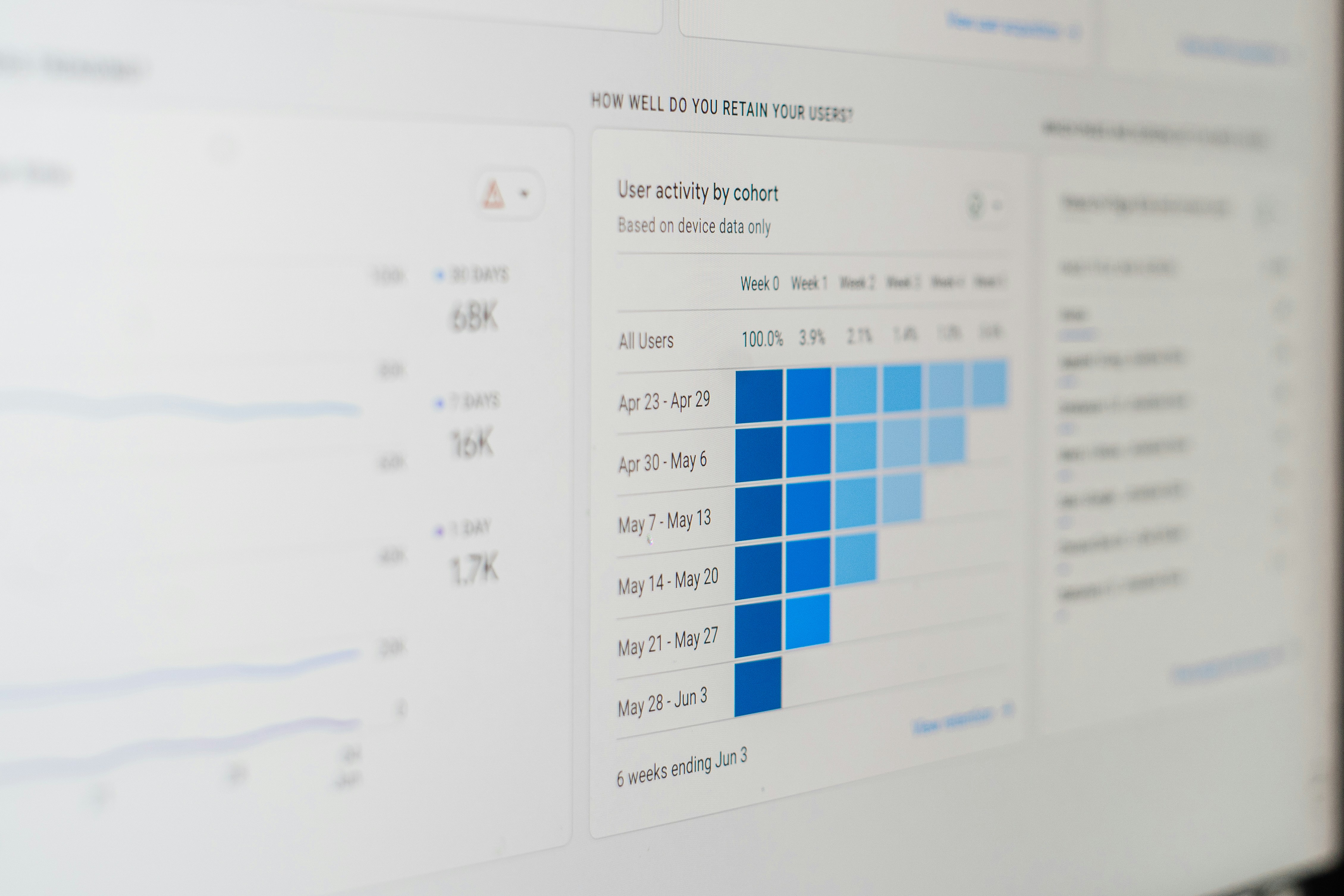
Additionally, Google Ad Manager features comprehensive reporting tools that provide detailed insights into ad performance. With these reporting capabilities, publishers can track key metrics, analyze engagement, and optimize their advertising strategies accordingly. The ability to understand which ads perform best and how effectively they generate revenue is invaluable in the highly competitive digital advertising ecosystem.
Another aspect that users often inquire about is whether Google Ad Manager is free. While the platform offers a suite of tools that can be accessed without direct costs, certain advanced features and functionalities may come with associated expenses. These details are crucial for businesses aiming to leverage the full capabilities of Google Ad Manager while keeping an eye on their budgets.
In essence, Google Ad Manager serves as a powerful ally for publishers eager to optimize their advertising strategies, blending functionality with crucial insights needed to thrive in today’s market.
Understanding the Functions of Google Ad Manager
Google Ad Manager serves as a comprehensive platform primarily designed for managing digital advertising for publishers, advertisers, and agencies alike. This powerful tool integrates various functionalities that aid in advertising operations, ensuring efficient ad inventory management and facilitating effective monetization strategies for content owners.
At its core, Google Ad Manager allows publishers to manage their ad inventory with precision. This feature is crucial as it helps optimize the usage of available ad spaces on websites or apps, ensuring that each impression is priced and sold appropriately. Through an organized interface, publishers can categorize their ad inventory based on various parameters, making it easier to maximize revenue potential.
Audience targeting is another significant function of Google Ad Manager. By allowing advertisers to strategically reach their target demographics, the platform enhances advertising effectiveness. It provides tools that enable segmentation based on user behavior, interests, and other key metrics, thereby increasing the likelihood of ad engagement and conversion rates.
Additionally, Google Ad Manager integrates ad mediation, which enables publishers to manage multiple ad networks. This function ensures that they can effectively fill their ad inventory and maximize revenue from a variety of sources. By optimizing the selection of ads served, publishers can benefit from increased competition among networks, which can lead to improved fill rates and profitability.
Lastly, reporting functionalities in Google Ad Manager provide critical insights into ad performance. Users can access detailed analytics that track impressions, clicks, and revenue generation, helping them make informed decisions about future advertising strategies. This level of transparency and data-driven decision-making supports both advertisers looking to refine their campaigns and publishers interested in optimizing their inventory sales.
Free vs Paid Features in Google Ad Manager
Google Ad Manager offers a robust platform for managing digital advertising, catering to both small publishers and large enterprises. Understanding the distinction between the free and paid features is essential for organizations to maximize their advertising potential. The free version of Google Ad Manager includes fundamental tools such as ad serving, management of direct deals, and reporting capabilities. These features are typically sufficient for smaller publishers who may not have extensive advertising needs or budgets.
For instance, small publishers can utilize the free functionalities to manage their inventory, track performance, and optimize their ads without incurring any costs. This basic framework is designed to help users launch their advertising efficiently while providing essential metrics that facilitate data-driven decisions. This enables small publishers to focus on growth without the burden of upfront investing in advanced tools.
On the other hand, larger enterprises often require more sophisticated capabilities that go beyond what is available in the free version. Features such as advanced targeting options, user segmentation, and enhanced analytics are typically part of the paid offerings within Google Ad Manager. These functionalities allow for a more nuanced approach to ad management, ensuring that large organizations can reach their specific audiences effectively while maximizing monetization opportunities.
Furthermore, premium features like programmatic buying and inventory forecasting are essential for larger entities aiming to scale their advertising efforts. As the demands of the business grow, so too does the need for tools that can handle complex advertising strategies. In summary, while Google Ad Manager provides essential features for free, the enhanced capabilities required by larger businesses come with a cost, enabling them to leverage the full potential of the platform for comprehensive ad management.
Cost Considerations for Using Google Ad Manager
When evaluating the question, “is Google Ad Manager free,” it is essential to consider various cost factors that may impact overall expenses. While the platform initially appears to be free, there are hidden costs that users may encounter, which can affect budgeting decisions. For instance, while sign-up and basic ad management features may not carry a direct fee, users should be mindful of potential charges that arise from advanced functionalities or integrations.
One crucial aspect to examine is the costs associated with premium features. Organizations often seek additional tools that enhance functionality, which may include advanced reporting, real-time bidding, and custom API access. These features can be vital for maximizing ad performance and may come with subscription payments or one-time purchase fees. Users must assess whether the benefits offered by these features justify the associated costs and whether they align with their advertising goals.
Moreover, when evaluating the true cost of utilizing Google Ad Manager, potential users should consider factors that can increase the investment over time. For instance, as advertising budgets expand or as the need for more complex ad campaigns grows, users may find it necessary to transition from the free version to a paid service. These subscription plans can add significant expenses, predominantly when businesses scale their advertising efforts or if they turn to third-party agencies for expert assistance in managing campaigns.
Ultimately, understanding these cost considerations is crucial for businesses planning to utilize Google Ad Manager effectively. Analyzing both the visible and hidden costs involved allows for more accurate budgeting and strategic planning, ensuring that users make informed decisions that align with their advertising objectives.
Setting Up Google Ad Manager for Free
Creating an account with Google Ad Manager is a straightforward process that allows users to access its basic functionalities at no cost. To begin, visit the official Google Ad Manager website. Here, users will find the option to “Get Started” or “Sign Up.” Clicking on this button prompts you to enter your Google account credentials. If you do not have a Google account, you will need to create one prior to proceeding with the Google Ad Manager sign-up process.
Once logged in, users will be directed to the Google Ad Manager interface. To set up your account, you will need to provide some basic information regarding your business. This typically includes your business name, target audience, and the types of ads you plan to run. After filling out the necessary details, click the “Create Account” button. It is important to note that Google Ad Manager supports a variety of ad types, making it suitable for diverse advertising needs.
After you have established your account, you can start exploring the platform’s features. The dashboard will present an overview of your account, including key metrics and performance stats. Users can create their first campaign by navigating to the “Campaigns” section. Here, you can select the campaign type, set budgets, and define target audiences. Although the advanced features may require payment, the introductory options can be utilized without any cost, allowing new users to familiarize themselves with the platform.
As you become more comfortable with the system, exploring further functionalities could enhance your ad management experience. Although users may wonder, “is Google Ad Manager free?”, the platform indeed allows users to utilize its essential features for no charge, fostering efficiency in managing advertising efforts without an immediate financial commitment. With time and practice, users can leverage this powerful tool to optimize their advertising strategy.
Advantages of Using Google Ad Manager
Google Ad Manager presents numerous advantages for advertisers and publishers alike, regardless of whether one considers it to be a free service or recognizes its paid features. A standout benefit is its robust analytics capabilities. Users have access to comprehensive reporting tools that facilitate in-depth analysis of ad performance, enabling data-driven decision-making. This level of insight allows businesses to optimize their advertising strategies effectively, ensuring that their investments yield the best possible returns.
Another significant advantage is the seamless integration with other Google services. Google Ad Manager harmoniously works alongside various platforms such as Google Ads and Google Analytics, providing users with a unified ecosystem for managing and optimizing their advertising efforts. This interconnectedness simplifies the ad management process, allowing for cohesive strategies that align with overall digital marketing goals. Users can efficiently track campaigns across multiple platforms without the hassles of toggling between disparate systems.
Furthermore, utilizing Google Ad Manager can lead to increased ad revenue. By leveraging its advanced targeting options, businesses can ensure their ads reach the most relevant audiences, which can improve engagement rates and conversions. The platform’s programmatic capabilities also enable real-time bidding, which can maximize revenue opportunities. This potential for enhanced earnings often leads businesses to consider Google Ad Manager as a valuable tool in their advertising arsenal, regardless of the specific functionalities they choose to employ.
In addition to these factors, Google Ad Manager is designed to cater to businesses of all sizes, whether they are just starting or are well-established. This inclusivity makes it an appealing choice for many. Ultimately, the advantages afforded by Google Ad Manager, whether viewed as a free or paid option, can significantly enhance advertising effectiveness and efficiency.
Limitations of the Free Version
While Google Ad Manager offers users a robust platform for managing advertisements, it is crucial to understand the limitations associated with the free version. Despite its no-cost entry, users may encounter certain constraints that could hinder their ad management experience. First, the free version provides limited access to advanced features such as programmatic guaranteed deals, which are essential for larger advertisers aiming to optimize their advertising strategies effectively.
Moreover, users of the free tier may find that customer support is not as comprehensive as that available for paid users. In the instance of technical difficulties or inquiries about specific functionalities, the response times might be slower, and the available resources may not be as extensive. For businesses relying heavily on timely assistance, this can pose a significant drawback. In addition, the free version may limit the types of ad formats and creative options available, restricting advertisers’ ability to fully leverage the capabilities of Google Ad Manager to reach their target audiences.
Another notable limitation includes restricted monetization options. Users in the free tier might not have access to certain monetization avenues made available to paid accounts. For example, advanced reporting features that provide insights into ad performance metrics are often reserved for premium users, which can impede smaller advertisers from making data-driven decisions efficiently. Additionally, third-party integrations that could enhance ad performance through data synchronization are typically not included for users of the free version.
In summary, while Google Ad Manager’s free option can be beneficial for small-scale advertising efforts, potential users should be aware of the significant limitations it entails, particularly regarding features, support, and monetization possibilities.
Comparing Google Ad Manager with Alternatives
When evaluating ad management platforms, it is essential to consider the features, pricing, user experience, and scalability that each option provides. Google Ad Manager is a widely recognized platform, but it is not the only solution available. Competitors such as AdRoll, Facebook Ads Manager, and The Trade Desk offer various functionalities that may suit specific business needs more effectively.
In terms of pricing, a significant advantage of Google Ad Manager is its apparent absence of direct costs associated with using the platform. Although it is essential to consider that while Google Ad Manager is technically free, using its services may incur costs related to the ads themselves, along with associated transaction fees depending on your spending. In comparison, platforms like AdRoll could charge various fees depending on the services used, which may not align with all business budgets.
Regarding features, Google Ad Manager is equipped with a robust set of tools, emphasizing programmatic advertising, ad delivery, and reporting capabilities. It offers comprehensive targeting options that can enhance campaign effectiveness. However, other tools like Facebook Ads Manager have an advantage in social media ad integration, enabling businesses to leverage customer engagement. Another platform, The Trade Desk, caters well to enterprises looking for advanced analytics and cross-channel marketing capabilities, making it a popular choice for more extensive advertising campaigns.
User experience can also vary significantly between platforms. Google Ad Manager might require a steeper learning curve for new users due to its extensive feature set. In contrast, Facebook Ads Manager generally provides a more intuitive interface, making it easier for smaller businesses to get started with online advertising. Scalability is another critical consideration; Google Ad Manager excels at handling large volumes of ad traffic, making it suitable for larger organizations, while some alternatives may be better optimized for smaller businesses or specific advertising goals.
Conclusion: Is Google Ad Manager Worth It?
Evaluating whether Google Ad Manager is free or not requires a nuanced understanding of its offerings and how they align with your advertising objectives. For advertisers, Google Ad Manager presents a comprehensive platform that can enhance campaign efficiency and deliver targeted advertising solutions. While the base functionality may appear free, additional features and premium services are available that could incur costs.
The primary question is not solely about the cost but also about the value provided. Businesses of varying sizes can leverage Google Ad Manager’s powerful tools to maximize their ad revenue, broaden their audience reach, and enhance user engagement. Its robust reporting capabilities, advanced targeting options, and real-time bidding functionalities constitute a significant advantage over simpler platforms. Therefore, whether you are using Google Ad Manager free of charge or opting for its premium versions, the potential return on investment can be substantial.
When deciding if Google Ad Manager fits your needs, consider the complexity of your advertising goals. If you are a small business or a novice in digital advertising, the free features may suffice. However, larger enterprises or those aiming for a more sophisticated advertising strategy may find the advanced functionalities offered in premium tiers well worth the investment. Assessing your specific advertising strategies, objectives, and budgets can greatly influence your decision.
In conclusion, Google Ad Manager offers a flexible framework that accommodates a wide range of advertising needs. Regardless of whether you choose to utilize it as a free service or invest in its advanced features, the tool remains a valuable asset in the digital marketing landscape. Ultimately, the choice hinges on your unique requirements and how they align with the comprehensive capabilities of the platform.