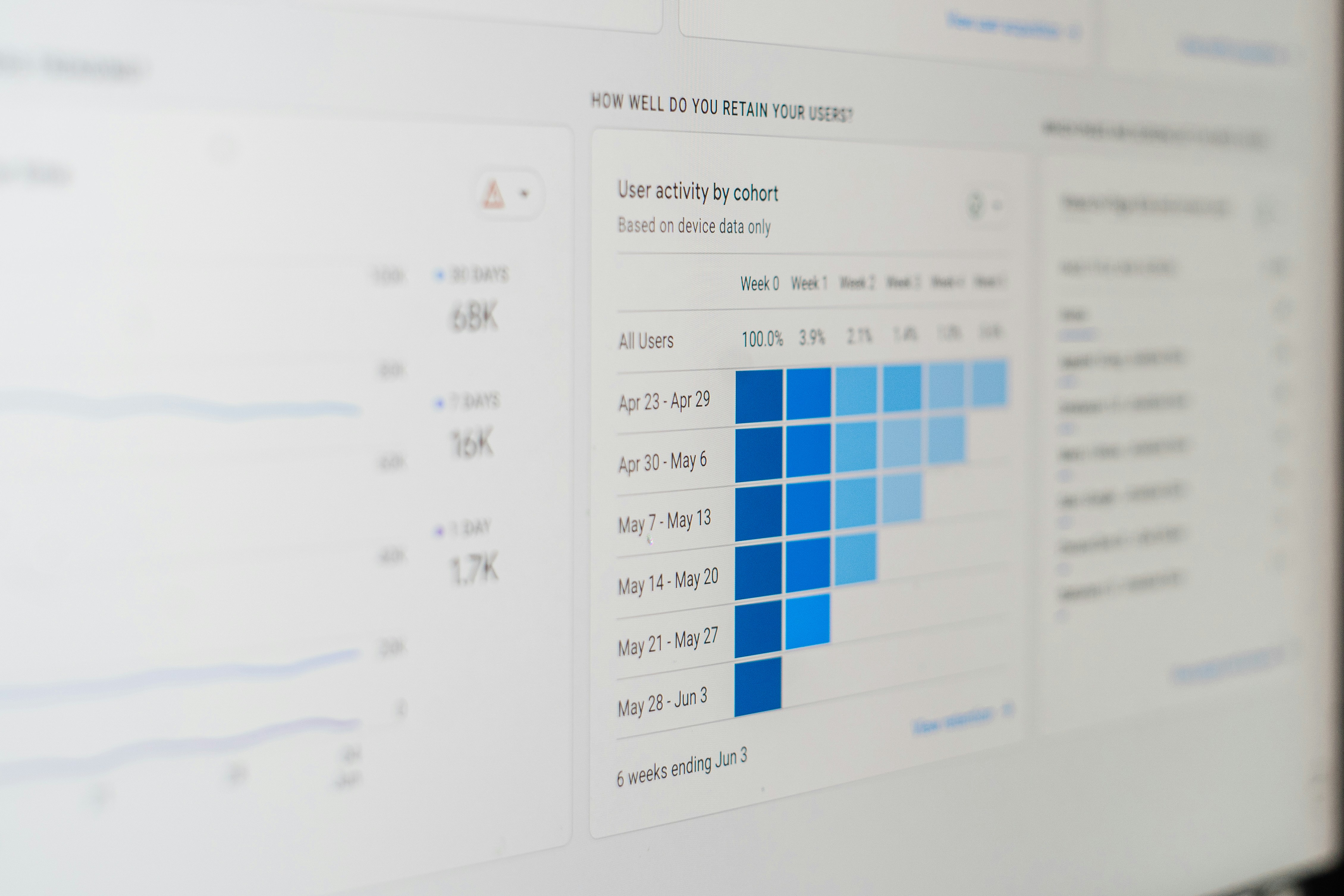
Introduction to Looker Studio and its API
Looker Studio is an advanced data analytics and business intelligence platform designed to facilitate organizations in transforming their data into actionable insights. With its user-friendly interface, Looker Studio allows users to create comprehensive visualizations, interactive dashboards, and in-depth reports that can drive data-driven decision-making processes across various industry sectors. The platform provides a robust environment for data exploration, enabling business users to aggregate information from multiple sources and analyze it using customizable metrics.
A pivotal feature of Looker Studio is its API, which opens up a plethora of possibilities for developers and data enthusiasts. The Looker API serves as a bridge, allowing users to programmatically interact with the platform, automate workflows, and integrate analytics into their applications effortlessly. This connectivity enhances the reporting capabilities of organizations by enabling them to utilize data in real-time and tailor analytics workflows to suit their specific needs. Through the API, users can perform various tasks such as fetching reports, managing user access, and bespoke data retrieval—all essential for optimizing analytics operations.
The API’s significance extends beyond mere data extraction; it facilitates seamless integration with various programming languages, cloud applications, and third-party tools. This versatility allows organizations to connect Looker Studio with their existing tech stack and enhance the overall functionality of their reporting capabilities. Furthermore, the ability to automate repetitive tasks is crucial for improving efficiency, reducing manual errors, and ensuring timely decision-making based on up-to-date insights. As businesses continue to embrace data-centric approaches, understanding and leveraging the Looker Studio API becomes increasingly vital for maximizing the value derived from their data assets.
Key Features of the Looker Studio API
The Looker Studio API provides a robust set of features designed to enhance reporting capabilities for businesses and organizations. One of the standout features is its data extraction capability, allowing users to pull data from various sources seamlessly. This flexibility ensures that businesses can access real-time data from diverse systems, thereby improving the accuracy and relevance of their reports. By facilitating efficient data extraction, the Looker Studio API plays a pivotal role in data-driven decision-making.
Another significant aspect of the Looker Studio API is its ability to connect to external databases. This feature is crucial for organizations dealing with multiple data repositories, as it enables them to create comprehensive reports that amalgamate insights from various platforms. The API supports connections to a wide range of database types, ensuring that users can consolidate their data without encountering compatibility issues. By bridging various data sources, the Looker Studio API fosters a unified reporting environment.
The API also boasts strong integration capabilities, allowing businesses to connect their existing tools and applications with the Looker platform. Through these integrations, users can automate their reporting processes, significantly reducing manual work and potential errors. Automation increases efficiency, enabling teams to focus on analyzing data rather than compiling it. Moreover, customization options within the Looker Studio API allow users to tailor reports to meet specific organizational needs, ensuring that stakeholders receive information in the most useful format. This combination of features makes the Looker Studio API an indispensable tool for enhancing reporting capabilities, driving insightful analytics, and ultimately supporting informed business strategies.
Setting Up and Authentication for Looker Studio API
To leverage the capabilities of the Looker Studio API, it is important to first set up your environment properly and authenticate your application. The initial step in the setup process involves obtaining your unique API keys, which serve as credentials that will grant access to the Looker Studio API’s functionalities. To acquire these keys, you need to log in to your Looker Studio account and navigate to the API settings. Here, you can generate a new set of keys tailored for your application.
Following the acquisition of the API keys, the next crucial step is to configure authentication. Looker Studio employs OAuth 2.0, a widely recognized authorization framework that ensures secure access to resources. To begin this process, you will need to register your application with Looker Studio to obtain the client ID and client secret. Once you have these credentials, you will need to implement the OAuth flow, which typically involves redirecting the user to a Looker Studio authorization URL, where they will grant permission for your application to access their data.
After successful authentication, your application will receive an access token, which is used to authorize subsequent API requests. It is essential to securely store the access token, as it will be required to establish a connection with Looker Studio’s services. In addition, your application may also need to handle token refresh operations by obtaining a new access token using the refresh token when the old one expires.
By meticulously following these steps for setting up the Looker Studio API—obtaining API keys and configuring OAuth 2.0—you can ensure secure and efficient data access. This foundational setup is essential for maximizing the potential of your Looker Studio API endeavors and enhancing your reporting capabilities.
Utilizing Endpoints for Data Extraction
The Looker Studio API presents a myriad of endpoints designed to facilitate efficient data extraction. These endpoints allow users to interact with Looker’s robust data infrastructure and tailor their reporting capabilities. By leveraging these API endpoints, users can perform queries to extract datasets tailored to their specific organizational needs, ultimately enhancing their reporting capabilities.
One of the primary endpoints is the run_query endpoint, which enables users to execute queries directly against their Looker models. For instance, an organization might utilize this endpoint to pull a performance report by submitting a request that specifies the desired metrics, dimensions, and filtering conditions. This generates a quick, customized dataset that can be further analyzed or exported for reporting purposes.
Another useful endpoint is the search: endpoint, which allows users to discover available resources within their Looker instance, such as looks, dashboards, and models. By employing this endpoint, users can efficiently locate essential reports without navigating through the user interface. This is particularly beneficial for large organizations with extensive reporting systems, as it simplifies the data retrieval process.
Furthermore, the available_fields endpoint provides a list of fields that can be extracted from a specified model. This is crucial for users who need to understand what data is accessible, allowing them to construct precise queries that align with their reporting objectives. Staying informed about available fields ensures that users can tailor their data extraction efforts effectively.
By utilizing these and other endpoints within the Looker Studio API, organizations can streamline their data extraction processes. The ability to query data directly and generate customized reports ultimately empowers users to make informed decisions based on real-time insights, thereby enhancing overall operational efficiency.
Creating Automated Reports with Looker Studio API
The Looker Studio API provides an effective solution for automating the reporting processes, greatly enhancing an organization’s efficiency and data management capabilities. By leveraging this robust API, users can seamlessly generate reports that are not only consistent but also timely, ensuring that stakeholders have access to the latest information without manual intervention. This can be particularly beneficial for businesses that require frequent reporting, as it minimizes the chances of human error and reduces the workload on teams.
To begin automating report generation using the Looker Studio API, the first step is to set up the necessary API access. This involves creating a service account and obtaining the appropriate credentials that allow users to interact with the API securely. Once the access is secured, the next phase is to define the parameters for the reports, including the data sources, filters, and dimensions that are relevant to the reporting needs. Through the API, users can programmatically specify these attributes, effectively customizing reports for different audiences or purposes.
Scheduling report deliveries is another critical feature of the Looker Studio API that saves significant time. Users can establish a delivery schedule that fits their organizational workflows, which allows for automatic dispatching of reports to designated recipients through various channels. This feature guarantees that key stakeholders are up to date with the latest insights without having to request reports each time.
Additionally, to enhance responsiveness, the Looker Studio API supports webhooks that can be instrumental in notifying users of completed report generations or any changes in data. By setting up these notifications, organizations can ensure that pertinent team members are alerted promptly, allowing them to act on important insights without delay. Through these features, the Looker Studio API not only streamlines reporting but also empowers organizations to make informed decisions based on real-time data.
Integrating Looker Studio API with Other Tools
Integrating the Looker Studio API with other software and tools can significantly enhance your reporting capabilities and streamline data workflows. One of the most beneficial integrations is with Customer Relationship Management (CRM) systems. By connecting your Looker Studio with CRM platforms, such as Salesforce or HubSpot, organizations can leverage real-time customer data and insights. This integration allows for the creation of dynamic dashboards that reflect the latest sales or customer interaction metrics, enabling teams to make data-driven decisions promptly.
Furthermore, when Looker Studio is integrated with marketing platforms, marketers can gain valuable insights into campaign performance and user engagement. For instance, combining Looker Studio API with Google Ads or social media analytics tools ensures that marketing metrics reflect the real-time data landscape. This allows for enhanced reporting, where teams can visualize their marketing effectiveness and identify opportunities for optimization. It ultimately leads to a more robust understanding of marketing ROI and fosters informed strategic decisions.
The synergy achieved by integrating Looker Studio API with data visualization tools also warrants attention. Since Looker Studio excels in creating visual representations of data, integrating it with platforms like Tableau or Microsoft Power BI can expand analytical capabilities. Organizations can harness multiple data sources, including transactional data and user behavior datasets, and present them cohesively. This not only enriches the insights but also provides stakeholders with a comprehensive view of performance metrics across various dimensions.
Best practices for integration include ensuring secure authentication, implementing proper API calls, and conducting thorough testing before going live. Regular monitoring of the integration’s performance is crucial to maintain data accuracy and reliability. By following these practices, businesses can fully exploit the interconnectivity of their software ecosystem, thereby enriching their reporting capabilities and enhancing overall data synergy across platforms.
Case Studies: Successful Implementations of Looker Studio API
The implementation of the Looker Studio API has proven transformative for various organizations, enabling them to significantly enhance their reporting capabilities and data analytics strategies. One notable example is a healthcare organization that faced the challenge of consolidating multiple data sources for reporting. Prior to utilizing the Looker Studio API, the organization struggled with manual data extraction and reporting processes, resulting in delays and inaccuracies. By integrating the API, they automated data synchronization across different platforms, which not only improved accuracy but also reduced report generation time by 75%. This allowed healthcare professionals to make quicker, data-driven decisions crucial for patient care.
Another case study involves a financial services firm that needed to streamline its reporting procedures to comply with regulatory standards. The firm relied on fragmented data storage solutions, which posed challenges in merging financial data for compliance reports. After adopting the Looker Studio API, the organization was able to create a centralized data repository that aggregated necessary financial metrics efficiently. The API’s ability to provide real-time insights and seamless data flow enabled the firm to meet regulatory requirements with greater accuracy, significantly enhancing audit readiness and compliance scores.
Furthermore, a retail company utilized the Looker Studio API to boost its e-commerce analytics. The organization faced issues with analyzing customer behavior and sales data, leading to missed opportunities for targeted marketing strategies. By implementing the API, they were able to integrate customer interaction data from their e-commerce platform directly into their reporting dashboards. This integration allowed for comprehensive analyses of customer trends and sales patterns. The enhanced insights from the Looker Studio API empowered the retail team to tailor their marketing efforts, resulting in a 20% increase in customer engagement and a measurable improvement in sales conversions.
Potential Challenges and Troubleshooting
When utilizing the Looker Studio API, users may encounter several challenges that could impede their experience and functionality. Understanding these potential obstacles is essential for effective reporting and data integration. One common issue arises from API limitations. The Looker Studio API has certain restrictions, including rate limits, which could lead to delays in data retrieval or request rejections if exceeded. It is crucial for users to familiarize themselves with these limitations to plan their API usage accordingly.
Another frequent challenge is establishing a reliable connection. Users may find themselves facing connectivity problems due to network issues, incorrect credentials, or firewalls that block the necessary ports. Ensuring that the network settings are configured correctly and that the credentials used are accurate can help mitigate these issues. Additionally, checking firewall settings can prevent disruptions in connectivity that could hinder data flow.
Data consistency problems also present a challenge for those utilizing the Looker Studio API. When integrating data from multiple sources, discrepancies can arise from variations in data structure or update frequencies. Users should implement robust validation processes to ensure that the data being retrieved is in sync and adheres to expected formats. Utilizing logging to track data discrepancies can provide insights that help in resolving these issues effectively.
For those seeking assistance, several resources are available. The Looker community forums and the official documentation provide valuable guidance to help troubleshoot common problems. Engaging in these platforms can offer insights from other users who may have faced similar challenges. In conclusion, being prepared for potential challenges through thorough understanding and utilizing available resources can significantly enhance the overall experience with the Looker Studio API.
Future Trends and Developments in Looker Studio API
The Looker Studio API is poised for significant advancements, aligning with evolving data analytics demands and user expectations. As businesses increasingly rely on data-driven decision-making, Looker continues to enhance its platform, focusing on improving user experience and integration capabilities. Future trends indicate a notable emphasis on data accessibility and real-time reporting, with enhancements aimed at making the Looker Studio API more intuitive and user-friendly.
One potential direction involves the incorporation of artificial intelligence (AI) and machine learning (ML) techniques. These technologies can provide users with automated insights and predictions based on historical data patterns, allowing for proactive decision-making. By integrating AI functionalities, the Looker Studio API can facilitate deeper analytical insights, empowering users to visualize data trends more effectively and efficiently.
In addition, user feedback has highlighted the need for expanded customization options. Future developments may include enhanced API functionalities that allow users to tailor reports and visualizations to better fit their unique business processes. This personalization can extend to the user interface and reporting templates, making the Looker Studio API more adaptable to specific organizational needs.
Furthermore, as businesses migrate more of their operations to the cloud, Looker is likely to enhance its API integration capabilities with various cloud services. This shift will enable users to seamlessly connect and pull data from diverse cloud-based sources, reinforcing the Looker Studio API’s role as a central hub for comprehensive reporting and analytics.
Overall, the Looker Studio API is anticipated to continue evolving by embracing technological advancements and responding to user feedback. By focusing on AI, customization, and cloud integration, Looker aims to enhance its reporting capabilities, ensuring users are equipped to thrive in an increasingly data-centric landscape.