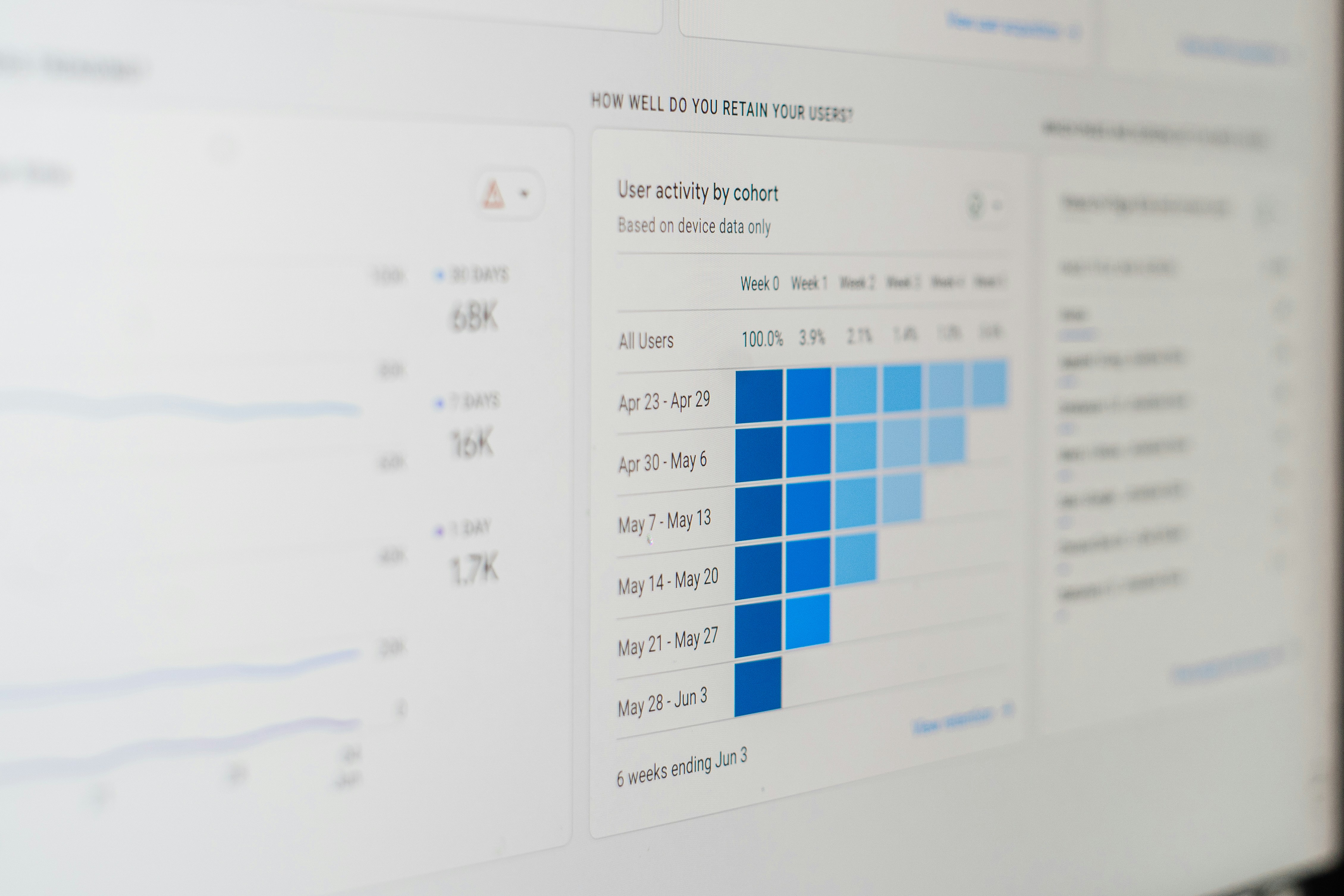
Introduction to Looker Studio and Google Sheets
Looker Studio, formerly known as Google Data Studio, is a powerful business intelligence tool designed for data visualization and reporting. It empowers users to create dynamic and interactive dashboards that present complex data in a more comprehensible format. With its extensive range of graphical representations, including charts, graphs, and tables, Looker Studio provides organizations with insights that guide informed decision-making. Data can be sourced from numerous platforms, enhancing the versatility and effectiveness of the reports generated.
One of the significant advantages of Looker Studio lies in its accessibility. The platform allows users to seamlessly pull data from various sources, enabling them to tailor visualizations to their specific needs. By incorporating features such as real-time data updates and sharing capabilities, Looker Studio encourages collaboration among teams, ensuring that all team members have access to the most current information. Through features like filters and date range selectors, teams can interact with their data dynamically, promoting a deeper understanding of key metrics and performance indicators.
Google Sheets, on the other hand, is a widely used spreadsheet application that serves as a frontline tool for data management and analysis. Its collaborative features benefit teams working together on projects, allowing for real-time editing and comments. The integration of Looker Studio with Google Sheets is particularly noteworthy, as it enables users to export data visualizations from Looker Studio directly to Google Sheets. This integration simplifies the process of data analysis by allowing users to manipulate data further or incorporate it into reports without losing the rich visual context provided by Looker Studio. The ability to utilize the full capabilities of both platforms enhances data accessibility, thereby facilitating improved collaboration among users.
Why Export Looker Studio Reports to Google Sheets?
Exporting reports from Looker Studio to Google Sheets provides numerous advantages that can enhance data analysis and reporting workflows. One significant benefit is the ease of data manipulation. Google Sheets offers a robust set of tools for adjusting, modifying, and analyzing datasets in a user-friendly environment. By exporting Looker Studio reports to Google Sheets, users can leverage familiar spreadsheet functionalities, such as filtering, pivot tables, and custom formulas to extract deeper insights. This flexibility allows teams to tailor the data to their specific needs, fostering a more personalized approach to data interpretation.
Another compelling reason to use this export capability is the ability to perform additional calculations directly within Google Sheets. Looker Studio is proficient in data visualization and analytics, but there may be instances where custom calculations are required for specific reporting needs. By exporting Looker Studio reports to Google Sheets, users can easily implement these calculations to generate new metrics or insights that are not available in the original report. This independence in analysis often leads to more comprehensive and accurate reporting, which is essential for informed decision-making.
Collaboration is also an important aspect that warrants consideration. Exporting Looker Studio reports to Google Sheets enables seamless sharing across different departments or teams. Google Sheets provides a collaborative platform fostering real-time updates, comments, and discussions among team members. This capability allows various stakeholders to contribute to data analysis and report generation, ensuring that insights are shared widely and effectively. Consequently, the export process not only preserves data integrity but also enhances the collective understanding of the reports, empowering organizations to harness the full potential of their data resources.
Step-by-Step Guide to Export Looker Studio Reports
Exporting reports from Looker Studio to Google Sheets can enhance data accessibility and facilitate further analysis. To initiate the export process, first, access the report you wish to export within Looker Studio. Ensure that you have the necessary permissions to access the report, as this is crucial for a smooth export operation.
Once you have the report open, navigate to the top-right corner of the interface. You will find an “Export” option. Click on it to reveal a drop-down menu that lists various export formats. Since your goal is to connect Looker Studio with Google Sheets, select the “Export to Google Sheets” option. This selection indicates your intention to move the data directly into your Google Sheets account without any intermediate steps.
Upon selecting the desired export option, a prompt may appear, asking you to sign in to your Google account if you haven’t already done so. Ensure that you are signed into the correct account to avoid any confusion with your spreadsheet organization. Once authenticated, you may be asked to grant Looker Studio the necessary permissions to create and edit files in your Google Drive. Approve these permissions to enable a seamless transfer of data.
After permission is granted, you will be prompted to choose a specific location within your Google Drive where the exported report will be saved. It’s advisable to create a dedicated folder for Looker Studio exports to keep your data organized. Select the appropriate location and finalize the export process by clicking “OK” or “Export.” The report will be generated and uploaded into Google Sheets, where you can access it immediately.
Once in Google Sheets, review the data to ensure it is accurately formatted. This step is critical for maintaining data integrity and usability. With this process, exporting Looker Studio reports becomes straightforward, enabling efficient data management and analysis. Following these steps ensures that the transition from Looker Studio to Google Sheets is effective, allowing for better collaboration and insights from your data.
Common Issues Encountered During Export and Solutions
Exporting reports from Looker Studio to Google Sheets can significantly enhance data accessibility and usability. However, several common issues may arise during the process that can hinder a smooth operation. Understanding these pitfalls is essential for a seamless experience.
One frequent issue users might encounter is that the exported data does not match the displayed data in Looker Studio. This discrepancy may occur due to filters that are applied in Looker Studio, which may not translate effectively during the export. To address this, it is advised to double-check the filter settings and ensure they are correctly configured before starting the export. If necessary, apply similar filters within Google Sheets to maintain data integrity.
Another problem could involve formatting discrepancies where data appears differently once it reaches Google Sheets. For instance, date fields might not retain their formatting, leading to confusion when analyzing the information. A solution for this could involve pre-formatting cells in Google Sheets before performing the import, ensuring that data types align correctly upon arrival.
Additionally, users may face issues with large datasets that fail to export completely. Looker Studio has limitations on the amount of data it can export, which may cause truncation. To overcome this, consider breaking down reports into smaller, manageable segments and exporting them individually. Using filters to refine the data set can also help streamline this process.
Lastly, connection issues may arise if there are interruptions in internet connectivity or if the Looker Studio platform is undergoing maintenance. Keeping an eye on service status and ensuring a stable internet connection can mitigate these problems. By proactively addressing these common issues, users can ensure a successful looker studio export to Google Sheets, enabling them to leverage their data efficiently.
Utilizing Google Sheets After Export: Best Practices
Once you have successfully performed a Looker Studio export to Google Sheets, the next step is to leverage this data effectively. One of the most critical best practices is to understand how to analyze and visualize the data within Google Sheets. Begin by utilizing the built-in functions and formulas to manipulate data for deeper insights. For instance, functions such as VLOOKUP, pivot tables, and charts can dramatically enhance your ability to interpret the results. These tools allow users to construct a comprehensive view of the underlying trends and patterns in the exported data.
Additionally, visualization plays a vital role in presenting data meaningfully. Google Sheets provides a variety of charting options, including bar charts, pie charts, and line graphs. Selecting appropriate visual formats can help stakeholders quickly grasp critical information and make informed decisions based on the analysis. Always ensure that visualizations align with the key performance indicators (KPIs) that matter most to your organization or project.
When collaborating with team members after a Looker Studio export to Google Sheets, maintaining consistency is paramount. Establish a standardized format for data entry and visualization, which can help minimize errors and discrepancies when multiple users are involved in analyzing the same data set. Utilize features such as data validation and protected ranges to control input and uphold the integrity of the data. Moreover, consider using Google Sheets’ comments and version history features to track changes and foster communication among collaborators effectively.
In conclusion, maximizing the utility of exported data from Looker Studio into Google Sheets requires a blend of analytical techniques, visualization tools, and consistent practices. By adhering to these best practices, users can unlock the full potential of their reports and drive effective data-driven decision-making within their organizations.
Real-life Use Cases of Looker Studio and Google Sheets Integration
The integration of Looker Studio and Google Sheets has proven to be invaluable for numerous organizations across various sectors. One prominent example can be found in the marketing industry, where teams utilize Looker Studio to illustrate campaign performance through visual analytics. By exporting these reports to Google Sheets, they can share dynamic dashboards with stakeholders, allowing for effortless updates and interpretations. This streamlined approach empowers marketing departments to make data-driven decisions efficiently, adjusting strategies in real time based on the data reflected in Google Sheets.
Another compelling use case is in the finance sector, where analysts leverage Looker Studio to visualize budgets and forecasts. When exporting Looker Studio reports to Google Sheets, they can further manipulate the data to conduct in-depth financial analyses and modeling. This ability to create interactive financial reports fosters transparency and enhances decision-making processes, ensuring that all team members are aligned and informed about the company’s financial health.
In the realm of project management, teams benefit significantly from the integration of Looker Studio and Google Sheets. Project managers utilize Looker Studio to monitor project timelines and deliverables visually. By exporting this critical information to Google Sheets, they can keep tabs on resource allocation and project progress, sharing real-time insights with team members. This method builds accountability within the team, as everyone has access to a centralized report that reflects the latest project status.
Healthcare organizations also reap the advantages of this integration, using Looker Studio to track patient metrics and treatment outcomes. When these detailed reports are exported to Google Sheets, medical teams can conduct detailed analyses for better patient care and operational efficiency. This practical application showcases how Looker Studio and Google Sheets can drive significant improvements in data accessibility and collaborative decision-making across different industries.
Security and Compliance Considerations
When exporting data from Looker Studio to Google Sheets, it is crucial to prioritize the security of sensitive information. The process of transferring data raises several security implications that must be addressed to protect against unauthorized access and data breaches. Exported data can include valuable insights, performance metrics, and personally identifiable information, making it essential to implement strict security protocols during this transition.
One primary concern is compliance with data protection regulations, such as the General Data Protection Regulation (GDPR) and the California Consumer Privacy Act (CCPA). Organizations that handle personal data are obligated to ensure that any data exported to external sources like Google Sheets adheres to these legal requirements. For instance, any inclusion of personal data within Looker Studio reports must be managed in accordance with applicable laws, ensuring that individuals’ rights are respected and that data is processed transparently.
To enhance security, companies should consider employing encryption for any data exported to Google Sheets. This protective measure can safeguard the sensitivity of the information both during transit and in storage. Additionally, access controls must be implemented within Google Sheets to restrict data exposure only to authorized personnel. Using Google Workspace’s administrative features can help in managing these access levels effectively.
Moreover, organizations should conduct regular audits of their data handling practices, ensuring that the processes for exporting Looker Studio reports to Google Sheets are robust and compliant. Training employees on data privacy and security best practices further reinforces a security-conscious culture within the organization. By addressing these security considerations, companies can ensure that the export process not only meets operational needs but also upholds the necessary compliance standards.
Future Trends in Data Reporting and Management
As organizations increasingly rely on data-driven decision-making, the landscape of data reporting and management is continually evolving. In this context, tools such as Looker Studio and Google Sheets play a pivotal role. One foreseeable trend is the increasing integration of artificial intelligence (AI) and machine learning within data reporting systems. These technologies enable automated insights generation, allowing users to extract meaningful narratives from complex datasets with minimal manual intervention.
Moreover, as businesses generate more data, the demand for real-time reporting will continue to grow. Looker Studio, with its ability to visually represent data dynamically, sets a foundation for such requirements. Coupling Looker Studio’s robust reporting features with Google Sheets’ accessibility ensures that stakeholders can easily grasp insights without delving into intricate technical components. Organizations will likely adopt streamlined workflows that leverage the seamless export of Looker Studio reports to Google Sheets, thereby ensuring that all team members can engage with data effectively.
An additional trend is the focus on collaborative data management solutions. As teams become more dispersed geographically, tools that facilitate collaboration within report creation and data analysis are crucial. Future updates to Looker Studio may include enhanced sharing capabilities or integration with various communication platforms, making it easier for teams to collaborate on data insights in real time. Furthermore, as organizations seek to democratize access to data, simplifying the process of exporting data into easy-to-use formats like Google Sheets will be essential. This democratization fosters a culture where not just data analysts, but all employees can draw insights from data, driving informed decision-making at every level.
In conclusion, the future of data reporting and management promises enhanced capabilities through integration of advanced technologies, a push for real-time analytics, and a firm commitment to collaboration and accessibility. As tools evolve, the synergy between platforms like Looker Studio and Google Sheets will empower businesses to harness the full potential of their data assets.
Conclusion and Further Resources
Throughout this blog post, we explored the efficient process of exporting reports from Looker Studio to Google Sheets. Utilizing the “Export to Google Sheets” feature streamlines data handling and enhances collaboration. This feature is not only user-friendly, but it also integrates seamlessly into existing workflows, allowing users to create dynamic reports that can be easily updated and shared with colleagues. The ability to manipulate data within Google Sheets post-export offers significant opportunities for further analysis.
To maximize the benefits of using Looker Studio, it is essential to understand how to effectively manage the data once exported. The manipulation capabilities of Google Sheets, combined with the data visualization strengths of Looker Studio, provide a powerful duo for reporting and data analysis. Users are encouraged to explore various templates and functions within Google Sheets to optimize their reports further.
For those looking to deepen their understanding of the Looker Studio export to Google Sheets functionality, additional resources are available. Users can access the official Looker Studio documentation which provides comprehensive guidelines and troubleshooting tips. Google also offers extensive support for Google Sheets that can assist users in navigating complex data sets and advanced functionalities.
Here are some useful links to explore further:
For personalized assistance or specialized services, readers are encouraged to reach out, as there are many professionals available who can provide tailored support. Understanding the various features and capabilities of Looker Studio in conjunction with Google Sheets can significantly enhance data-driven decision-making processes.