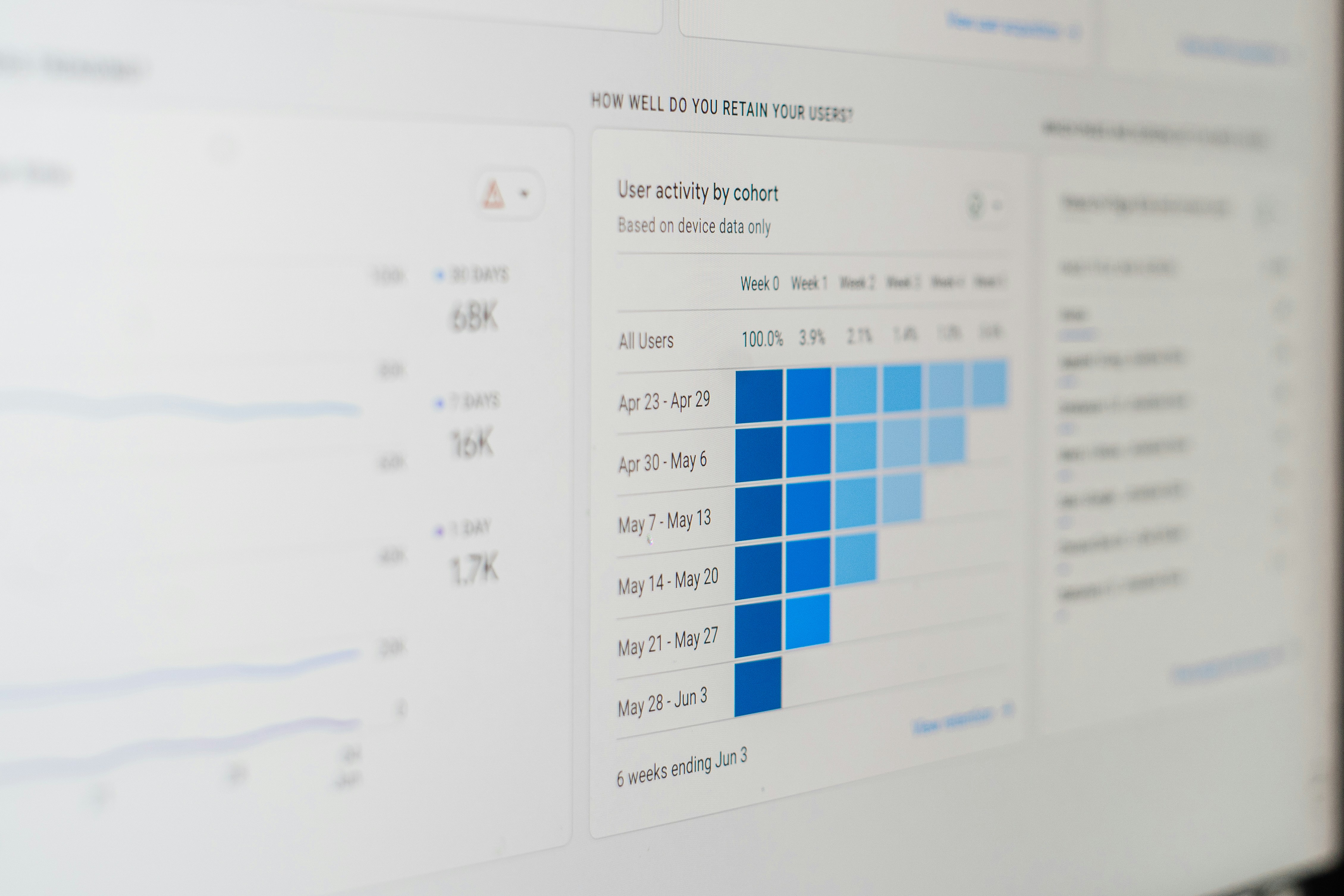
Introduction to Looker Studio
Looker Studio is a powerful data visualization and reporting tool designed to transform complex datasets into intuitive and insightful visual representations. It serves a wide range of users, from data analysts to business executives, facilitating a deeper understanding of intricate data through easy-to-interpret graphics. This platform empowers organizations to leverage their data effectively, helping them make informed decisions based on real-time insights.
The primary purpose of Looker Studio is to democratize access to data analytics, enabling teams to create interactive dashboards and comprehensive reports without the need for advanced programming skills. With an extensive array of visualization options, users can customize their displays to highlight key performance indicators, trends, and anomalies. By doing so, Looker Studio not only simplifies the data analysis process but also enhances collaboration among team members, ensuring that everyone can contribute to data-driven decision-making.
Moreover, Looker Studio’s relevance in today’s data-driven landscape cannot be overstated. As organizations increasingly rely on data to guide strategic initiatives, the ability to visualize and interpret data effectively becomes essential. Looker Studio provides tools that allow users to connect a multitude of data sources, from spreadsheets to cloud-based databases, thereby centralizing information and streamlining reporting processes. This integration is particularly beneficial, as it allows users to maintain clean and efficient datasets while minimizing errors associated with manual entry.
In essence, Looker Studio stands out as an indispensable tool for businesses aiming to harness the full potential of their data. By transforming complex information into easily digestible visualizations, Looker Studio enhances not only analytics capabilities but also overall organizational efficiency. As businesses continue to navigate an increasingly data-reliant world, Looker Studio offers a robust solution for meaningful data exploration and analysis.
What is Google Drive?
Google Drive is a cloud-based storage solution developed by Google that enables users to store, access, and share files and data online. This robust platform allows individuals and organizations to upload documents, photos, videos, and other file types, facilitating easy access from any device connected to the internet. The integration of Google Drive with various applications enhances its functionality and makes it a favored choice for users seeking flexibility and convenience in data management.
One of the key functionalities of Google Drive is its collaborative features. Multiple users can work on shared documents in real-time, which is particularly beneficial for team projects and collaborative tasks. This capability not only improves productivity but also ensures that changes are updated instantly, minimizing the chances of version conflicts. Furthermore, Google Drive provides granular permission controls, enabling users to manage who can view, comment, or edit their files, fostering a secure collaborative environment.
Moreover, Google Drive integrates seamlessly with numerous applications, including productivity tools like Google Docs, Sheets, and Slides. This integration allows users to create and edit documents effortlessly, leveraging cloud storage for easy data retrieval and sharing. Looker Studio, a platform for data exploration and visualization, is among the applications that benefit from Google Drive’s capabilities. By linking Google Drive with Looker Studio, users can access datasets stored within Drive, streamlining data analysis processes and offering insights in a visually interpretable format.
In addition to its collaborative and integration features, Google Drive provides ample storage space accessible across devices, enhancing the overall user experience. With its reliable cloud-based architecture, users can be assured that their files are safe and retrievable whenever needed, making Google Drive a vital tool for both personal and professional use.
The Benefits of Integrating Looker Studio with Google Drive
Integrating Looker Studio with Google Drive presents a multitude of advantages for organizations seeking to enhance their data management and reporting capabilities. One of the primary benefits is the seamless access to data. By utilizing Google Drive as a centralized repository, users can effortlessly link their Looker Studio projects to datasets stored in Drive. This ensures that the most up-to-date information is readily available, promoting accuracy and relevance in reports.
Another significant advantage is the facilitation of real-time collaboration. With Google Drive’s sharing features, multiple team members can work on Looker Studio reports simultaneously. This collaborative environment not only fosters teamwork but also accelerates the decision-making process as stakeholders can discuss findings and insights in real-time. The ability to provide instant feedback and iterate on reports leads to the development of high-quality data presentations that can better inform business strategies.
Additionally, the integration simplifies the sharing process of insights derived from Looker Studio. Users can easily share reports with clients, stakeholders, or colleagues directly from Google Drive, ensuring that everyone has access to vital information. The integrated tools enable recipients to view and interact with the reports without needing to download multiple files or access separate platforms, streamlining the dissemination of information.
Lastly, incorporating Google Drive not only enhances convenience but also improves data security. Storing reports and data in Google’s cloud infrastructure benefits from advanced security protocols, including encryption and access controls. These features help protect sensitive information while allowing organizations to maintain compliance with data protection regulations.
By integrating Looker Studio with Google Drive, businesses can leverage these benefits to enhance their overall data analytics processes and make informed decisions based on reliable insights.
Setting Up Looker Studio with Google Drive
Integrating Looker Studio with Google Drive is a straightforward process that enables users to leverage cloud storage for enhanced data analytics. To begin, ensure you have both a Looker Studio account and a Google Drive account. If you do not have these, create them as needed. Once you are prepared, follow these steps to set up the integration.
First, log into your Looker Studio account. Navigate to the “Create” section, where you will find options to create a new report or data source. Choose the option that suits your needs and select “Google Drive” as your data source. This action will prompt you to authorize access to your Google account, allowing Looker Studio to retrieve files directly from your Drive. It is crucial to allow permissions explicitly for smooth access and functionality.
After connecting your accounts, you can start uploading data files into Google Drive. Looker Studio supports a variety of formats including CSV, Excel, and JSON among others. Ensure your datasets are well-structured and ready to be analyzed. Once your data files are in Drive, return to Looker Studio to configure the specific settings for your report, such as choosing the right file path and selecting the necessary data fields.
During this setup process, you may encounter common issues such as authorization errors or file access problems. If you face any challenges, verify that your Google Drive files are shared correctly and that the necessary permissions are granted. Often, a refresh of your Looker Studio session can resolve minor discrepancies.
Following these steps will ensure that your Looker Studio is fully integrated with Google Drive, setting the stage for effective data analysis and visualization.
Creating Reports in Looker Studio Using Google Drive Data
Creating reports in Looker Studio with data stored in Google Drive can enhance your data visualization capabilities significantly. Using data from Google Drive not only allows you to access a vast amount of information but also facilitates real-time updates and collaboration. To effectively create reports, it is essential to select the appropriate data sources located in your Drive account. Look for data files such as Google Sheets or CSV files that are organized and relevant to your reporting needs.
Once you have identified suitable data sources, building visualizations becomes a vital task. Looker Studio offers a plethora of visualization options, including charts, graphs, and tables. When selecting visualizations, consider the type of data you have and the story you wish to tell. For numeric data, bar and line charts can effectively illustrate trends, while pie charts may be well-suited for categorical data representation. The goal is to present your information clearly and concisely to facilitate understanding for your audience.
Designing your report with best practices in mind is crucial for ensuring its effectiveness. Consistency in colors, fonts, and layouts not only enhances readability but also creates a professional appearance. Utilize whitespace efficiently to avoid overcrowding, allowing each data point to stand out. It is also beneficial to maintain a logical flow of information, starting from an overview and progressing to more detailed analysis. Furthermore, integrating interactivity in your reports, such as filters and drill-down options, can engage users and enhance their experience while navigating through the data.
Ultimately, leveraging Google Drive data in Looker Studio for report creation hinges on choosing apt data sources, implementing appropriate visualizations, and adhering to best design practices. This approach will allow you to unlock the full potential of Looker Studio as a powerful reporting tool.
Advanced Features: Automating Reports and Refreshing Data
Looker Studio offers a range of advanced features that significantly enhance reporting efficiency and data accuracy. One of the key components is the ability to automate report generation, which can save valuable time and resources. By leveraging the integration with Google Drive, users can set up automated data connections that ensure reports are consistently updated without manual intervention. This functionality allows users to establish defined schedules for data retrieval, catering to their specific reporting needs.
Using Looker Studio, you can seamlessly pull data from Google Sheets stored in Google Drive. For instance, by creating a report linked to a sheet that frequently updates, you can ensure your report always reflects the most current information. This automatic update capability eliminates the risks associated with outdated data, thereby enhancing the overall reliability of reports produced. Additionally, setting up these preferences can be done with ease through the Looker Studio interface, allowing users to focus on data analysis rather than data management.
Another notable feature is the ability to define specific filters and segments in the reports that also automatically refresh alongside the underlying data. This means any changes made in the Google Sheets—whether it’s an addition of new data or an alteration in existing entries—will seamlessly reflect in Looker Studio reports. By automating both the data extraction and reporting process, users can achieve a level of productivity and accuracy that is paramount in today’s data-driven environment.
In conclusion, automating reports and refreshing data through Google Drive integration in Looker Studio significantly optimizes the reporting process. This ensures not only efficiency but also the accuracy and reliability of the information presented in the reports, thereby empowering users to make informed decisions swiftly.
Collaborating on Looker Studio Reports Using Google Drive
In today’s data-driven world, collaboration is essential, especially when working with analytical tools like Looker Studio. The integration of Looker Studio with Google Drive streamlines the collaborative process, allowing teams to work seamlessly on reports and dashboards. One of the key advantages of this integration is the ability for multiple users to access and edit the same report simultaneously. This feature fosters a real-time editing environment where team members can contribute insights and analyses without the limitations of version control issues typically associated with traditional file-sharing methods.
Moreover, Google Drive’s robust permission management features enhance collaboration by allowing administrators to control who can view, comment, or edit reports. This flexibility ensures data security while promoting an inclusive workspace where ideas can flow freely. By setting specific access levels, teams can maintain the integrity of their reports while utilizing diverse perspectives to enrich the content. Additionally, the integration enables teams to track changes made by various collaborators easily, allowing team members to review past modifications and recover earlier versions if necessary.
Furthermore, the comments and suggestions feature in Google Drive adds another layer of interactivity to the collaborative process. Collaborators can leave comments on specific sections of a report, enabling discussions that lead to thoughtful revisions and improvements. This functionality can significantly enhance team meetings, as participants can reference and discuss comments directly within the context of the report, thereby improving understanding and alignment on project goals.
In conclusion, the collaboration features enabled by the integration of Looker Studio with Google Drive provide an unprecedented level of efficiency and control. By promoting real-time editing, secure permissions, and interactive feedback processes, teams can collectively develop high-quality data reports that drive informed decision-making and foster innovation.
Case Studies: Successful Implementations of Looker Studio and Google Drive
Leveraging Looker Studio alongside Google Drive has proved transformative for various organizations, enabling them to enhance their data analysis and reporting capabilities. One noteworthy case study involves a mid-sized e-commerce company, which faced challenges with data silos and inefficient reporting processes. The lack of centralized data sources made it difficult for the data analytics team to provide timely insights. By integrating Looker Studio with Google Drive, the organization was able to create a shared data environment that streamlined access to sales, inventory, and customer data. This integration allowed the company to build visually compelling dashboards that provided real-time insights, ultimately leading to a 25% increase in sales over six months.
Another example is a non-profit organization dedicated to environmental conservation, which aimed to improve its reporting to stakeholders. The team struggled to analyze various data sources, including donor information and project outcomes. By utilizing Google Drive as a centralized storage solution, the organization facilitated collaboration across departments. They integrated this with Looker Studio to develop comprehensive reports that highlighted their impact effectively. As a result, they not only improved stakeholder engagement but also established a 30% increase in donations within a year, demonstrating the power of informed decision-making.
A tech startup focusing on user experience design encountered similar hurdles as they expanded their services. With several disparate data sources and insights spread across different platforms, the team found it challenging to formulate a cohesive strategy. The integration of Looker Studio with Google Drive provided a unified platform for data analysis, simplifying the process of generating actionable insights. This initiative led to a 40% reduction in the time spent on reporting tasks, significantly boosting the team’s efficiency and enabling them to focus on innovation.
Conclusion and Next Steps
In this blog post, we have explored the powerful capabilities of Looker Studio when integrated with Google Drive. The convenience of connecting Looker Studio with Google Drive streamlines data analytics and reporting, allowing users to harness their data more efficiently. By utilizing the integration features, users can easily access, visualize, and collaborate on data stored in Google Drive, transforming how they derive insights.
We also emphasized the importance of data-driven decision-making and how Looker Studio provides the tools necessary for businesses to thrive in today’s competitive landscape. The seamless collaboration capabilities inherent in Google Drive can significantly enhance teamwork, enabling users to share reports and dashboards effortlessly. By leveraging Looker Studio with Google Drive, organizations can elevate their data strategies and ensure that all stakeholders are equipped with relevant insights when they need them.
For those eager to implement these strategies, we encourage you to explore Looker Studio with Google Drive firsthand. Start by creating a sample dashboard using data from your Google Drive. Experiment with different visualizations to understand how data can be transformed into meaningful stories. Additionally, numerous online resources are available to guide you through advanced features and best practices. Consider visiting the official Looker documentation and Google Drive support pages for further knowledge.
If you are seeking personalized assistance or have specific queries regarding Looker Studio and its integration with Google Drive, please feel free to reach out through our contact options. Our team is here to support you in unlocking the full potential of your data. By taking these next steps, you can ensure that you make informed decisions based on robust, data-driven insights.