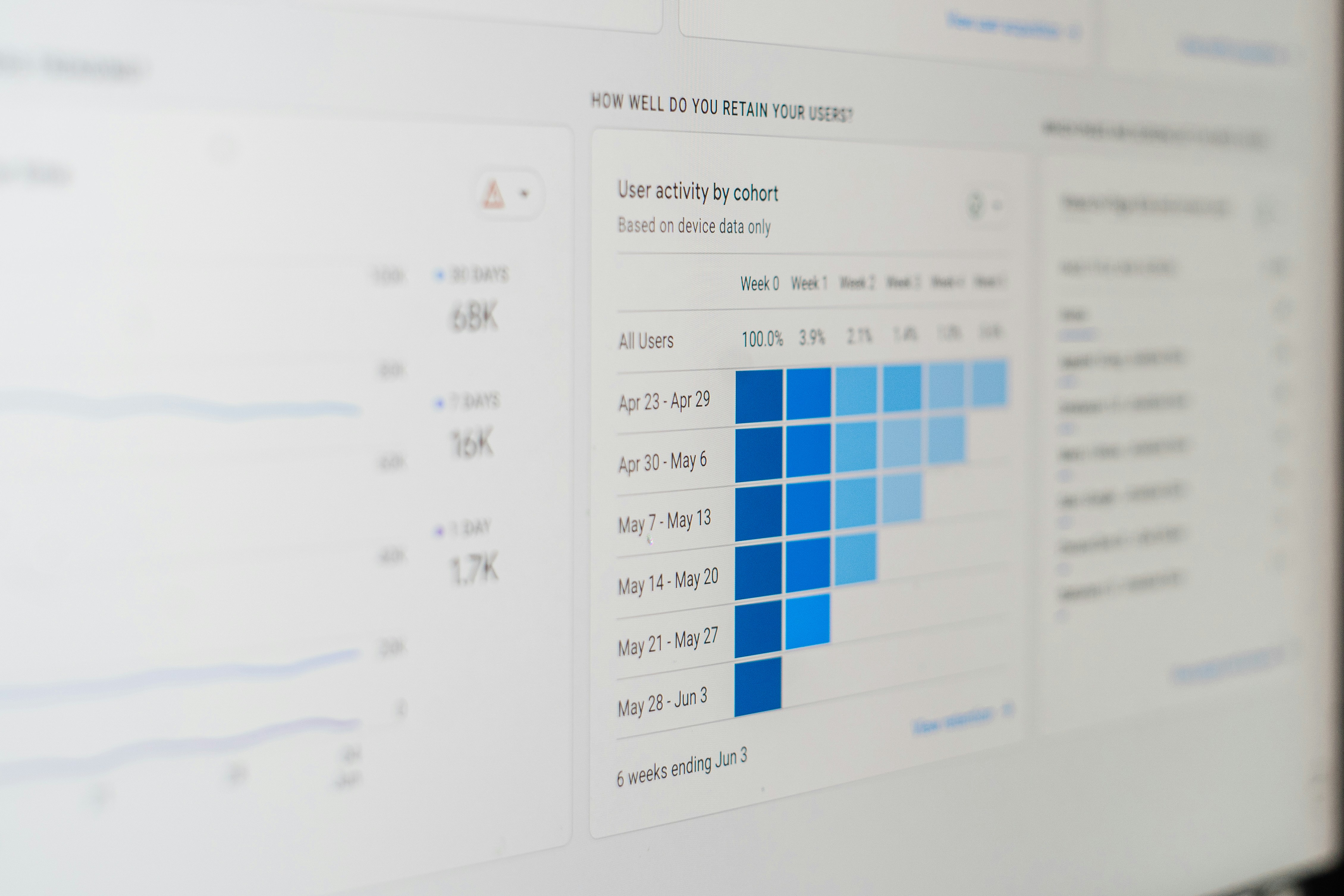
Introduction to Looker Studio
Looker Studio is a robust business intelligence (BI) platform that enables organizations to explore, visualize, and share data insights effectively. Primarily designed for data analytics, Looker Studio allows users to make data-driven decisions through intuitive reporting and visualization capabilities. This versatile tool is significant for businesses seeking to enhance their data storytelling, providing them with the means to analyze performance metrics and key performance indicators (KPIs) decisively.
One of the key strengths of Looker Studio lies in its ability to integrate seamlessly with a variety of data sources. By pulling data from multiple databases and platforms, it offers a unified view, fostering collaborative decision-making processes across departments. This feature is particularly valuable in environments requiring agile responses to changing business dynamics. Additionally, Looker Studio employs a model-based architecture, enabling teams to define, manage, and leverage data definitions consistently, ensuring that everyone is aligned on the same metrics when analyzing their data.
A unique characteristic that sets Looker Studio apart from other BI tools is its emphasis on real-time analytics. Users can create dynamic dashboards that reflect the most recent data updates, allowing for immediate insights and timely enhancements in business strategies. Furthermore, the integration of Looker Studio with Google Docs opens up new avenues for enhancing data reporting. This synergetic relationship enables users to embed Looker reports and dashboards directly into Google Docs, facilitating improved dissemination of critical insights and fostering collaborative efforts in interpreting data findings.
As data becomes increasingly central to business operations, understanding and utilizing Looker Studio effectively can provide organizations with a competitive edge in their respective markets. This comprehensive guide will delve deeper into the functionalities and advantages of Looker Studio, particularly its interplay with Google Docs, illustrating how this dynamic combination can transform data analytics practices.
Setting Up Looker Studio
To harness the full potential of Looker Studio for your data analytics needs, the initial step is to create an account. Begin by visiting the official Looker Studio website. If you already possess a Google account, you can use it to log in seamlessly. For new users, click on the ‘Sign Up’ button and complete the registration process, which involves providing a valid email address and setting a secure password. Once your account is created, you are ready to explore the features of Looker Studio.
After logging into your account, the next phase involves connecting your data sources. Looker Studio supports a variety of data integrations such as Google Sheets, BigQuery, and SQL databases. To add a data source, navigate to the ‘Data Sources’ section and click on the ‘Add Data Source’ button. From the list of available connectors, select the one that corresponds to your data storage. You will be prompted to authenticate your account to establish a connection if needed. Once connected, you can select the specific tables or views you wish to analyze.
Following data source integration, familiarize yourself with the user interface of Looker Studio. The layout is intuitive, consisting of various panels for different functionalities. The main canvas is where you create visualizations, while the sidebar contains options for inserting charts, graphs, and tables. Take advantage of the drag-and-drop functionality to arrange elements as per your reporting requirements. Proper navigation and configuration of the Looker Studio interface are crucial for crafting effective reports and performing insightful analytics. Consequently, invest time in exploring these features to ensure your setup meets your specific data needs.
Integrating Looker Studio with Google Docs
Integrating Looker Studio with Google Docs offers a powerful way to enhance data visualization and reporting capabilities. The integration process is relatively straightforward and enables users to streamline their data analysis workflows. To begin, users must ensure that they have appropriate access to both Looker Studio and Google Docs. This initial step is crucial for establishing a seamless connection between the two platforms.
Once access is confirmed, the integration can be initiated by navigating to the Looker Studio dashboard and selecting the report that contains the desired data. Users can then choose the option to share this report. By generating a shareable link or embedding the report, it can be easily inserted into a Google Doc. This method not only preserves the dynamic aspects of the Looker data but allows end-users to interactively engage with the visualizations directly within the document.
The benefits of this integration are significant. First and foremost, it allows organizations to create consolidated reports that pull in updated data visualizations in real time. By linking Looker data into Google Docs, users can effectively communicate insights with stakeholders, presenting information in a more accessible format. Moreover, this integration facilitates collaborative efforts as multiple team members can simultaneously work on the Google Doc, providing comments and suggestions based on the visual data presented.
Leveraging Google Docs for reporting purposes using Looker data not only enhances clarity in data storytelling but also aids in making well-informed decisions. This combination of tools empowers users to convert complex data sets into actionable insights, presenting a narrative that can be easily understood by diverse audiences. By adopting this integrated approach, businesses can maximize their data utilization effectively, driving success through informed decision-making.
Creating Reports in Looker Studio
Creating reports in Looker Studio is an essential skill for those looking to leverage data effectively. Looker Studio enables users to build visually compelling and informative reports through an intuitive interface that connects to various data sources. To begin the report-building process, start by selecting a data set that aligns with your specific objectives. Once your data is connected, it is crucial to focus on how you present this data to maximize impact and readability.
When designing your report, consider employing a clean and organized layout. This entails using a grid-based structure that allows for logical grouping of related information. Consistency in design elements such as colors, fonts, and labels not only enhances visual appeal but also aids in clarity, making it easier for viewers to comprehend the data presented. Utilizing white space effectively can also help to avoid clutter, ensuring that the most critical insights are prominent.
Best practices for data presentation within Looker Studio include selecting the appropriate visualization types based on the nature of the data. For example, bar charts are ideal for comparing categorical data, while line graphs effectively display trends over time. Additionally, ensuring that each chart or graph includes necessary labels and legends will help mitigate misinterpretation of the data.
Another critical aspect to consider is the narrative that accompanies your report. Including brief descriptions throughout the report can guide viewers through your findings, highlighting key takeaways. These explanations play a vital role in context, making the data accessible to stakeholders who may not possess an analytical background.
By following these best practices for report creation in Looker Studio, individuals can produce reports that are not only visually engaging but also rich in analytical value, foster informed decision-making, and ultimately drive impactful business outcomes.
Customizing and Sharing Your Looker Reports
When working with Looker Studio, customizing your reports is essential for effectively communicating insights and facilitating data-driven decision-making. Looker Studio provides a variety of options to tailor your reports to suit the needs of different users or stakeholders. One of the primary customization aspects involves applying filters. Filters allow users to focus on specific data sets or dimensions, enabling them to view relevant information without distraction. Users can create dynamic filters that can be adjusted in real-time, giving stakeholders the ability to interact with the report based on their requirements.
Beyond filters, visual elements in Looker Studio can be customized to enhance readability and engagement. You can adjust charts, tables, and graphs in various ways, from changing colors to selecting different chart types that best represent your data. Utilizing the correct visual representation fosters better comprehension and retention of information. When creating visual elements, consider your audience and the most effective ways to display the data to achieve clarity and impact.
Sharing your Looker reports is another critical component of effective communication. Looker Studio offers multiple mediums through which you can disseminate your reports to stakeholders. You can share reports via direct links, embed them in websites, or export them to formats like PDF or Google Docs. Each method has its advantages depending on the audience and the context in which the report will be used. For instance, embedding reports in internal dashboards can provide easy access for team members while sharing links might be more suitable for ad-hoc presentations or client updates.
Additionally, setting proper permissions is essential to ensure that the right individuals have the appropriate access to your reports, allowing them to view or edit as needed. By effectively customizing and sharing your Looker Studio reports, you enhance collaboration and facilitate informed decision-making across teams.
Real-Time Data Analysis with Looker Studio
Looker Studio, previously known as Google Data Studio, has transformed the landscape of data analysis by providing businesses with tools for real-time insights. This capability allows organizations to make informed decisions quickly, enhancing overall efficiency and effectiveness in operations. Real-time data analysis is crucial for businesses that need to respond promptly to changing market conditions, consumer behaviors, and internal performance metrics.
One of the significant advantages of utilizing Looker Studio for real-time data analysis is its ability to connect seamlessly with various data sources. Whether the data resides in Google Sheets, BigQuery, or other databases, Looker Studio can aggregate and visualize this information in real-time. As a result, teams can monitor key performance indicators (KPIs) and other metrics instantaneously, enabling them to identify trends, patterns, and anomalies as they occur.
For example, a retail business utilizing Looker Studio can track its sales metrics in real-time. By analyzing data gathered from multiple locations, the company can observe shifts in customer preferences throughout the day, allowing for swift adjustments to inventory or promotional strategies. Similarly, a marketing team can leverage real-time analytics to assess the effectiveness of their campaigns, making data-driven adjustments for optimal engagement rates.
Moreover, the collaborative features of Looker Studio enhance real-time data analysis further. Team members can access and share reports and dashboards during meetings, ensuring that everyone is aligned on the most current information. This agility in accessing data fosters a culture of informed decision-making, ultimately driving business success.
In conclusion, Looker Studio exemplifies the transformative power of real-time data analysis. By facilitating immediate access to critical insights, organizations can enhance their decision-making processes and operational efficiency, paving the way for more agile and responsive business strategies.
Best Practices for Data Reporting
Effective data reporting is essential for conveying insights in a manner that is both understandable and actionable. One of the foremost practices is to prioritize clarity in your presentations. This entails not only using straightforward language but also structuring information logically. When creating reports, visuals such as charts, graphs, and tables should be employed judiciously to complement the narrative. These visuals can significantly enhance comprehension by breaking down complex data sets into more digestible formats.
Accuracy stands as a pillar of credible data reporting. Ensuring that the data being presented is correct and sourced from reliable datasets is crucial. It’s recommended to double-check numbers and validate sources before they are included in the report. Misleading or incorrect data can lead to poor decision-making and can damage credibility, making it vital to maintain a high standard of data integrity.
Understanding the audience is equally important when compiling reports. Tailoring the content to meet the needs and expectations of the intended readership helps in delivering insights more effectively. For example, a report intended for technical experts may delve deeper into metrics and methodologies, while a summary directed at executives might focus more on high-level findings and business implications. Recognizing the audience’s background and knowledge level allows for clearer, more relevant communication.
Incorporating a consistent reporting format can also aid in readability and comprehension. This might include standardized templates in Google Docs or similar tools, allowing for a familiar experience for the readers. Finally, soliciting feedback on reports can uncover areas for improvement, making future reporting initiatives more effective. By adhering to these best practices, data reporting can transform into a powerful tool for insight delivery and informed decision-making.
Common Challenges and Solutions
Looker Studio, while a powerful tool for data visualization and reporting, is not without its challenges. Users often encounter various issues that can hinder their experience and affect the accuracy of the reports generated. Recognizing these common challenges is the first step towards effective problem-solving.
One prevalent challenge users face pertains to data integration. It is crucial for organizations to ensure that Looker Studio is capable of seamlessly integrating with all relevant data sources. Failure to do so can lead to incomplete datasets, resulting in skewed reporting insights. To tackle this, it is advisable to conduct thorough assessments of all data connections prior to report generation. This includes verifying API settings, replacing obsolete connectors, or employing intermediate data warehouses if necessary. Regular audits on data sources ensure that the information funnelled into Looker Studio remains accurate and consistent.
Another frequent hurdle relates to technical issues within the Looker Studio environment. These issues may manifest as slow load times or unexpected errors during report generation. To mitigate these problems, it is recommended to maintain regular updates to both the Looker Studio application and integrated data sources. Establishing a clear internet connectivity check can also prevent disruptions that may hinder performance. Additionally, users should consider reaching out to support forums or documentation for troubleshooting tips that may address specific error messages or behaviors experienced within the platform.
Moreover, training is essential for ensuring that all team members are proficient in utilizing Looker Studio effectively. Often, teams encounter obstacles simply due to a lack of familiarity with the tool’s functionalities. Investing in training sessions can equip users with the skills to bypass common pitfalls, enhancing their overall experience with Looker Studio and improving the quality of their reports.
Conclusion and Future Trends
In summary, the integration of Looker Studio with Google Docs provides a powerful framework for enhancing data analytics and reporting capabilities. Through our exploration, we have identified key advantages that this synergy offers, such as streamlined data visualization, collaborative reporting, and efficiency in data management. By leveraging Looker Studio’s robust analytical features alongside the accessibility of Google Docs, organizations are better equipped to make informed decisions based on clear and comprehensible data presentations.
As we look forward, the landscape of data analytics is poised for significant evolution. Emerging technologies, such as artificial intelligence and machine learning, are set to revolutionize how organizations interpret data. These advancements may allow Looker Studio to incorporate even more sophisticated analytics, enabling predictive insights and complex data modeling that could soon be accessible directly within Google Docs. Such features may enhance real-time data discussions and lead to rapid adaptations in strategy and execution.
Furthermore, the increasing emphasis on data democratization will likely play a role in shaping the future of these tools. By making data analysis more user-friendly and widely accessible, businesses can empower teams at all levels to engage with data directly, fostering a culture of data-driven decision-making. The potential for greater customization and integration with other apps and platforms can also be expected. As organizations continue to seek comprehensive solutions for their reporting needs, integrating Looker Studio within Google Docs presents a promising path for optimizing data utilization.
Overall, the collaboration of these tools not only reflects current trends but also anticipates future needs within the dynamic field of data analytics. As new capabilities are developed, users will benefit from a more cohesive and actionable data reporting experience, further solidifying the importance of Looker Studio and Google Docs in organizational data strategies.