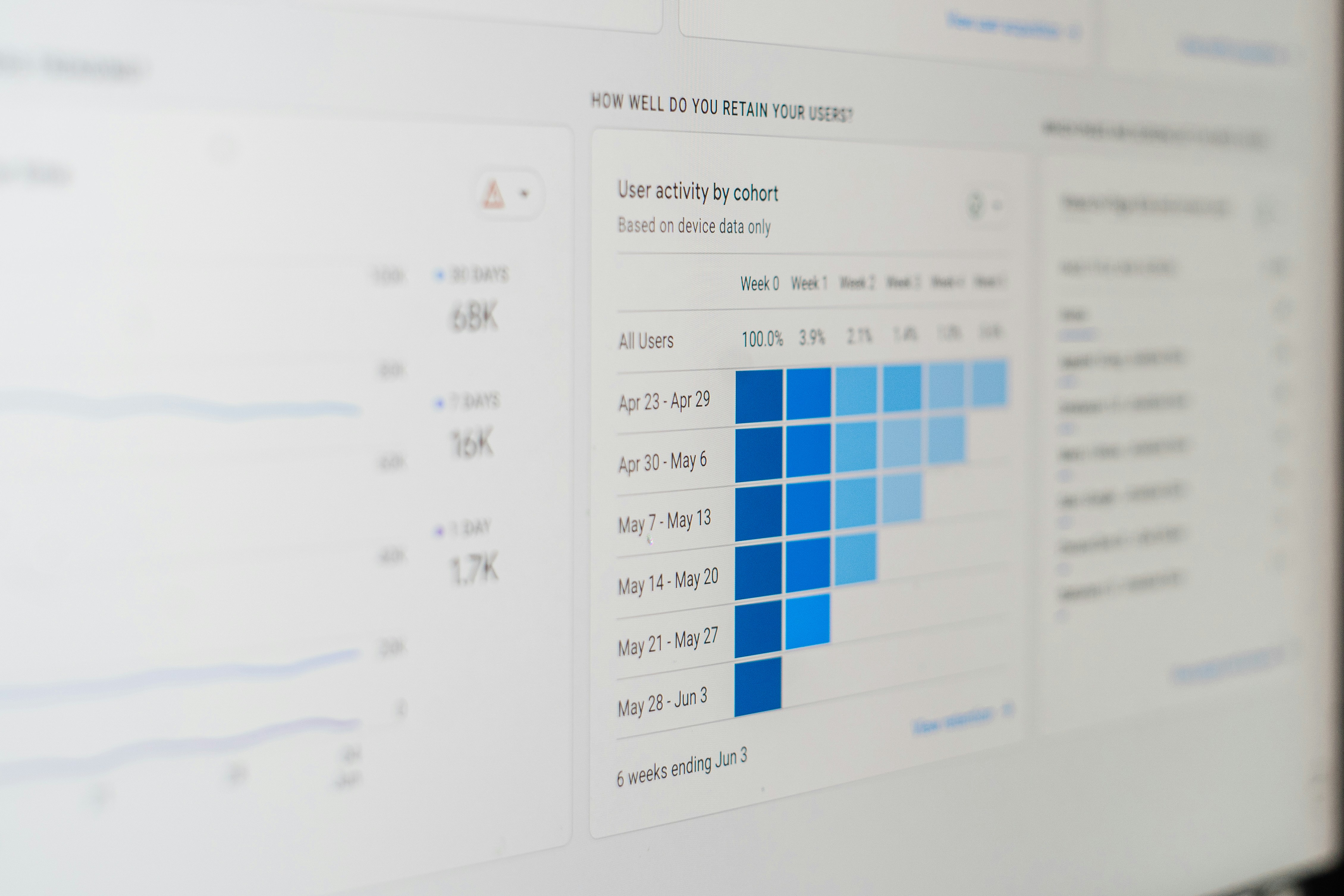
Introduction to Looker Studio
Looker Studio is an advanced data visualization and reporting platform that provides users with the ability to transform raw data into insightful and interactive reports. As businesses increasingly rely on data-driven decision-making, tools like Looker Studio become indispensable for translating complex datasets into clear visual formats. This platform allows users, ranging from beginners to experienced analysts, to create customized reports, dashboards, and data visualizations that cater to specific business needs.
One of the fundamental features of Looker Studio is its intuitive interface, which facilitates the easy creation of visually appealing reports. Users can easily navigate through its various components, customize visual elements, and interact with data in real-time. Moreover, Looker Studio supports a wide range of data sources, allowing integration with popular databases and cloud services. This interoperability ensures that users have access to the most relevant data, enabling them to make informed decisions efficiently.
Another noteworthy aspect of Looker Studio is its robust sharing and collaboration features. Users can seamlessly share reports with team members or stakeholders, ensuring that everyone has access to pertinent information. The platform also supports real-time collaboration, allowing multiple users to edit and analyze data simultaneously, further enhancing teamwork and productivity.
In addition, Looker Studio employs advanced analytics capabilities, enabling users to perform sophisticated data analysis without needing extensive technical expertise. The platform provides essential features such as data blending, filtering, and aggregation, allowing users to extract valuable insights from their datasets.
For those looking to delve deeper into the capabilities of Looker Studio and explore additional resources for reporting, please visit our comprehensive Looker Studio reporting resource. This will serve as a useful guide as we proceed into the top Looker Studio tips and tricks that can enhance your data visualization experience.
Understanding Data Sources in Looker Studio
Looker Studio offers a robust environment for data visualization and analysis, highly dependent on the quality and organization of data sources. Understanding how to connect to various data types forms the bedrock of effective data management within this platform. Looker Studio allows connections to a diverse range of data sources including but not limited to databases, spreadsheets, and cloud data warehouses. This flexibility ensures that users can leverage their existing data assets efficiently.
When connecting to data, it is crucial to consider not just the type of source but also the quality of the data it houses. High-quality data is more reliable and yields more accurate insights. By ensuring that the connected data sources are clean and well-structured, users will significantly improve the quality of the analysis performed within Looker Studio. It’s advisable to implement quality checks on the data before importing it into the platform. These checks might include validating data formats, checking for duplicates, and ensuring completeness.
Once the connections are made, organizing and managing these data sources effectively becomes paramount. Users can take advantage of Looker Studio’s organizational features, such as naming conventions and folder structures, to maintain clarity. It is recommended to categorize data sources based on their purpose or project relevance. This method not only streamlines the workflow but also enhances collaboration among teams working with Looker Studio. Additionally, regularly reviewing and updating the data sources ensures that users are working with the most relevant data available, thus maximizing the output of their visualizations and analyses.
Creating Effective Dashboards
Designing an effective dashboard is crucial for utilizing Looker Studio to its fullest potential. A well-constructed dashboard not only conveys data compellingly but also enhances user experience and accessibility. To achieve this, several best practices should be observed, including layout considerations, color schemes, and the appropriate use of various charts and graphs.
When considering the layout, aim for a clear and logical arrangement of information that guides the user’s eye seamlessly through the dashboard. Group related metrics and visual elements together to create a narrative flow. Utilizing a grid structure can help maintain alignment and balance, making the dashboard easier to navigate. It is also advisable to prioritize key information. Place important data points at the top or in prominent positions to ensure users can quickly grasp the dashboard’s primary insights.
Color schemes play a significant role in effective dashboard design. Selecting a cohesive color palette enhances visual appeal while avoiding overwhelming users with distracting hues. Utilize contrasting colors selectively to highlight critical information, such as key performance indicators or alerts. Furthermore, ensure that the colors chosen are accessible to all users, including those with color blindness. This consideration promotes inclusivity and ensures that all users can accurately interpret data.
The choice of charts and graphs is equally vital. Different types of visualizations serve distinct purposes; therefore, selecting the appropriate format for the data presented is essential. For example, bar charts work well for comparing values, while line graphs are better suited for trends over time. It is advisable to avoid cluttered visuals, opting instead for simplicity and clarity. Unnecessary embellishments can distract from the data, diminishing its impact.
By adhering to these Looker Studio tips and tricks, one can create dashboards that are not only visually pleasing but also functional, enhancing the overall data analysis experience for both beginners and seasoned users.
Customizing Reports with Filters and Controls
In Looker Studio, enhancing report interactivity is crucial for improving user experience and data comprehension. By utilizing filters and controls, report creators can provide audiences with the ability to customize their viewing experience, thus making the data more relevant to individual needs. This process begins with understanding the various types of filters available and how to implement them effectively.
Looker Studio offers several filters, including date ranges, metric-based selections, and categorical filters. To add these filters to your report, users can navigate to the “Add a filter” option in the data panel, allowing for seamless integration into existing charts and tables. By enabling users to filter data dynamically, you empower them to explore the underlying trends and insights that matter most to their interests.
Moreover, dropdown controls are a powerful tool for enhancing interactivity. These controls allow users to select specific values or ranges from predefined options, effectively narrowing down the data displayed in real-time. To implement a dropdown control, you can drag and drop the “Filter Control” from the component panel, linking it to the corresponding data source. This method facilitates an intuitive exploration of the data while maintaining a clean and organized reporting layout.
The advantages of utilizing filters and controls extend beyond mere usability; they also enhance data storytelling within Looker Studio. By providing customized views, users are more likely to engage with the information presented, fostering a deeper understanding of the data at hand. This approach not only increases satisfaction but also encourages informed decision-making based on filtered insights. Thus, embracing filters and controls in your reports is among the top Looker Studio tips and tricks for both beginners and seasoned professionals alike.
Utilizing Advanced Features: Calculated Fields and Blending Data
In the realm of Looker Studio, mastery of advanced features such as calculated fields and data blending can significantly enhance your reporting capabilities. Calculated fields allow users to create new data dimensions and metrics derived from existing fields. This capability is particularly useful for generating specific insights tailored to unique analytic needs. By employing functions like SUM, AVG, or custom formulas, you can derive meaningful KPIs that reflect the performance metrics most relevant to your objectives.
For instance, if you want to analyze revenue by category yet lack this specific metric in your dataset, you can create a calculated field that multiplies quantity sold by price per unit. This approach not only saves time but also provides a customized avenue for data exploration. Ensuring that your calculated fields are well-named and documented is crucial for maintaining clarity, especially when collaborating within teams.
Data blending is another indispensable feature that allows users to combine data from different sources, creating a unified view for more insightful analyses. This is particularly beneficial when you wish to compare related metrics that exist in separate datasets. By leveraging this feature, you can enrich your reports, giving you the ability to uncover relationships and trends that are not easily visible when data is analyzed in isolation. For example, blending website traffic data with conversion statistics can yield invaluable insights into user behavior, ultimately aiding in informed decision-making.
As you explore these advanced functionalities, keep in mind that careful planning and strategic implementation are key to maximizing the benefits of Looker Studio. The thoughtful application of calculated fields and data blending will elevate the quality of your reports and enable you to derive deeper insights, enhancing your overall analytical prowess.
Best Practices for Data Visualization
Data visualization is a critical component in transforming raw data into meaningful insights. Implementing best practices in this area ensures that information is communicated effectively and avoid common pitfalls that can obscure understanding. One of the foremost principles of effective data visualization is to select the right type of chart. Different data types require different visual representations; for instance, use bar charts for categorical data, line charts for continuous data trends, and pie charts for illustrating parts of a whole. Each chart type has its own strengths and flaws, and understanding these nuances is vital for effective communication through visuals.
In addition to choosing appropriate chart types, simplicity is key. Overly complicated designs can distract from the message. It is advisable to maintain a clean layout, utilizing white space to enhance clarity. Unnecessary embellishments, such as excessive colors or intricate patterns, should be minimized as they can confuse viewers and dilute the intended message. When it comes to color, select a palette that is accessible and distinct, ensuring that it assists in differentiating elements rather than overwhelming the viewer.
Labels and legends are crucial in ensuring that data is easily interpretable. Clearly labeling axes, providing context for charts, and using annotations when necessary can greatly enhance understanding. Furthermore, consistently applying these elements across your visualizations increases familiarity and aids comprehension. As you explore various looker studio tips and tricks, remember that engaging your audience is as important as presenting accurate data. By focusing on clarity and coherence, you create visualizations that not only inform but also captivate your audience.
By adhering to these best practices, one can avoid common pitfalls while enhancing communication through data visualization. Each decision made in the design process—from chart selection to color choice—can significantly impact how information is received and understood, emphasizing the importance of thoughtful design principles in the realm of data visualization.
Sharing and Collaboration in Looker Studio
Sharing and collaboration are essential features within Looker Studio, enabling users to disseminate insights and work together effectively. When creating a report or dashboard, users can easily share their creations with team members, stakeholders, or external parties. The platform provides multiple sharing options, allowing for tailored access and collaborative efforts that enhance productivity.
One primary method is the ability to share via a secure link. Users can generate a shareable link that can be distributed to selected individuals or groups. This link can be configured to display the report in view-only mode or allow for editing, depending on the user’s intent and requirements. Additionally, Looker Studio allows users to share reports directly through email, ensuring convenient access for recipients.
Permissions settings play a crucial role in managing collaboration within Looker Studio. Users can determine who can view, comment, or edit shared reports, thereby controlling the extent of engagement. For example, by setting user permissions to “can view,” the original creator can prevent unauthorized modifications while still facilitating feedback through comments. On the other hand, providing “can edit” permissions can foster teamwork, enabling colleagues to contribute directly to the analysis and visualization processes.
For efficient collaborative editing, it is advisable to establish clear guidelines that outline how team members should provide feedback and suggestions. Utilizing features such as comment threads helps maintain organized discussions around specific elements of the report. Furthermore, integrating version control ensures that changes are tracked, allowing contributors to refer back to previous iterations if needed.
In conclusion, effectively leveraging Looker Studio tips and tricks related to sharing and collaboration can significantly enhance team dynamics and report quality. By understanding the various sharing options, managing permissions, and encouraging structured feedback, teams can optimize their workflows and achieve greater insights collectively.
Integrating Looker Studio with Other Tools
Looker Studio is a powerful data visualization platform that offers extensive integration capabilities with various tools, enhancing its overall functionality and reporting capabilities. One of the most notable integrations is with Google Analytics, which allows users to incorporate web analytics data directly into their reports. This integration not only streamlines workflows but also enables users to identify and analyze key performance indicators (KPIs) from their digital marketing efforts seamlessly.
Another significant tool that integrates well with Looker Studio is Google Ads. By linking Google Ads to Looker Studio, marketers gain access to advanced reporting features that enable them to visualize advertising performance in real-time. This integration helps users monitor ad spend, click-through rates, and conversions more effectively, facilitating data-driven decision-making. Additionally, users can easily create customized dashboards that display both marketing metrics and website analytics, leading to a more holistic understanding of campaign performance.
Beyond Google products, Looker Studio can also connect to numerous third-party marketing tools such as HubSpot, Salesforce, and Mailchimp. These integrations allow users to pull in data from customer relationship management (CRM) systems or email marketing platforms, creating an aggregated view of customer interactions across multiple channels. By consolidating data from various sources, users can pinpoint trends, generate insights, and produce comprehensive reports that inform strategic business decisions.
For those looking to improve their data visualization experience, exploring the potential of these integrations is essential. Utilizing Looker Studio tips and tricks for integrating other tools can significantly enhance reporting capabilities, helping users to better communicate data-driven insights across their organizations. Embracing such integrations ultimately fosters a more efficient workflow, empowering both beginners and experienced users to maximize the platform’s potential.
Conclusion and Further Resources
In this article, we have explored a comprehensive range of Looker Studio tips and tricks tailored for both beginners and advanced users. The insights discussed aim to enhance your proficiency in using Looker Studio effectively for data analysis and visualization. By applying these strategies, users can optimize their workflow, enhance their reports, and derive more meaningful insights from their data.
Throughout this blog post, we have emphasized the importance of understanding foundational components of Looker Studio, including the creation of custom reports, the use of filters, and the implementation of data blends. These skills not only streamline the reporting process but also empower users to present data in a clearer and more impactful manner. The tips provided here will help you scale your data analysis projects and drive informed decision-making within your organization.
For ongoing learning, we encourage readers to explore additional resources available on our blog. Our blog contains a plethora of articles that delve deeper into specific functionalities of Looker Studio, providing practical guides, updates, and user perspectives. Moreover, for personalized assistance or inquiries, please visit our contact page where you can reach out for support. Engaging with these resources will foster a better understanding of Looker Studio and keep you updated on the latest features and enhancements.
In conclusion, the journey towards mastering Looker Studio is continuous, and utilizing these tips and tricks will significantly contribute to your development. We hope this article serves as a valuable starting point in your exploration of Looker Studio, encouraging you to implement these strategies and seek further knowledge to maximize your analytical capabilities.