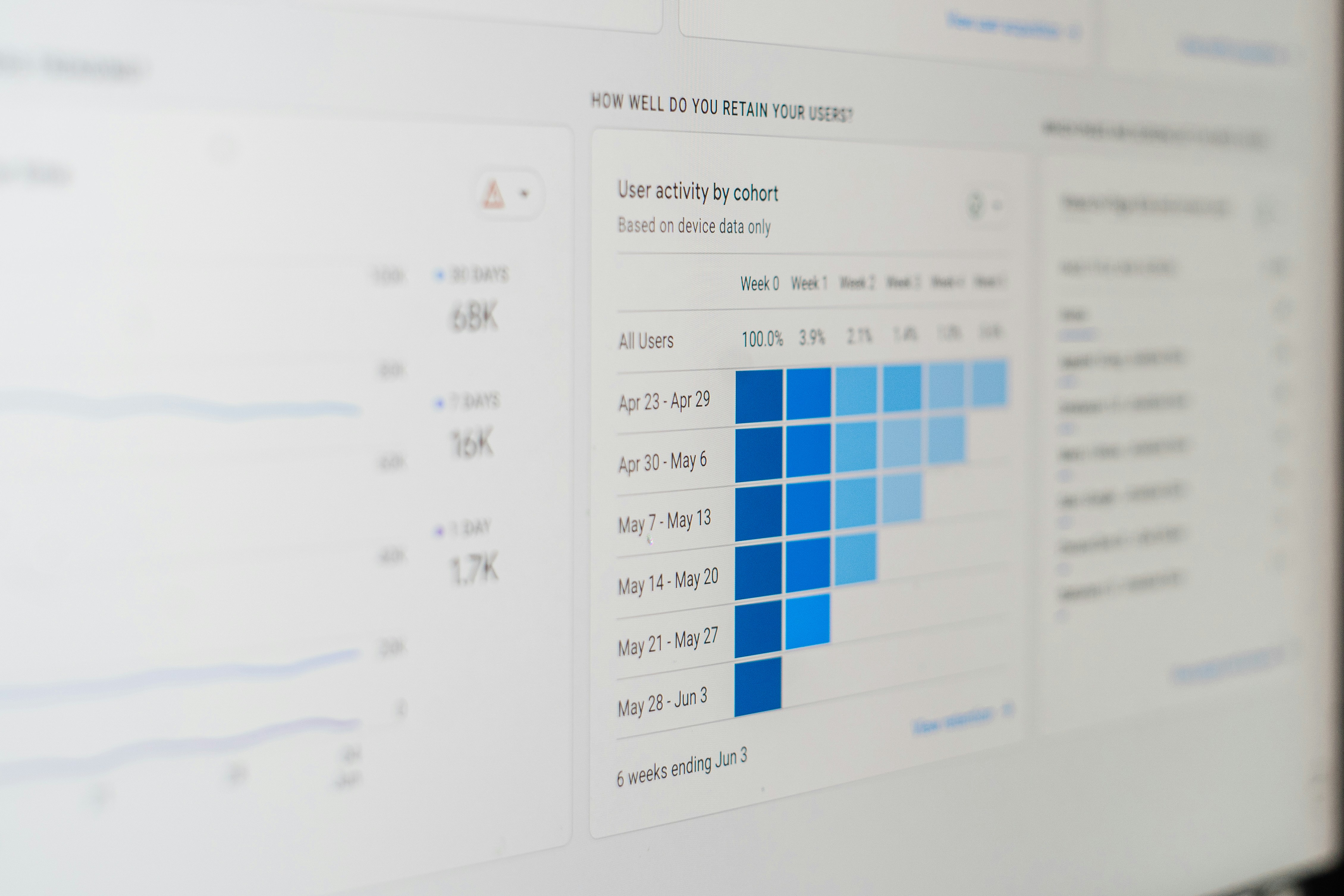
Introduction to Looker Studio and CallRail
In today’s data-driven environment, effective reporting and analytics tools are crucial for businesses aiming to enhance their communication strategies. Looker Studio, formerly known as Google Data Studio, is a powerful data visualization tool that enables organizations to transform their data into comprehensive reports and dashboards. It allows users to connect various data sources, including spreadsheets and databases, create interactive reports, and share insights seamlessly with team members and stakeholders. Utilizing Looker Studio fosters a culture of data literacy within organizations, empowering users to make well-informed decisions based on real-time information.
On the other hand, CallRail is a leading call tracking and analytics platform designed to optimize the view of inbound calls and overall marketing effectiveness. By providing businesses with call attribution data, CallRail allows for a granular analysis of how each marketing channel influences customer interactions. Features such as call recording, keyword tracking, and dynamic numbers enable companies to understand the customer journey better and refine their marketing approaches accordingly. This sophisticated level of call tracking is essential for businesses that rely on telecommunication as a crucial touchpoint in their customer engagement strategy.
The synergy between Looker Studio and CallRail can lead to insightful reporting that not only addresses past communication performance but also informs future strategies. By integrating CallRail’s call data within Looker Studio, businesses can create compelling reports that juxtapose call metrics with other key performance indicators. This integration provides a holistic perspective on marketing effectiveness and helps in identifying trends and areas for improvement. With both tools working in tandem, organizations can derive actionable insights that drive enhanced customer communication and optimization of resources.
Understanding the Importance of Call Summary Reports
Call summary reports serve as an essential tool for businesses seeking to optimize their communication strategies and enhance overall performance. These reports provide a detailed overview of the call activity within a specified timeframe, allowing organizations to analyze significant metrics such as call volume, duration, and outcomes. By collecting and examining this data, businesses can gain valuable insights into customer behavior and preferences, which are critical in informing strategic decision-making.
One of the primary benefits of call summary reports is their ability to identify trends and patterns in customer interactions. By examining these trends, businesses can better understand their customers’ needs and preferences, ultimately leading to improved customer service. For instance, if a report reveals a spike in calls related to a specific product or service, it may indicate a demand for additional resources or changes in marketing strategy. Consequently, organizations can make informed adjustments that align with customer expectations, fostering satisfaction and loyalty.
Furthermore, call summary reports play a crucial role in refining marketing strategies. By analyzing metrics such as the source of calls, businesses can evaluate the effectiveness of different marketing channels. This data allows organizations to allocate resources more efficiently, directing efforts toward strategies that yield higher engagement and conversions. Consequently, companies can not only enhance their marketing ROI but also tailor campaigns that resonate more profoundly with their target audience.
In addition, these reports can be instrumental in workforce management. By understanding peak call times and customer behaviors, businesses can effectively schedule staff and optimize operational efficiency. This approach ensures that customer inquiries are addressed promptly, further enhancing the customer experience. Overall, call summary reports are vital for driving performance in various facets of a business, from customer service to marketing and operational efficiency.
Setting Up Looker Studio for CallRail Data Visualization
To effectively visualize CallRail data using Looker Studio, it is essential to follow a structured setup process. The first step is to access Looker Studio and create a new project. Once logged in, select the option to create a report, which will take you to the report editing interface. Here, you will come across an option labeled “Add Data” that allows you to connect various data sources.
The next critical step is integrating CallRail with Looker Studio. To do this, one needs to establish a connection between the two platforms. Begin by selecting the CallRail connector available in Looker Studio. If you do not find it immediately, you may need to search for it in the connectors list. Once selected, you will be prompted to enter your CallRail account credentials to authorize the connection. Ensure that you provide the necessary permissions for Looker Studio to access your CallRail data.
After successfully connecting, you can now create a data source that effectively recognizes and organizes your call metrics. Click on “Create Data Source” and select the connected CallRail account. Looker Studio will then present a field list containing various data points such as call duration, caller ID, and source attribution. You can select the relevant fields that you want to include in your report. It is wise to focus on metrics that align with your analysis goals, as well as those that will provide insights into call performance and customer engagement.
Finally, after configuring your data source, click “Add to Report.” This step will import your selected metrics into the Looker Studio environment, making it possible to create visual representations of your CallRail data. From here, you can customize your visuals, choosing from options such as charts and graphs, which will aid in presenting your call data effectively.
Key Metrics to Include in CallRail Summary Reports
When creating a comprehensive summary report in CallRail, it is crucial to incorporate key performance indicators (KPIs) that provide valuable insights into communication effectiveness. These metrics not only facilitate the analysis of call data but also inform strategic decision-making to enhance customer engagement and service delivery.
One primary metric to consider is total call volume, which reflects the number of incoming calls over a specific period. This figure helps businesses understand customer demand and assess the performance of various marketing channels driving these calls. Tracking total call volume enables organizations to identify trends and peak times, informing staffing and operational adjustments.
Another essential KPI is the average call duration. This metric indicates the typical length of calls, providing insights into the quality of interactions between representatives and customers. Longer call durations may suggest effective engagements, while notably short calls can highlight challenges in addressing customer inquiries. Organizations need to analyze average call duration in conjunction with customer satisfaction levels to gain a complete picture of communication effectiveness.
Missed calls are another critical metric that should not be overlooked. A high number of missed calls may signal service inadequacies or resource limitations. Tracking missed calls allows businesses to implement strategies to improve customer connection rates, such as optimizing staffing levels during peak times or leveraging automated response systems.
Lastly, conversion rates provide insights into how effectively calls are being transformed into leads or sales. This KPI evaluates the success of call handling and follow-up processes, indicating the overall performance of marketing efforts. Monitoring conversion rates alongside other metrics creates a more comprehensive understanding of communication efficacy.
By including these key metrics—total call volume, average call duration, missed calls, and conversion rates—CallRail summary reports can offer a holistic view of performance, ultimately guiding organizations towards improved customer interactions.
Designing Your Call Summary Report in Looker Studio
Creating an effective Call Summary Report in Looker Studio involves a thoughtful approach to design, ensuring that the data presented is both accessible and visually appealing. The first step in this process is the careful selection of templates. Looker Studio offers a variety of pre-designed templates tailored for different reporting needs. Opting for a template that aligns with your reporting goals not only saves time but also enhances the overall coherence of the report.
Once a template has been chosen, focus on data visualization techniques that best represent the call data collected through CallRail. Utilizing charts, graphs, and tables can significantly aid in illustrating trends and patterns. For instance, implementing pie charts to depict the distribution of call sources or bar graphs to showcase call volumes by different days of the week provides a clear visual narrative, which can be more engaging than raw data alone. By incorporating visual elements, it becomes easier for stakeholders to derive meaningful insights from the data represented.
In addition to template selection and visualization, best practices for layout must be prioritized. A well-structured report should follow a logical flow, presenting the most important information prominently, while less critical details can be positioned in supplementary sections. Use headings and subheadings to segment information, making it easier for readers to navigate the report. Adequate use of whitespace is also essential; it creates a visually appealing environment that allows readers to focus on the key aspects of the data presented. Consistency in fonts, colors, and visual elements further enhances the professional appearance of your summary report. These practices collectively help ensure that your Call Summary Report is not only informative but also compelling and easy to interpret.
Customizing Reports for Targeted Insights
In the pursuit of improved business performance, customizing reports in Looker Studio using CallRail data is an essential strategy. By leveraging filters, segments, and additional data points, businesses can tailor their summary reports to gain meaningful insights that align with their unique objectives. Filters allow users to drill down into specific data sets, isolating calls based on various attributes such as source, duration, and outcome. This granularity helps businesses understand which channels are driving calls and how those interactions are managed.
Segments play a complementary role by enabling the analysis of distinct groups within the dataset. For instance, a business might segment calls based on customer demographics or geographic data. This approach allows for targeted insights, such as determining the effectiveness of marketing efforts among different demographics or evaluating the responsiveness of varying regions. Business leaders can identify trends that may not be apparent when examining the overall data, ultimately leading to more informed decision-making processes.
Additionally, integrating supplementary data points further enriches the report’s insights. Incorporating qualitative data, such as call recordings or customer satisfaction ratings, provides context to the quantitative analysis. By examining this broader spectrum of information, companies can uncover underlying issues or opportunities that could impact customer engagement and conversion rates. Furthermore, by continuously refining the customization of reports based on evolving business needs, organizations can stay agile and responsive to market changes.
By focusing on tailored reporting, companies using Looker Studio with CallRail can develop a deeper understanding of their call data, driving strategies that enhance customer interaction and support business growth. This methodology not only improves the precision of insights gained but also ensures that the reports remain relevant and actionable for decision-makers.
Automating Call Reports Generation
Automating the generation of summary reports for CallRail within Looker Studio can significantly enhance the efficiency of your reporting processes. By leveraging automation, you can ensure that valuable data insights are consistently generated and shared with relevant stakeholders without requiring manual intervention. This level of automation not only saves time but also minimizes the risk of human error in data reporting.
To begin the automation process, Looker Studio allows users to schedule report runs at specific intervals. This feature can be utilized to generate daily, weekly, or monthly summaries based on the volume of call data you receive. Setting up a schedule is straightforward. Navigate to the report you wish to automate, select the “Schedule” option, and specify the desired frequency. This functionality enables timely access to critical insights regarding call traffic trends, customer interactions, and overall performance metrics.
In conjunction with scheduling, Looker Studio also offers the ability to send automated updates to key stakeholders. Once the report is generated, you can configure the platform to email summaries to designated individuals or groups, ensuring they are always in the loop regarding the latest call analytics. This feature is particularly useful for team members who might not regularly access Looker Studio but require updates on key performance indicators (KPIs).
Moreover, by implementing filters and parameters within your automated reports, you can tailor the data to specific audience needs. For instance, a sales manager may benefit from insights focused on revenue-generating calls, while a customer service lead might prefer metrics on call resolution rates. This customization not only enhances the relevance of the reports but also drives better decision-making across departments. Leveraging automation will facilitate a more streamlined approach to data reporting, allowing organizations to focus on strategic initiatives instead of time-consuming manual reporting tasks.
Analyzing and Interpreting Your Summary Report
Once your CallRail summary report is generated in Looker Studio, a systematic approach to analyzing and interpreting the data becomes essential. The first step is to familiarize yourself with the various segments of your report. These typically include metrics such as call volume, source attribution, call durations, and conversion rates. Understanding these key performance indicators (KPIs) will provide a solid foundation for subsequent analyses.
Next, examining trends over time can reveal vital insights. For instance, increased call volume during specific periods may indicate a successful marketing campaign or seasonal variations in customer inquiries. Utilizing visual aids such as graphs and charts can help to discern these trends more readily. Moreover, comparing performance across different channels — for example, organic search versus paid advertising — can pinpoint effective strategies, guiding future marketing efforts.
Identifying areas for improvement is equally critical. Analyze metrics like call abandonment rates or average handling times to unearth potential bottlenecks in your customer service processes. High abandonment rates might suggest that customer queries are not being adequately addressed, highlighting the need for additional staff training or improved call management systems.
Actionable insights derived from your CallRail summary report are central to enhancing your business strategies. For instance, if a majority of calls originate from a specific advertising channel, consider increasing your investment in that area to capitalize on the apparent effectiveness. Alternatively, if certain keywords yield high call volumes but low conversion rates, it might be worth revising your targeting strategy or examining your sales pitch for improvements.
Through careful analysis and interpretation of your CallRail summary report, you can derive valuable insights that drive decision-making and enhance overall performance.
Best Practices for Reporting and Continuous Improvement
Creating an effective CallRail summary report involves understanding the significance of both best practices and the need for ongoing development. Reporting should not be considered a one-time task but rather an evolving process that reflects the dynamic nature of business needs. By adhering to certain best practices, organizations can ensure that their CallRail reports provide meaningful insights and facilitate informed decision-making.
One key practice is to regularly revisit the design of these reports. This includes understanding the end-users’ needs and keeping the data presented relevant and actionable. As organizations evolve, so do their objectives and metrics. Therefore, it is essential to reevaluate the metrics included in the report periodically. Ensuring that the chosen metrics align with current business goals will improve the relevance of the report and make it more useful for stakeholders.
Another notable practice is to encourage feedback from users who interact with the CallRail summary reports. This feedback is an invaluable part of the reporting cycle, as it highlights areas for improvement and can lead to modifications that enhance the report’s effectiveness. Engaging in constructive dialogue with stakeholders fosters a collaborative environment that prioritizes the value derived from the report.
Moreover, deploying an iterative approach to reporting allows organizations to refine their processes continuously. By adopting a mindset geared towards assessment and enhancement, businesses can implement changes that drive better clarity and effectiveness in their reports. Establishing key performance indicators (KPIs) for the reporting process can further aid in assessing its performance over time.
In support of these best practices, organizations can derive greater value from their CallRail summary reports. Emphasizing a commitment to continuous improvement not only enriches the reporting framework but also ensures that the analysis remains aligned with evolving business strategies.