Introduction to CallRail and Looker Studio
In today’s data-driven environment, businesses rely heavily on analytics to measure performance and enhance their strategies. Two prominent tools that aid in this endeavor are CallRail and Looker Studio. CallRail is a leading call tracking and analytics platform that captures key data from incoming phone calls. This tool provides businesses with essential insights into customer interactions, attribution of marketing campaigns, and detailed performance metrics based on call volume. By understanding the origin and impact of phone calls, organizations can optimize their marketing efforts, improve customer service, and ultimately drive growth.
On the other hand, Looker Studio, formerly known as Google Data Studio, is a powerful business intelligence tool designed to transform raw data into interactive dashboards and visual reports. It allows users to create customizable reports with various data sources, enabling easier data visualization and interpretation. With its ability to integrate data from numerous platforms, Looker Studio empowers decision-makers to derive actionable insights and improve operational efficiency.
The integration of CallRail with Looker Studio is paramount for businesses aiming to enhance their reporting capabilities. By harnessing the strengths of CallRail’s call tracking together with Looker Studio’s visual reporting functionalities, organizations can achieve a comprehensive understanding of customer behavior and marketing effectiveness. This integration facilitates the visualization of call analytics alongside other crucial business metrics, thus enabling stakeholders to perceive patterns and trends that may not be apparent when analyzing data in isolation.
The significance of this integrated approach cannot be understated, particularly in marketing and customer service sectors where timely and accurate data is essential for strategic initiatives. As businesses seek to refine their customer engagement strategies and invest in evidence-based marketing, the role of integrated tools like CallRail and Looker Studio becomes increasingly critical.
Understanding the CallRail Calls Summary API
The CallRail Calls Summary API is a sophisticated tool designed to assist businesses in tracking and analyzing their phone call data effectively. This application programming interface (API) enables users to access a broad range of call-related information, thereby enhancing their ability to make informed decisions based on call analytics. At its core, the API collects data from incoming and outgoing calls made through CallRail, providing insights that are crucial for marketing strategies and operational efficiency.
One of the primary functionalities of the CallRail Calls Summary API is its ability to aggregate data related to call duration, call source, and caller location. This comprehensive data collection is essential for businesses looking to evaluate the effectiveness of different marketing channels. By analyzing call volume and duration, companies can determine which campaigns generate the most engagement, allowing them to allocate resources more effectively. Furthermore, the API also offers details such as the call status (answered, missed, or voicemail), which helps in assessing customer interaction rates.
The types of information provided by the CallRail Calls Summary API include various metrics that reflect call performance. These metrics can vary from simple data points, like the total number of calls received, to more complex analytics such as call attribution, which links calls to specific marketing efforts. This level of granularity enables businesses to dive deeper into their performance analytics, providing actionable insights that can drive improvements in both sales and customer service.
Incorporating the CallRail Calls Summary API into existing reporting tools, such as Looker Studio, empowers organizations to enhance their tracking and analytics capabilities significantly. With increased visibility into call performance, businesses can make data-driven decisions, ultimately leading to improved customer satisfaction and revenue growth.
Setting Up Looker Studio for CallRail Integration
To begin the integration of CallRail with Looker Studio, it is essential to first ensure that all necessary configurations are correctly set up within Looker Studio. The initial step is to log into your Looker Studio account, and verify that you have the appropriate permissions to create new data sources. Without the right permissions, you may face challenges while attempting to connect Looker Studio with the CallRail Calls Summary API.
Next, users must create a new data source specifically for CallRail. To do this, navigate to the “Data Sources” section within Looker Studio and select “Create New Data Source.” From the list of available connectors, search for the “CallRail” option. If it does not appear, you may need to install the CallRail connector, which can typically be found in the Looker Studio connector gallery. Follow the prompts to add it to your available connections.
Once you have successfully added the CallRail connector, you will be prompted to authenticate your CallRail account. This step is crucial, as it allows Looker Studio to access your CallRail data securely. Enter your CallRail API key, which can be obtained from your CallRail account settings. Be attentive to entering the correct API information to avoid connection issues later on.
After authentication, you can start selecting the specific data fields you wish to include in your Looker Studio reports. This might involve defining metrics, dimensions, and any filters necessary for your reporting needs. Additionally, it’s advisable to test the connection following the setup to ensure that data flows correctly from CallRail to Looker Studio without any errors.
By following these steps and ensuring that all configurations are in place, you will successfully set up your Looker Studio instance for integrating with the CallRail Calls Summary API, paving the way for effective reporting and analysis.
How to Access Data from CallRail through the API
Accessing call data from CallRail through its API involves several steps that enable users to efficiently retrieve and utilize valuable analytics. The first step is ensuring you have the necessary API access. This requires creating a CallRail account and obtaining an API key, which is essential for authentication when making requests to the API.
Once you have the API key, you can begin making API calls. CallRail’s API documentation provides detailed endpoints that correspond to various data types, such as call logs, recordings, and analytics. Using tools like Postman or programming libraries in languages such as Python or JavaScript simplifies making these calls. For instance, a typical GET request to retrieve call details would look like: GET https://api.callrail.com/v3/a/{account_id}/calls.json. Ensure you replace {account_id} with your specific account identifier.
Upon successfully executing a request, the API will respond with JSON data that encapsulates call details. This data often includes timestamps, duration, caller ID, and additional metadata. However, it is crucial to structure your code to handle this data properly, ensuring you parse the JSON response accurately to extract the needed information effectively.
While accessing data through the API is generally straightforward, there are common challenges that users may face. Rate limiting is a notable issue; CallRail imposes restrictions on the frequency of API calls, which can hinder data retrieval if not managed. Additionally, network issues might lead to timeouts or incomplete data transfers. To mitigate these challenges, implement robust error handling and establish a retry mechanism within your application.
In navigating these steps, proper planning and testing can significantly enhance the efficacy of your data access from CallRail, promoting accurate reporting and analytics.
Visualizing CallRail Data in Looker Studio
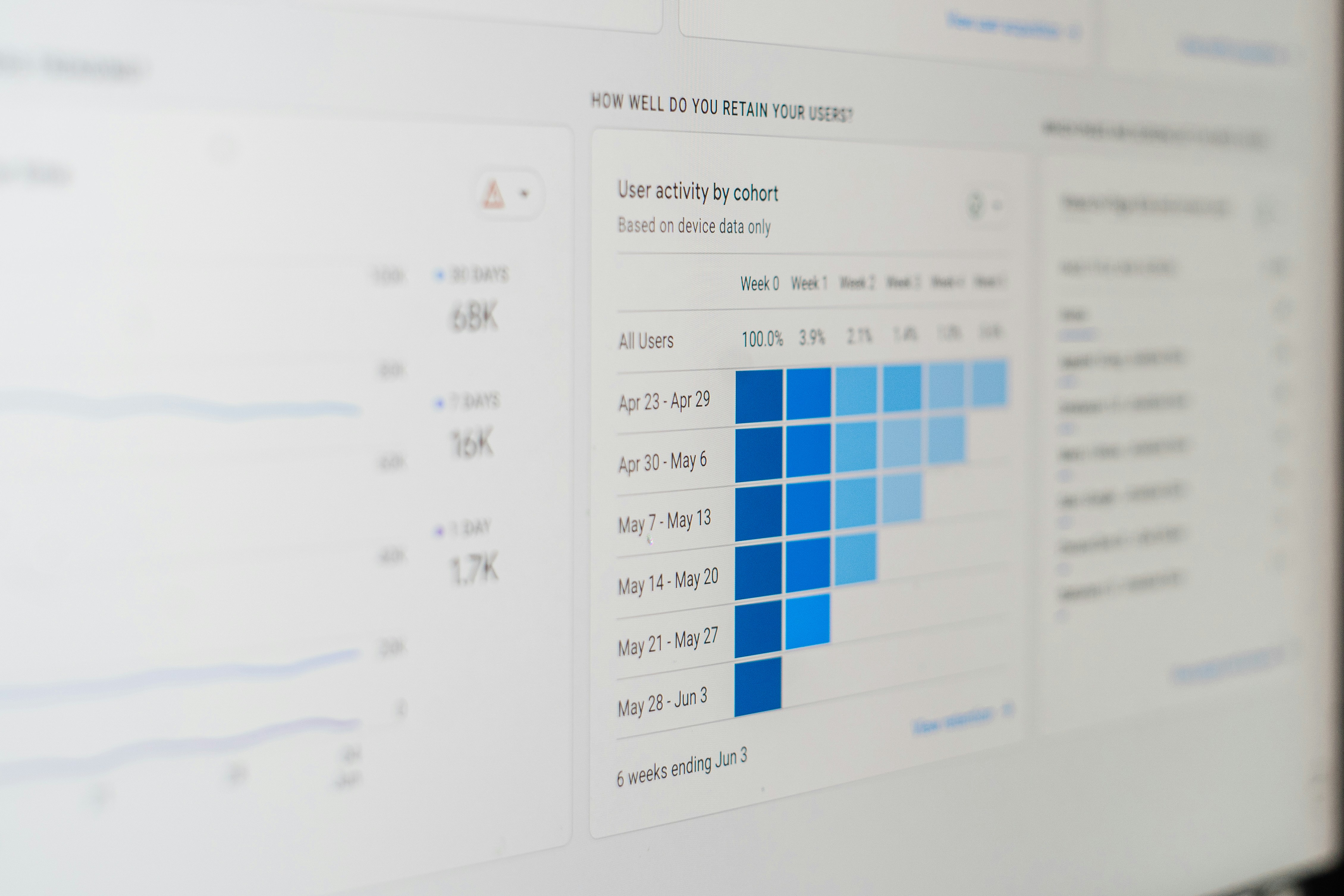
Effectively visualizing CallRail data in Looker Studio is essential for gaining valuable insights and making informed decisions. When integrating the two platforms, one must first ensure that the relevant call metrics are imported seamlessly from the CallRail Calls Summary API. These metrics may include call volume, call duration, source of the calls, and conversion rates. By understanding which metrics are most critical to the user’s objectives, one can create tailored visual representations to articulate findings efficiently.
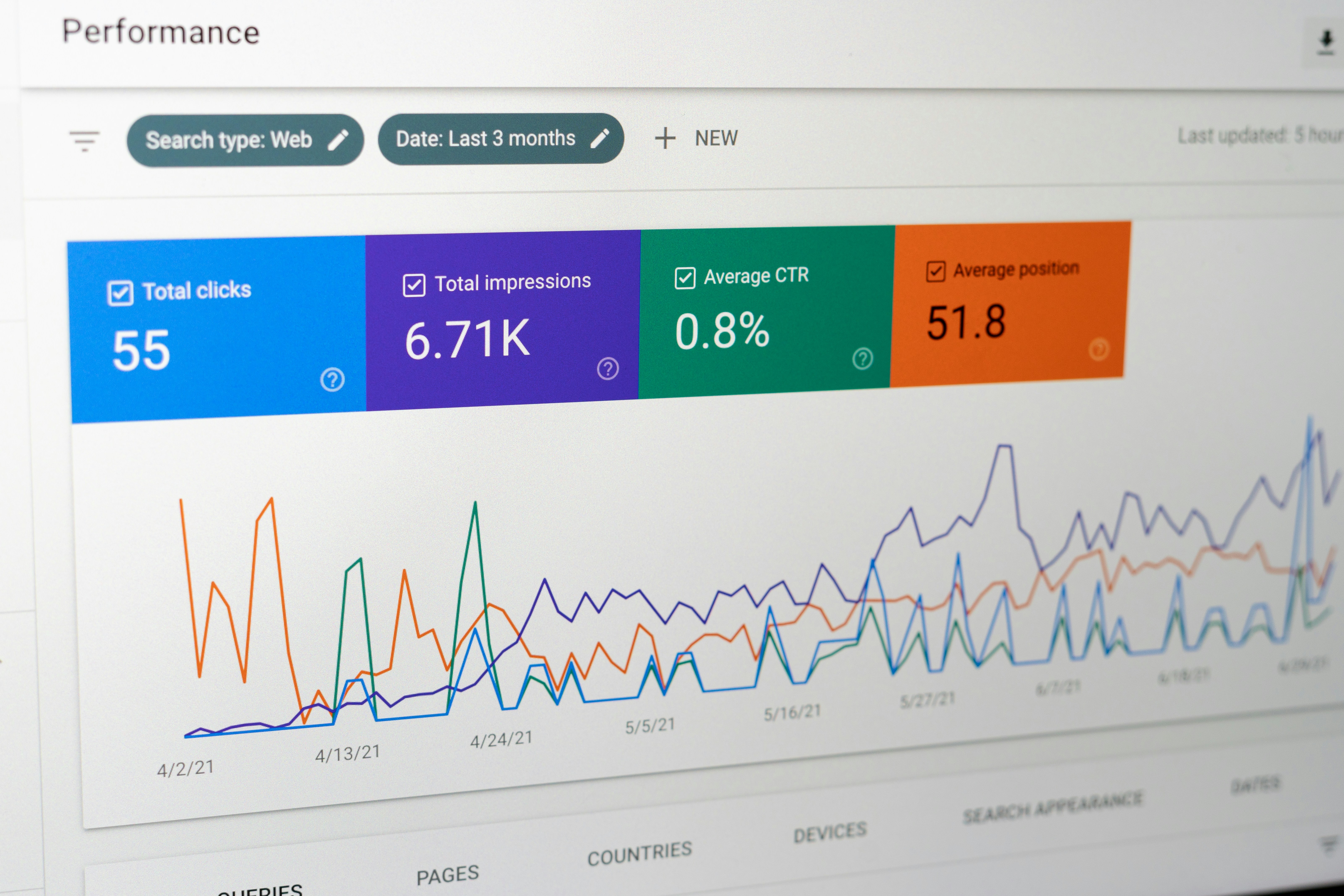
One effective visualization technique is the use of bar charts to compare call volumes across different time periods. For example, displaying the number of incoming calls by day of the week can reveal trends that are pivotal for staffing and resource allocation. Additionally, pie charts can be utilized to illustrate the percentage breakdown of call sources, providing a clear view of which marketing channels are driving phone inquiries.
Another impactful method is the implementation of line graphs for tracking call duration over time which aids in identifying patterns, such as peak hours or busy seasons. Incorporating filters within these visualizations allows users to drill down further into specific categories, such as filtering by campaign or location, increasing the usability of the dashboard.
Best practices for creating informative dashboards include maintaining simplicity and clarity in the design. Overcomplicating visual elements can diminish the viewer’s ability to extract meaningful insights from the data. Furthermore, leveraging annotations and tooltips can enhance user understanding, offering context for the displayed metrics. Regular updates to the dashboard are equally important, ensuring that the information reflects the most current data available from CallRail. By following these strategies, users can maximize the value of their CallRail data visualizations in Looker Studio.
Common Use Cases for CallRail and Looker Studio Integration
The integration of CallRail and Looker Studio presents numerous opportunities for businesses to enhance their reporting capabilities and drive data-driven decisions. Various industries can benefit from leveraging this synergy to improve their marketing insights and operational efficiency. A notable case study can be found within the healthcare sector, where a private clinic utilized the integration to track patient inquiries generated through marketing campaigns. By analyzing call data alongside their digital marketing performance in Looker Studio, the clinic identified the most lucrative lead sources, enabling more targeted advertising strategies that ultimately increased patient appointments by 30%.
In the retail industry, a prominent e-commerce company implemented the CallRail and Looker Studio integration to streamline its customer support process. By combining call tracking data with sales performance metrics, the business was able to discern the correlation between incoming calls and conversion rates. This analysis revealed that calls originating from specific marketing channels led to significantly higher sales, prompting the company to allocate more resources towards those channels. As a result, they not only improved their return on marketing investment but also enhanced overall customer satisfaction through timely and personalized support.
Moreover, the real estate sector has witnessed substantial advancements through this integration. Real estate agencies that track and report on lead generation could visualize the performance of different marketing strategies by consolidating CallRail data with their existing Looker Studio dashboards. This holistic view helped agents understand which advertising campaigns generated the most inquiries and conversions, ultimately optimizing their lead generation efforts and accelerating property sales.
Across various sectors, it is evident that integrating CallRail calls summary API with Looker Studio can significantly affect reporting clarity and effectiveness. Businesses that strategically harness this integration are well-positioned to enhance their decision-making processes and capture valuable insights into customer interactions.
Best Practices for Using the CallRail API with Looker Studio
When integrating the CallRail API with Looker Studio, it is essential to follow best practices that optimize the efficiency and effectiveness of your reporting. Proper data management is the foundation of a successful integration; therefore, it is crucial to establish a well-defined data management plan. Begin by clearly identifying the key metrics you aim to track, ensuring that these align with your business objectives. This practice will not only streamline data retrieval but also make it easier to interpret and analyze the results.
To optimize API call efficiency, consider implementing strategies such as batch processing and caching. Utilizing batch processing allows for the retrieval of multiple data points in a single API call, significantly reducing the number of calls made to the CallRail API. Additionally, caching previous API responses can help minimize repeated calls for frequently accessed data. This approach not only enhances performance but also reduces load on the API, helping maintain its responsiveness for real-time reporting needs.
Maintaining data integrity is vital when using the CallRail API to ensure accurate reporting in Looker Studio. Regularly review the data for discrepancies and employ validation checks during the data import process. It is also advantageous to establish a data governance framework that outlines procedures for data entry, updates, and usage. This framework will aid in preventing data corruption and ensure that reports reflect the most accurate information available. Moreover, involving all relevant stakeholders in the data management process fosters transparency and collaboration across teams, further enhancing data quality.
By following these best practices, organizations can successfully leverage the CallRail API in conjunction with Looker Studio, leading to more effective reporting and data-driven decision-making.
Exploring Additional Resources for Looker Studio and CallRail
To enhance your experience and understanding of Looker Studio and CallRail, utilizing additional resources can be immensely beneficial. Official documentation serves as an authoritative source for users seeking detailed information on the functionalities of both platforms. Looker Studio’s documentation explains its features, integrations, and best practices for data visualization, while CallRail offers extensive guides on leveraging its Call Summary API to track caller interactions effectively.
Tutorials are another invaluable resource for users aiming to delve deeper into these platforms. Many online courses and video tutorials provide step-by-step guidance on how to integrate CallRail’s Call Summary API with Looker Studio. These tutorials often showcase real-world applications, making it easier for users to grasp the intersection of these tools in reporting and data analysis.
In addition to documentation and tutorials, engaging with community forums and discussion groups can enhance learning and provide practical insights. Platforms such as Reddit and specialized forums for Looker Studio and CallRail users encourage sharing experiences, troubleshooting issues, and exchanging ideas. Joining these communities allows users to stay updated on the latest trends, solutions, and best practices from peers who are equally invested in maximizing the capabilities of both tools.
Furthermore, blogs and webinars hosted by industry experts can provide in-depth information on the nuances of integrating Looker Studio with CallRail. These resources often highlight new features and offer tips for optimizing reporting processes. Being proactive in exploring these additional resources fosters a continuous learning environment, ensuring that users are well-prepared to utilize the evolving functionalities of Looker Studio and CallRail effectively.
Conclusion: Maximizing Your Business Insights
Integrating CallRail’s Calls Summary API with Looker Studio presents a significant opportunity for businesses aiming to enhance their reporting capabilities. By leveraging these powerful tools, organizations not only streamline their call tracking data but also gain actionable insights that can drive informed decision-making. The integration allows for the visualization of key performance indicators related to call performance, ensuring that critical data is readily accessible and easily interpretable.
The ability to correlate call data with other business metrics in Looker Studio facilitates a comprehensive understanding of customer interactions and engagement. Businesses can effectively track conversion rates, assess marketing efforts, and identify areas for improvement within their operations. This holistic view drives strategic initiatives that are grounded in empirical evidence, enabling organizations to allocate resources more effectively and optimize processes.
Moreover, as businesses continue to feature customer-centric approaches, the insights derived from this integration can enhance customer experience strategies. By understanding the call metrics alongside other data sources, companies can tailor their services and responsiveness to meet client expectations more accurately. This capability ultimately leads to improved customer satisfaction and loyalty, which are critical components of long-term success.
It is imperative for businesses to embrace the integration of CallRail and Looker Studio, as it offers a streamlined approach to data analysis and reporting. As organizations assimilate these advanced analytics tools into their frameworks, they empower themselves to transition from reactive to proactive operational strategies. The knowledge gained from this post serves as a valuable resource for businesses seeking to enhance their analytical capabilities and drive superior performance through data-informed decisions.