Introduction to Looker Studio MyPoseo
Looker Studio MyPoseo is an innovative analytics tool designed to streamline the process of understanding ranking analytics in the realm of online marketing. As businesses increasingly rely on data-driven decisions, the importance of having an effective tool that provides insights into search engine rankings cannot be overstated. Looker Studio MyPoseo serves this purpose by offering a comprehensive analysis of how a website ranks across various search engines, thus, enabling marketers to refine their strategies and optimize their online presence.
This powerful platform integrates seamlessly with a diverse array of data sources, allowing users to consolidate various metrics and insights into a single interface. Such integration is crucial as it provides a holistic view of a website’s performance by combining metrics from multiple channels including Google Analytics, social media platforms, and other SEO tools. The capability to pull data from these sources enables businesses to track their ranking progress over time and adjust their marketing strategies accordingly based on real-time insights.
In essence, Looker Studio MyPoseo not only aids in tracking search engine rankings but also enhances the understanding of the various factors affecting those rankings. For instance, it allows users to analyze keyword performance, monitor competitors, and identify trends in user behavior. By employing these insights, organizations can develop focused SEO strategies that lead to improved visibility and higher conversion rates. Consequently, Looker Studio MyPoseo becomes an invaluable asset for marketers striving to stay ahead in a competitive digital landscape.
Understanding Ranking Analytics
Ranking analytics are crucial tools in the domain of digital marketing, specifically regarding search engine optimization (SEO). This form of analytics examines how well a website, webpage, or piece of content ranks in search engine results for targeted keywords. By tracking and analyzing these rankings, marketers can gain valuable insights into the performance of their SEO strategies, enabling them to make data-driven adjustments that enhance online visibility.
The significance of ranking analytics lies primarily in its ability to reveal how effectively a website is attracting organic traffic. Without these insights, businesses may struggle to understand the current state of their online presence. For instance, consistent monitoring of ranking metrics allows marketers to assess whether their optimization efforts are positively influencing search engine visibility. A higher ranking typically correlates with increased traffic, which can lead to higher conversion rates and ultimately greater revenue.
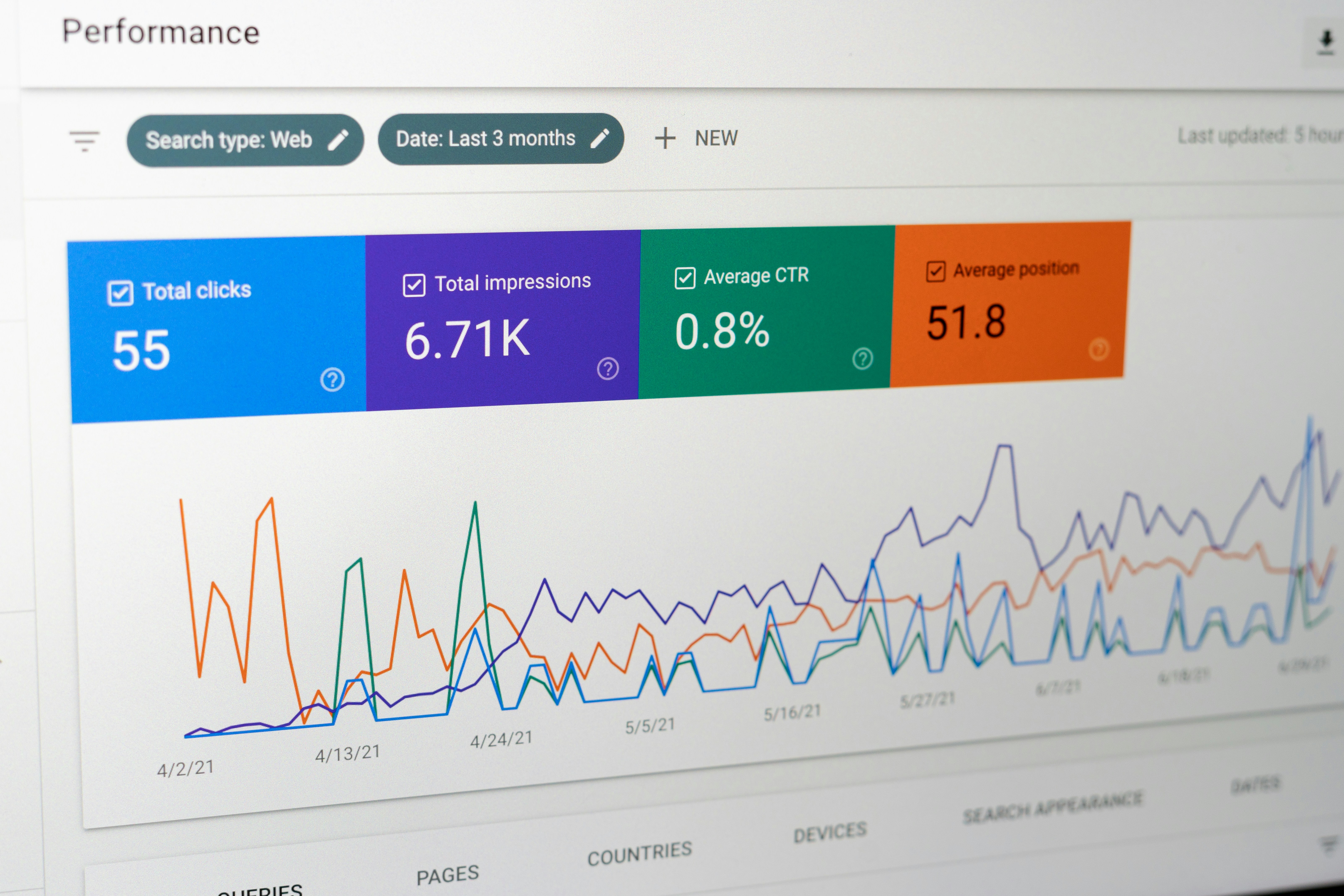
Key metrics in ranking analytics include keyword position, search volume, click-through rate (CTR), and impressions. Keyword position indicates where a particular webpage ranks for specific search terms. For instance, a top position in search results often results in higher visibility and CTR. Search volume measures how often a keyword is searched over a specific period, which helps marketers prioritize keywords most relevant to their target audience. Impressions reflect the frequency with which a page appears in search results, regardless of clicks. By understanding these metrics, marketers can fine-tune their keyword strategy and optimize their content accordingly, paving the way for more effective SEO efforts. Overall, ranking analytics serve as a foundational element in a successful digital marketing strategy, providing insights that can shape future campaigns and enhance online presence.
Key Features of Looker Studio MyPoseo
Looker Studio MyPoseo stands out as a comprehensive tool for SEO analysis, primarily due to its robust features that cater to both novice and expert users. One of its hallmark attributes is the customizable dashboards. Users can design and tailor their dashboards to meet specific analytics needs, allowing for a personalized viewing experience that highlights critical metrics and data points seamlessly. This flexibility not only enhances user interaction but also facilitates a deeper understanding of performance indicators.
Integration capabilities further underscore the tool’s versatility. Looker Studio MyPoseo can connect with various platforms and data sources, making it easier for users to gather and visualize data from multiple channels in one consolidated environment. This integration is crucial for conducting thorough ranking analysis, as it allows marketers and SEO specialists to have a holistic view of their digital performance across different mediums, including social media, PPC campaigns, and organic search.
Moreover, the reporting functions embedded within Looker Studio MyPoseo are essential for effective data communication. Users can generate detailed reports that present insights in a clear and understandable format. These reports can be customized according to specific metrics and timelines, enabling teams to track progress over weeks or months, and evaluate the efficacy of various strategies deployed. The ease of reporting ensures that stakeholders at all levels remain informed and aligned on goals.
Finally, the tool’s user-friendly interface deserves particular mention. Designed with usability in mind, Looker Studio MyPoseo allows users to navigate through its features effortlessly, meaning even those who may not be technically savvy can access valuable SEO analytics without extensive training. All these features collectively contribute to an efficient and effective ranking analysis process that supports informed decision-making and strategy development.
Setting Up Looker Studio MyPoseo for Your Business
Setting up Looker Studio MyPoseo for your business is a straightforward process that can significantly enhance your analytics capabilities. To begin, you must first create an account on the Looker Studio platform. Visit the Looker Studio website and click on the “Sign Up” button. You will be prompted to enter your email address and create a secure password. It is advisable to use an email that is associated with your business for easier management.
Once you have created an account, the next step is to link your data sources. Looker Studio MyPoseo supports various data integrations, such as Google Analytics, Google Ads, and custom SQL databases. Navigate to the “Data Sources” section in the dashboard. Click on “Add” and then select the icon for the data source you wish to connect. Follow the on-screen instructions to authorize Looker Studio to access your data. Ensure that you give appropriate permissions to obtain the necessary information for your reports and dashboards.
After successfully linking your data sources, it is essential to customize your dashboard to suit your specific business needs. Start by creating a new report. Click on the “Create Report” button and select a blank canvas or a template that resonates with your objectives. Utilize widgets and charts to visualize important metrics such as organic traffic, conversion rates, and keyword performance. You can easily drag and drop elements onto the dashboard and adjust settings to tailor visualizations to your preferences.
Don’t forget to save your report and set up scheduled updates for your dashboard to keep information current. This feature ensures that you continually receive updates on your business performance without manually refreshing data. By following these steps, you will effectively set up Looker Studio MyPoseo to track the relevant metrics that drive insights and inform your business strategies.
Analyzing Data with Looker Studio MyPoseo
Data analysis becomes more accessible and insightful with Looker Studio MyPoseo, a powerful tool designed for businesses seeking to leverage ranking analytics effectively. The platform provides an array of dashboards that display critical data points relevant to website performance and search engine rankings. Understanding how to interpret this data is essential for driving strategic decisions and improving online visibility.
When using Looker Studio MyPoseo, users are greeted with a visually appealing interface that categorizes data into manageable segments. Key performance indicators (KPIs), such as organic traffic, keyword rankings, and click-through rates, are prominently displayed, enabling users to identify trends and patterns. Employing various analytical methodologies, such as descriptive statistics, users can provide context to their data. This contextual analysis allows for the evaluation of historical performance, highlighting whether strategies have been effective over time.
Moreover, Looker Studio supports comparative analyses, allowing users to assess their performance against competitors or industry benchmarks. This functionality is particularly useful in identifying areas where improvement is needed and recognizing best practices that can be adopted. Users can also perform segmentation analyses, categorizing data by specific demographics or behavior, which further enhances the granularity of insights available.
Another significant benefit of utilizing Looker Studio MyPoseo is the support for visual analytics. The graphical representations of data through charts and graphs simplify complex datasets, making it easier to glean relevant information at a glance. This visual format helps stakeholders understand the key messages quickly and fosters more effective communication of insights across teams. By applying these analytical techniques, organizations can unlock valuable insights, driving informed decisions aimed at enhancing overall digital strategies.
Case Studies: Success Stories Using Looker Studio MyPoseo
In the realm of data analytics, Looker Studio MyPoseo emerges as a potent tool driving significant improvements in ranking analytics for businesses across various sectors. This section examines notable case studies that highlight the transformative impact of this platform. One prominent example features a mid-sized e-commerce company struggling to maintain visibility in a saturated market. Prior to utilizing Looker Studio MyPoseo, their ranking analytics were based on manual tracking, which proved inefficient and often inaccurate. Upon implementing Looker Studio MyPoseo, the company leveraged its robust data visualization capabilities to gain real-time insights into keyword performance, enabling them to refine their SEO strategies. The result was a 40% increase in organic traffic within six months.
Another case study to consider involves a local restaurant chain seeking to enhance its online presence. The owners faced the challenge of competing with larger, established brands that dominated the search results in their region. By using Looker Studio MyPoseo, they could analyze their rankings against competitors effectively. The implementation of tailored strategies, informed by the data insights provided, led to a substantial improvement in local search rankings. After three months of using the platform, the restaurant chain saw a 50% growth in local visibility, which translated to increased foot traffic and revenue.
Lastly, a software development company turned to Looker Studio MyPoseo to better understand the effectiveness of their digital marketing initiatives. They faced issues with tracking user engagement and conversion rates across various platforms. By integrating Looker Studio MyPoseo’s analytical tools, they identified key performance indicators that had previously gone unnoticed. This data-driven approach resulted in an elevated conversion rate of 30%, significantly bolstering their market position. These case studies collectively illustrate how businesses effectively harness Looker Studio MyPoseo to address specific challenges in ranking analytics, showcasing its potential to drive growth and competitive advantage.
Common Challenges in Ranking Analytics and Their Solutions
Ranking analytics play a crucial role in understanding a business’s position within its industry, especially when leveraging tools like Looker Studio MyPoseo. However, several challenges can impede effective ranking analysis. One significant issue is data inconsistency. Businesses often gather data from various sources, and discrepancies among these datasets can lead to misinterpretations and unreliable conclusions. To address this, organizations should implement a robust data cleaning and validation process before analysis. Standardizing metrics across different platforms ensures that comparisons can be made accurately, fostering better decision-making.
Another challenge that businesses frequently face is the integration of multiple data sources. For effective ranking analytics, it is crucial to consolidate information from different channels seamlessly. Incompatibility issues between data systems can hinder this integration, leaving gaps in insights. To overcome this hurdle, companies should consider utilizing data visualization tools like Looker Studio MyPoseo, which facilitate smoother data integration and visual representation. Moreover, employing application programming interfaces (APIs) to connect disparate data sources can streamline the process, ensuring that all relevant data is captured and analyzed.
A further concern is the misinterpretation of data, often stemming from a lack of context or inadequate analytics training. Without a comprehensive understanding of the underlying metrics, stakeholders might draw incorrect conclusions that could misguide strategy formulation. To mitigate this, businesses should invest in training personnel in data literacy and analytics. Workshops and seminars focused on interpreting ranking analytics effectively can empower teams to make data-driven decisions confidently. Additionally, the implementation of clear reporting standards and dashboards within Looker Studio MyPoseo can help contextualize data, making it easier to extract actionable insights.
Future Trends in Ranking Analytics
As the digital landscape continues to evolve, ranking analytics is undergoing significant transformations that reflect changes in technology, user behavior, and search engine practices. One of the most notable trends is the integration of artificial intelligence (AI) into ranking analytics platforms, including Looker Studio MyPoseo. AI-driven insights enable businesses to analyze large datasets more efficiently, allowing for the identification of patterns and trends that could influence ranking strategies. Enhanced machine learning algorithms can predict shifts in user behavior, thus providing companies with the foresight needed to adapt their tactics accordingly.
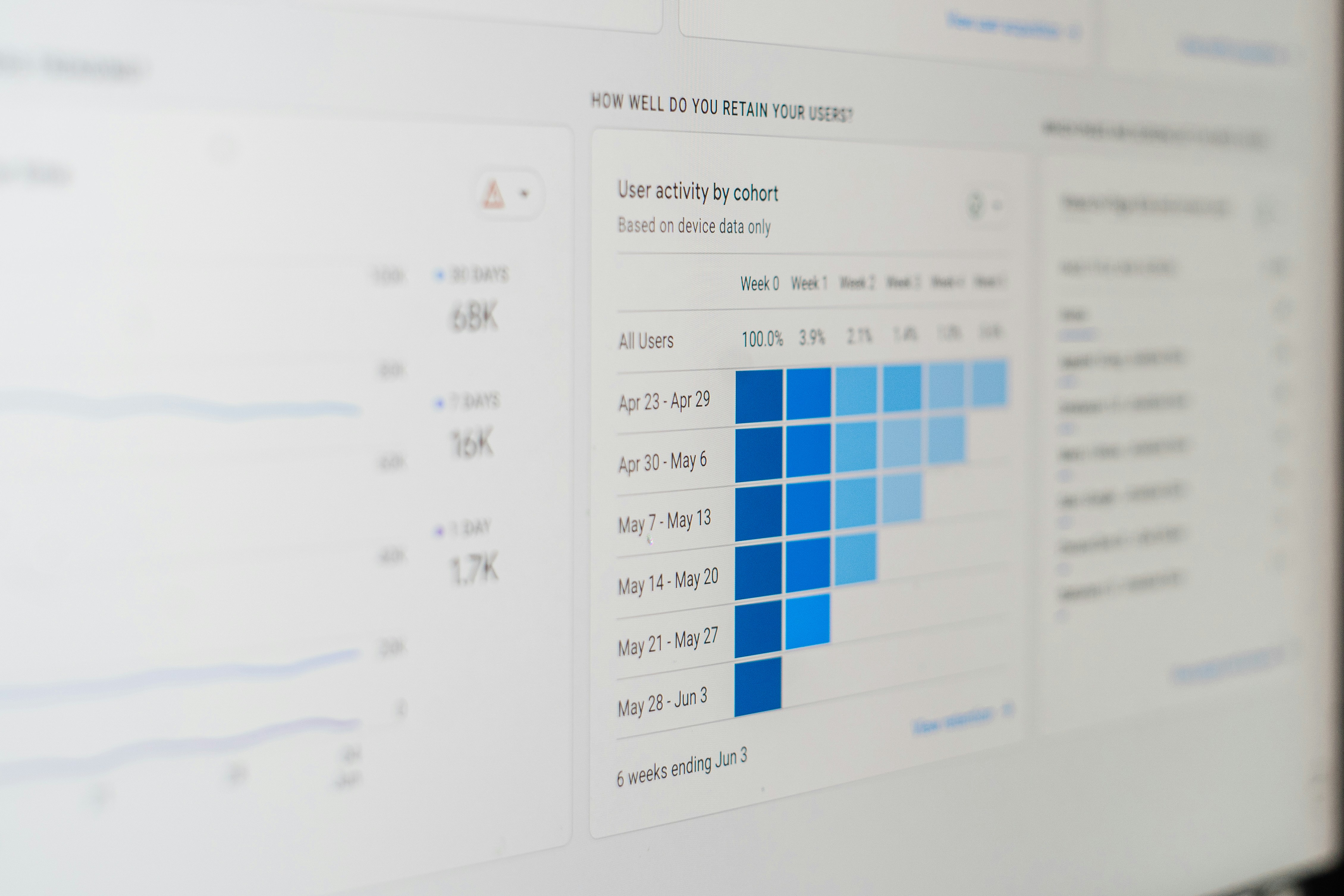
Another emerging trend is the increased emphasis on user experience (UX). Search engines are progressively focusing on user satisfaction as a critical factor in ranking outcomes. Factors such as page load speed, mobile responsiveness, and intuitive navigation are becoming more important, and Looker Studio MyPoseo is adapting by offering analytics tools that measure these metrics. This shift encourages website owners to prioritize building an enjoyable and engaging environment for users, ultimately impacting their search engine rankings positively. By prioritizing UX, businesses can expect improved visitor retention and higher conversion rates.
The dynamic nature of SEO algorithms is also shaping the future of ranking analytics. With search engines regularly updating their algorithms to enhance results, it is crucial for businesses to stay informed about these changes. Looker Studio MyPoseo is at the forefront of this trend, proactively incorporating updates to its analytics tools in response to algorithm changes. This adaptability enables users to remain competitive by aligning their strategies with the latest ranking criteria. Together, these trends signify a shift toward a more sophisticated and holistic approach to ranking analytics—one that is driven by data, focused on user experience, and attuned to the countless variables at play in the SEO landscape.
Conclusion and Next Steps
In synthesizing the various insights discussed within this blog post, we recognize that Looker Studio MyPoseo offers a multifaceted approach to ranking analytics. By providing deep data analysis capabilities, it empowers users to not only track their performance but also to uncover nuanced trends that may impact their market strategies. This platform stands out due to its ability to visualize complex datasets, facilitating easier interpretation and decision-making processes.
As we conclude, it is vital to reflect on how the insights gained from Looker Studio MyPoseo can be strategically integrated into your existing workflows. Users are encouraged to assess their current ranking metrics and consider employing the platform’s analytical features to enhance their comprehension of performance indicators. This alignment not only fosters an environment for data-driven decisions but also strengthens the foundation for achieving business goals.
For those looking to further their understanding, several resources can be beneficial. Consider exploring official documentation and user guides available on Looker Studio’s website, which provide comprehensive insights on specific functionalities. Additionally, webinars and online forums can offer community-driven knowledge-sharing opportunities that can enhance your learning experience.
As you contemplate your next steps, think about how you can leverage Looker Studio MyPoseo to refine your marketing strategies and improve ranking performance. Implementing the analytics features discussed is an important stride toward elevating your competitive edge in a rapidly evolving digital landscape. Dive deeper into the links provided throughout this post to uncover more about optimizing your analytical skills with Looker Studio MyPoseo. By taking these initiatives, you can fully capitalize on the insights offered, setting the stage for future growth and success.