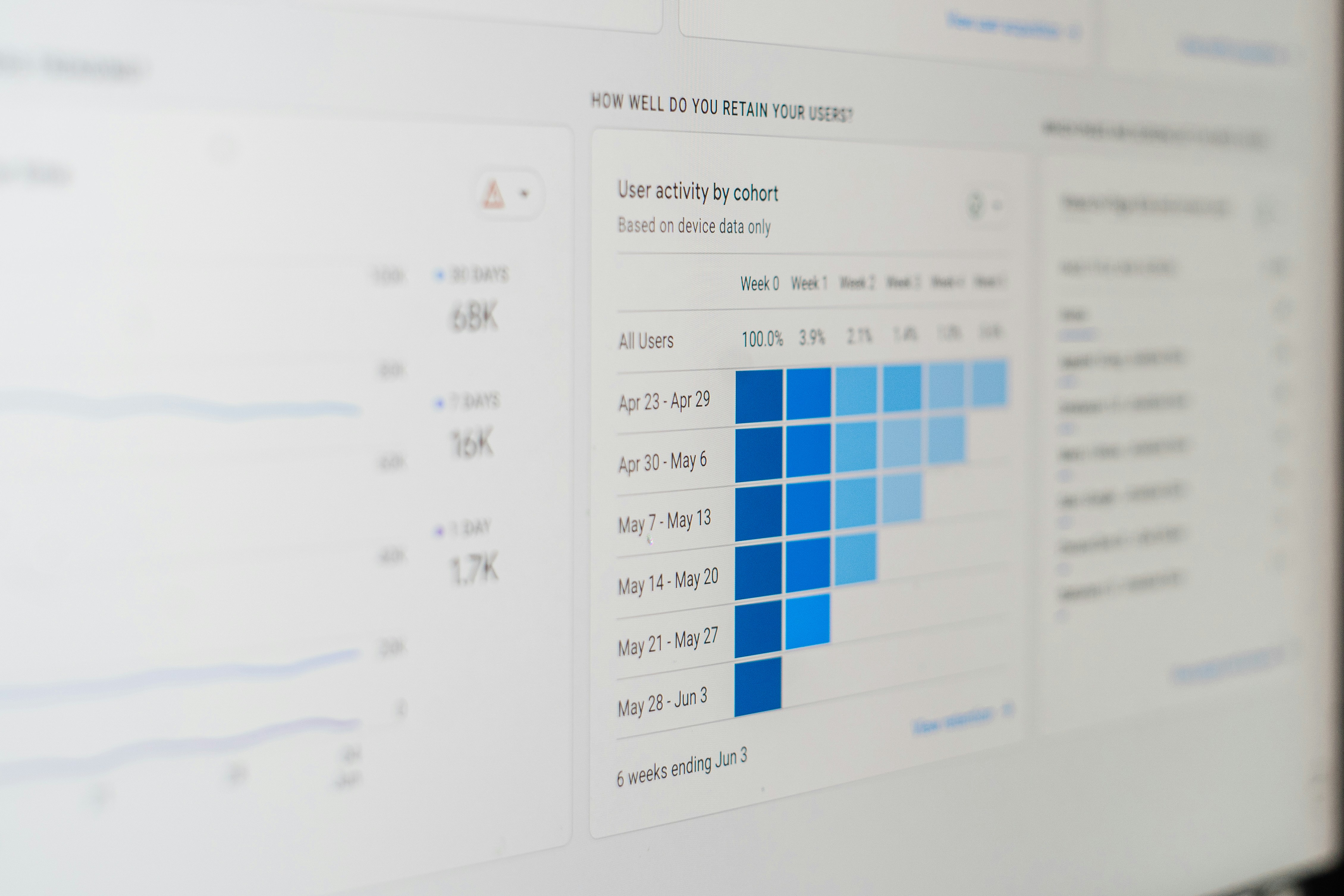
Introduction to Looker Studio and eBay Seller Center
In the rapidly evolving world of online commerce, analytics tools play a crucial role in helping sellers make informed decisions and maximize their success. Looker Studio emerges as a powerful analytics platform designed to provide insights across various business parameters. For eBay sellers, utilizing Looker Studio can lead to a deeper understanding of sales trends, customer behavior, and marketing performance, ultimately contributing to a more strategic approach in managing their online stores.
The eBay Seller Center serves as a comprehensive hub for eBay sellers, offering various resources to enhance their selling experience. It provides tools and features tailored to assist sellers in managing their listings, tracking sales performance, and optimizing their marketing efforts. Through the Seller Center, sellers can access data-driven insights that enable them to refine their strategies, ensuring they stay competitive in the bustling eCommerce landscape.
The integration of Looker Studio with the eBay Seller Center creates a synergy that allows sellers to harness their data effectively. By connecting Looker Studio to the Seller Center, sellers can visualize their sales performance metrics, monitor inventory levels, and explore customer engagement patterns in real-time. This powerful combination enables sellers to identify trends and patterns that can inform product decisions and promotional strategies.
As eBay continues to grow in popularity, the importance of utilizing advanced analytics tools like Looker Studio becomes increasingly evident. The insights gained from these platforms empower sellers to optimize their operations, ultimately leading to improved sales performance and customer satisfaction. Embracing the capabilities of Looker Studio alongside the resources available in the eBay Seller Center is a strategic move that can significantly benefit sellers aiming to thrive in the competitive eBay marketplace.
Understanding Looker Studio Features
Looker Studio offers a robust suite of features aimed at enhancing data analysis and visualization, particularly beneficial for eBay sellers seeking to optimize their sales performance. One of the standout features of Looker Studio is its data visualization capabilities, which enable users to transform complex datasets into clear, interactive graphs and charts. This functionality allows sellers to effortlessly identify trends in their sales data, such as peak selling times or popular product categories. By utilizing these visual representations, sellers can efficiently derive actionable insights from their performance metrics.
Custom dashboards are another key feature of Looker Studio that caters specifically to eBay sellers. These dashboards can be tailored to display the most relevant data and performance indicators, providing a centralized view of business operations. For instance, a seller might create a dashboard to track daily sales, inventory levels, and customer feedback. This personalized approach facilitates immediate access to essential metrics, thus empowering sellers to make informed decisions that drive sales growth and enhance customer satisfaction.
Furthermore, detailed reporting capabilities further enhance the utility of Looker Studio for eBay sellers. The platform enables users to generate comprehensive reports on various aspects of their business, including sales trends, customer demographics, and marketing campaign effectiveness. These reports can be scheduled for automatic delivery, ensuring that sellers are consistently updated without having to manually gather the information. By analyzing these reports, sellers can pinpoint areas for improvement and track the effectiveness of different sales strategies over time.
In summary, the features of Looker Studio—data visualization, custom dashboards, and detailed reporting—collectively empower eBay sellers to glean deep insights into their business performance, leading to more strategic decision-making and ultimately, greater success on the platform.
Setting Up Your Looker Studio Account
To harness the capabilities of Looker Studio as an eBay seller, the initial step involves setting up your Looker Studio account. Begin by visiting the Looker Studio website and signing in using your Google account. If you do not have an account, you will need to create one. After logging in, you will be directed to a dashboard where you can manage your reports and data sources.
Next, it is crucial to connect your Looker Studio account to your eBay Seller Center data. To facilitate this connection, navigate to the ‘Create’ section of your dashboard and select ‘Data Source.’ Within the data source options, look for eBay’s reporting capabilities. You may need to provide authorization to access your eBay data, so be prepared to log into your eBay Seller account if prompted. Once connected, Looker Studio will allow you to pull relevant sales, inventory, and performance data into your reports.
After connecting to your eBay Seller Center data, configure the data source settings to ensure that the most pertinent information is being displayed in your reports. Spend time adjusting metrics and dimensions that reflect your business needs. This process may include selecting transaction types, time frames, and specific product categories to closely monitor your performance.
Lastly, customize your Looker Studio workspace to align with your specific business objectives. Utilize built-in templates or create your own report layout to visualize the data effectively. Consider including key performance indicators (KPIs) and charts that highlight your sales trends or inventory turns. Customization will enable you to analyze your eBay performance effectively, allowing data-driven decisions to enhance your seller success.
Integrating eBay Seller Center Data with Looker Studio
Integrating eBay Seller Center data with Looker Studio is a vital step to empower eBay sellers with actionable insights. The process not only allows sellers to visualize their performance metrics but also aids in making informed business decisions. To commence this integration, sellers need to identify the right metrics that reflect their performance accurately. Key metrics can include sales volume, conversion rates, and customer returns; these indicators offer a comprehensive understanding of the business dynamics.
Once the desired metrics are identified, the next phase involves establishing a data connection between eBay Seller Center and Looker Studio. This can typically be accomplished using a data connector or an API. Sellers should navigate to the configurations section of Looker Studio and select the option to add a data source. It is essential to choose the eBay Seller Center connector, as this ensures proper data mapping and retrieval. After selecting the appropriate connector, sellers will need to authenticate their eBay account, which provides Looker Studio access to relevant seller data.
Maintaining updated data is crucial for accurate reporting. To ensure that metrics in Looker Studio reflect real-time data from the eBay Seller Center, it is advisable to configure automatic data refresh settings. This feature will regularly pull updated metrics at specified intervals, allowing sellers to monitor their performance swiftly. Additionally, sellers should routinely verify that their data connections remain intact as system updates or changes in data structure can occasionally disrupt integrations.
By following these structured steps to integrate eBay Seller Center data into Looker Studio, eBay sellers can significantly enhance their analytical capabilities, facilitating better decision-making through data-driven insights.
Creating Custom Dashboards for eBay Performance Tracking
In the competitive realm of eCommerce, particularly on platforms like eBay, it is essential for sellers to track their performance meticulously. Looker Studio offers a dynamic environment to create custom dashboards tailored specifically for eBay sellers. These dashboards enable sellers to visualize their key performance indicators (KPIs) effectively, which can drive insightful decision-making and enhance overall performance.
To begin, sellers must identify the KPIs that are most relevant to their business objectives. Common KPIs pertinent to eBay sellers include sales revenue, conversion rates, average order value, and customer feedback ratings. By selecting these indicators, sellers can gain a clearer understanding of their performance metrics. Looker Studio allows for the seamless integration of this data, which can be imported directly from eBay’s API or other reporting tools.
Once the KPIs are identified, the next step is to visualize the sales data. Looker Studio provides a range of visualization options such as line graphs, bar charts, and pie charts that can be used to represent data trends effectively. For instance, a line graph could illustrate sales over time, allowing sellers to spot seasonal trends or assess the impact of marketing campaigns. By utilizing various visualization types, sellers can present their data in a way that is both informative and easy to digest.
Furthermore, customization is key to ensuring that dashboards meet specific business objectives. Sellers can tailor their dashboards to focus on particular aspects, such as tracking product performance or monitoring inventory levels. For example, a dashboard aimed at understanding product sales could include filters for categories, which enables sellers to isolate the performance of best-selling items. By following these practices, Looker Studio serves as a powerful tool in empowering eBay sellers to monitor their performance and achieve their business goals efficiently.
Analyzing Sales Trends with Looker Studio
Understanding sales trends is crucial for eBay sellers who aim to optimize their performance and enhance their decision-making processes. Looker Studio provides a robust platform for analyzing sales data, empowering sellers to uncover valuable insights that can drive business strategies. By leveraging Looker Studio’s comprehensive data visualization capabilities, sellers can identify patterns in their sales data, allowing them to make informed decisions based on empirical evidence.
One of the primary techniques for analyzing sales trends using Looker Studio is the organization of sales data into easily digestible dashboards. These dashboards can display key performance indicators (KPIs) such as sales volume, revenue, and average order value over specific time frames. By filtering this data, sellers can track performance during different seasons or identify fluctuations tied to holidays, promotions, or market conditions. The ability to visualize sales data in this manner enables sellers to discern not only what is occurring in their sales but also the underlying reasons behind these trends.
Moreover, understanding customer behavior is integral to comprehensive sales analysis. Looker Studio allows sellers to segment their customer base by demographics and purchasing habits. This segmentation can help identify which groups are contributing most to sales and how their preferences may shift over time. For instance, sellers might discover that certain customer segments respond better to specific products during season changes or promotions. By continuously monitoring these insights, sellers can adjust their marketing approaches or inventory strategies to match shopper expectations and enhance customer satisfaction.
Translating analyses into actionable business strategies is the final, yet vital, step in the sales trend examination process with Looker Studio. By pinpointing high-performing products and identifying opportunities for improvement, sellers can streamline their operations to maximize profitability. This data-driven approach fosters not just reactive strategies, but proactive initiatives that can lead to sustained growth in the competitive eBay marketplace.
Improving Decision Making with Data Insights
In today’s competitive e-commerce environment, the importance of data-driven decision-making cannot be overstated, particularly for eBay sellers. Leveraging platforms like Looker Studio, sellers can access a wealth of data insights that facilitate smarter strategies across various aspects of their operations. One of the primary advantages of using Looker Studio is its capability to transform raw data into meaningful visualizations and reports. This enables eBay sellers to make informed decisions based on actual market trends and consumer behavior.
Marketing strategies, for instance, can greatly benefit from the insights derived from Looker Studio. By analyzing past performance data, sellers can identify which products are performing well and which are not, thus optimizing their marketing efforts. A seller might find that a particular category of items garners higher engagement during specific times of the year. This knowledge enables them to allocate resources more effectively, focusing promotional budgets on high-demand items when consumer interest peaks.
Similarly, inventory management becomes far more efficient when driven by data insights. Looker Studio can help sellers monitor stock levels in real-time, analyze sales patterns, and predict future inventory needs. For example, an eBay seller who relies on these insights may discover that certain products sell out more quickly than others, urging them to adjust reorder levels to prevent stockouts and lost sales opportunities.
In terms of pricing decisions, the analytics provided by Looker Studio allow sellers to strategically price their products based on competitor analysis and market fluctuations. Case studies have shown that sellers who regularly utilize data insights to adjust their pricing strategies can significantly enhance their profit margins and convert potential customers into loyal buyers. By fostering an understanding of their market landscape through data, eBay sellers can create a sustainable competitive advantage.
Common Challenges and How to Overcome Them
As eBay sellers utilize Looker Studio to analyze their sales performance and optimize their strategies, they often encounter challenges that can hinder their effectiveness. One prevalent issue is data integration, particularly when sellers have multiple data sources. Integrating these diverse datasets into Looker Studio can be complex and time-consuming, leading to inconsistencies in reporting. To mitigate this challenge, sellers should prioritize establishing a standardized data formatting process across all sources. Utilizing Looker’s built-in connectors can facilitate smoother imports and ensure data integrity, which is vital for generating accurate analytics.
Another difficulty eBay sellers frequently face is understanding complex metrics that are pivotal for their business success. Metrics such as conversion rates, average order value, and customer retention rates may initially seem daunting and convoluted. To overcome this, it is essential for sellers to invest time in familiarizing themselves with the metrics specific to Looker Studio. Online tutorials and community forums can provide valuable instruction, and leveraging Looker’s visualization tools can help clarify how different metrics interrelate and how they impact overall performance.
Additionally, maintaining accurate reports over time can be a persistent challenge for eBay sellers. Inaccurate or outdated reports can lead to misguided business decisions. To ensure reports are consistently precise, sellers should establish a regular schedule for data review and validation. Implementing automated processes within Looker Studio to refresh data periodically can also contribute to maintaining report accuracy. Finally, cultivating a habit of continuous learning about Looker Studio’s features will empower sellers to utilize the platform more effectively, ultimately enhancing their ability to achieve eBay sales success.
Conclusion and Next Steps
In our examination of Looker Studio and its advantages for eBay sellers, we have uncovered a wealth of features that can significantly enhance the success of an online business. Looker Studio offers powerful data visualization capabilities, allowing eBay sellers to transform complex data into intuitive and actionable insights. By utilizing this platform, sellers can track performance metrics, optimize listing strategies, and identify trends that might otherwise go unnoticed. All these elements can empower sellers to make informed decisions, driving improved sales and customer engagement.
As you consider the potential of Looker Studio, it is crucial to take actionable steps to integrate this tool into your eBay operations. Start by exploring the various functionalities available on Looker Studio, familiarizing yourself with the design and reporting capabilities that best serve your needs. Creating custom dashboards can help you visualize key performance indicators, making it easier to adjust your strategies in response to market changes.
Additionally, connecting with experts who can guide you through the intricate details of Looker Studio is highly beneficial. Whether by attending webinars, enrolling in training sessions, or participating in online forums, seeking knowledge from experienced users can accelerate your understanding of the platform and enhance your effectiveness as a seller.
Finally, leveraging the insights you gain from Looker Studio can lead to meaningful improvements in your eBay business. Regularly analyze your data, test new strategies based on your findings, and remain adaptable to the dynamic e-commerce environment. Should you need further assistance in navigating Looker Studio or optimizing your eBay seller experience, do not hesitate to reach out to our team for support. Together, we can harness the full potential of Looker Studio to drive your success on eBay.