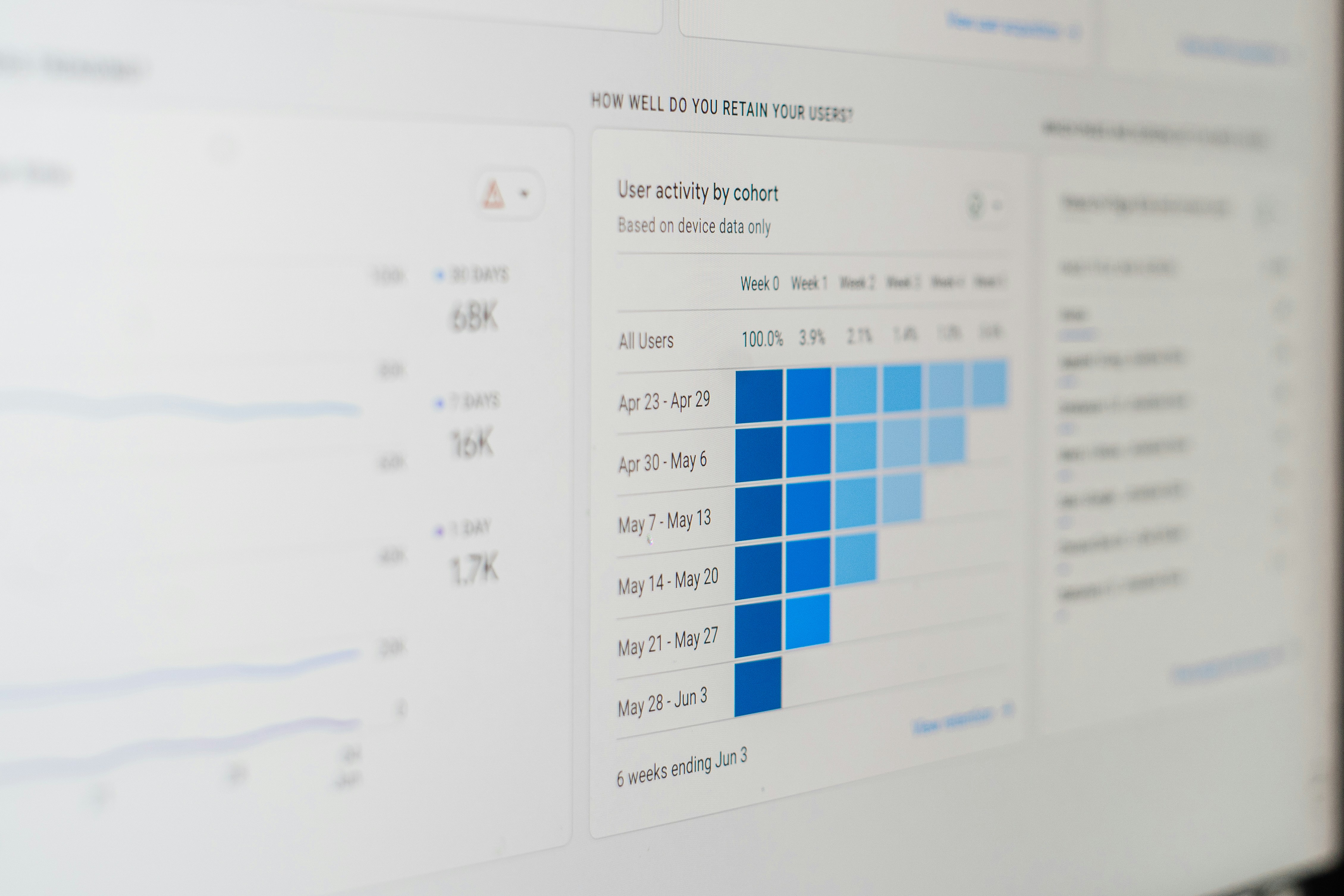
Introduction to Looker Studio and Its Purpose
Looker Studio is a powerful data analytics and visualization platform designed for businesses and data professionals who require advanced reporting capabilities. It enables users to explore, analyze, and share real-time insights from their data across various sources, fostering informed decision-making. By seamlessly integrating with numerous data sources, Looker Studio becomes a vital tool in the arsenal of organizations looking to derive meaningful insights from their data.
One of the standout features of Looker Studio is its ability to create customized dashboards and reports tailored to specific business needs. This customization allows users to highlight key performance indicators and track essential metrics, making it easier to visualize data in a way that resonates with stakeholders. Looker Studio’s intuitive interface empowers users, from novice to expert, to interact with their data effectively and glean actionable insights.
Additionally, Looker Studio supports collaboration among teams by providing shareable reports and dashboards, ensuring that all stakeholders have access to the same information. This level of cooperation promotes a data-driven culture within organizations, where decisions can be made based on concrete evidence rather than assumptions. Moreover, Looker Studio is particularly beneficial when exploring data from social media platforms, such as Facebook. By utilizing Looker Studio features, businesses can analyze user engagement, track campaign performances, and measure brand sentiment directly from the Facebook Public Database.
In the context of the increasingly data-centric digital landscape, Looker Studio serves not only as a reporting tool but as a comprehensive data exploration solution. Its unique blend of functionality and user-centric design makes it an invaluable asset for organizations aiming to leverage data for competitive advantage.
Understanding Facebook Public Databases
Facebook public databases encompass a vast array of user-generated data that is accessible to the public. These databases include valuable insights related to user engagement, demographic information, and various trends that can serve businesses and marketers in strategic planning. Given the immense user base of Facebook, the importance of these databases cannot be understated, as they provide a real-time snapshot of audience behaviors and preferences.
At the core of Facebook public databases are different types of data that can significantly impact decision-making processes. For instance, user engagement metrics such as likes, shares, and comments can inform businesses on how audiences interact with their content. By analyzing these metrics, companies can identify which topics resonate most with their target demographic, thereby refining their marketing strategies. Additionally, demographic information allows businesses to tailor their messaging and offerings based on the characteristics and preferences of specific audience segments.
Moreover, Facebook’s public data can be instrumental in market research. Businesses can utilize this information to conduct competitive analysis, assessing how competitors engage with their audiences and the effectiveness of their campaigns. This allows for the identification of gaps in the market and opportunities for differentiation. Furthermore, audience analysis can enrich understanding of user sentiment, helping brands to adapt their strategies in response to evolving consumer demands.
In conclusion, understanding and leveraging Facebook public databases enable businesses to make informed decisions that enhance their marketing efforts. By utilizing this rich source of data, companies can optimize their approach, ensuring they meet the needs of their audiences while staying ahead in an increasingly competitive landscape.
Accessing Looker Studio with Facebook Data
To effectively utilize Looker Studio with Facebook’s public database, several prerequisites must be established prior to integration. First, it is essential to have an active Looker Studio account. If you do not have one, you can create it by visiting the Looker official website and following their sign-up process. Additionally, ensure you have access to the necessary Facebook public dataset, which may require permissions or approvals from the relevant Facebook API or database administrators.
Once you have set up your Looker Studio account and secured access to the relevant Facebook data, you can begin the integration process. Start by navigating to the Looker Studio dashboard. From there, locate the option for data sources. Click on the “Create” button, which will allow you to set up a new data source. Look for options related to connecting external databases or APIs. Given that Facebook provides extensive documentation, follow the guidelines specifically designed for accessing their public data.
During the connection setup, you may need to provide your Facebook API credentials. These credentials enable Looker Studio to authenticate and gather the necessary data from Facebook’s database. Ensure that all necessary fields are filled out accurately to avoid connection errors. Moreover, understand the potential limitations regarding data types and volume; Facebook’s data policies may impact the extent of the information you can pull into Looker Studio.
Once the integration is successfully established, you can begin creating custom reports using Facebook data. Looker Studio offers versatile visualization options, allowing for the manipulation of collected data into comprehensive dashboards. Utilize these features to offer insights into user engagement metrics, advertising performance statistics, and other valuable information derived from the Facebook public database.
Key Features of Looker Studio for Facebook Data Reporting
Looker Studio offers a robust set of features that significantly enhance reporting capabilities when leveraging Facebook public data. One of the standout characteristics of Looker Studio is its advanced visualization tools, which facilitate the creation of comprehensive and visually appealing reports. These tools allow users to design customized charts, graphs, and maps that can help distill complex data into clear insights. By using these visual aids, data analysts can communicate findings more effectively, ensuring that key stakeholders comprehend the implications of the data collected from Facebook.
Another vital feature is the ability to develop interactive dashboards. These dashboards provide a centralized view of various metrics and KPIs derived from Facebook data, allowing for seamless navigation between different data sets. Users can incorporate filters and controls that enable them to drill down into specifics, thereby honing in on areas of interest. This interactivity not only improves engagement but also enhances data-driven decision-making as users can explore trends in real time.
Furthermore, Looker Studio excels in delivering real-time data updates, ensuring that reports reflect the most current data available from Facebook. This capability is crucial for organizations that require immediate access to marketing performance metrics or audience engagement statistics. By eliminating delays in data reporting, businesses can adapt their strategies promptly based on the latest insights, making them more agile in a competitive environment.
Overall, the combination of advanced visualization, interactive dashboards, and real-time data capabilities makes Looker Studio an indispensable tool for effectively reporting Facebook public data. These features collectively enhance data interpretation, enabling organizations to draw meaningful conclusions and drive impactful actions based on their findings.
Creating Customized Reports in Looker Studio
Creating customized reports in Looker Studio can significantly enhance the way businesses analyze data from the Facebook public database. The first step in this process involves identifying relevant metrics that align with specific business objectives. Looker Studio allows users to select from a wide array of metrics, such as engagement rates, audience demographics, post impressions, and more. Understanding which metrics matter most for your reporting is crucial, as this determines the type of insights that can be gleaned.
Next, users should set appropriate filters to refine the data being reported. Looker Studio offers various filtering options that enable organizations to focus on particular data segments, such as geographic location, time frames, or specific audience groups. By narrowing down the information, businesses can gain deeper insights into their target audience’s behavior and preferences. This tailored approach ensures that the reports are not only comprehensive but also relevant to the specific questions or objectives that the organization has in mind.
Designing the report is the final and arguably one of the most vital stages in the reporting process. Looker Studio provides a range of visualization options to represent data effectively. Users can choose from charts, graphs, tables, and other visualization tools to display the metrics selected earlier. The key is to ensure that the report’s design is user-friendly and that it facilitates easy interpretation of the data. A well-structured report improves comprehension and decision-making among stakeholders, making it easier to derive actionable insights from the Facebook public database.
In summary, customized reports created in Looker Studio can be a powerful tool for businesses seeking to leverage insights from the Facebook public database. By carefully selecting metrics, setting relevant filters, and designing intuitive visualizations, organizations can create reports tailored to their unique needs, thereby enhancing data-driven decision-making.
Examples of Effective Reporting Using Looker Studio with Facebook Data
In recent years, various organizations have harnessed the power of Looker Studio to create dynamic reports utilizing Facebook’s public datasets. These examples illustrate how businesses can uncover invaluable insights, driving strategic decisions and enhancing overall performance.
One notable case is a digital marketing agency that utilized Looker Studio to analyze Facebook engagement metrics for multiple clients. By integrating Facebook insights into a centralized reporting dashboard, the agency tracked performance trends and engagement rates across various campaigns. With the ability to visualize data in real-time through Looker Studio’s intuitive interface, the team could swiftly identify high-performing posts and allocate resources accordingly. As a result, this approach led to a 25% increase in engagement rates for their clients over six months, demonstrating a significant return on investment.
Another compelling example comes from a retail brand that sought to evaluate the effectiveness of its Facebook advertising strategy. By connecting Facebook’s public data to Looker Studio, the brand established a comprehensive report highlighting user demographics, ad reach, and conversion rates. This detailed analysis revealed that specific target audiences were responding better to particular ad formats. Consequently, the brand adjusted its advertising strategy based on these insights, ultimately reducing ad spend by 15% while increasing its conversion rate by over 30%.
In a third example, a nonprofit organization employed Looker Studio to assess the impact of its social media outreach on fundraising efforts. The organization was able to visualize the correlation between Facebook engagement and donations. By creating interactive dashboards that pulled in their Facebook data, they could track the effectiveness of various campaigns in real-time. This led to data-informed decision-making, allowing the nonprofit to pivot its strategies effectively and ultimately boost fundraising efforts by 40% within the year.
These examples underscore the potential of Looker Studio when integrated with Facebook public data, illustrating how businesses can leverage insights for enhanced reporting and informed decision-making.
Best Practices for Reporting and Data Visualization
Creating effective reports and visualizations within Looker Studio requires a thoughtful approach to data presentation. A cornerstone of successful reporting is the practice of storytelling with data. The objective is to convey insights in a manner that resonates with the audience. By framing data into a compelling narrative, one can guide stakeholders through critical insights gleaned from the Facebook Public Database, transforming complex datasets into actionable knowledge.
Clarity is paramount when presenting data. Visual clutter can overwhelm the viewer, leading to misinterpretation or disengagement. Therefore, it is essential to prioritize readability in your reports. This can be achieved by using clear titles, concise labels, and avoiding excessive jargon. Consistency in formatting—such as font size, color schemes, and spacing—further enhances comprehension. When utilizing Looker Studio, ensure that each visualization is self-explanatory, providing context where necessary to facilitate understanding.
The selection of appropriate chart types plays a vital role in effective data visualization. Different data sets lend themselves to various visualization techniques. For instance, bar charts may be ideal for comparing categorical data, while line graphs are more suited for illustrating trends over time. When working with performance metrics from Facebook, consider the nature of the data being presented. A scatter plot might be more effective for showcasing correlation among variables, whereas pie charts could serve well for illustrating proportional relationships within a dataset.
Moreover, it is essential to incorporate interactive features where possible. Interactivity not only engages the audience but also allows them to delve deeper into the data, fostering a comprehensive understanding. Utilizing Looker Studio’s capabilities to create dynamic reports empowers users to explore and derive conclusions from the data. By adhering to these best practices, organizations can enhance their reporting and data visualization efforts, capitalizing on the insights offered by the Facebook Public Database.
Common Challenges and Solutions When Using Looker Studio
Utilizing Looker Studio for reporting on Facebook data can provide invaluable insights for businesses; however, there are several challenges that users may encounter. One of the primary issues is data quality. Inconsistent data from Facebook’s API can lead to discrepancies in reports, making it crucial for users to verify and clean data before incorporating it into their dashboards. This not only enhances the reliability of insights but also ensures that decisions taken based on this data are based on accurate information.
Another challenge is the integration of diverse data sources with Looker Studio. Businesses often source data from various platforms, and aligning this information with Facebook data can be complex. Integration hurdles can arise due to differences in data formats or variations in data extraction methods. To address this, businesses should invest time in mapping their data sources accurately and establishing standardized processes for data entry and extraction. Utilizing Looker Studio’s built-in connectors can also facilitate smoother integration with Facebook data, allowing users to streamline their reporting processes.
Moreover, users may struggle with learning curve challenges, especially when transitioning to Looker Studio from another analytical tool. The platform’s extensive features can be overwhelming for new users. It is advisable for businesses to provide training sessions for their teams, emphasizing the importance of mastering the potential of Looker Studio. Supplementing hands-on experience with access to documentation and tutorials can significantly enhance user proficiency and confidence in utilizing the tool.
Lastly, keeping up with the rapid changes in both Looker Studio and Facebook can pose an ongoing challenge. Users should remain informed about updates, features, and best practices by engaging with the community and participating in forums. By understanding these common challenges and implementing the suggested solutions, users can improve their experience and derive better insights from Looker Studio’s powerful capabilities.
Conclusion and Future Prospects
In recent years, the integration of Looker Studio with Facebook’s public database has revolutionized reporting practices across various sectors. This synergy has enabled users to harness an extensive array of data, facilitating insightful analytics and dynamic visualizations. The juxtaposition of Looker Studio’s robust data modeling capabilities with the vast reach of Facebook’s public data fosters enhanced reporting efficiency, enabling organizations to make informed decisions based on real-time insights.
Moreover, the ability to customize reports in Looker Studio using data from Facebook has provided businesses with a competitive edge. The insights drawn from this combination not only inform marketing strategies but also aid in understanding audience preferences, improving engagement, and ultimately driving customer satisfaction. As the digital landscape continues to evolve, the significance of such data-driven reporting will only escalate, fostering innovative approaches to user engagement and business growth.
Looking ahead, the future of reporting with Looker Studio and Facebook’s public database seems promising, particularly with the emergence of advanced analytics techniques such as artificial intelligence and machine learning. These technologies are expected to provide even deeper insights by automating data processing and identifying trends that may not be apparent through traditional methods. Furthermore, as data privacy concerns grow, the ethical use of public data within Looker Studio will become increasingly crucial. Organizations will need to navigate these complexities while leveraging the available information responsibly.
In conclusion, the collaboration between Looker Studio and Facebook’s public database presents substantial opportunities for enhanced reporting. With emerging trends in data analysis paving the way for refined strategies, the ability to draw meaningful conclusions from vast data sets will continue to shape the future of analytics. Organizations that actively embrace these tools will be better positioned to adapt to changes in consumer behavior and market dynamics.