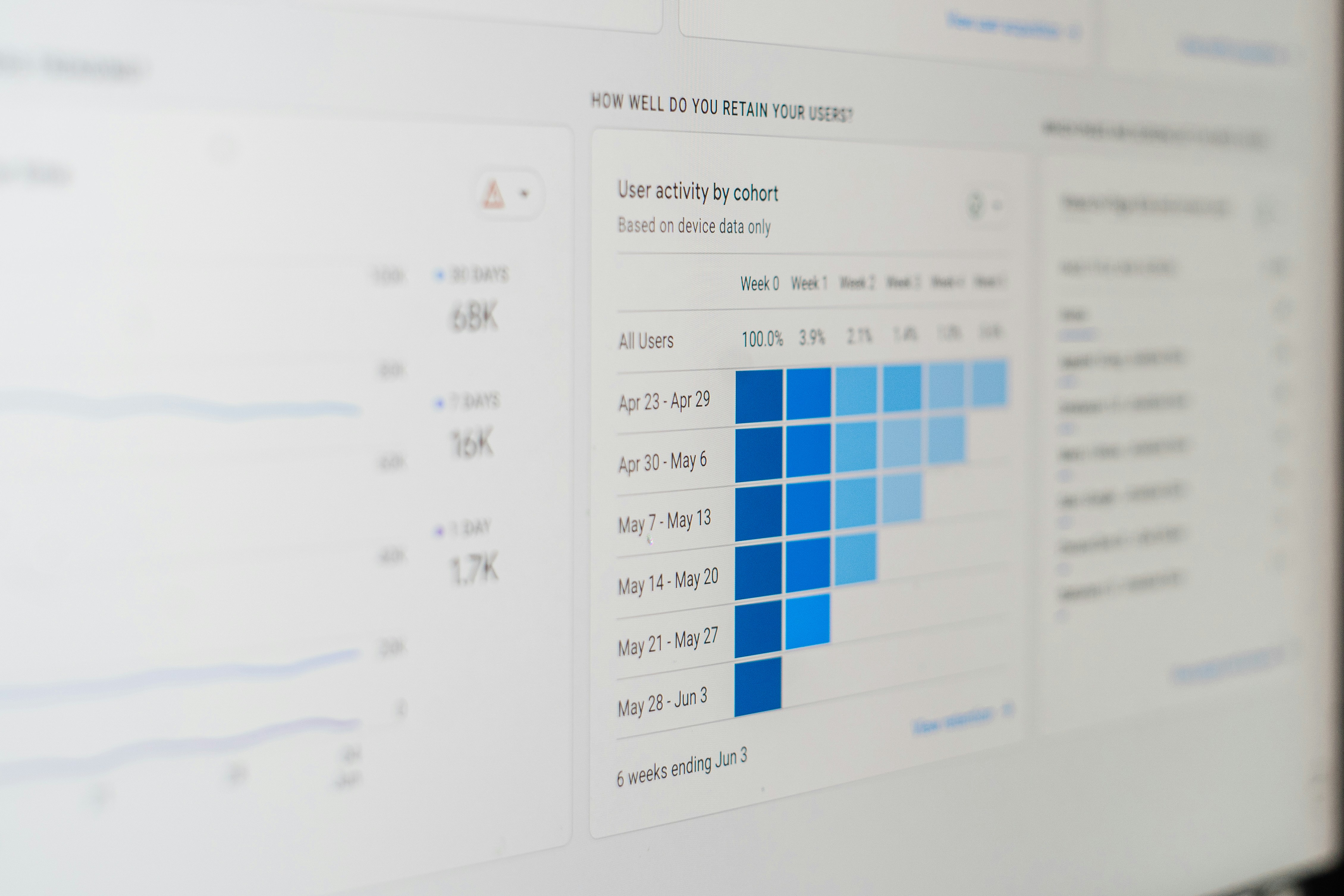
Introduction to Looker Studio
Looker Studio is a robust data analytics platform designed to empower users to explore, analyze, and visualize data with ease. Its user-friendly interface and advanced functionalities make it a preferred choice for businesses looking to gain actionable insights from their data. Among its various features, Looker Studio excels in working with public datasets, particularly those available from platforms like Facebook. This capability allows users to tap into a wealth of information that can inform business strategies and enhance decision-making processes.
The integration of Facebook’s public datasets into Looker Studio enables users to leverage social media data effectively. By utilizing Looker Studio, organizations can analyze customer behavior, track engagement metrics, and gain a deeper understanding of market trends. The visualization tools available within Looker Studio facilitate the representation of complex data in formats that are easily digestible. Through dashboards and charts, stakeholders can quickly interpret data equating to actionable insights.
Moreover, Looker Studio’s strong emphasis on collaboration allows teams to work together seamlessly. By sharing insights and reports with colleagues, organizations can enhance their analytical capabilities. The platform also supports integration with other data sources, thus amalgamating diverse datasets into a cohesive analytic framework. This versatility makes it invaluable for companies aiming to create comprehensive business intelligence applications.
In the realm of Facebook public data, Looker Studio helps uncover hidden patterns and relationships that might otherwise go unnoticed. Businesses can take advantage of this rich resource to inform marketing strategies and optimize content for better audience engagement. By enabling organizations to harness the power of Facebook data, Looker Studio not only promotes informed decision-making but also enhances overall business performance.
Understanding Facebook Public Datasheet
The Facebook Public Datasheet is an essential resource that consolidates a variety of metrics and key performance indicators related to Facebook’s operational effectiveness and user engagement. This datasheet serves multiple purposes, making it invaluable for businesses, researchers, and marketers aiming to derive insights from Facebook’s vast array of user data. The significance of the Facebook Public Datasheet lies in its ability to provide a transparent view of Facebook’s platform performance, illuminating vital aspects such as demographics, user engagement rates, and advertising effectiveness.
Contained within the Facebook Public Datasheet are metrics pertaining to user activity, which may include average daily users, monthly active users, and other engagement statistics. Additionally, it encompasses demographic breakdowns that illustrate user distribution across various age groups, geographical locations, and interests. This information is critical for businesses seeking to tailor their marketing strategies to better align with their target audiences. With access to such data, companies can make informed decisions on content creation, advertising expenditures, and demographic outreach.
Furthermore, researchers can benefit significantly from the insights derived from the Facebook Public Datasheet. By analyzing trends in user engagement and shifts in demographic data, they can explore broader social behavior patterns and their implications for digital marketing and communication strategies. In addition, the datasheet may highlight overall performance indicators such as advertising revenue metrics, which reflect Facebook’s financial health and strategic direction.
In the current digital marketplace, understanding the intricacies of the Facebook Public Datasheet is crucial for optimizing engagement and marketing efforts on the platform. By leveraging the insights provided in this datasheet, stakeholders can achieve a competitive advantage and enhance their approaches within Facebook’s dynamic ecosystem.
Key Features of Looker Studio for Facebook Data
Looker Studio stands out as a pivotal tool for professionals seeking to efficiently analyze Facebook public datasets. One of its primary attributes is the capability to create customizable dashboards. This feature enables users to design dashboards that align with their specific analytical needs, allowing for seamless tracking of key performance indicators relevant to Facebook data. Users can tailor their visualizations to showcase metrics like engagement rates, audience demographics, and post reach, making it easier to derive actionable insights from complex datasets.
Furthermore, the data visualization tools provided by Looker Studio are particularly noteworthy. The platform supports a wide array of chart types, including bar graphs, line charts, and heat maps. These varied visual formats empower users to display data in engaging and informative manners, enhancing the interpretation of Facebook public datasets. Effective data visualization plays a crucial role in understanding trends and patterns, thus enabling more informed decision-making processes.
Real-time analytics capabilities further distinguish Looker Studio from its competitors. Users can access up-to-the-minute data on their Facebook metrics, facilitating the monitoring of campaign performance as it unfolds. This immediacy allows for rapid adjustments and optimizations, ensuring that strategies remain aligned with real-world outcomes. Additionally, the ability to integrate with other data sources and tools amplifies the analytical power of Looker Studio, enabling a holistic view of performance across different platforms.
Lastly, collaboration features within Looker Studio enhance user experience by promoting cooperative data exploration. Team members can easily share insights and findings, supporting collective analytical efforts. The option to comment directly within the dashboard fosters communication and streamlines the feedback process, allowing for more cohesive strategies when working with Facebook public data. Overall, Looker Studio offers a robust suite of features tailored for effectively managing and interpreting Facebook data.
Integrating Facebook Data with Looker Studio
Integrating Facebook data with Looker Studio enables organizations to derive actionable insights from social media analytics. To begin this integration process, first ensure you have access to Facebook’s public datasheets, which include critical data such as user engagement metrics, advertising performance, and demographic insights. The initial step involves importing these datasheets, typically offered in CSV format, into Looker Studio.
Start by accessing Looker Studio and creating a new report. Once in the report, navigate to the “Data Sources” panel and click on “Add a Data Source.” From the options presented, select “File Upload” to upload the downloaded CSV file containing the Facebook public datasheet. Upon successful upload, Looker Studio will prompt you to configure your data source. During this step, pay attention to the field types and ensure they align with your reporting needs, as improper alignment can lead to data discrepancies.
Next, set up the connection between the Looker data model and your imported Facebook data. This step is crucial for maintaining the integrity of your reports. You will need to define the relationships between the different dimensions and metrics extracted from the Facebook data. Properly establishing these connections ensures that subsequent analyses will yield accurate and meaningful results.
For seamless analysis, it is important to synchronize the data on Looker Studio with possible updates on Facebook. This synchronization can often be scheduled on a daily or weekly basis, depending on the frequency of data changes on the Facebook platform. By following these steps carefully, users will create a well-structured data ecosystem that allows for comprehensive reporting and analysis of Facebook metrics through Looker Studio.
Creating Visual Reports in Looker Studio
Creating visual reports in Looker Studio is an essential step in transforming data from the Facebook Public Datasheet into informative and engaging presentations. Looker Studio offers a plethora of visualization types that facilitate the interpretation of data, such as charts, graphs, and maps. Each visualization type serves a distinct purpose, allowing users to present data in a manner that best communicates the underlying trends and insights.
When selecting the appropriate visualization type, it is crucial to consider the nature of the data. For instance, bar charts are effective for displaying categorical data comparisons, while line graphs are ideal for showcasing trends over time. If geographical data is being analyzed, maps can provide a compelling visual narrative, helping users to understand regional variances at a glance. Additionally, pie charts can be utilized for representing parts of a whole, making it easier for audiences to quickly grasp proportions.
In Looker Studio, users can easily drag and drop data fields from the Facebook Public Datasheet into their desired visualization type. This intuitive interface allows for a smooth transition from raw data to visual representation. However, it is essential to maintain clarity and simplicity in design; including too much information can overwhelm viewers. Optimal color schemes, easy-to-read fonts, and concise labels contribute to the effectiveness of the visual report.
Another key consideration when creating visual reports is interactivity. Looker Studio allows for adding filters and controls, enabling users to adjust views based on specific criteria. This interactivity empowers audiences to engage more deeply with the data and draw personalized insights. By thoughtfully selecting visualization formats and enhancing reports with interactivity, one can create compelling visual narratives that leverage the wealth of information contained within the Facebook Public Datasheet.
Case Studies: Success Stories Using Looker Studio and Facebook Data
Looker Studio has emerged as an essential tool for analyzing Facebook public datasets, offering insights that drive impactful decisions across various industries. Several organizations have harnessed the power of Looker Studio to extract meaningful information from Facebook’s vast data reservoir. These case studies illustrate the diverse applications and tangible benefits of using Looker Studio in conjunction with Facebook data.
One notable case study involves a leading retail company that faced challenges in understanding customer sentiment. By integrating Facebook public datasets into Looker Studio, they could analyze consumer feedback across various demographics. The retail company utilized Looker’s visualization capabilities to identify emerging trends and consumer preferences, ultimately leading to a targeted marketing campaign. The insights gained not only improved customer engagement but also increased sales by 20% within two months.
Another compelling example comes from a nonprofit organization focused on public health awareness. This organization had difficulty measuring the effectiveness of their social media campaigns aimed at increasing health awareness. By employing Looker Studio, they were able to analyze engagement metrics and demographic data from Facebook. The organization examined correlated data trends, enabling them to adjust their strategies dynamically. Consequently, they saw a significant uplift in community interactions, with a 30% rise in participation at health initiatives.
Additionally, a technology startup leveraged Looker Studio to assess the impact of their Facebook advertising efforts. They faced a challenge in quantifying their return on investment (ROI). By employing Looker Studio’s powerful analytics tools, they could track user interactions and conversions stemming from their ads. This data-driven approach empowered the startup to refine their advertising strategy, resulting in decreased costs per acquisition and ultimately a more profitable marketing model.
Through these examples, it becomes clear that leveraging Looker Studio with Facebook public datasets can yield significant insights, leading to improved outcomes in various fields. The combination of these tools enables organizations to navigate complex data landscapes and make informed decisions grounded in thorough analysis.
Best Practices for Data Analysis in Looker Studio
Data analysis in Looker Studio, especially for Facebook public data, requires a disciplined approach to ensure accurate and insightful results. One of the primary best practices to adopt is data cleaning. Before analysis commences, it is essential to preprocess the data to eliminate inaccuracies or irrelevant entries. This includes addressing missing values, correcting erroneous data points, and ensuring that the data is formatted uniformly. A clean dataset significantly improves the reliability of the analytics derived from it.
Validation of data is another crucial step. This process involves cross-referencing the gathered data against known benchmarks or alternative datasets to confirm its accuracy. Validation helps to identify anomalies that may skew the analysis and impacts the overall quality of insights generated. Implementing automated validation checks in Looker Studio can facilitate this process, allowing for real-time feedback and corrections.
Once the data is validated and cleaned, the next best practice is effective visualization. Looker Studio offers various visualization tools that can help transform complex datasets into easily digestible visual formats. Selecting the right type of chart or graph is essential—bar charts can effectively highlight comparisons, while line graphs are well-suited for trend analysis. Utilizing color schemes and annotations can also enhance clarity, making it easier for stakeholders to interpret the data.
Lastly, interpreting analytics results within the business context is vital for informed decision-making. Analysts should aim to extract not just numbers but actionable insights from the data. Engaging in discussions with stakeholders to align analytical findings with business objectives can be beneficial. By adhering to these best practices for analyzing Facebook public data in Looker Studio, organizations can enhance their analytical capabilities, ultimately leading to more informed and strategic decisions.
Future Trends in Data Analytics and Looker Studio
The landscape of data analytics is rapidly evolving, and Looker Studio stands at the forefront of this transformation. As companies increasingly rely on data-driven strategies, the demand for sophisticated analytics tools and platforms that can adapt to changing market conditions becomes paramount. One significant trend is the integration of machine learning algorithms into analytics solutions. This incorporation enables organizations to leverage predictive analytics for more informed decision-making. Looker Studio can harness machine learning to automatically analyze datasets, uncover patterns, and provide actionable insights, ultimately improving the overall user experience.
Another pivotal trend influencing data analytics is the increasing importance of data privacy and security. With the surge in data breaches and regulations such as GDPR, companies are becoming more cautious about how they handle sensitive data. Looker Studio has the opportunity to evolve by implementing robust security measures and compliance protocols, ensuring users that their data is safeguarded. Moreover, transparency in data usage and robust user consent mechanisms will further bolster trust in data analytics platforms.
Furthermore, the rising demand for real-time analytics is reshaping the way businesses approach decision-making. As organizations strive to react quickly to market fluctuations, Looker Studio can innovate by enhancing its real-time data processing capabilities. Users will benefit from immediate insights generated from live data, fostering a proactive analytic environment. This evolution towards real-time analytics, combined with an emphasis on machine learning and data security, will likely define the future of Looker Studio and its adoption across various industries.
In conclusion, as data analytics technology continues to advance, Looker Studio is poised to adapt to these trends. By focusing on machine learning integration, robust data privacy measures, and real-time analytics, it can better serve the needs of organizations navigating an increasingly complex data landscape.
Conclusion
As we have explored throughout this guide, Looker Studio emerges as a powerful tool for analyzing Facebook’s public datasheets. The combination of Looker Studio’s user-friendly interface and the comprehensive nature of Facebook data facilitates the transformation of raw information into actionable insights. Businesses that utilize these resources can enhance their strategic planning by leveraging data that reflects real-time customer interactions and preferences.
The ability to visualize data through Looker Studio not only simplifies the analysis process but also allows organizations to identify trends, track performance metrics, and make informed decisions. Through effective use of Facebook’s public datasheet, teams can uncover valuable insights into audience behavior and engagement—critical elements that drive marketing success. By harnessing this data effectively, businesses can enhance their competitive edge.
Furthermore, Looker Studio supports collaboration across departments, enabling cross-functional teams to work together systematically. This accessibility reinforces a data-driven culture within the organization, empowering stakeholders at all levels to engage with data in meaningful ways. By fostering such collaboration, companies can inspire innovation and continuous improvement based on quantitative evidence drawn from their Facebook insights.
In conclusion, the integration of Looker Studio with Facebook’s public datasheets provides businesses with unparalleled opportunities for growth and optimization. Organizations can unlock the potential of their data to drive better decision-making, foster customer engagement, and enhance overall performance in today’s dynamic digital landscape. Embracing these tools signifies a commitment to leveraging data for sustained success in a competitive environment.