Introduction to Looker Studio and Twitter Ads
Looker Studio, formerly known as Google Data Studio, is a powerful data visualization and reporting tool that enables businesses to transform their raw data into insightful, interactive dashboards and reports. By presenting complex datasets in a user-friendly format, Looker Studio helps organizations make data-driven decisions with ease. It offers a range of customizable templates, visualizations, and data connection options that allow users to seamlessly integrate data from various sources. As a result, it has become an invaluable asset for marketers seeking to analyze performance metrics and optimize their campaigns.
On the other hand, Twitter Ads is a robust advertising platform designed to help brands reach and engage their target audience on the social media giant, Twitter. It provides various advertising solutions, including promoted tweets, trends, and accounts, enabling businesses to enhance their online visibility and drive conversions. Advertisers can craft tailored campaigns, target specific demographics, and track engagement metrics to assess campaign effectiveness. The integration of Twitter Ads helps organizations capture real-time consumer sentiments and trends, which are vital for informed marketing strategies.
When combined, Looker Studio and Twitter Ads API present a powerful solution for marketers aiming to maximize their advertising efforts. By integrating Twitter Ads data into Looker Studio, organizations can access comprehensive insights into ad performance, audience engagement, and overall return on investment (ROI). This synergy enables businesses to visualize their Twitter campaigns alongside other marketing channels, providing a holistic view of marketing performance. In the subsequent sections, we will delve deeper into the capabilities of Looker Studio and explore how its integration with Twitter Ads API can lead to enhanced analytical capabilities and informed decision-making for marketers.
Understanding the Twitter Ads API
The Twitter Ads API is an advanced tool designed to help marketers access and manage Twitter advertising data efficiently. It provides a comprehensive set of features that enable users to create, manage, and optimize their advertising campaigns directly through programmatic means. By utilizing the API, marketers can retrieve valuable insights related to their ad performance, targeting options, and audience engagement metrics.
One of the notable features of the Twitter Ads API is its ability to generate real-time data, which is critical for measuring the success of advertising efforts. It allows marketers to track various performance metrics such as impressions, clicks, retweets, and conversions. Accessing this data in real-time enables businesses to make informed decisions promptly, adjusting their strategies as necessary to maximize their return on investment (ROI).
An additional benefit of using the Twitter Ads API is its flexibility. Marketers can customize their data retrieval according to specific campaign needs, whether they aim to analyze overall campaign performance or focus on particular parameters such as audience demographics or geographical locations. This level of customization supports more targeted marketing efforts and can lead to increased user engagement.
The API provides various data types and endpoints, each aimed at delivering deeper insights into campaign effectiveness. For instance, users can access detailed reports on ad creatives, campaign objectives, and audience segmentation. This comprehensive data is crucial for marketers to identify trends and patterns that inform future strategies, ensuring continuous improvement in campaign execution.
Ultimately, the Twitter Ads API serves as a powerful ally for marketers looking to analyze and enhance their advertising performance. By harnessing this tool, businesses can achieve a greater understanding of their audience and refine their marketing approaches accordingly.
Connecting Looker Studio to Twitter Ads API
Integrating Looker Studio with the Twitter Ads API can significantly enhance your analytics capabilities, enabling you to derive meaningful insights from your advertising campaigns. To effectively establish this connection, there are several prerequisites and steps that need to be followed meticulously.
First and foremost, ensure that you have an active Twitter Ads account. You will also need a Looker Studio account, where you will visualize the data pulled from the Twitter Ads API. Before proceeding, it is essential to acquire the necessary API keys from your Twitter Developer account, which involves creating a Twitter Developer application. This application must be configured with the required permissions to access the Twitter Ads API.
Once you have your API keys, navigate to Looker Studio. Begin by creating a new data source within Looker Studio. Select the option to connect to a new data source and choose the Twitter Ads Data connector. You will be prompted to enter your Twitter Ads API credentials, which include the API Key, API Secret Key, and Access Tokens. Ensure that the account linked has sufficient permissions to fetch the relevant data.
After entering the credentials, you may be required to configure various parameters that dictate what data you wish to retrieve. Identify the specific metrics and dimensions from the Twitter Ads API that align with your analytics goals. This configuration process is critical as it determines the granularity of the data displayed in Looker Studio.
Finally, save your data source and authorize the connection. Once established, visualize your data by creating reports and dashboards that reflect your advertising performance on Twitter. This integration not only streamlines data analysis but also facilitates informed decision-making based on real-time metrics. By following these steps, you can successfully connect Looker Studio to the Twitter Ads API, empowering your marketing efforts with robust analytical insights.
Building Custom Dashboards in Looker Studio
Creating custom dashboards in Looker Studio using data sourced from the Twitter Ads API enables users to gain meaningful insights into their advertising efforts on the platform. A well-structured dashboard can effectively present key metrics and data visualizations, facilitating decision-making and performance tracking. In this section, we will explore the steps necessary to construct impactful dashboards, highlighting various visualization options and best practices.
To begin, users must connect Looker Studio to the Twitter Ads API, allowing for seamless data integration. Once the connection is established, users can import key metrics such as impressions, clicks, engagement rates, and conversions from their Twitter advertising campaigns. These metrics will serve as the foundation for building a comprehensive view of campaign performance.
When structuring reports, it is crucial to employ a logical layout that enhances user experience. One effective approach is to categorize data into sections based on campaign objectives, such as brand awareness, engagement, and conversions. Within each section, users can implement different types of visualizations, such as bar charts, line graphs, and pie charts, to represent data effectively. For instance, a line graph may showcase the trend of clicks over time, while a pie chart can reveal the distribution of engagement across various demographics.
Utilizing color schemes and interactive components can also enhance the dashboard’s readability and engagement. Ensuring that charts are not overcrowded and that colors are used consistently allows viewers to grasp complex information quickly. Implementing filters and date range selectors enables users to customize the displayed data according to their needs. By following these best practices, users can create custom Looker Studio dashboards that optimize the analysis of Twitter Ads data, ultimately driving smarter marketing strategies.
Key Metrics to Track from Twitter Ads
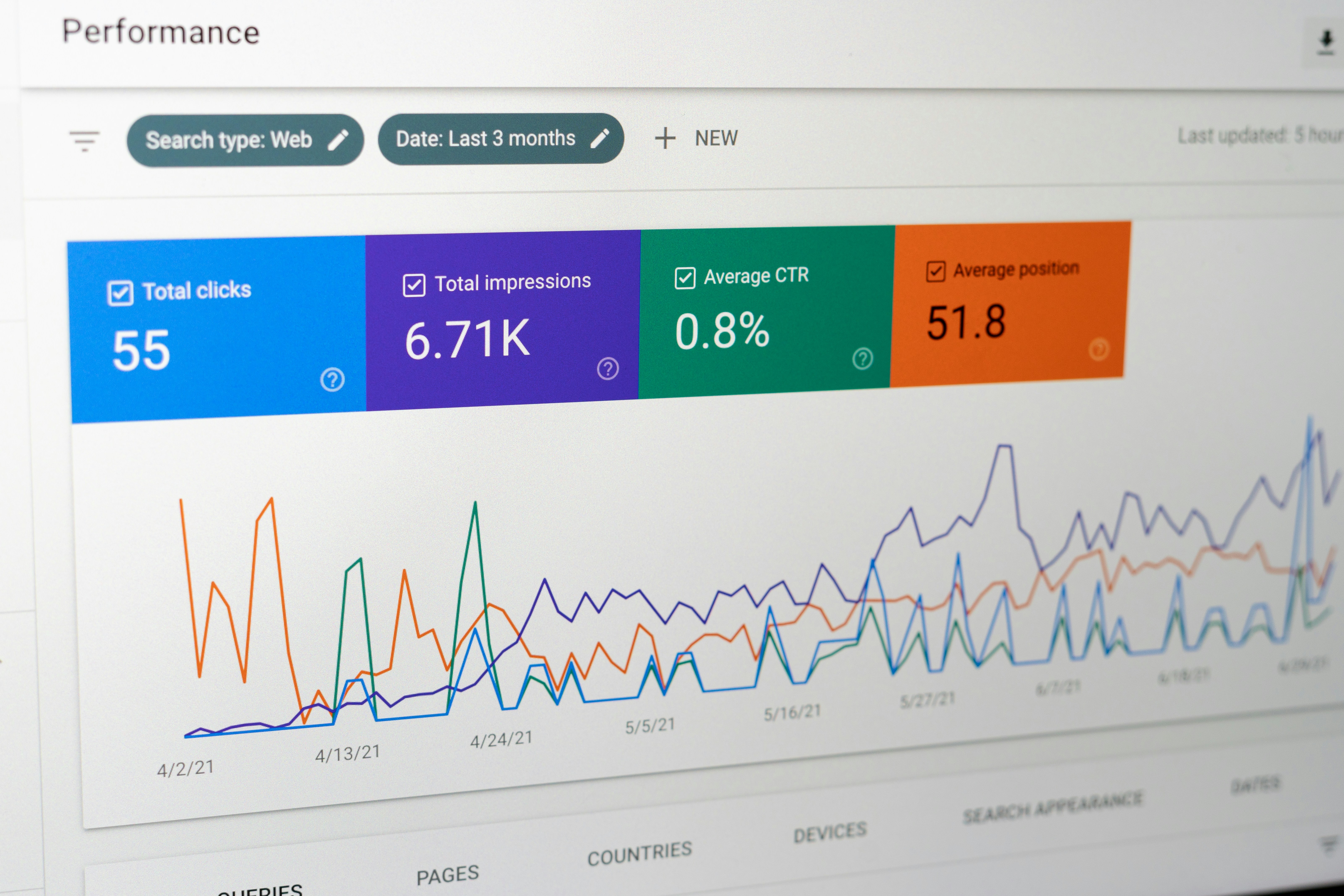
When utilizing Looker Studio for analyzing Twitter Ads, tracking essential metrics is crucial to optimize advertising campaigns effectively. One of the primary metrics to consider is the engagement rate, which measures the level of interaction that users have with an ad. This metric encompasses likes, retweets, replies, and clicks, providing insight into the ad’s ability to resonate with the audience. A higher engagement rate indicates that the content is engaging and relevant, thus prompting marketers to consider strategies that can further enhance user interaction.
Another metric integral to evaluating Twitter Ads is the click-through rate (CTR). This ratio of users who click on the ad compared to the total number of impressions is critical in gauging the effectiveness of the call-to-action and overall appeal of the ad. A low CTR may suggest that the ad’s creative elements or messaging require refinement, ensuring that they align with the interests of the target audience.
Impressions, or the total count of times an ad is displayed, are also vital as they reflect the reach of the campaign. Understanding the number of impressions can help marketers assess whether their message is capturing sufficient visibility in the crowded Twitter landscape. Moreover, examining impressions in conjunction with engagement metrics enables advertisers to further refine their target audience.
Lastly, conversions hold significant weight in measuring campaign success. Conversions indicate the actions taken by users in response to the ad, such as signing up for a newsletter or making a purchase. This metric ultimately reflects the return on investment (ROI) and informs future marketing strategies. By monitoring these key performance indicators, marketers can effectively leverage Looker Studio alongside the Twitter Ads API to optimize and adjust advertising campaigns, ultimately leading to improved performance and results.
Case Study: Successful Campaign Analysis
To illustrate the power of Looker Studio in conjunction with the Twitter Ads API, we examine a case study featuring a mid-sized retail company that sought to enhance its advertising strategy. The company faced challenges related to measuring the effectiveness of their ad campaigns on Twitter, particularly in terms of engagement and sales conversions. Traditional analytics tools provided limited insights, leaving the marketing team in search of a more comprehensive solution.
Upon integrating Looker Studio with the Twitter Ads API, the team gained access to a wealth of data that proved invaluable for their campaign analysis. They began by setting up data connectors that enabled real-time access to Twitter Ads metrics such as impressions, clicks, retweets, and conversions. This setup created a centralized dashboard where all important KPIs were visualized effectively. Additionally, the ability to segment the data by various demographics allowed for a deeper understanding of which audience segments were responding to specific ads.
One significant challenge the marketing team faced was determining the ROI of their Twitter campaigns. By utilizing Looker Studio’s powerful visualization and reporting features, they were able to correlate ad spending with sales data, leading to a clearer picture of ROI. The API integration facilitated automated data updates, allowing the team to make informed decisions based on the latest campaign performance.
As a result of adopting this approach, the retail company experienced a notable increase in engagement rates, with a corresponding boost in conversion rates during their promotional campaigns. The insights gleaned from the analysis enabled them to optimize their ad spend, focusing on high-performing ad formats and targeting strategies. This case study exemplifies how leveraging Looker Studio and the Twitter Ads API can significantly enhance campaign analysis and lead to improved business outcomes.
Troubleshooting Common Issues
When integrating Looker Studio with the Twitter Ads API, users may encounter several common issues that can hinder their analytics experience. Addressing these challenges promptly can enhance the overall performance of your data analysis efforts. One frequent problem is the failure to connect Looker Studio to the Twitter Ads API. This might occur due to incorrect API credentials or insufficient permissions. To resolve this, ensure that your Twitter developer account has been properly set up and that you have generated valid API keys and tokens. Additionally, verify that the permissions associated with your account allow read access to your data.
Another issue that users might face is data discrepancies between the Twitter Ads API and Looker Studio reports. This can arise for various reasons, including time zone misalignments or data syncing delays. To mitigate this problem, confirm that the time zone settings in Looker Studio correspond to those in your Twitter Ads account. It is also wise to routinely refresh your data sources in Looker Studio to guarantee that you are working with the most current information available from the Twitter Ads API.
Users may also experience incomplete or missing data in their reports. This can be caused by improper data queries or filtering settings. Ensuring that your data queries are accurately defined and that any applied filters fit your analytical objectives can significantly help in resolving these issues. If persistent problems arise, consider revisiting the API documentation for Looker Studio and Twitter Ads, as they contain valuable guidance on constructing effective queries and troubleshooting integration challenges.
By identifying these common pitfalls and implementing the recommended solutions, users can effectively leverage the capabilities of Looker Studio in conjunction with the Twitter Ads API, leading to more accurate and insightful analytics.
Future Trends in Analytics and Social Media Advertising
The landscape of analytics and social media advertising is rapidly evolving, particularly with the increasing integration of advanced technologies and data-driven strategies. As platforms like Twitter continue to grow in importance for marketers, understanding emerging trends is essential for staying competitive. One of the primary trends is the shift towards real-time analytics. As brands prioritize agility, the ability to access and analyze data instantaneously will enable marketers to adjust their strategies rapidly in response to consumer behavior and market changes.
Another significant trend is the rise of artificial intelligence (AI) and machine learning. These technologies are becoming more prevalent in analyzing large volumes of social media data, providing deeper insights into consumer preferences and trends. AI can enhance targeting by predicting which demographics will respond best to specific advertising campaigns, thereby optimizing ad spend and improving return on investment. Consequently, marketers should familiarize themselves with AI tools that can streamline campaign management and enhance performance tracking.
Furthermore, the integration of augmented reality (AR) and virtual reality (VR) into social media advertising is on the horizon. These technologies offer immersive experiences that can captivate consumers’ attention and drive engagement. As companies begin to experiment with AR and VR in their campaigns, analytics will play a crucial role in measuring the effectiveness of these innovative approaches.
Lastly, data privacy continues to be a concern, and marketers must adapt to evolving regulations. With stricter data protection laws being implemented globally, understanding the implications for data collection and usage will be paramount. Ethical data practices combined with transparent communication will not only ensure compliance but also enhance consumer trust.
By keeping an eye on these trends, marketers can better leverage analytics and social media advertising, such as through platforms like Twitter, to create impactful strategies that resonate with their target audiences.
Conclusion and Next Steps
In conclusion, integrating Looker Studio with the Twitter Ads API represents a remarkable opportunity for marketers aiming to enhance their analytical capabilities. This powerful combination allows businesses to visualize their Twitter advertising data in a more meaningful way, enabling informed decision-making driven by real-time insights. The ability to seamlessly pull data from the Twitter Ads API into Looker Studio means that marketers can create customized reports tailored to their specific needs, which can lead to improved performance in their advertising efforts.
As organizations increasingly rely on digital platforms like Twitter for their marketing endeavors, harnessing advanced analytics becomes imperative. The insights gathered through this integration not only help in evaluating campaign effectiveness but also aid in understanding audience behavior and preferences. By transforming raw data into actionable insights, businesses can optimize their social media strategies and drive better results.
For those interested in further exploring this synergy, we encourage you to take the following steps: First, familiarize yourself with both Looker Studio and the Twitter Ads API by reviewing their official documentation and tutorials, which offer extensive guidance on setting up and using these tools effectively. Additionally, consider joining relevant online communities and forums where you can exchange knowledge and experiences with other marketers utilizing these platforms.
Lastly, we invite readers to share their experiences and insights in the comment section below. Engaging with this content also fosters a collaborative environment where marketers can learn from one another. By staying proactive and seeking out additional resources, including courses and webinars focused on data analytics in marketing, you will be well-equipped to leverage Looker Studio and the Twitter Ads API to boost your marketing analytics further.