Introduction to Looker Studio and Twitter Ads API
Looker Studio is a robust data analytics platform designed to streamline the process of data exploration, visualization, and reporting. Its user-friendly interface allows marketers to gain insights from complex datasets, empowering them to make informed decisions based on real-time data analytics. By integrating various data sources, Looker Studio facilitates enhanced reporting capabilities that are vital for digital marketing strategies. This comprehensive platform is particularly useful for businesses aiming to maximize their return on investment (ROI) in digital advertising.
The Twitter Ads API, on the other hand, offers marketers access to a wealth of Twitter advertising data. Through this API, users can programmatically manage and optimize their advertising campaigns on Twitter, providing the ability to analyze metrics, track performance, and benchmark against industry standards. The integration of the Twitter Ads API with Looker Studio creates a powerful synergy that helps marketers visualize Twitter ad performance, understand audience engagement, and identify trends over time. This combination enhances the overall marketing strategy by enabling organizations to optimize their advertising spend efficiently.
The primary goal of this document is to provide a comprehensive guide to utilizing Looker Studio in conjunction with the Twitter Ads API. By following this guide, marketers will not only learn how to set up and connect these tools, but they will also discover practical strategies for leveraging the data generated from their Twitter advertising campaigns. The emphasis on data visualization and reporting highlights how such integration can significantly aid marketers in harnessing the full potential of Twitter’s advertising capabilities. In an era where data-driven insights are crucial for effective marketing, this guide will serve as a valuable resource for navigating the complexities of digital advertising using Looker Studio and the Twitter Ads API.
Understanding Looker Studio’s Capabilities
Looker Studio is a powerful business intelligence tool designed to enhance data analysis and reporting capabilities. At its core, Looker Studio enables users to engage in comprehensive data exploration, making it accessible to both technical and non-technical users. One of its standout features is the ability to connect a wide range of data sources, including the Twitter Ads API, facilitating seamless integration of advertising metrics with broader business intelligence.
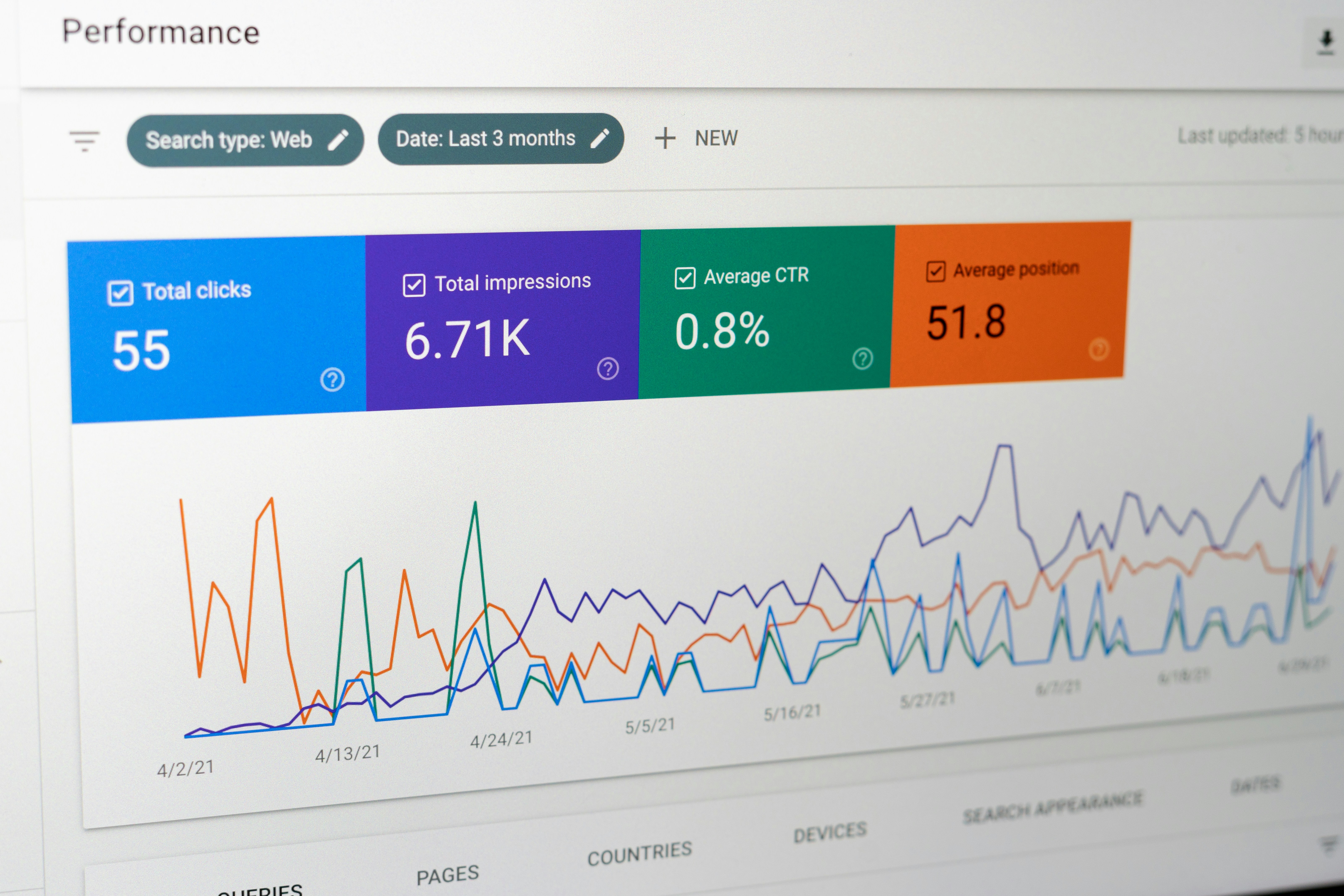
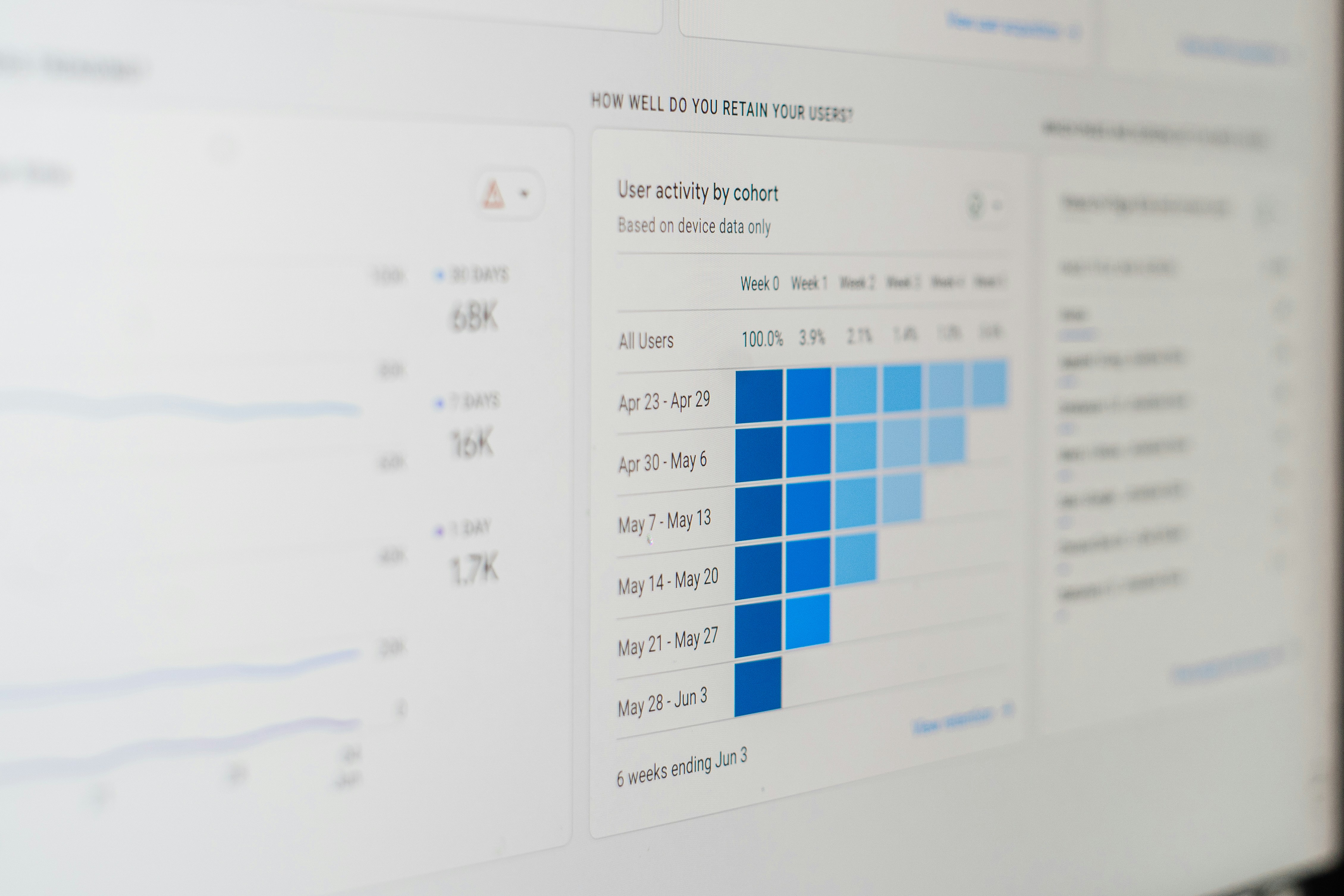
Data visualization is another critical aspect of Looker Studio’s functionality. Users can create various interactive and customizable visual representations of their data, such as charts, graphs, and geographical maps. This capability allows businesses to quickly discern patterns and trends within their Twitter advertising campaigns. By utilizing these visual tools, organizations can transform raw data into actionable insights, helping them to make informed decisions regarding their advertising strategies.
In addition to data exploration and visualization, Looker Studio excels in dashboard creation. Users can design personalized dashboards that aggregate key performance indicators (KPIs) and other essential metrics in real-time. This functionality is particularly beneficial for businesses looking to monitor their Twitter ad performance consistently and dynamically. Dashboards can serve as a centralized hub for various data segments, allowing stakeholders to track the effectiveness of their advertising efforts effortlessly.
The capabilities of Looker Studio not only improve the way businesses analyze data but also empower them to optimize their advertising strategies on platforms such as Twitter. By effectively utilizing Looker Studio’s features, organizations can enhance their reporting accuracy, respond to market changes quickly, and ultimately leverage their advertising spend more effectively. These advancements are crucial for any business aiming to stay competitive in an increasingly data-driven landscape.
Navigating the Twitter Ads API
The Twitter Ads API offers a robust set of functionalities for managing and analyzing advertising campaigns on the Twitter platform. By utilizing the API, developers can access a wealth of data, allowing for the optimization of advertising strategies. The API facilitates the retrieval of key metrics, campaign insights, and user engagement statistics, which are critical in assessing the effectiveness of Twitter advertisements.
The Twitter Ads API is structured around various endpoints that cater to specific needs. Some of the primary endpoints include those that allow users to manage campaigns, ad groups, and ads, as well as to gather performance analytics. Each endpoint serves a distinct function, making it essential for developers and marketers to familiarize themselves with the API’s documentation and capabilities to ensure they are leveraging the system effectively. For example, to retrieve metrics on ads’ performance, one might utilize the ‘GET’ requests provided by the API, which return statistical data regarding impressions, clicks, and conversions.
Authentication is a critical aspect of accessing the Twitter Ads API. Developers must register their applications with Twitter and obtain necessary authentication tokens. The API utilizes OAuth 2.0 for secure authentication, ensuring that only authorized users can interact with the endpoints. Proper handling of authentication credentials is vital for maintaining the integrity of data exchange with the API.
Understanding the structure of the Twitter Ads API is imperative for efficient data retrieval and manipulation. Marketers must grasp how different components, such as campaigns and ads, interrelate within the API framework. By doing so, they can undertake more strategic planning and implementation of Twitter ads, optimizing their campaigns for improved outcomes based on insights gathered via the API.
Setting Up Looker Studio to Connect with Twitter Ads API
To effectively connect Looker Studio with the Twitter Ads API, it is essential to follow a systematic approach. This process involves several key prerequisites, such as obtaining the necessary API keys and access tokens. These credentials will serve as the bridge between Looker Studio and the Twitter Ads API, ensuring secure and efficient data transfer.
The first step in this setup is to register as a Twitter developer if you have not already. This can be done by visiting the Twitter Developer Platform and creating an account. Once your account is activated, you need to create a Twitter App within the developer portal. This app will provide you with API keys and access tokens, which are critical for establishing the connection.
After creating your app, navigate to the “Keys and Tokens” section of your app settings. Here, you will find your API Key and API Secret Key, which you will need to copy down for later use. Additionally, generate your Access Token and Access Token Secret to complete your API credentials set. Ensure that your application has sufficient permissions to access Twitter Ads, as this will dictate the level of data you can retrieve.
With your API credentials in hand, the next step is to configure Looker Studio. Open Looker Studio and create a new data source. From the list of available connectors, select “Twitter Ads.” In the connection settings, input your API Key, API Secret Key, Access Token, and Access Token Secret. Click the “Connect” button to initiate the process. Once connected, you can start importing data from your Twitter Ads account into Looker Studio for reporting and analysis.
In conclusion, the setup process for connecting Looker Studio with the Twitter Ads API involves registering as a Twitter developer, creating a Twitter App, acquiring API keys and access tokens, and configuring Looker Studio for data connectivity. By following these steps, you will be well-positioned to leverage Twitter Ads data for insightful analysis.
Key Metrics and Dimensions Available in Twitter Ads API
The Twitter Ads API provides advertisers with a wide range of metrics and dimensions to measure the effectiveness of their advertising campaigns. Understanding these metrics is crucial for optimizing ad performance and achieving marketing objectives. One of the primary metrics tracked is impressions. This metric represents the total number of times an ad was displayed to users, providing insight into its visibility and reach. High impression counts indicate that an ad is being effectively served, but it is important to assess this alongside engagement metrics to gauge overall success.
Another important metric is the engagement rate, which measures the level of interaction that users have with an ad. This includes actions such as retweets, likes, comments, and shares. A high engagement rate signifies that the content resonates with the audience, indicating successful targeting and messaging. Tracking this metric allows advertisers to evaluate which ads drive meaningful interactions, aiding in the refinement of future campaigns.
Moreover, conversion metrics play a vital role in determining the effectiveness of ads in achieving specific business goals. These metrics include actions such as website visits, sign-ups, or purchases resulting from ad interactions. By analyzing conversion rates, advertisers can assess the return on investment (ROI) of their campaigns. Understanding which ads lead to successful conversions helps in allocating budget toward high-performing strategies.
The Twitter Ads API also allows for tracking additional dimensions such as geographic location, device type, and time of day. This granularity enhances targeting capabilities and informs advertisers about their audience’s behavior patterns. Ultimately, leveraging these key metrics and dimensions enables advertisers to make data-driven decisions, optimizing their campaigns to achieve superior outcomes.
Building Reports in Looker Studio with Twitter Ads Data
Creating compelling reports in Looker Studio using Twitter Ads data is an essential process for marketers and analysts alike, allowing them to visualize their advertising performance effectively. The integration of data from the Twitter Ads API into Looker Studio simplifies this process, providing users with powerful tools to customize their dashboards and reports. To begin, ensure that you have connected your Twitter Ads account to Looker Studio, enabling seamless data retrieval. This connection is fundamental for accessing key metrics such as impressions, engagements, and conversion data.
Once the data connection is established, users can initiate the report-building process. Looker Studio offers a variety of visualization options, including tables, charts, and scorecards that can be utilized to display Twitter Ads data effectively. Utilizing these visualization tools, one can create various reports that highlight essential insights such as campaign performance over time, account-level trends, or audience engagement metrics. It is advisable to select visual formats that best represent the data being analyzed, thus facilitating a clearer understanding of advertising performance.
Additionally, applying filters and date ranges within Looker Studio enhances the depth of analysis. This allows users to drill down into specific time frames or campaigns, providing a granular view of how Twitter ads are performing. By leveraging custom metrics and dimensions, analysts can tailor their reports to present the most relevant information, aligning it with their organizational goals and advertising strategies. Overall, building reports in Looker Studio with Twitter Ads data not only boosts data visibility but also drives informed decision-making, resulting in optimized advertising efforts.
Best Practices for Using the Looker Studio and Twitter Ads API
Utilizing Looker Studio in conjunction with the Twitter Ads API can significantly enhance your advertising strategy. To maximize the effectiveness of this integration, several best practices should be considered. First, optimizing data refresh rates is critical. When leveraging the Twitter Ads API, the frequency of data updates can impact the relevance and timeliness of insights. Adjusting the refresh rates based on your campaign needs can ensure that the data presented in Looker Studio reflects the most current performance metrics. For instance, more frequent updates may be necessary during high-activity periods while reducing the refresh rate during quieter times can help manage resource use.
Another essential consideration is managing API limitations effectively. The Twitter Ads API has specific usage caps that can affect your data retrieval if not properly addressed. Familiarizing yourself with these limitations can help in planning your data requests strategically. For optimal performance, it is advisable to batch requests and schedule them during off-peak times to avoid hitting rate limits. Following this protocol will not only ensure smoother operations but will also facilitate a more reliable flow of data into Looker Studio.
Ensuring the accuracy of your data cannot be overstated. Inaccurate or incomplete data can lead to misguided decisions, undermining the success of your advertising efforts. Implementing validation checks and conducting routine audits of the data extracted from the Twitter Ads API helps maintain data integrity. Furthermore, leveraging the features available in Looker Studio to investigate any discrepancies allows for timely corrective actions. By employing these best practices, users can enhance their experience and derive actionable insights, ultimately driving better decision-making and campaign performance.
Case Studies: Successful Implementations
Integrating Looker Studio with the Twitter Ads API has proven to be a transformative process for many organizations, providing insights that have significantly enhanced their advertising strategies. One notable case study involves a mid-sized e-commerce company that relied heavily on social media marketing. Initially, they struggled to optimize their advertising spend due to a lack of accessible data. By implementing Looker Studio integrated with the Twitter Ads API, they gained real-time visibility into their campaign performance, allowing them to make data-driven decisions. The result was a 30% increase in return on advertising spend (ROAS) within the first three months.
Another example can be found in the technology sector, where a software startup faced challenges in targeting the right audience. With the integration of Looker Studio, they harnessed the predictive analytics capabilities derived from the Twitter Ads API. This approach enabled them to identify trends and identify high-potential segments. As a consequence, they saw a remarkable 25% uptick in customer engagement and a reduction in cost-per-click (CPC) by 15%. The ability to visualize and analyze data points from Twitter helped them refine their ad creative and promotional strategies effectively.
In the non-profit sector, an organization focused on raising awareness for environmental issues utilized Looker Studio to analyze their Twitter ads. They encountered difficulties in illustrating the impact of their campaigns quantitatively. By leveraging the data from the Twitter Ads API, they were able to present compelling visual reports demonstrating campaign success to stakeholders, which consequently increased donor contributions by 40%. These case studies illustrate that integrating Looker Studio with the Twitter Ads API not only resolves operational challenges but also enhances overall advertising efficacy across diverse sectors.
Conclusion and Future Directions
In light of the detailed exploration of Looker Studio and the Twitter Ads API, it is evident that these tools present significant opportunities for marketers aiming to elevate their advertising endeavors. By effectively integrating Looker Studio’s data visualization capabilities with the Twitter Ads API, marketers can harness the power of rich analytics to optimize their campaigns and drive better engagement.
The combination of these platforms allows for meticulous monitoring and in-depth analysis of advertising metrics, enabling users to uncover actionable insights. As companies increasingly shift towards data-driven decision-making, the synergy between Looker Studio and Twitter Ads API will facilitate enhanced campaign performance and informed strategic planning. Marketers can employ this integration to fine-tune their targeting, improve ad spend efficiency, and ensure alignment with market trends.
Looking ahead, it is important for users to stay informed about potential updates and advancements in both Looker Studio and the Twitter Ads API. Continued developments may introduce features that enhance functionality, making data analysis even more intuitive. As these platforms evolve, marketers would do well to adapt to these changes, ensuring that their advertising strategies remain competitive. Furthermore, as digital advertising trends shift, there may be opportunities for new integrations with other emerging technologies that can complement the capabilities of Looker Studio and Twitter Ads API.
Overall, the convergence of these platforms signals a future where marketers can leverage sophisticated tools to not only bolster their advertising effectiveness but also to pave the way for innovative marketing approaches. Staying proactive in adapting to these advancements will be crucial for any marketing professional aiming to thrive in the dynamic landscape of digital advertising.