
Introduction to Facebook Insights API
The Facebook Insights API is an essential tool for businesses and developers looking to leverage the vast amount of data generated on the Facebook platform. This powerful application programming interface (API) allows users to access a wealth of information regarding their Facebook pages, applications, and ads. By utilizing the Facebook Insights API, organizations can better understand their audience, track engagement levels, and analyze the effectiveness of their marketing strategies.
With the increasing focus on data-driven decision-making, the significance of the Facebook Insights API cannot be overstated. It enables businesses to collect valuable analytics on user interactions, demographic data, and content performance. One of the key advantages of using this API is the ability to customize the data retrieved, allowing users to focus on specific metrics that align with their business objectives. For instance, businesses can access vital information such as page impressions, likes, shares, comments, and other indicators of audience engagement. This information, when properly analyzed, can inform future marketing campaigns and enhance overall strategy.
Moreover, the API facilitates the extraction of various performance metrics pertaining to advertisements. By analyzing the effectiveness of ad campaigns through the Facebook Insights API, marketers can optimize their strategies in real-time, leading to improved return on investment. Additionally, the data can help identify trends and patterns, making it easier to anticipate customer preferences and enhance audience targeting strategies.
Overall, the Facebook Insights API serves as a valuable resource for businesses aiming to harness the full potential of their presence on Facebook. By accessing and leveraging the data made available through this API, organizations can refine their marketing strategies, foster greater customer engagement, and ultimately drive growth.
Getting Started with Facebook Insights API
To effectively utilize the Facebook Insights API, it is essential to follow a series of steps that lay the groundwork for accessing this powerful tool. The first step is to create a Facebook Developer Account, which is a straightforward process. Visit the Facebook for Developers website and sign up using your existing Facebook account. Once registered, you should review and accept the terms and conditions to gain access to the developer portal.
After successfully creating your Developer Account, the next step is to set up a new application. Navigate to the “My Apps” section of the developer dashboard and click on “Create App.” You will be prompted to choose the type of app you want to create; select “For everything else” for a comprehensive development experience. Fill in the required fields, including the display name and contact email, then submit to create your app. This new app will serve as a platform for accessing the Facebook Insights API.
Once your app is created, it is critical to acquire the necessary access token to make API calls. In the app dashboard, locate the “Settings” section and obtain your App ID and App Secret. These credentials are vital for generating an access token. To do this, visit the Graph API Explorer which is accessible via the Tools menu. Using your App ID and App Secret, generate a user access token that permits you to interact with Facebook’s data securely.
Throughout this process, ensure that you have the relevant permissions for the Insights API, as access can often be restricted based on the type of data you intend to retrieve. Each permission must be explicitly requested, emphasizing the importance of understanding the scope of data you require. Following these steps will prepare you to explore various endpoints within the Facebook Insights API with ease and confidence, setting you on the path to harness valuable insights from your Facebook activity.
Understanding the Data Structure of Facebook Insights API
The Facebook Insights API provides a robust and versatile framework for accessing data related to user interactions on the platform. At the heart of this API lies its data structure, which is critical for developers and analysts seeking to extract valuable insights. The primary components of this structure include metrics, dimensions, and time intervals, each fulfilling a distinct role in data analysis.
Metrics refer to the quantitative aspects of the data, such as the number of likes, shares, comments, or impressions. These metrics enable users to measure engagement and overall performance. For example, when utilizing a Facebook Insights API example, one might analyze how many people interacted with a particular post over a specified period. Understanding which metrics are available and how they relate to one another helps in developing strategies to enhance content effectiveness.
Dimensions, on the other hand, provide the context in which metrics are analyzed. These can include parameters such as age, gender, location, or the type of content (e.g., video, image). Dimensions allow for a granular examination of the data, enabling users to segment insights based on particular characteristics. For instance, by employing a Facebook Insights API example, users can see how different demographics respond to specific campaigns, thus informing targeted marketing efforts.
Time intervals dictate the timeframe of the data being retrieved, allowing analysts to assess trends over days, weeks, or months. This temporal aspect is essential for understanding the hashtag metrics and variations in user engagement over time. Overall, a comprehensive grasp of the data structure within the Facebook Insights API enables professionals to execute more informed analyses and derive actionable insights, ultimately enhancing their social media strategies.
Example Use Cases for Facebook Insights API
The Facebook Insights API serves as a powerful tool for businesses across varied industries, offering valuable data that enhances decision-making and strategic planning. One notable example can be found in the retail sector, where companies leverage the API to analyze customer engagement with their advertising campaigns. By extracting data on post reach, impressions, and user interactions, retailers can refine their marketing strategies, tailoring content to better resonate with their target audience.
In the media and entertainment industry, the Facebook Insights API is integral in understanding viewer preferences. Streaming services, for instance, utilize the API to track audience reactions to their posts about new releases. By analyzing metrics such as video views and reactions, these services gain actionable insights that inform promotional efforts, helping to optimize their content calendars and improve audience retention rates.
Moreover, nonprofit organizations increasingly turn to the Facebook Insights API to measure the effectiveness of their fundraising campaigns. By assessing metrics related to donor engagement and reach, these organizations can fine-tune their outreach efforts. For instance, by analyzing which posts resonate most with their audiences, they can craft future content that drives higher conversion rates and maximizes donations.
Social media management agencies also benefit from the Facebook Insights API, as it enables them to provide detailed performance reports to their clients. By utilizing the data retrieved from the API, these agencies can present compelling insights related to audience demographics and behavior patterns. This information allows for tailored campaign strategies that enhance overall client satisfaction and outcomes.
These examples illustrate the versatility and extensive application of the Facebook Insights API across different sectors, highlighting its role in driving informed business decisions and fostering growth. The insights obtained from the API not only boost understanding of user interactions but also empower companies to refine their strategies for enhanced engagement.
How to Make API Calls: Step-by-Step Guide
Making API calls to retrieve data from the Facebook Insights API can seem daunting, but following a structured approach can simplify the process. In this section, we will provide detailed instructions using two popular programming languages: Python and JavaScript. These examples will illustrate how to effectively interact with the API to extract valuable insights.
First, let us explore the example using Python. To start, ensure that you have the requests library installed. This can typically be done using pip:
pip install requests
Once the library is set up, you can initiate an API call with the following code snippet:
import requestsaccess_token = 'YOUR_ACCESS_TOKEN'page_id = 'YOUR_PAGE_ID'url = f'https://graph.facebook.com/v12.0/{page_id}/insights?access_token={access_token}'response = requests.get(url)data = response.json()print(data)Replace ‘YOUR_ACCESS_TOKEN’ and ‘YOUR_PAGE_ID’ with your actual access token and page ID. This snippet retrieves insights about your Facebook page, allowing you to analyze engagement metrics.
Next, let’s consider an example using JavaScript. You can utilize the Fetch API for sending requests. Below is a sample code:
const accessToken = 'YOUR_ACCESS_TOKEN';const pageId = 'YOUR_PAGE_ID';const url = `https://graph.facebook.com/v12.0/${pageId}/insights?access_token=${accessToken}`;fetch(url).then(response => response.json()).then(data => console.log(data)).catch(error => console.error('Error:', error));Similar to the Python example, you will need to insert your access token and page ID. The JavaScript example also retrieves insights, making it easier to integrate with web applications.
Through these examples, you can see how to effectively make API calls to the Facebook Insights API. Each programming language has its unique syntax, but the underlying process remains consistent across applications. In conclusion, mastering the Facebook Insights API requires understanding how to make these calls, allowing you to harness the data for better decision-making and improved engagement strategies.
Analyzing and Interpreting Facebook Insights Data
Analyzing and interpreting data retrieved from the Facebook Insights API is essential for enhancing your marketing strategies. Facebook Insights provides a wealth of information, including metrics related to user engagement, page performance, and demographic details of your audience. Understanding how to analyze this data enables businesses to make informed decisions that optimize their social media presence.
Initially, it is critical to familiarize oneself with the key performance indicators (KPIs) generated by the Facebook Insights API. Metrics such as reach, impressions, engagements, and click-through rates are vital for gauging the effectiveness of your content. By identifying trends over time, marketers can recognize what types of posts resonate the most with audiences and refine their content strategy accordingly.
Furthermore, segmenting the data based on demographics can reveal valuable insights into different audience groups. For instance, examining engagement levels by age, gender, or location allows businesses to tailor content specifically to their target audience. This leads to improved interaction rates and potential conversions, as content becomes more relevant to each demographic segment.
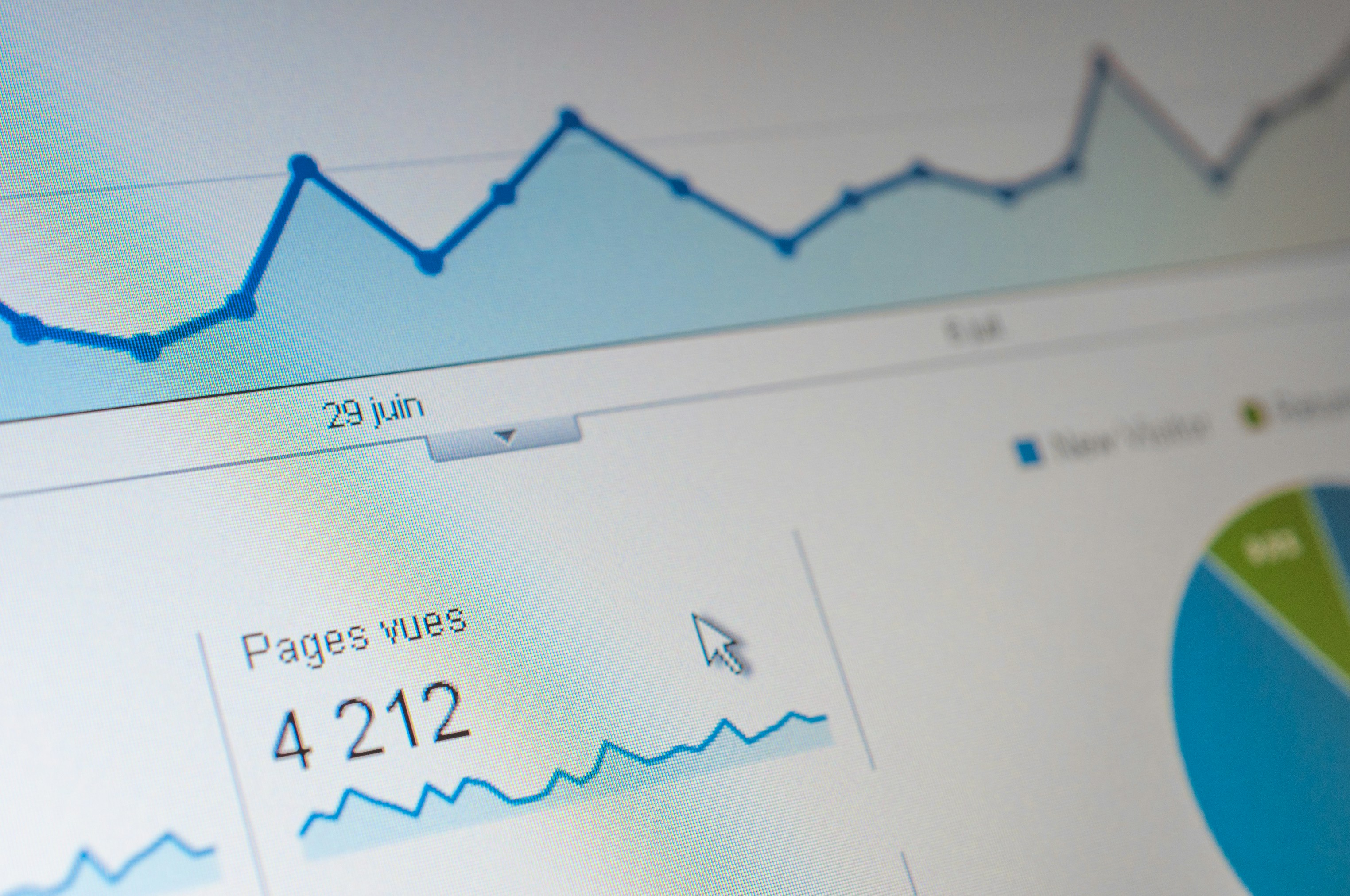
It is also prudent to employ comparative analysis when interpreting data. By analyzing performance against competitors or previous campaigns, organizations can better understand their standing in the market and identify areas for improvement. Utilizing visual representations such as graphs and charts can facilitate easier interpretation of the data, making it accessible for stakeholders who may not be versed in data analytics.
Identifying actionable insights is crucial for maximizing the impact of marketing efforts. By drawing conclusions from the data, businesses can devise strategies to enhance engagement, increase conversion rates, and ultimately drive sales. The Facebook Insights API example serves as a powerful tool for data-driven decision-making, enabling marketers to adapt and thrive in a competitive landscape.
Common Challenges and Troubleshooting Tips
Working with the Facebook Insights API can present various challenges that developers and marketers may face. Understanding these obstacles and knowing how to address them is essential for effective data integration and utilization. One common issue is the complexity of properly authenticating API requests. Ensuring that you have the correct tokens and permissions is crucial, as improper authentication can lead to errors that hinder access to valuable insights. It’s advisable to frequently review Facebook’s documentation on authentication to avoid pitfalls associated with access rights.
Another challenge arises from understanding the limits and quotas associated with the API. The Facebook Insights API has certain restrictions on the number of requests you can make within a specified time frame. Exceeding these limits can result in rate-limiting errors, which may disrupt your data analysis processes. To mitigate this issue, implementing efficient request handling, including batch processing and caching, can significantly improve performance while staying within the allowed limits.
Data inconsistencies can also pose a significant challenge when using the Facebook Insights API. Sometimes, the figures returned may not align with user expectations or previous reports, leading to confusion. It is imperative to regularly compare API outputs with data presented on Facebook’s native analytics platform to identify any discrepancies. Additionally, maintaining clear records of API request and response logs will help pinpoint inaccuracies and simplify troubleshooting.
Adopting best practices for integration is vital to minimize these challenges. These may include regular updates to your codebase in line with Facebook API changes, thorough testing before full-scale implementation, and adhering to clear version control practices. Implementing these strategies will enhance the robustness of your integration and ultimately yield more accurate insights from the Facebook Insights API.
Future of Data Analytics with Facebook Insights API
The landscape of data analytics is rapidly evolving, and the Facebook Insights API is at the forefront of this transformation. As businesses and marketers increasingly rely on social media platforms for consumer engagement, the ability to derive actionable insights from this data becomes imperative. The Facebook Insights API provides a robust framework for accessing detailed metrics about user interactions, helping organizations understand their audience better and tailor their strategies accordingly.
One anticipated trend is the integration of artificial intelligence and machine learning within the Facebook Insights API. With advancements in data processing capabilities, businesses can expect more sophisticated tools that automatically analyze user engagement patterns. These tools will enable organizations to predict user behavior and optimize their content strategies effectively. For instance, the insights gleaned from social media interactions can inform better ad targeting and enhance overall campaign performance.
Moreover, as privacy regulations tighten globally, the importance of ethical data usage will become increasingly significant. The Facebook Insights API is expected to evolve in a manner that emphasizes transparency and user consent. This development will not only build trust between users and brands but also equip businesses with reputable methods to acquire and analyze data. Staying current with these changes will be crucial for organizations that seek to leverage social media metrics responsibly.
Furthermore, the demand for real-time data insights will lead to enhancements in the Facebook Insights API’s functionality. Businesses are looking for ways to respond rapidly to user feedback and market trends. As a result, future updates may include more dynamic reporting features and real-time analytics options. This capability will empower organizations to make more informed decisions quickly and to adapt their strategies to meet evolving consumer expectations.
In conclusion, the future of data analytics with the Facebook Insights API is set to be dynamic and transformative. By embracing these anticipated trends, businesses can enhance their data-driven strategies and maintain a competitive edge in an ever-changing digital landscape.
Conclusion and Additional Resources
In conclusion, leveraging the Facebook Insights API stands out as a critical asset for businesses striving to optimize their marketing strategies. By utilizing this powerful tool, organizations can gain a comprehensive understanding of their audience engagement, content performance, and overall social media presence. The Facebook Insights API not only facilitates data access but also empowers marketers to make informed decisions that can significantly enhance their campaigns. With the insights derived from this API, businesses can identify trends, adjust their approaches, and ultimately improve their return on investment.
To further assist in the journey of mastering the Facebook Insights API, a collection of additional resources is available. These resources include various blog posts that delve deeper into different aspects of utilizing the Insights API effectively. Readers can explore these blogs to gain a well-rounded understanding of how to incorporate insights into their marketing efforts. For more tailored guidance, the contact page offers an opportunity to connect with experts who can provide personalized support. Furthermore, reporting tools such as Looker Studio enhance the capabilities available for analyzing data more vividly and interactively.
To access these valuable resources, please visit the following links: for tailored advice, check out our Contact Us page, for effective reporting tools, visit Looker Studio Reporting, and for further learning, explore our extensive collection of articles on our blog. Engaging with these resources will enable you to harness the full potential of the Facebook Insights API and elevate your marketing initiatives effectively.