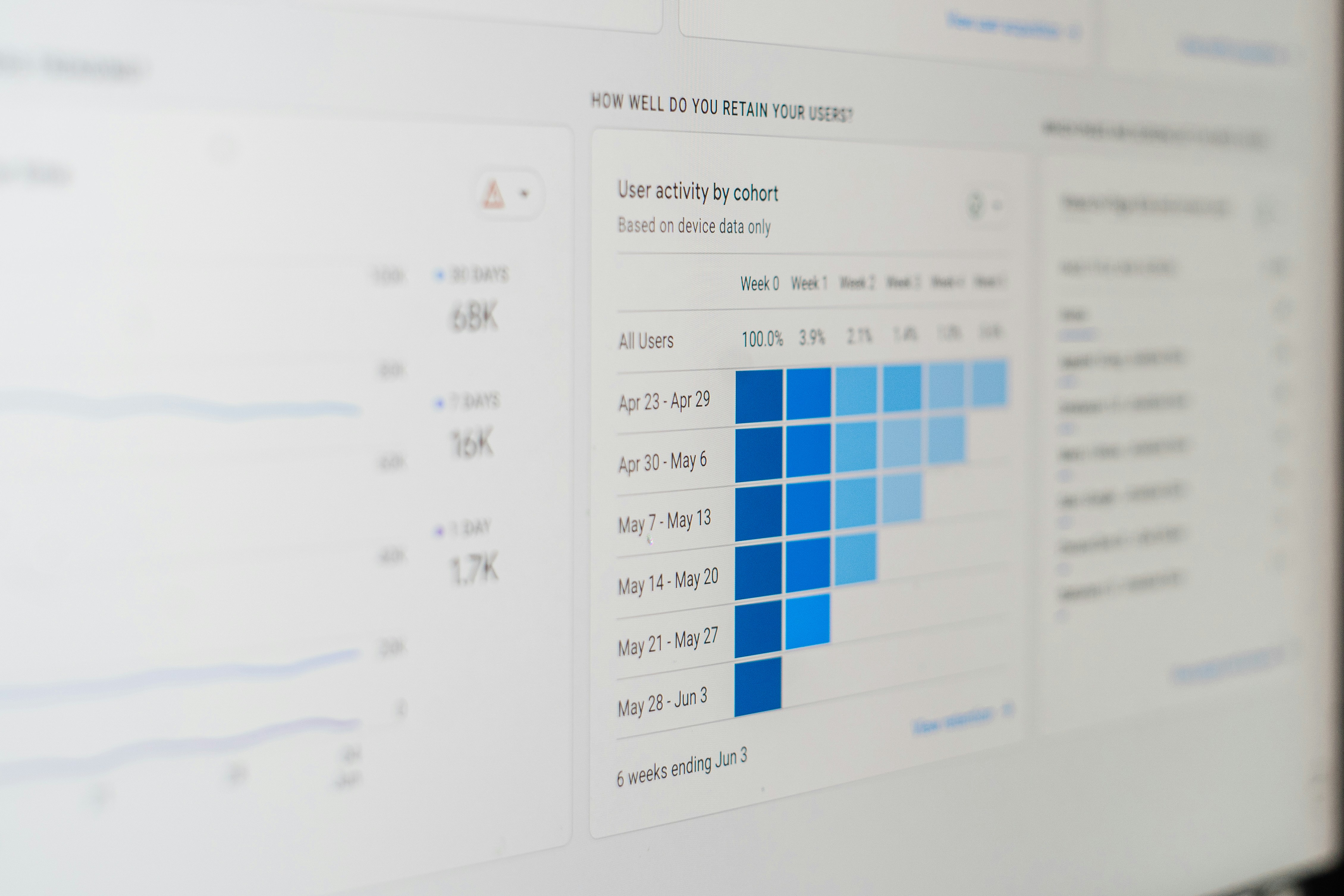
Introduction to Looker Studio and Analytics Canvas
Looker Studio is an advanced analytics platform that enables organizations to harness the power of data through comprehensive visualization and reporting capabilities. As a tool developed for data analysis, it empowers users to create customizable dashboards that present insights in a visually appealing format. By integrating seamlessly with various data sources, Looker Studio stands out for its ability to transform complex datasets into understandable visuals that facilitate informed decision-making.
Among its innovative features, the Analytics Canvas represents a significant development in the realm of data visualization. This functionality serves as a dynamic space where analytical workflows can be crafted effectively, allowing users to merge, filter, and manipulate data effortlessly. The Analytics Canvas is particularly pertinent for funnel analysis as it provides a structured environment for visualizing user journeys, measuring conversion rates, and identifying drop-off points in a straightforward manner. Organizations can utilize these visualizations to track the effectiveness of their marketing strategies and optimize customer experiences.
Through the use of Looker Studio’s Analytics Canvas, stakeholders gain the ability to present complex findings in formats that are accessible to various audiences, from technical teams to executive management. This democratization of data is essential in fostering a data-driven culture where insights derived from funnel reports significantly influence strategic planning. By understanding the fundamental components of Looker Studio and the potential of the Analytics Canvas, users can further appreciate how these tools streamline the reporting process and enhance overall analytical capabilities.
Understanding Funnel Reporting and Its Importance
Funnel reporting is a vital analytical approach that allows businesses to visualize and evaluate the customer journey through various stages, from initial awareness to final conversion. This strategic tool breaks down the marketing or sales funnel into discrete phases, highlighting how potential leads progress through each step of the process. Typically, a sales funnel comprises several stages: awareness, interest, consideration, and decision. Each of these stages represents a critical point where a decision is made, either advancing the customer toward conversion or causing them to drop off.
The importance of funnel reporting cannot be overstated, as it serves as an essential framework for understanding and enhancing customer engagement. By examining the conversion rates at each stage of the funnel, organizations can identify bottlenecks that hinder progress. For instance, if a significant number of leads drop off during the consideration phase, this may signal issues with product messaging or the need for enhanced educational content. Addressing these barriers can lead to improved performance and higher conversion rates.
Real-world examples underscore the relevance of funnel reporting in various industries. For an e-commerce company, analyzing the funnel may reveal that customers are abandoning their carts before completing a purchase. By leveraging insights from funnel analytics, the company might implement targeted follow-up emails or incentivize purchases to encourage conversion. Similar strategies can be applied across sectors, such as service-based businesses, where understanding the funnel can reveal insights on client engagement and retention. Ultimately, effective funnel reporting empowers businesses to make data-driven decisions, optimize marketing efforts, and substantially enhance their overall conversion strategies.
Features of Looker Studio Analytics Canvas Templates
Looker Studio Analytics Canvas templates offer a comprehensive suite of features tailored specifically for funnel reporting. Among these, the customizable elements stand out as a significant advantage. Users can modify templates to align with their specific business needs by adding or removing metrics, changing colors, and selecting different chart styles. This level of customization ensures that organizations can visualize their data most effectively, thereby enhancing decision-making processes.
Another vital feature of Looker Studio templates is their user-friendly interface. The platform is designed to be intuitive, allowing users of varying technical expertise to navigate and utilize the features effortlessly. This focus on usability means that even those who may not be deeply familiar with data analytics can create insightful funnel reports. The drag-and-drop functionality facilitates the easy arrangement of elements, making it straightforward to build powerful visual representations of data.
Data integration capabilities further strengthen the offering, allowing users to pull data from a variety of sources seamlessly. Looker Studio supports integration with common databases and external tools like Google Analytics, ensuring that all necessary data is readily available for analysis. This feature is particularly crucial as it enables companies to create dynamic funnels that reflect real-time performance by updating metrics continuously.
When it comes to visualizations, Looker Studio Analytics Canvas templates provide diverse options tailored for different funnel stages. Whether it’s showcasing the top-of-funnel metrics, analyzing conversion rates, or reviewing customer retention data, the platform offers visual tools—such as bar charts, line graphs, and pie charts—effectively communicating insights at each stage of the buyer journey. This variety in visualization options enhances the clarity of the data and helps stakeholders grasp key trends quickly.
Accessing Looker Studio Canvas Templates
To begin your journey with Looker Studio and its versatile Analytics Canvas templates, you first need to access the platform. Start by navigating to the official Looker Studio website and logging in with your credentials. If you do not have an account, you will need to create one, which is a straightforward process requiring basic information. Once logged in, you will be directed to the main dashboard where a variety of templates are available for use.
Finding Relevant Templates
To locate the Analytics Canvas templates specifically designed for funnel reporting, utilize the search function available on the templates page. Input keywords such as “funnel reporting” or “analytics templates” to refine your search results. You may also browse through the categories listed on the left sidebar to identify relevant templates suited for your reporting needs. Each template is accompanied by a brief description outlining its purpose, enabling you to select the one that best aligns with your business objectives.
Customizing Templates
Once you select a template, click on it to open a preview. Looker Studio allows you to customize templates based on specific business requirements. You can modify elements such as charts, tables, and graphs by clicking on them to adjust their data sources and visualization types. Ensure that you incorporate your company’s branding and color schemes to enhance consistency across reports. To input data, connect your data sources by selecting “Add Data” and following the prompts to link Google Sheets, databases, or other sources we use. Each connected data source will update the canvas automatically, fostering real-time analytics.
Best Practices and Tips
For beginners, it is advisable to familiarize yourself with Looker Studio’s capabilities. Start by experimenting with different templates and functionalities before finalizing your reporting setup. Document your processes and save your canvas templates to build a library of customized reports. Regularly revisit your data inputs to ensure accuracy and relevance in your reporting. Engaging with Looker Studio’s community forums can also provide valuable insights and tips from experienced users, enhancing your understanding and utilization of the platform.
Case Studies: Successful Implementations of Funnel Reporting
As businesses increasingly recognize the importance of data-driven decision-making, the implementation of analytic tools has become paramount. Looker Studio’s Analytics Canvas templates for funnel reporting have proven to be game-changers for various organizations. This section highlights notable case studies that exemplify how these templates support businesses in achieving their analytic objectives.
In one instance, a mid-sized e-commerce firm grappling with high cart abandonment rates turned to Looker Studio for assistance. The initial challenges included a lack of insight into customer behavior during the purchasing process. By utilizing the funnel reporting templates, the organization could visualize different stages of the customer journey, from product page visits to checkout completions. The team identified key drop-off points and implemented targeted strategies, such as personalized email reminders and streamlined checkout processes. As a result, the firm reported a 25% increase in completed purchases within three months.
Another compelling case comes from a leading SaaS provider that struggled with lead conversion. Before employing Looker Studio’s funnel reporting templates, the company faced difficulties in understanding the efficacy of its lead nurturing strategies. By integrating the templates into their reporting workflow, the team achieved clarity on how prospects interacted with various marketing touchpoints. The funnel visualization facilitated better segmentation of leads, allowing for tailored follow-ups. Consequently, the company experienced a 40% improvement in lead conversion rates over a six-month period.
Lastly, a well-established non-profit organization faced challenges in understanding donor engagement levels throughout their fundraising campaigns. By leveraging Looker Studio’s Analytics Canvas templates, they could track donor actions in a comprehensive funnel model. This helped them identify which segments of their appeals were most effective, leading to more focused initiatives and ultimately resulting in a 30% increase in donations. Each of these case studies highlights the transformative impact of adopting Looker Studio analytics in funnel reporting and the tangible benefits that can arise from informed decision-making.
Common Challenges and Solutions in Funnel Analytics
Funnel analytics play a crucial role in understanding customer behavior throughout the purchasing journey. However, businesses often encounter several challenges when analyzing funnel data. One prominent challenge is data accuracy. Inaccurate data can arise from tracking errors, data entry mistakes, or improper integration of analytics tools. This can lead to misleading insights that impact decision-making. To address this challenge, it is essential to implement rigorous data validation processes. Regularly auditing data sources and ensuring proper tracking mechanisms, such as tags or cookies, can enhance reliability.
Another significant issue is integration with other platforms. Businesses often use multiple tools and systems to manage different aspects of their operations, which can complicate the aggregation of funnel data. Variations in data formats or inconsistent reporting standards can further exacerbate this problem. Investing in comprehensive integration solutions or employing middleware tools can streamline this process. Ensuring that all data sources align with the same metrics and definitions helps create a cohesive funnel report that provides accurate insights.
Furthermore, the interpretation of results can prove challenging for many organizations. Metrics such as conversion rates, drop-off points, and customer segmentation require careful analysis to draw actionable conclusions. Misinterpretation can stem from a lack of context or understanding of industry benchmarks. To combat this issue, businesses should focus on training their teams or using analytical tools that offer in-depth educational resources. Leveraging Looker Studio Analytics Canvas templates can also assist users by providing clear visualization, making it easier to convey complex data into understandable insights.
Addressing these common challenges in funnel analytics requires a strategic approach that encompasses data accuracy, integration, and interpretation. By adopting best practices and utilizing tools like Looker Studio, businesses can enhance their funnel reporting experience significantly.
Best Practices for Effective Funnel Reporting
Effective funnel reporting is critical for understanding customer journeys and driving business growth. When utilizing Looker Studio Analytics Canvas templates for this purpose, adhering to best practices is essential for achieving accurate, relevant insights. One of the foremost practices is maintaining data hygiene. Clean, accurate data is the backbone of reliable analytics. Regular audits should be conducted to identify inaccuracies or outdated information, ensuring that the reporting reflects the present state of operations and customer interactions. This step will significantly enhance the quality of your funnel reporting.
Additionally, ensuring regular updates to dashboards and reports is vital. Automated processes should be established to refresh data at set intervals or triggered events to keep the reporting relevant. Real-time data not only offers the latest insights but also allows for agile responses to market changes and consumer behavior. Having up-to-date information supports teams in making informed decisions based on current trends rather than relying on stale data.
Fostering collaboration among teams also plays a pivotal role in effective funnel reporting. Encouraging cross-departmental communication can lead to enriched data interpretation. By integrating insights from marketing, sales, and customer service teams, a more complete view of the funnel can be attained. These collaborative efforts create a synergistic environment where diverse perspectives drive a common objective: understanding and improving the customer journey.
Furthermore, interpreting analytics in a meaningful way is essential. It requires not just analyzing the numbers but deriving actionable insights that align with business goals. The focus should be on continuous improvement and leveraging data-driven decision-making to enhance customer experiences and optimize conversion rates. Ultimately, incorporating these best practices into your Looker Studio Analytics Canvas templates will provide clearer visibility into your funnels and support achieving strategic objectives effectively.
Future Trends in Analytics and Funnel Reporting
As we navigate through an era characterized by rapid technological advancements, the landscape of analytics and funnel reporting continues to evolve dramatically. Organizations are increasingly leveraging sophisticated tools like Looker Studio to gain deeper insights and streamline their reporting processes. One of the most significant trends is the integration of artificial intelligence (AI) and machine learning (ML) into analytics platforms. This technology allows for automated data analysis, providing users with actionable insights in real-time and enhancing decision-making efficiencies.
Furthermore, the shift towards self-service analytics empowers non-technical users to create customized funnel reports without requiring extensive data expertise. By utilizing intuitive interfaces and templates, such as those offered by Looker Studio, business stakeholders can quickly visualize their data and track consumer journeys more effectively. This democratization of data not only fosters a data-driven culture but also accelerates the decision-making process, ultimately leading to improved customer engagement and contribution to revenue growth.
Consumer behavior is also undergoing a transformation, necessitating that businesses adapt their analytics strategies. The rise of omnichannel marketing, for instance, means that companies must understand how customers interact across multiple platforms. As a result, funnel reporting will need to incorporate a variety of customer touchpoints, thus providing a comprehensive overview of the customer journey. This holistic view will not only help businesses optimize their marketing tactics but also enhance user experiences through personalized engagement.
Moving forward, organizations should also consider the importance of data privacy and compliance in their analytics practices. With increasing regulations like GDPR and CCPA, businesses will need to balance their data collection efforts with ethical considerations, ensuring that consumer trust is maintained. Embracing these upcoming trends will be essential for anyone looking to leverage analytics for better funnel reporting and maintain a competitive advantage in their respective markets.
Conclusion: Harnessing the Power of Looker Studio for Data-Driven Growth
In the ever-evolving landscape of business analytics, Looker Studio has emerged as a vital tool for professionals seeking to harness data insights effectively. The comprehensive exploration of Looker Studio Analytics Canvas templates for funnel reporting has highlighted the critical role these templates play in driving data-backed decisions. By utilizing these templates, organizations can visualize complex data sets, track their customer journey, and identify key trends that influence conversion rates.
Throughout this blog post, we have discussed how Looker Studio streamlines the process of funnel reporting, making it more accessible to users at all levels of expertise. From simplifying data collection to providing visually appealing dashboards, Looker Studio enhances the decision-making process. Notably, the ability to customize these templates allows users to tailor their data visualizations to meet specific business objectives, facilitating more effective communication and collaboration within teams.
Moreover, the integration of Looker Studio with various data sources ensures that users have access to real-time data, which is a significant advantage in today’s fast-paced environment. This capability empowers businesses to stay responsive to market changes and customer preferences, fostering an environment of proactive strategy formation. As organizations continue to prioritize data-driven growth, leveraging Looker Studio’s capabilities becomes not just advantageous but imperative.
We encourage readers to delve into the features and functionalities that Looker Studio offers, exploring the Analytics Canvas templates designed for accurate funnel reporting. Implementing these tools can yield transformative insights, driving not only efficiency but also sustainable growth. Embrace the power of Looker Studio and position your organization to effectively navigate the complexities of today’s data landscape and thrive in a competitive market.