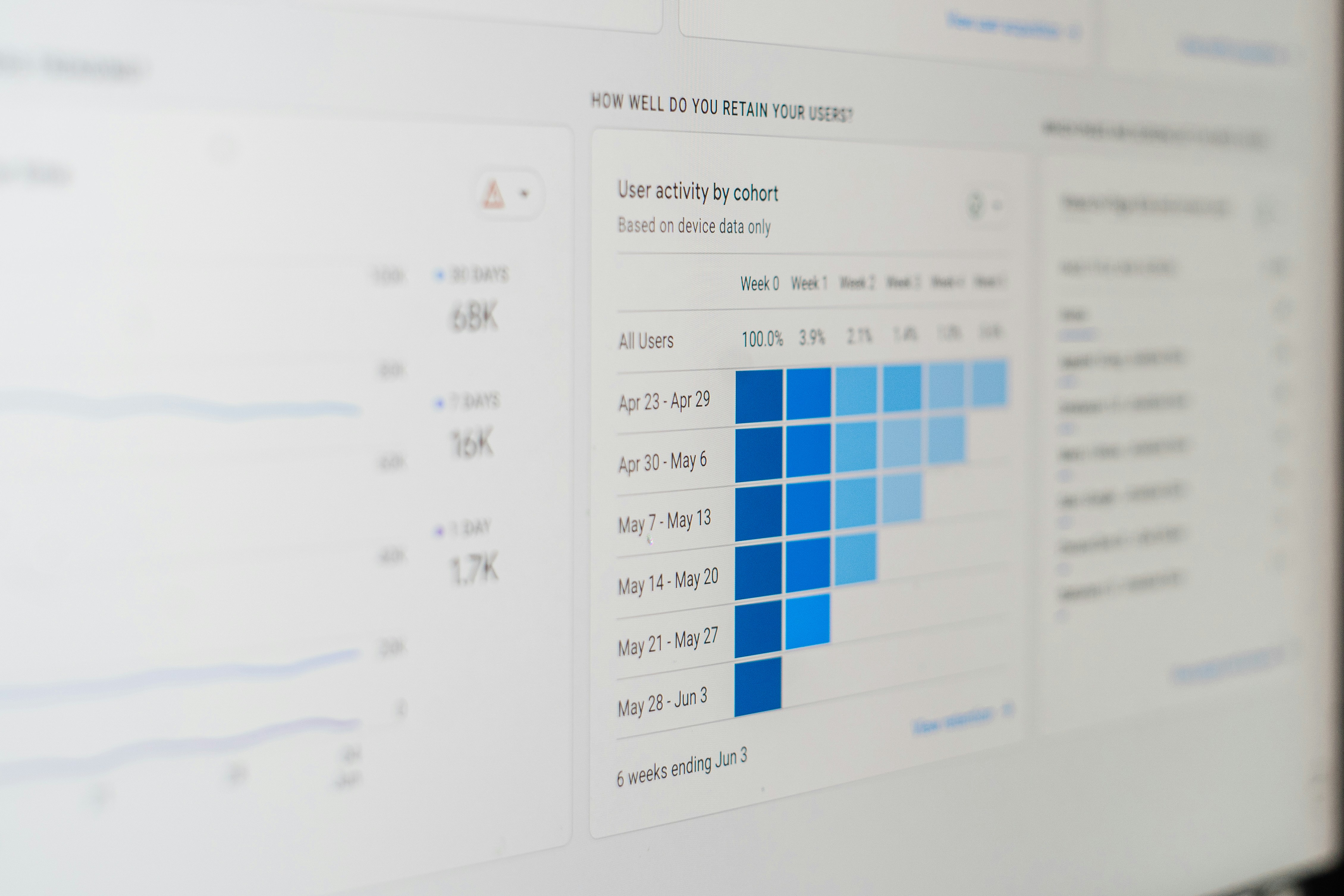
Introduction to Business Intelligence Tools
Business Intelligence (BI) tools have become essential assets for organizations striving to harness the power of data. As enterprises navigate an increasingly complex and competitive landscape, the need for effective data analysis and informed decision-making has never been more pressing. In this context, BI tools facilitate the aggregation, analysis, and visualization of data, transforming raw statistics into actionable insights. They enable organizations to gain a comprehensive understanding of their operations, market trends, and customer behaviors.
The growth of data generation and collection has propelled the demand for robust BI solutions. With businesses inundated by vast amounts of information, leveraging this data becomes crucial. Contemporary BI tools, such as Looker Studio, Analytics Canvas, and Power BI, have been designed specifically to address these challenges. These tools not only simplify data analysis but also empower users of varying technical expertise to extract meaningful information, driving strategic initiatives and operational improvements.
Looker Studio is recognized for its intuitive interface and strong integration capabilities with various data sources, allowing organizations to design customized dashboards that illuminate critical metrics. Conversely, Analytics Canvas offers unique functionalities aimed at transforming complex data operations into streamlined workflows, enhancing usability for analysts and decision-makers alike. Meanwhile, Power BI stands out for its powerful visualization tools and extensive connectivity options, making it a compelling choice for businesses looking to enhance their analytical capabilities.
As we delve further into this blog post, we will explore the features, advantages, and usability of these leading BI tools. Understanding their distinct attributes will enable organizations to make informed decisions about which solution aligns best with their data strategy and business objectives.
Overview of Looker Studio
Looker Studio, a prominent business intelligence tool, offers a wide array of features that cater to organizations looking to gain deeper insights from their data. As a part of Google Cloud, Looker Studio provides robust data exploration capabilities, enabling users to visualize complex datasets and derive actionable insights effortlessly. The platform’s user-friendly interface is designed to accommodate both novice users and experienced data analysts, making it accessible to a diverse audience.
One of the standout functionalities of Looker Studio is its capability to integrate seamlessly with various data sources. This includes databases, data warehouses, and even third-party applications, allowing businesses to access real-time data from any location. With Looker Studio, organizations can harness the power of SQL to build custom queries and data models, empowering them to tailor their analytics to meet specific operational needs.
Additionally, Looker Studio fosters a collaborative environment for data development. Its inherent features enable teams to work together effectively, sharing insights and dashboards in a manner that promotes knowledge sharing and collective problem-solving. This functionality is particularly beneficial for organizations that rely on cross-departmental collaboration to drive business strategies and make informed decisions.
However, it is essential to consider some limitations of Looker Studio. For instance, while its integration capabilities are extensive, they may require a certain level of technical proficiency to set up effectively. Additionally, organizations with highly specific reporting requirements may find that Looker Studio necessitates a substantial investment of time and resources to customize the tool for their unique analytics needs. Overall, Looker Studio is a commendable option for businesses aiming to enhance their data insight capabilities, though it is crucial to weigh its benefits against potential constraints.
Exploring Analytics Canvas
Analytics Canvas is a distinctive business intelligence tool that sets itself apart from other platforms like Looker Studio and Power BI through its visual data preparation capabilities. This feature allows users to employ a drag-and-drop interface to manipulate and transform data without needing extensive programming knowledge. As a result, non-technical users can easily construct complex data workflows, enabling organizations to democratize data analysis and facilitate a data-driven culture.
One of the standout characteristics of Analytics Canvas is its ability to connect to a wide variety of data sources. It supports integration with cloud-based services, databases, and even flat files, which enables users to aggregate data from multiple origins seamlessly. This versatility is particularly beneficial for organizations that operate in diverse environments or need to aggregate data from legacy systems and modern cloud platforms. Furthermore, users can automate the extraction and transformation process, thus streamlining their analytics workflows in a more efficient manner.
In the realm of data transformation, Analytics Canvas excels by offering a suite of tools that enhance data manipulation and cleansing. Users have the flexibility to apply various transformations, such as filtering, aggregating, and joining datasets, which aids in producing clean and actionable insights. These transformations play a crucial role in ensuring data integrity, leading to reliable reporting and analysis.
However, while Analytics Canvas boasts many advantages, it is essential to consider some potential drawbacks. As the platform emphasizes visual data preparation, users may miss out on the more complex analytical functions that other tools provide. Additionally, organizations may need to invest time in training users to fully leverage the capabilities of Analytics Canvas, particularly for those unfamiliar with data workflows. Ultimately, weighing these strengths and weaknesses is key to determining whether Analytics Canvas is the right fit for specific organizational needs.
Diving into Power BI
Power BI, developed by Microsoft, stands as a powerful and versatile business intelligence (BI) tool that caters to organizations of varying sizes. Its primary function is to enable users to transform raw data into meaningful insights through interactive dashboards and comprehensive reports. One of the standout features of Power BI is its intuitive data visualization options, which allow users to create compelling charts, graphs, and maps that effectively communicate data trends and patterns. This capability is essential for organizations looking to make data-driven decisions swiftly and accurately.
Additionally, Power BI excels in providing seamless report sharing features. Users can easily distribute reports to stakeholders, ensuring that all team members have access to the most current data analysis. Collaboration is further enhanced with the integration of other Microsoft products, such as Excel and SharePoint, enabling organizations to build a cohesive data ecosystem. This integration fosters a unified approach to data handling, decreasing silos and promoting comprehensive insights.
Scalability is another hallmark of Power BI, making it suitable for large enterprises with extensive data requirements. As organizations grow, their data complexity often increases, and Power BI is designed to scale effectively to meet these demands. Furthermore, the customization capabilities allow users to tailor dashboards and reports to fit specific organizational needs, adding yet another layer of flexibility.
In summary, Power BI is not just a tool for data visualization; it is a robust business intelligence solution that integrates well with existing Microsoft applications, offers significant scalability, and provides extensive customization options that meet the dynamic needs of larger organizations. Its user-friendly interface combined with powerful capabilities makes it a compelling choice for companies aiming to enhance their BI strategies.
Feature Comparison: Looker Studio vs. Analytics Canvas vs. Power BI
When evaluating business intelligence tools, it is essential to compare their features comprehensively. Looker Studio, Analytics Canvas, and Power BI each offer unique functionalities that cater to different user requirements and preferences. This comparison will explore key areas, including data visualization, performance, ease of use, integration capabilities, and pricing models.
Starting with data visualization, Looker Studio excels in creating customized dashboards and visual representations of data. Users can easily modify visual elements to tailor insights according to their preferences. Analytics Canvas, on the other hand, focuses on a more straightforward approach, providing foundational data visualizations that help professionals quickly interpret data without excessive complexity. Power BI is renowned for its extensive visualization capabilities, offering numerous charts, graphs, and interactive elements to present data dynamically and engagingly.
In terms of performance, Power BI has established itself as a robust solution that can handle vast datasets efficiently. Looker Studio also performs well, with capabilities for real-time data processing, which is advantageous for dynamic reporting. Conversely, Analytics Canvas is designed for users who prefer a more streamlined performance for simpler datasets, ensuring that those with less complex needs can still achieve satisfactory results.
When assessing ease of use, Looker Studio presents an intuitive interface that welcomes beginners, while experienced analysts may appreciate the depth of customizations available. Analytics Canvas touts its user-friendly structure, allowing users to connect data sources with minimal friction. Power BI, while powerful, may require a steeper learning curve due to its extensive functionality and features. This complexity can be a consideration for organizations prioritizing simplicity.
Regarding integration capabilities, all three platforms support various data connectors. Looker Studio and Power BI provide extensive third-party integration options, making them highly versatile. Analytics Canvas primarily emphasizes integration with visualization and analysis tools, which may suit specific use cases but might lack the breadth of connectivity found in its counterparts. Finally, the pricing models across these platforms can significantly influence decision-making, as each offers different tiers and payment structures based on user needs and organizational budgets.
Use Cases and Industry Applications
Business Intelligence (BI) tools like Looker Studio, Analytics Canvas, and Power BI have achieved significant traction across various industries due to their capabilities in data insights and operational efficiency. These tools serve distinct functionalities, allowing organizations to adapt them to specific challenges and needs within their respective sectors.
In the healthcare industry, Looker Studio has been utilized to analyze patient data, enhancing decision-making processes. For instance, healthcare providers can employ Looker Studio to visualize metrics related to patient outcomes or resource allocation. By integrating various data sources, hospitals can identify trends impacting patient care, streamline operations, and improve overall service delivery. The tool’s ability to handle real-time data enables swift responses to emerging clinical needs.
Conversely, Analytics Canvas is making waves in the finance sector by simplifying the manipulation of complex financial datasets. Financial analysts leverage this tool to automate the preparation of reports, thereby minimizing the time spent on manual data adjustments. A notable case is a leading investment firm that employed Analytics Canvas to optimize its portfolio analysis, allowing for better risk management and improved compliance with regulatory requirements. The drag-and-drop interface further aids analysts in creating workflows that enhance data visualization and reporting accuracy.
Power BI, renowned for its interactive dashboards, finds extensive application in marketing. Organizations are using Power BI to track campaign performance and customer engagement metrics. For example, a multinational consumer brand analyzed its marketing campaigns through Power BI, identifying high-performing advertising channels and customer demographics. This analytical approach facilitated data-driven decisions, resulting in increased campaign effectiveness and enhanced consumer targeting.
Retail businesses also benefit from these three BI tools. Companies can utilize them to analyze sales trends, inventory levels, and customer preferences. A case study involving a prominent retail chain demonstrated how the integration of BI insights led to improved stock management and personalized marketing strategies, ultimately driving sales growth. Each tool thus provides distinct advantages tailored to the requirements of different industries.
User Experience: Ease of Adoption and Learning Curve
The user experience of business intelligence (BI) tools plays a critical role in their successful adoption within organizations. Looker Studio, Analytics Canvas, and Power BI each offer unique interfaces and learning experiences that cater to different types of users, from beginners to advanced data analysts. Understanding these differences is essential for organizations looking to leverage BI tools effectively.
Looker Studio is known for its intuitive interface, which facilitates a smooth learning curve, especially for beginners. The platform emphasizes data exploration over complex reporting, allowing users to engage with their data visually and interactively. Additionally, Looker Studio offers extensive documentation and a supportive community, which significantly aids new users in navigating the learning process and maximizing the platform’s capabilities.
Analytics Canvas, while powerful, presents a steeper learning curve compared to its competitors. Geared primarily towards data professionals, it requires users to have some familiarity with data manipulation. However, the tool’s design is modular, allowing users to progressively learn and explore its features. Analytics Canvas does provide training resources, yet the community is smaller, which may limit peer support for new users.
Power BI stands out for its seamless integration with other Microsoft products, making it particularly appealing to organizations already embedded in the Microsoft ecosystem. Users often report a relatively moderate learning curve due to its familiar interface. The wealth of resources, including forums, tutorials, and official documentation, enhances user satisfaction and facilitates onboarding. This extensive support network ensures new users find the assistance they need to successfully adapt to Power BI’s functions.
Ultimately, the choice of BI tool may hinge on the organization’s need for immediate usability or the capacity to invest in a more gradual learning process. Evaluating the user experience across Looker Studio, Analytics Canvas, and Power BI is crucial for informed decision-making.
Cost and Licensing Considerations
When selecting a business intelligence tool, understanding cost and licensing structures is paramount for organizations to maximize their budget effectively. Below, we explore the pricing models of Looker Studio, Analytics Canvas, and Power BI, providing insights that can aid in making an informed decision.
Looker Studio operates on a subscription model, where pricing is generally based on the number of users and the features selected. The tiered plan allows organizations to scale their usage based on requirements, such as data connections and integrations. Organizations should consider not just the user count but also the operational support and features included in each tier, as these can significantly affect the total cost of ownership. Additionally, Looker Studio offers an add-on for advanced analytics features, which poses another financial consideration for companies anticipating growth or increased data complexity.
Analytics Canvas, on the other hand, adopts a more flexible pricing strategy that includes both a one-time licensing fee and subscription options dependent on usage. This structure can be appealing to smaller organizations or startups that may prefer a fixed cost without recurring fees. However, it is critical to evaluate the long-term implications of the chosen licensing option, including potential upgrades or additional user licenses that may be needed as the organization expands its data needs.
Power BI provides a comprehensive pricing structure, offering a free tier as well as subscription-based plans like Power BI Pro and Power BI Premium. While the free tier is suitable for individual use, larger teams will find value in the Pro tier, which offers collaborative features and increased data capacity. Power BI Premium, designed for larger organizations, provides enhanced performance and additional tools for enterprise-level analytics. Companies must carefully weigh the benefits of each plan against their user base and analytic needs when budgeting for this solution.
In considering these factors, organizations can align their business intelligence tool choice with their financial strategy, ensuring they obtain the best value while supporting their analytical initiatives.
Conclusion: Choosing the Right BI Tool for Your Business Needs
In navigating the landscape of business intelligence (BI) tools, it is essential to consider several factors that align with the specific requirements of your organization. Looker Studio, Analytics Canvas, and Power BI each bring unique capabilities to the table, which may suit different contexts and objectives. Understanding the strengths and weaknesses of these platforms will enable you to make a more informed decision.
Looker Studio is renowned for its robust data exploration capabilities and the seamless integration with Google services. This tool is particularly effective for organizations seeking a user-friendly interface that promotes collaboration and real-time analysis. Organizations that value visual data representation and the ability to derive insights quickly may find Looker Studio to be the optimal choice.
On the other hand, Analytics Canvas excels in data preparation and transformation. Businesses that require intricate data manipulation and integration from various sources may appreciate this tool’s capabilities. Analytics Canvas is particularly beneficial for teams that prioritize comprehensive data handling before visual analytics, making it ideal for companies with complex data ecosystems.
Power BI stands out for its versatility and extensive support within the Microsoft ecosystem. This tool is most suited for organizations already leveraging Microsoft tools and services, offering native integrations that simplify reporting and data management. Its rich visualization options and powerful analytics engine make it an attractive alternative for business users seeking detailed insights into their data.
Ultimately, the choice of BI tool should reflect your organization’s unique circumstances, including your specific objectives, budget, and resource availability. By conducting a thorough assessment of each platform’s features and capabilities, you can ensure that your selected BI tool aligns with your strategic goals, leading to more effective data-driven decision-making. Making an informed choice will pave the way for enhanced insights and improved operational efficiency.