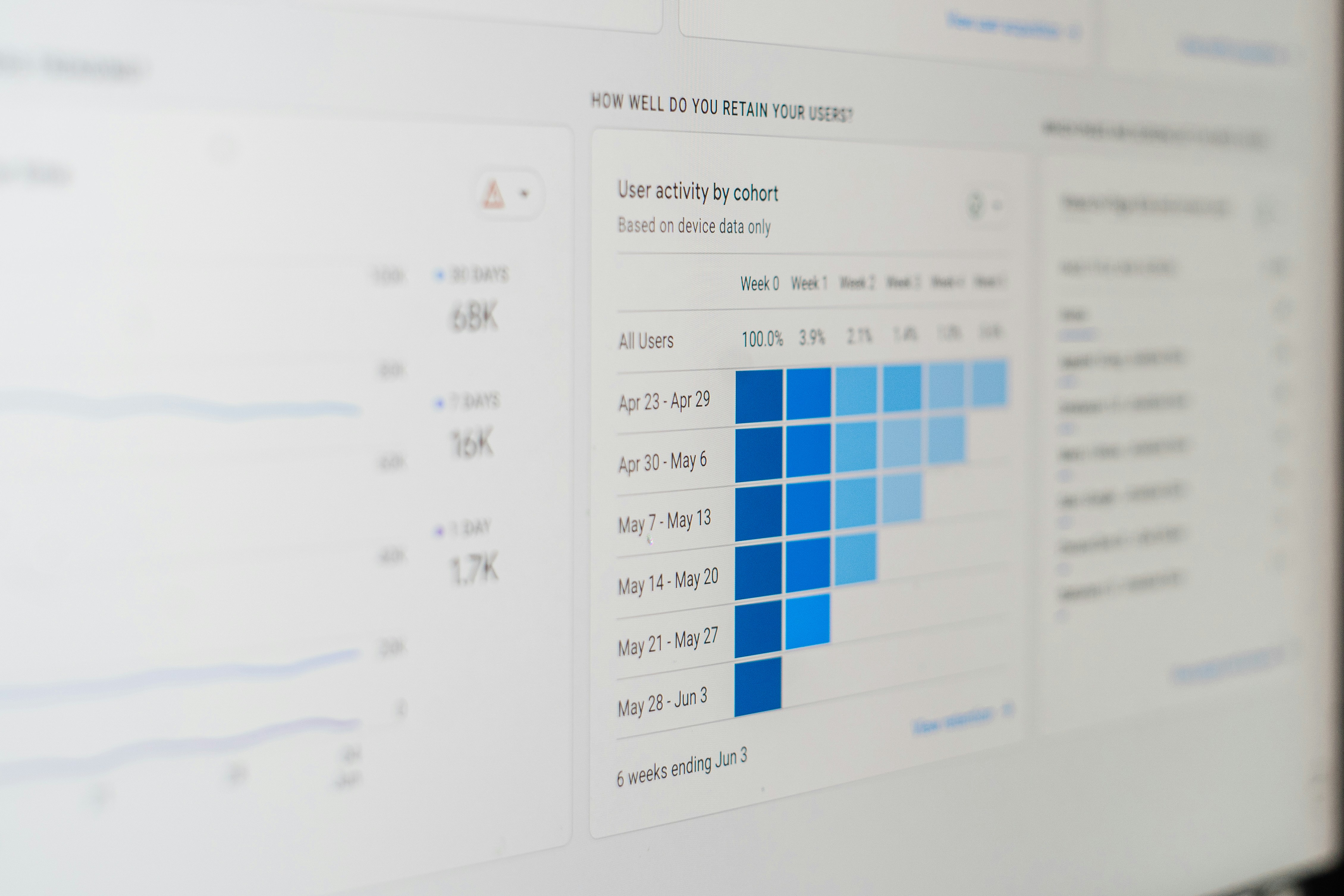
Introduction to Looker Studio and Metricool
In the realm of data analytics and social media management, Looker Studio and Metricool have emerged as vital tools for professionals seeking to streamline their analytics processes. Looker Studio, a powerful business intelligence (BI) platform, allows organizations to visualize and analyze data effectively. By providing customizable dashboards and interactive reports, Looker Studio empowers users to generate insights from their data quickly, facilitating data-driven decision-making.
On the other hand, Metricool serves as an all-in-one social media management tool that not only helps in scheduling posts but also in analyzing performance across various social platforms. With functionalities such as tracking engagement metrics and overseeing content calendars, Metricool simplifies the multifaceted nature of social media management. Moreover, it optimizes the process by integrating data from multiple social sources, thereby offering a holistic view of a brand’s online presence.
The integration of Looker Studio with Metricool stands out because it allows users to combine social media performance data with other metrics for comprehensive analysis. By leveraging the capabilities outlined in the Metricool API documentation PDF, users can pull social metrics into Looker Studio, allowing for more detailed reporting and a deeper understanding of their social media strategies. This data integration becomes particularly relevant for businesses aiming to refine their marketing efforts based on performance insights derived from social sources. Ultimately, integrating Looker Studio with Metricool not only enhances data accessibility but also optimizes the overall social media analysis process, leading to more informed business decisions.
Understanding Social Sources in Looker Studio
Looker Studio serves as a powerful platform for visualizing and analyzing data from a variety of sources, including social media. Social sources refer specifically to data extracted from social media platforms, offering insights into user engagement, brand performance, and audience demographics. This data can be utilized to create comprehensive reports and dashboards, enabling organizations to track their social media efforts effectively.
In Looker Studio, social data is categorized based on different metrics that are specific to each platform. For example, platforms such as Facebook, Twitter, Instagram, and LinkedIn each provide unique metrics that can be analyzed. Common metrics include engagement rates, follower counts, post reach, impressions, and click-through rates. Each of these metrics provides distinct insights, allowing users to assess the effectiveness of their social media campaigns and strategies.
To leverage these metrics, users can integrate the Metricool API, which is essential for automating the data collection process. The Metricool API documentation PDF outlines the different endpoints available for extracting data related to social performance, making it easier for users to pull relevant metrics from their preferred platforms. By utilizing this API, organizations can consolidate data from various social sources within Looker Studio, gaining a holistic view of their performance across multiple channels.
Furthermore, the categorization of social sources in Looker Studio allows for comparative analysis. Users can contrast performance metrics across platforms, identifying areas of strength and opportunities for improvement. By understanding the types of metrics available and effectively integrating them using the Metricool API, businesses can enhance their social media strategies and achieve better engagement with their target audiences.
Getting Started with Metricool API
To effectively work with the Looker Studio social sources through the Metricool API, one must first gain access to the API. This process begins with obtaining the necessary API keys, which serve as your authentication credentials when making requests to the Metricool API. To acquire your API key, you will need to create an account on the Metricool platform if you don’t already have one. After logging in, navigate to the API section of your dashboard, where you can generate and manage your API keys.
Once you’ve generated your API key, understanding the authentication process is crucial. The Metricool API employs token-based authentication. This means that when you make an API request, you must include your API key in the header, thereby authorizing your access. This approach not only enhances security but also ensures that each request is linked to your account, allowing you to utilize Looker Studio social sources effectively.
Before delving into integration, there are some prerequisites to ensure a smooth setup. Familiarity with RESTful APIs and basic programming knowledge is beneficial, as you will be sending HTTP requests and handling responses. Additionally, it is advisable to have a basic understanding of Looker Studio to maximize the potential of integrating the Metricool API within it. Having software tools such as Postman or Curl can also simplify testing your API requests before implementing them in your final application.
By following these steps and ensuring you have the right permissions and knowledge, you will be well on your way to integrating the Metricool API with Looker Studio. This integration will allow for a more robust analysis of social sources and enhance your data-driven strategies.
Setting Up Looker Studio for Social Data Integration
Setting up Looker Studio to integrate social data from the Metricool API requires a structured approach to ensure a smooth connection and accurate data representation. Begin by logging into your Looker Studio account. If you do not have an account, you can create one easily at no cost. Once logged in, navigate to the ‘Create’ button, where you will access the option to start a new report.
Next, it is essential to select the proper data source for your project. In this case, you will want to look for the Metricool API integration. You may need to access the Metricool API documentation PDF to familiarize yourself with the specific endpoints and data attributes available. Utilizing the provided documentation will be vital in understanding how to extract social data effectively. Once you have identified the Metricool API as your data source, click on it to initiate the connection process.
The next step involves configuring the data connectors. You may need to enter your API key, which can usually be found in your Metricool account settings. This key is crucial for authenticating requests made to the API. After entering your API key, you will likely see various data fields that you can select to add to your report. Choose the relevant metrics and dimensions that align with your social media analytic needs. This could include engagement rates, audience demographics, and post performance metrics.
After selecting your desired data points, proceed to configure any necessary data transformations. Looker Studio allows for custom calculations and transformations to tailor the data specifically to your reporting objectives. Finally, review your configurations and save your data source. Once saved, you can freely access your social data in Looker Studio for further visualization and analysis.
Key Metrics and Data Visualization Options
In the realm of social media analytics, leveraging the right metrics is critical for gaining insights and making informed decisions. The integration of Looker Studio with the Metricool API facilitates the extraction of crucial social media metrics, enabling a more comprehensive analysis of online performance. Among the key metrics that can be derived from Metricool are engagement rates, follower growth, and post reach, each of which provides valuable insights into social media strategy effectiveness.
Engagement rates reflect how audiences interact with content, serving as a crucial indicator of content relevance and audience interest. By visualizing engagement data within Looker Studio, organizations can identify trends over time, compare performances across platforms, and understand what types of content resonate with their audience. This can be achieved through various graphical representations such as line charts and bar graphs, which articulate fluctuations in engagement clearly.
Follower growth is another pivotal metric that indicates the expansion or contraction of an audience base. This data can be visualized through cumulative graphs in Looker Studio, giving a clear visual indication of growth trajectories over specific periods. Such representations can highlight peaks during campaigns or specific postings, allowing marketers to strategize future content more effectively.
Post reach, indicating how many unique users saw a particular post, is equally important. Visualizing post reach data can help businesses understand their content distribution effectiveness and audience engagement. Techniques such as heat maps or layered visuals can provide insights into peak interaction times and user demographics. Best practices recommend ensuring that visuals are clean, intuitive, and free of clutter to enhance interpretability.
Overall, the meticulous selection of these metrics and the appropriate visualization techniques pave the way for actionable insights, empowering marketers to optimize their social media strategies effectively using Looker Studio alongside the Metricool API.
Customizing Your Reports with Looker Studio
Customizing your reporting experience in Looker Studio utilizing the social data sourced from the Metricool API can significantly enhance the quality of insights derived. The capacity to tailor reports according to specific needs and preferences allows users to focus on the most relevant metrics in an engaging manner. One of the primary steps in customization is the creation of filters, which can help to narrow down the data displayed based on particular criteria such as date ranges, social platforms, or specific user interactions. By implementing these filters, users can monitor engagement, reach, and other social metrics effectively, enabling a clearer analysis of performance within selected parameters.
Additionally, applying themes and styles can further enhance the visual appeal of your reports. Looker Studio offers a wide range of customization options for colors, fonts, and layouts that allow users to establish a unique branding identity. Utilizing Metricool’s rich social data while ensuring consistency in design is vital for maintaining professionalism and clarity in presentation. By effectively integrating themes, users can create reports that are not only visually appealing but also maintain a coherent look that aligns with organizational standards or personal preferences.
Incorporating interactivity into your reports is another crucial aspect of customization. Looker Studio provides options to add elements such as click-to-filter features and dynamic charts that respond to user input. Such interactivity not only enriches the user experience but also allows for a deeper exploration of the data sourced from Metricool’s API. Users can dive into various aspects, revealing patterns and insights that static reports may obscure. Overall, tailoring reports to suit individual requirements can significantly improve the usability of Looker Studio, offering a comprehensive understanding of social metrics derived from Metricool’s extensive database.
Common Challenges and Troubleshooting Tips
When integrating Metricool with Looker Studio, users may encounter various challenges that could impede their progress. One of the primary issues stems from API limitations. The Metricool API provides an array of functionalities, but it operates within defined parameters that may not meet all user expectations. For instance, certain metrics may be unavailable, or the API may have rate limits that restrict the volume of requests within a specific timeframe. Understanding these constraints is essential for seamless integration.
Another common challenge involves discrepancies in data. When users retrieve metrics from the Metricool API, they may find that the data presented in Looker Studio does not align with what is displayed on the Metricool platform. This mismatch can be attributed to various factors, including differences in data refresh rates, the selection of time zones, or segmentation issues within Looker Studio. Always ensure that the time frames and settings match those in Metricool to minimize confusion in the reporting process.
To troubleshoot these challenges effectively, users should familiarize themselves with the Metricool API documentation. The documentation contains crucial details regarding limitations and configuration options. Additionally, using the built-in error-handling capabilities of Looker Studio can facilitate the identification of issues early in the integration process. If problems persist, seeking support through the Metricool community or forums can provide insights from other users who have faced similar challenges. Regularly reviewing integration setups and testing them in various scenarios can also uncover potential issues before they affect overall reporting.
By understanding the common challenges associated with integrating Looker Studio and Metricool, users can develop strategic approaches to mitigate these issues, enabling a more streamlined data-navigation experience.
Case Studies: Successful Integrations
The integration of Metricool’s social sources into Looker Studio has proven to be beneficial for numerous businesses and organizations across various industries. One notable case study comes from a mid-sized e-commerce firm that aimed to enhance its social media marketing strategies. The primary goal was to leverage the Metricool API documentation PDF to gain insights into social media performance and user engagement. By integrating the data sources into Looker Studio, the business was able to visualize key performance metrics in a coherent manner. As a result, the company saw a 25% increase in user engagement over six months, directly linking their improvements to the insights gleaned from their social sources.
Another compelling example is a nonprofit organization focused on environmental awareness. This organization used the Metricool API to pull social media data related to its campaigns, improving its ability to track engagement and effectiveness. By creating customized reports in Looker Studio, the nonprofit could measure the impact of its social campaigns on audience reach and interaction. The organization set a goal to increase its community participation, and through the data analysis, they achieved a 40% rise in public involvement within a year. This clearly illustrates how effectively integrating social sources via the Metricool documentation can lead to heightened awareness and support.
Additionally, a tech startup utilized the Looker Studio integration to analyze social media trends related to product launches. By implementing the Metricool API documentation PDF, they were able to focus on metrics that matter the most during critical phases of their marketing campaigns. The startup tracked customer sentiment and brand mentions in real-time, which facilitated swift adjustments to its marketing strategies. Consequently, they experienced a 30% increase in sales during product launches, showcasing how carefully analyzing social data can drive significant business results.
Further Resources and Documentation
For those interested in delving deeper into the topic of Looker Studio social sources and their integration with the Metricool API, there are numerous resources available that can enhance your understanding and application of these tools. The official Metricool API documentation PDF serves as an essential reference for developers and data analysts seeking comprehensive guidelines and use cases. This documentation offers detailed explanations of various endpoints, authentication methods, and data structures that users need to effectively harness the power of the Metricool API.
In addition to the official documentation, you might find it beneficial to explore other relevant articles on Looker Studio. Various online platforms provide insights into best practices, advanced functionalities, and case studies that can illuminate how to best utilize Looker Studio in conjunction with social media metrics. These resources often include tutorials and videos that demonstrate practical applications, which can be particularly useful for users looking to grasp the intricacies of data visualization and reporting through Looker Studio.
Furthermore, for ongoing support and advanced learning, consider visiting R. G. Gupta’s related pages. Gupta is recognized for their extensive contributions to the field, and their content often includes in-depth analyses and innovative approaches to leveraging analytics tools, including the Metricool API. By exploring these resources, users can not only gain a stronger grasp of the functionalities available within Looker Studio and the Metricool API but also stay updated on evolving trends and features that can enhance their data-driven decisions.
By utilizing these resources and familiarizing yourself with the Looker Studio social sources by Metricool API documentation PDF, you can empower your analytics capabilities and unlock new potential for your social media strategies.