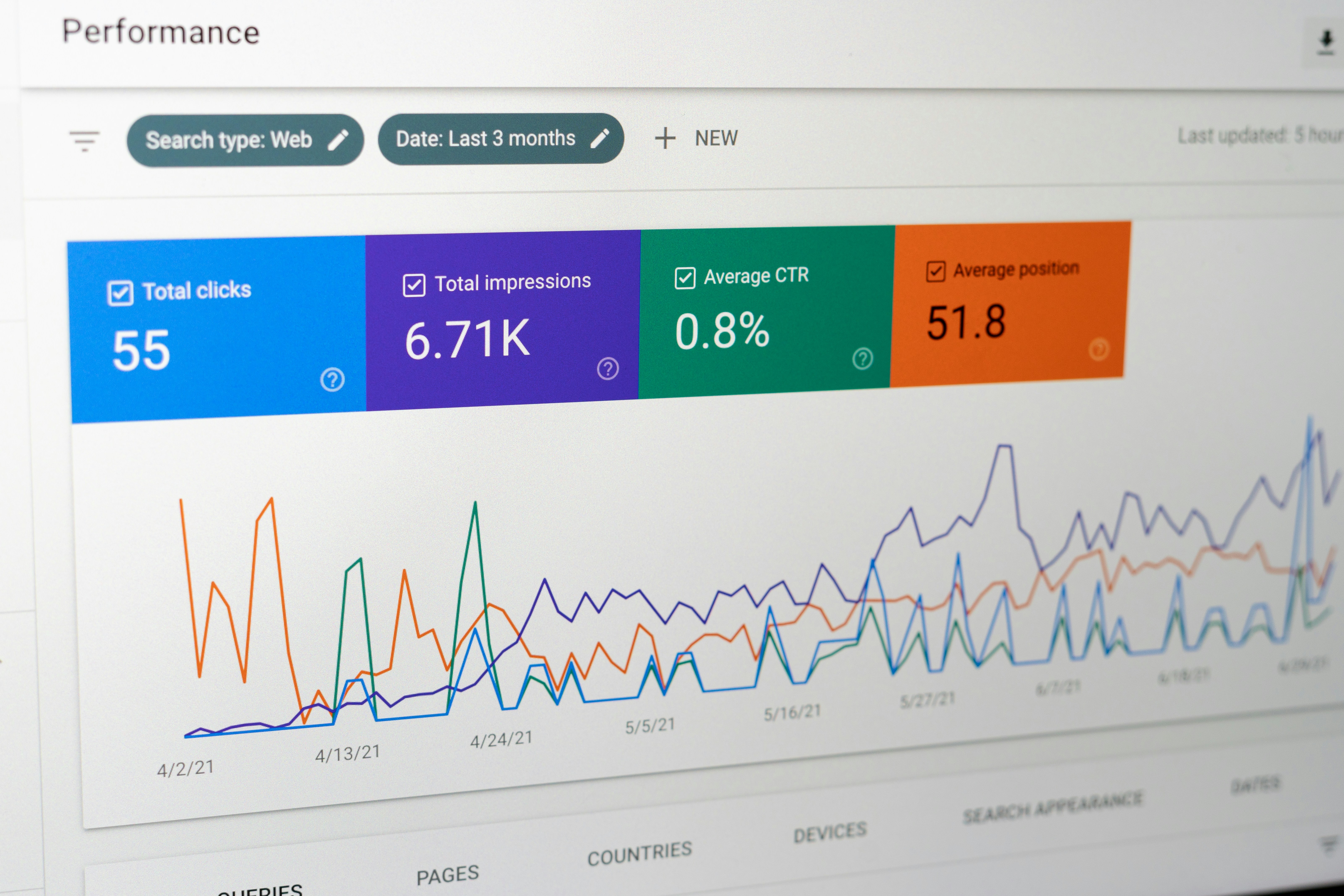
Introduction to Looker Studio and Cloud Spanner
In the realm of data analytics, Looker Studio and Google Cloud Spanner represent two significant advancements, each serving distinct yet complementary purposes. Looker Studio, a robust data visualization tool, offers businesses the capability to transform complex data sets into comprehensive insights through customizable dashboards and interactive reports. It simplifies the process of data exploration, enabling users to uncover trends, patterns, and anomalies that drive informed decision-making.
Cloud Spanner, on the other hand, is a globally distributed, horizontally scalable database service designed to handle vast amounts of data with impressive reliability and performance. Its architecture is built to accommodate large-scale transactions and deliver consistency across multiple regions, making it an ideal choice for enterprise-grade applications. By integrating these two powerful tools, organizations can not only store large data sets efficiently but also visualize and analyze that data seamlessly, resulting in enhanced accessibility to critical information.
The combination of Looker Studio and Cloud Spanner revolutionizes the data analytics landscape by bridging the gap between data storage and insight generation. With Cloud Spanner’s unmatched scalability and Looker Studio’s intuitive interface, businesses are empowered to derive meaningful insights from their data, streamline workflows, and make data-driven decisions with confidence. As enterprises increasingly rely on data to drive strategies and operations, leveraging the strengths of these two platforms provides them with a competitive edge in harnessing the power of their data effectively.
Understanding Datasets: What They Are and Their Importance
Datasets serve as the foundational building blocks in the realm of data analytics. At their core, a dataset is a structured collection of data, typically organized in a tabular format with rows and columns. Each row represents a different record, while each column specifies a particular attribute or variable related to that record. The significance of datasets in analytics cannot be understated, as they provide the raw material from which insights, reports, and visualizations are generated.
In the context of Looker Studio and Cloud Spanner, datasets take on particular importance. Looker Studio empowers users to create dynamic reports and dashboards, while Cloud Spanner provides a scalable database solution. Together, they allow users to harness data efficiently to uncover trends and inform decision-making processes. Within this framework, understanding the different types of datasets is crucial. For example, there are structured datasets, which are highly organized and suited for traditional relational databases, and semi-structured or unstructured datasets, which can include text, images, or other forms of data that do not conform to a strict schema.
Another critical aspect of datasets is data modeling, which involves defining the structure, relationships, and logic behind the data. Effective data modeling is essential for ensuring the integrity of reports generated within Looker Studio. By designing a robust model, analysts can create accurate representations of the data, which facilitates better visualization and interpretation. Furthermore, well-modeled datasets allow for easier querying and data manipulation within Cloud Spanner, enabling users to derive valuable insights efficiently.
Ultimately, mastering datasets is a necessary step for anyone looking to leverage the powerful capabilities of Looker Studio with Cloud Spanner. As organizations increasingly rely on data for strategic advantages, understanding and utilizing datasets will be key to unlocking meaningful insights and fostering data-driven decision-making.
Setting Up Your Environment: Integrating Looker Studio with Cloud Spanner
Integrating Looker Studio with Google Cloud Spanner can enhance your data analytics capabilities significantly. To ensure a smooth integration process, it is crucial to prepare your environment by following some essential steps. First, verify that you have the necessary prerequisites in place. This includes a Google Cloud account, access to Looker Studio, and a running instance of Cloud Spanner.
Begin by configuring your Cloud Spanner instance. Ensure that your databases are properly set up and that the necessary tables exist with the appropriate schemas. This configuration is vital, as Looker Studio will query this data to generate insights. Once your Cloud Spanner environment is ready, go ahead and collect your database connection details, such as the database URL, project ID, and instance ID.
The next step involves linking Looker Studio to Cloud Spanner. Start by selecting the option to create a new data source within Looker Studio. Here you will need to choose Google Cloud Spanner as your data connector. Input the connection details you gathered earlier, including the project ID and database URL. It is recommended to test the connection at this stage to ensure that Looker Studio can communicate effectively with Cloud Spanner. If you encounter issues, double-check your connection settings and verify that you have the necessary permissions.
Potential challenges may arise during the integration process. One common issue is related to permission settings, which might restrict access to the Cloud Spanner instance or the data it contains. Be sure to review your IAM roles and permissions to ensure that Looker Studio can access all required data. Additionally, if your databases are rapidly changing, consider implementing caching strategies to optimize performance.
By following these steps and addressing the potential challenges, you can successfully set up your environment for integrating Looker Studio with Cloud Spanner. This integration opens the door to leveraging your data insights more effectively.
Creating a Looker Studio Report from Cloud Spanner Data
Creating a report in Looker Studio utilizing data from Cloud Spanner involves several systematic steps. Initially, it is crucial to select the appropriate data source. Looker Studio supports direct connections to Cloud Spanner, allowing users to access their comprehensive datasets effortlessly. To initiate this process, navigate to the Looker Studio interface, select ‘Create Report,’ and then choose ‘Add Data.’ From there, locate Cloud Spanner from the list of available connectors.
Once the data connection is established, configuring dimensions and measures is the next vital step. Dimensions represent the qualitative attributes of the data, while measures are the quantitative metrics. Users should identify what dimensions—such as customer ID, product category, or time periods—are pertinent for the analysis. Measures could include sales figures, transaction counts, or any relevant numerical data. The configuration should align with the objective of the report, ensuring that the selected dimensions and measures comprehensively highlight the insights intended for the audience.
Best practices for data visualization are critical in maximizing the impact of the report. Employ a variety of chart types available in Looker Studio that suit the nature of the data being represented. For instance, line graphs are effective for displaying trends over time, while bar charts can illustrate comparisons among different categories. Additionally, consider using filters and date ranges to allow users to interact with the data dynamically. Ensuring that the colors and formatting used in the report are consistent enhances clarity and readability.
Lastly, regular iterations and feedback incorporation can refine the report further. Engaging stakeholders in the review process ensures that the final product meets the users’ needs and expectations. By following these steps, one can create compelling Looker Studio reports that effectively leverage Cloud Spanner data for insightful decision-making.
Customizing Reports: Visualizations and User Interaction Features
Looker Studio offers a robust suite of customization options that allows users to tailor their reports to their specific needs. Effective data visualization is critical when it comes to interpreting complex datasets, and Looker Studio provides a multitude of visualization types, including bar charts, line graphs, and heat maps. These visual tools facilitate a clearer understanding of trends and patterns within the data, making it easier for stakeholders to identify key insights. Moreover, the ability to incorporate dynamic elements such as time-series visualizations enables users to compare data over various intervals, thereby enhancing the reporting experience.
Another notable aspect of Looker Studio is its focus on interactivity, which significantly boosts user engagement with the reports. By integrating features like drill-downs, filters, and clickable elements, users can navigate through the data with ease. This interactivity allows stakeholders to explore the data on their terms, helping them uncover specific information without being overwhelmed by static reports. Furthermore, utilizing parameters and external controls can tailor the data presented according to the user’s preferences, thereby adding a personalized touch to the reporting process.
Additionally, Looker Studio supports the inclusion of descriptive narratives and annotations alongside visual elements. Such contextual information serves as guidance for end-users, effectively bridging the gap between raw data and actionable insights. Customizing dashboards with relevant KPIs and metrics, aligned with organizational goals, is vital for fostering a data-driven culture. By allowing users to interactively manipulate data and visualize it in meaningful ways, Looker Studio significantly enhances the overall reporting experience, ensuring that stakeholders can effortlessly draw insights that inform decision-making.
Optimizing Performance: Managing Large Datasets in Cloud Spanner
Managing large datasets in Cloud Spanner requires a strategic approach to optimize performance and ensure efficient data retrieval. One of the primary strategies is effective data indexing. Indexes serve as a critical component in improving query performance by enabling faster lookup of data. In Cloud Spanner, developers can create primary and secondary indexes to facilitate quick access to specific columns that are frequently queried. However, it is essential to balance the number of indexes, as too many can lead to increased overhead during data modification operations. Therefore, selecting the right columns to index based on query patterns is crucial for maintaining high performance.
Another vital aspect is query optimization. Analyzing query execution plans can provide valuable insights into how queries are processed and where optimizations can be made. Leveraging query hints and restructuring SQL queries are common practices that can significantly improve performance. Developers should aim to reduce the complexity of queries and limit the amount of data processed by using appropriate filtering and aggregation techniques. Concurrently, batch processing and pagination can be employed to manage large result sets, ensuring that data is retrieved in manageable chunks which aid in more interactive visualizations in Looker Studio.
Lastly, partitioning strategies also play a pivotal role in optimizing performance when working with large datasets. Cloud Spanner allows for the partitioning of tables based on specific criteria, such as a key range or a timestamp. By distributing data across various partitions, the system can effectively reduce contention during read and write operations. Choosing the right partitioning scheme can lead to significant improvements in query response times and overall system throughput. Implementing these strategies collectively aids in maintaining efficiency, thereby enhancing data insights when visualized in Looker Studio.
Security and Compliance Considerations
As organizations increasingly rely on data analytics tools like Looker Studio integrated with Cloud Spanner, understanding security and compliance considerations becomes paramount. Protecting sensitive data throughout its lifecycle is crucial in maintaining trust and adhering to legal standards. Both Looker Studio and Cloud Spanner provide robust security features that help organizations safeguard their data from unauthorized access and potential breaches.
Looker Studio implements data encryption both in transit and at rest. This ensures that sensitive information remains secure against interception by malicious actors while being transmitted or stored. Furthermore, Looker Studio offers role-based access controls, which allow organizations to define user permissions based on specific roles and responsibilities. This granularity helps to restrict data access only to authorized personnel thereby minimizing potential exposure of sensitive data.
On the other hand, Cloud Spanner also emphasizes security through its advanced encryption methods, identity management, and network security protocols. The service provides options for configuring fine-grained access controls, which further enhances data protection by allowing businesses to manage who can view or manipulate specific datasets. Additionally, Cloud Spanner complies with various industry standards, such as ISO/IEC 27001 and GDPR, ensuring that data handling practices are aligned with global compliance benchmarks.
Organizations leveraging Looker Studio and Cloud Spanner should adopt security best practices, including regular audits, thorough monitoring of access logs, and implementing multi-factor authentication where possible. Furthermore, staying informed about evolving compliance regulations is essential as they may affect how data is managed and protected in the analytics ecosystem. Adopting a proactive approach to security and compliance can help organizations leverage the full potential of their data analytics capabilities while mitigating inherent risks.
Case Studies: Successful Implementations of Looker Studio and Cloud Spanner
Numerous organizations have successfully harnessed the synergy between Looker Studio and Cloud Spanner to enhance their data insights. One notable example is a global e-commerce company that faced challenges with data silos and slow reporting times. Prior to implementing Looker Studio and Cloud Spanner, the company struggled to aggregate data from disparate sources. This lack of integration hampered timely decision-making and limited their ability to provide personalized customer experiences. By adopting Cloud Spanner as a unified database system, they achieved scalability and consistency in their data architecture.
Once the foundational architecture was established using Cloud Spanner, the company turned to Looker Studio to visualize and analyze their data. This integration allowed them to create custom dashboards that provided real-time insights into customer behavior and sales trends. The results were remarkable; the organization reduced their reporting time from several days to mere hours. The insights gained from the Looker Studio dashboards enabled data-driven decision-making, leading to improved marketing strategies and ultimately, a 20% increase in sales within the first quarter post-implementation.
Another inspiring case involves a healthcare provider that needed to manage vast amounts of patient data effectively. Faced with challenges related to data accessibility and compliance with healthcare regulations, the organization turned to Cloud Spanner for its robust capabilities. The ability to scale seamlessly while ensuring data security was crucial. Integrating Looker Studio with Cloud Spanner provided the healthcare provider with a platform to visualize patient data and monitor healthcare outcomes efficiently.
Utilizing Looker Studio, the healthcare provider developed a suite of interactive reports that allowed stakeholders to visualize patient treatment paths and identify areas for improvement. Consequently, this implementation led to a 30% reduction in patient wait times, enhancing the overall patient experience. These case studies underscore the substantial impact of integrating Looker Studio with Cloud Spanner, demonstrating how organizations can overcome data challenges while optimizing their operational efficiency and decision-making processes.
Conclusion and Future Trends in Data Analytics
In summary, the integration of Looker Studio with Cloud Spanner presents organizations with powerful capabilities to derive meaningful insights from vast datasets. The synergy between Looker Studio’s advanced data visualization and analysis tools and Cloud Spanner’s scalable cloud-native database architecture enables businesses to handle complex data requirements efficiently. This symbiotic relationship not only enhances the decision-making process but also fosters an environment where data-driven strategies can thrive.
As organizations continue to navigate the complexities of data management, several emerging trends are shaping the landscape of data analytics. First, the adoption of artificial intelligence (AI) and machine learning (ML) is becoming increasingly prevalent. By leveraging these technologies, organizations can enhance their predictive analytics capabilities, allowing them to glean insights that would otherwise remain obscured in large datasets. The capability of Looker Studio to integrate AI features further augments its utility, enabling users to make more informed, strategic decisions.
Another noteworthy trend is the growing emphasis on real-time analytics. Modern businesses demand timely insights to react quickly to market changes and customer preferences. With Cloud Spanner’s ability to handle high-velocity data operations, combined with Looker Studio’s visualization strengths, organizations can achieve near real-time analytics, which is crucial for maintaining competitiveness.
Finally, the focus on data governance and security cannot be overlooked. As organizations increasingly rely on data-driven insights, ensuring the integrity and security of that data becomes paramount. The robust security features offered by Cloud Spanner, along with secure data visualization practices in Looker Studio, empower organizations to safeguard their data while still capitalizing on its potential for analytics.
In the evolving landscape of data analytics, the collaboration between Looker Studio and Cloud Spanner positions organizations to not only harness the power of their data but also to innovate and adapt to future challenges effectively.