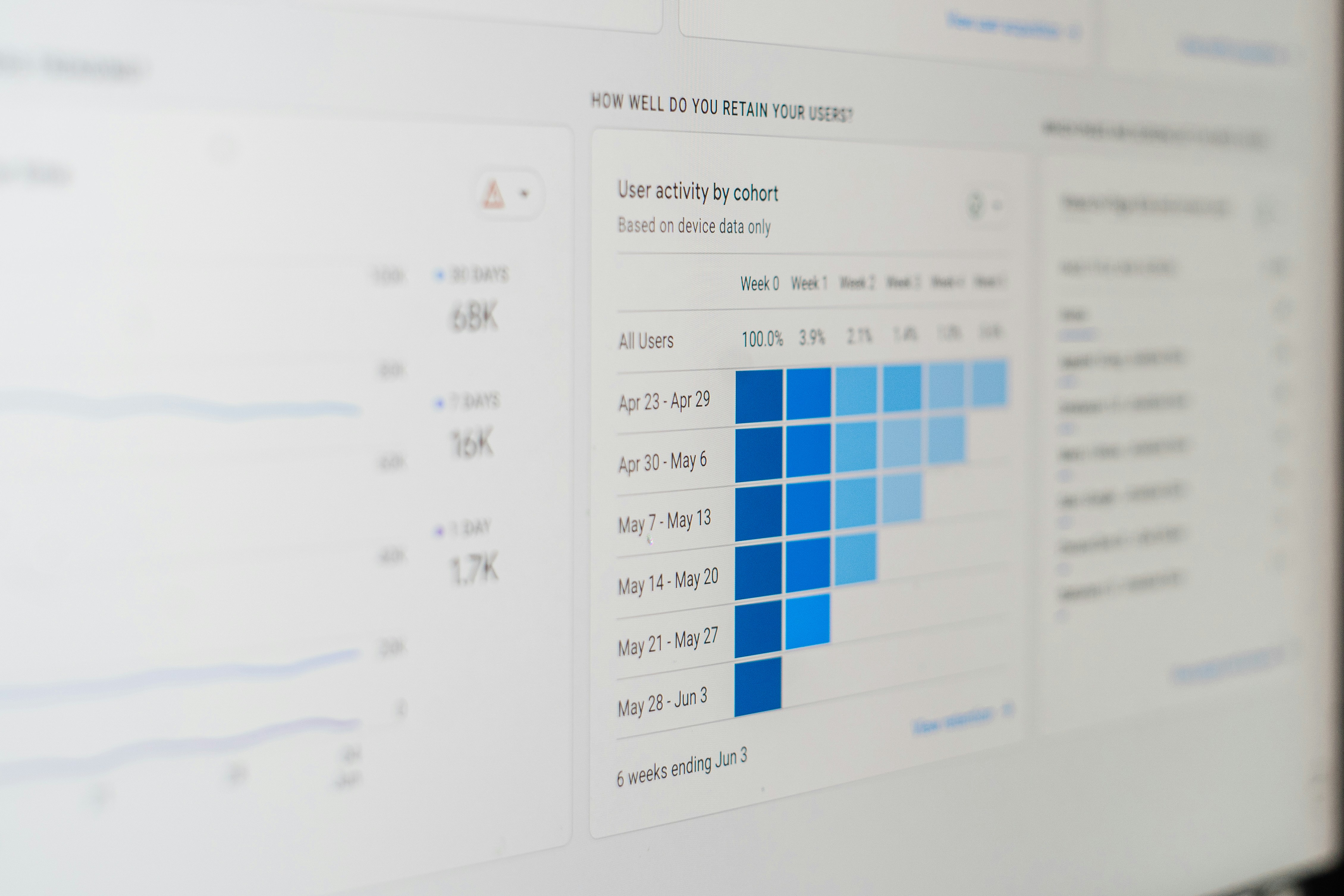
Introduction to Looker Studio and Cloud SQL
In the realm of data analytics, effective tools are pivotal in transforming vast amounts of raw data into actionable insights. Looker Studio, a robust data analytics platform, allows users to visualize data and create comprehensive reports. It enhances the data storytelling process by facilitating the presentation of complex datasets in an easily digestible format. Users can utilize Looker Studio to formulate dashboards that offer real-time analytics, enabling organizations to make informed decisions swiftly. The platform’s integration capabilities are particularly noteworthy, as it can connect with a wide range of data sources, making it a versatile option for businesses of all sizes.
Complementing Looker Studio is Cloud SQL, which serves as a fully managed database service provided by Google Cloud. Among its supported database engines, MySQL stands out as a widely utilized open-source relational database management system. Cloud SQL simplifies the management of MySQL databases by handling routine administrative tasks such as updates, back-ups, and scaling, thus allowing developers and data analysts to focus on their core responsibilities. This managed service aids in ensuring high availability and performance efficiency, and allows for seamless integration with various applications, including data warehousing and analytics tools.
By leveraging Cloud SQL for MySQL databases in conjunction with Looker Studio, users can unlock significant insights from their data. Cloud SQL ensures that the database infrastructure operates smoothly, while Looker Studio empowers users to visualize and interpret this data effectively. The synergy between these two platforms provides a powerful solution for organizations striving to enhance their data analytics capabilities. The combination of Looker Studio’s reporting functionalities and Cloud SQL’s reliability creates a robust framework for managing and analyzing data efficiently.
Understanding Database Performance Metrics
Database performance metrics play a crucial role in evaluating the efficiency and responsiveness of your MySQL database. By monitoring various parameters, database administrators can identify bottlenecks, ensure efficient resource allocation, and maintain system reliability. Among these key metrics, query response time stands out as a primary indicator of performance. It measures the time taken for the database to process a request. A longer query response time could suggest inefficiencies in the database schema, the need for indexing, or issues with server resources.
Another pivotal metric is CPU utilization. This metric reflects the percentage of CPU resources being used to execute database operations. High CPU usage may indicate a poorly optimized query or an excessive load on the server, necessitating adjustments such as query optimization or scaling server resources. Understanding CPU utilization helps in maintaining optimal performance and can aid in making informed infrastructure decisions.
Memory usage is also vital in assessing database performance. It measures the amount of RAM consumed by the database processes. Insufficient memory can lead to increased disk I/O operations as the system struggles to manage data, resulting in degraded performance. Monitoring memory usage metrics enables administrators to optimize configurations and allocate resources effectively, thus improving overall efficiency.
Lastly, I/O throughput, which measures the rate at which data is read from or written to the storage, is essential for determining performance. Poor I/O throughput can become a significant limiting factor, particularly in high-transaction environments. By analyzing I/O performance, database administrators can identify potential storage bottlenecks and implement solutions to enhance data retrieval and storage speeds.
In conclusion, a comprehensive understanding of these core performance metrics—query response time, CPU utilization, memory usage, and I/O throughput—is essential for maintaining optimal MySQL database performance and ensuring a responsive user experience.
Integrating Looker Studio with Cloud SQL for MySQL
Integrating Looker Studio with Cloud SQL dedicated to MySQL requires an understanding of both platforms and their prerequisites. To begin, ensure you have access to a Google Cloud project with billing enabled, as this is essential for utilizing Cloud SQL services. Once you have set up your project, navigate to the Cloud SQL section in the Google Cloud Console to create a MySQL database instance. During this process, you should select the appropriate instance type and specify settings such as database version, memory, and storage based on your anticipated workload.
After creating your MySQL instance, it’s crucial to configure user access and permissions. Create a new user account specifically for Looker Studio with the necessary privileges to access the database. Make sure to note the connection parameters required for Looker Studio, which include the Cloud SQL instance connection name, database name, username, and password.
In Looker Studio, you will initiate the connection via the “Data” section. Choose “Add Data” and select “Cloud SQL” as your data source. You will be prompted to enter the instance connection name and the relevant credentials. It’s advisable to use SSL connections for enhanced security, as this will encrypt the data exchanged between Looker Studio and Cloud SQL.
Common pitfalls during the integration process often stem from firewall settings. Ensure that your Cloud SQL instance allows connections from the IP address used by Looker Studio, which can be found in the Google Cloud documentation. Additionally, double-check that the database name and user credentials entered in Looker Studio are correct. Addressing these aspects will help ensure a seamless setup, allowing you to unleash the full potential of your MySQL database within Looker Studio.
Optimizing Queries in MySQL Database
Optimizing queries in a MySQL database is a crucial aspect that can significantly improve the overall performance of data retrieval and manipulation, which is particularly beneficial when integrated with tools like Looker Studio. One effective technique for query optimization is indexing. Indexes are special data structures that allow the database to quickly locate and access the data without having to scan the entire table. By creating indexes on columns that are frequently involved in search conditions or join clauses, one can drastically reduce the query execution time, thereby enhancing performance.
Query refactoring is another valuable technique in the optimization arsenal. This process involves rewriting queries to make them more efficient. For instance, simplifying complex queries, avoiding unnecessary subqueries, or replacing them with joins can lead to performance gains. Additionally, it is important to ensure that the queries only retrieve the necessary data, which can be achieved by selecting specific columns instead of using ‘SELECT *’. Such practices not only enhance performance but also improve the clarity and maintainability of the SQL code.
Stored procedures serve as another effective method for optimizing queries in MySQL. A stored procedure is a set of SQL statements that can be stored in the database and executed on demand. This encapsulation of SQL logic can improve performance as the execution plan can be cached, leading to faster query execution for repeated calls. Furthermore, using stored procedures can help define complex business logic, thus minimizing data transfer between the application and the database.
By implementing these query optimization techniques—indexing, query refactoring, and stored procedures—users can experience enhanced performance in their MySQL databases. This improvement can be directly reflected in reports generated through Looker Studio, enabling more efficient data analysis and visualization.
Leveraging Looker Studio for Performance Analysis
Looker Studio serves as a powerful tool for enhancing the analysis of database performance metrics in a MySQL environment. By leveraging its capabilities, users can create comprehensive dashboards that not only monitor key performance indicators (KPIs) but also facilitate informed decision-making. One of the primary advantages of using Looker Studio is its ability to visualize complex data in a user-friendly manner. Users can design customized dashboards that reflect real-time performance, helping to identify trends and potential bottlenecks in the database.
To begin with, effective dashboard creation in Looker Studio involves selecting the right data sources. By connecting Looker Studio to Cloud SQL, users can extract relevant performance data from their MySQL databases seamlessly. The integration ensures that the dashboards reflect the latest metrics, providing an accurate overview of system performance. Once the data is hooked up, users can select appropriate visualization techniques such as line charts, bar graphs, and heat maps to present trends over time. These visuals will not only enhance readability but also make it easier to spot anomalies or unexpected patterns in the database performance.
Furthermore, users can apply filters and parameters in Looker Studio to refine the data being displayed. This feature allows for a more focused analysis of specific time periods or performance metrics. For instance, if users want to analyze query execution times during peak hours, they can set up filters accordingly. Additionally, Looker Studio offers interactive elements that enable users to drill down into the data, providing deeper insights. This level of flexibility and customization makes Looker Studio a valuable resource for performance analysis, helping database administrators and stakeholders alike to maintain optimal operation of their MySQL configurations.
Scaling MySQL Databases with Cloud SQL
In the realm of database management, scaling MySQL databases effectively is crucial for optimizing performance and accommodating growing application requirements. Cloud SQL offers two primary strategies for achieving this goal: vertical scaling and horizontal scaling.
Vertical scaling involves upgrading the existing resources of your Cloud SQL instance. This might include increasing the CPU and memory allocation to enhance processing power and support greater workloads. One of the key advantages of vertical scaling is its simplicity; it typically requires minimal configuration changes and can often be executed without experiencing downtime. However, it is important to recognize that vertical scaling has its limits. As demand continues to grow, there may come a point where increasing resources is no longer feasible, making this approach less effective in the long term.
On the other hand, horizontal scaling (or scaling out) involves adding additional Cloud SQL instances. This strategy can be particularly effective for distributing load across multiple databases and improving overall performance. By leveraging read replicas, for example, read operations can be offloaded to these replicas, freeing up resources on the primary database. This method also provides a level of redundancy, enhancing the availability of the database system. However, horizontal scaling may introduce additional complexity in managing and configuring multiple instances, particularly when it comes to ensuring consistency across databases.
When determining which scaling strategy to implement, it is essential to assess the specific needs of your application and its anticipated growth. Understanding workload patterns, user demand, and performance objectives will help inform your decision. In practical scenarios, organizations often find a hybrid approach that incorporates both vertical and horizontal scaling serves them best, aligning resource allocation with dynamic application requirements while maximizing the performance of MySQL databases hosted on Cloud SQL.
Best Practices for Maintaining Database Performance
Maintaining optimal performance in MySQL databases is crucial for ensuring efficient data management and responsiveness. Database administrators play a vital role in this process by adopting a set of best practices tailored to enhance performance and reliability. One of the primary practices is to establish a routine for regular backups. Frequent backups safeguard data integrity and facilitate recovery in the event of data loss, whether due to system failures, human errors, or other unforeseen occurrences. This proactive approach not only protects valuable information but also minimizes downtime, which is essential for performance continuity.
Another important aspect of maintaining database performance is keeping the system software and MySQL server updated. Regular updates provide patches for known vulnerabilities and performance enhancements that can significantly improve the efficiency of the database. By ensuring that the database always runs on the latest version, administrators can leverage new features and optimizations that enhance overall performance.
Additionally, conducting performance reviews is essential for identifying bottlenecks and areas for improvement. Administrators should routinely analyze query performance, indexing strategies, and data structures to pinpoint inefficiencies. Utilizing tools and methodologies to monitor database performance actively allows for timely interventions, addressing specific issues before they escalate into significant problems.
Furthermore, optimizing schema design can substantially affect query execution times and overall database efficiency. A well-structured schema, combined with appropriate indexing, allows the MySQL database to process queries more rapidly. This optimization is particularly important in high-traffic applications where efficiency directly influences user experience.
In summary, by implementing regular backups, keeping software updated, conducting performance reviews, and optimizing schema designs, database administrators can ensure sustained performance in MySQL databases. These practices not only enhance the reliability and responsiveness of the database but also contribute to its long-term viability.
Troubleshooting Common Performance Issues
MySQL databases are favored for their reliability and performance in a variety of applications. However, even the most optimized setups can encounter performance issues that can impede operational efficiency. Identifying and resolving these issues is essential for maintaining the integrity and speed of your database operations. One of the common concerns is high latency, which can arise from various sources, including inadequate indexing, oversized datasets, or network-related delays. To diagnose this problem, one can utilize tools such as the MySQL slow query log, which helps identify specific queries that take longer to execute than expected.
Slow queries typically indicate areas within the database that require optimization. A primary approach to alleviating slow query performance is through the application of efficient indexing strategies. Indexes, when applied correctly, can significantly reduce query execution time. Regularly reviewing query performance and making adjustments to indexing as data evolves can provide noticeable improvements. Additionally, utilizing database profiling tools can illuminate problematic queries and allow for targeted optimization.
Resource contention, which occurs when multiple queries simultaneously consume excessive resources, can also impede performance. This is especially relevant in Cloud SQL environments, where instances can be shared among various operations. Regular monitoring of CPU, memory, and I/O usage is vital. Implementing techniques to manage workload distribution, like query queuing or scaling the instance size, can mitigate this issue. Another effective strategy is the modification of configuration settings, such as connection limits and memory allocation, ensuring they align with the expected workload.
Overall, a systematic approach to troubleshooting these common MySQL performance issues ensures that database functionality remains optimal. By leveraging tools for performance analysis and implementing effective solutions, organizations can enhance the operational efficiency of their MySQL databases, particularly within Cloud SQL environments.
Conclusion and Future Perspectives
In conclusion, optimizing MySQL database performance is crucial for businesses looking to harness the full potential of their data. By leveraging tools like Looker Studio and Cloud SQL, organizations can significantly enhance their analytical capabilities. These platforms not only facilitate efficient data management but also enable effective visualization, which is paramount for decision-making in today’s data-driven landscape. Key takeaways from this discussion emphasize the importance of integrating modern cloud solutions with robust data visualization tools to achieve superior performance in database operations.
The future of database cloud solutions seems promising, as advancements in technology continue to reshape how organizations manage and analyze data. Companies are increasingly adopting cloud-native database solutions to streamline processes, ensuring maximum uptime and scalability. With the evolution of Looker Studio, businesses can expect more intuitive features and enhanced functionalities that will not only simplify data visualization but also integrate seamlessly with their existing databases. This ongoing transformation signifies a shift toward a more collaborative and flexible approach to data analytics.
Moreover, the integration of machine learning and artificial intelligence into database management systems is expected to become a trend. These technologies will empower businesses to gain deeper insights and perform predictive analytics, further enhancing their ability to make informed decisions. As database performance continues to be a significant factor in operational efficiency, organizations that proactively adopt such cutting-edge tools and methodologies will stand to gain a competitive edge. Keeping abreast of these evolving technologies, coupled with a commitment to ongoing performance optimization, will be essential for businesses aiming to thrive in a dynamic marketplace.