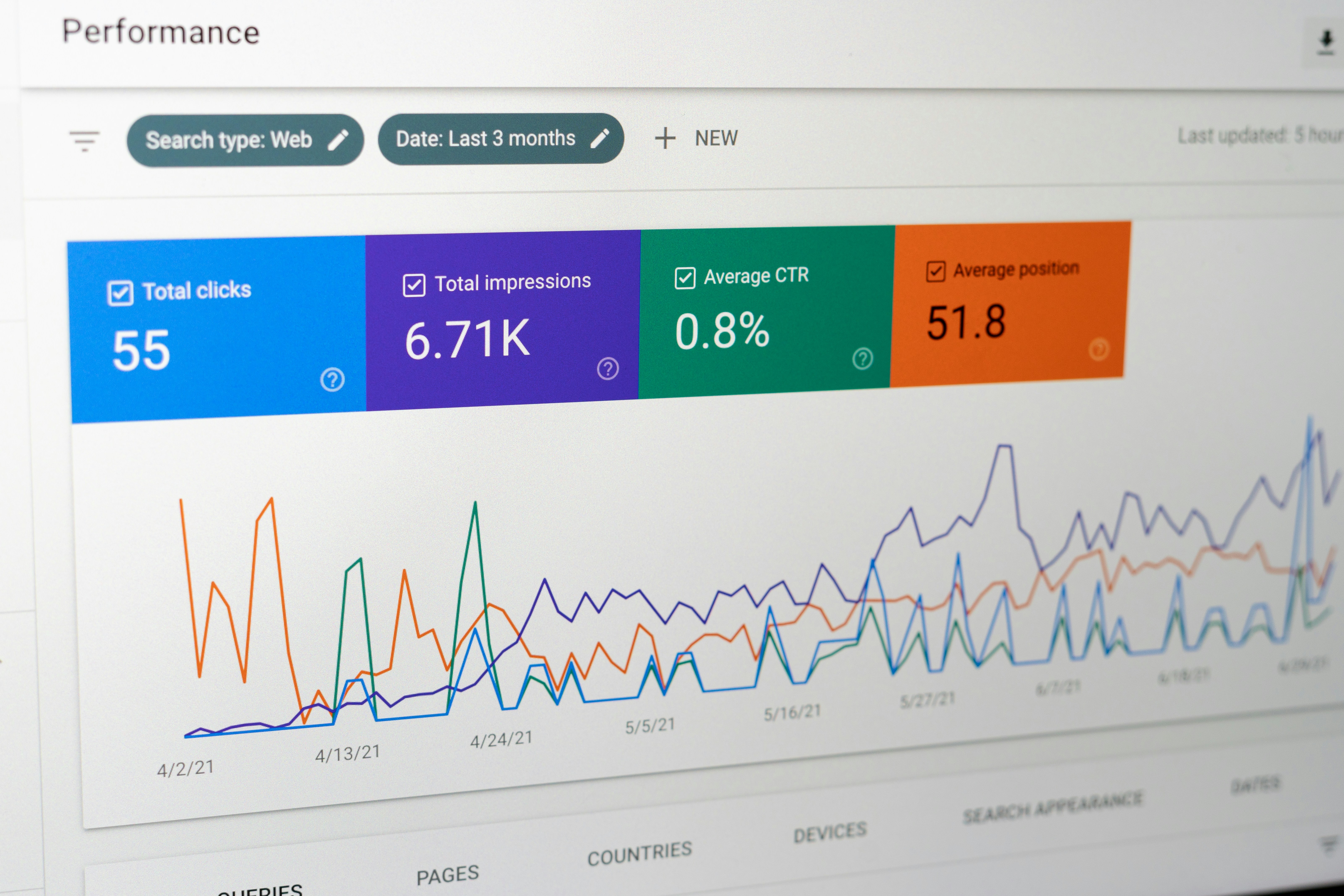
Introduction to SEMrush
SEMrush is a robust digital marketing tool that has gained prominence in the industry for its comprehensive suite of features designed to assist marketers in optimizing their online presence. Founded in 2008, SEMrush provides users with a centralized platform for search engine optimization (SEO), pay-per-click (PPC) advertising, content marketing, and social media management. This multifunctional tool is an invaluable resource for digital marketers, agencies, and businesses seeking to improve their visibility and performance on search engines.
One of the standout features of SEMrush is its powerful SEO tools, which allow users to conduct in-depth keyword research, track keyword rankings, and analyze backlinks. This functionality is crucial for identifying the best opportunities for organic traffic growth. Alongside its SEO capabilities, SEMrush offers extensive competitive analysis tools that enable users to benchmark their performance against key competitors. By understanding the strategies and tactics employed by rivals, businesses can refine their marketing efforts and make informed decisions.
SEMrush also provides an array of additional tools focused on content marketing and advertising, which assist users in optimizing their campaigns and improving their return on investment. With features such as domain analysis and site audits, SEMrush helps users identify strengths and weaknesses in their digital strategies, ensuring they can adapt and thrive in a competitive landscape.
This introduction to the functionalities and significance of SEMrush sets the stage for a deeper exploration of its data accuracy. As marketers increasingly rely on SEMrush to inform their strategies, understanding whether SEMrush data is accurate becomes vital for maintaining effective marketing practices in an ever-evolving digital environment.
Understanding Data Accuracy
Data accuracy refers to the degree to which data correctly represents the real-world conditions or metrics it is intended to model. In the context of digital marketing tools such as SEMrush, data accuracy becomes a pivotal factor as it influences various strategic decisions, including keyword selection, content creation, and overall marketing initiatives. Accurate data ensures that businesses make informed choices, maximizing their potential for success in highly competitive environments.
The implications of relying on inaccurate data are significant. For instance, if SEMrush provides erroneous insights into keyword rankings or traffic estimates, marketers might misallocate resources or develop strategies that do not align with actual market trends. This misalignment can lead to suboptimal performance in campaigns, resulting in wasted budgets and missed opportunities. Therefore, understanding the accuracy of this data is essential for driving successful marketing outcomes.
Moreover, businesses often depend on SEMrush for competitor analysis. If the comparative metrics are flawed, it could distort a company’s understanding of its position in the marketplace, hindering its ability to adapt and innovate. For companies aiming to optimize their online presence via SEO and content marketing, the veracity of SEMrush data plays a vital role in achieving desired objectives.
Furthermore, data accuracy is not a static measure; it can fluctuate based on various factors, including algorithm changes, shifts in user behavior, and data collection methodologies. As such, ongoing validation and adaptation to these dynamics are necessary to enhance the reliability of the information provided by SEMrush. Businesses must remain vigilant in their analysis, continuously scrutinizing the data to verify its authenticity and make necessary adjustments as trends evolve.
Factors Influencing SEMrush Data Accuracy
Understanding the accuracy of SEMrush data requires consideration of various influencing factors. Primarily, the algorithms deployed by SEMrush play a crucial role in determining the precision of its data. SEMrush utilizes sophisticated algorithms that analyze vast amounts of information collected across multiple platforms. These algorithms are optimized to deliver insights that reflect current market conditions, yet they are inherently reliant on the quality and depth of the data inputs. Therefore, while SEMrush data can provide valuable insights, its accuracy can be impacted by the limitations and biases present in the data sources.
The frequency of data updates is another significant factor affecting the reliability of SEMrush data. SEMrush regularly updates its data sets to reflect the dynamic nature of the digital landscape. Frequent updates mean that the insights provided are more timely and relevant, but they can also lead to variations in accuracy as new data replaces outdated information. Users who rely on this data should be aware of the update schedule and the potential lag that might occur between data collection and availability in the platform.
Additionally, the sources from which SEMrush collects its data greatly influence the overall reliability of the information presented. SEMrush gathers information from diverse sources such as search engines, websites, and other public databases. The diversity of data sources allows for a well-rounded perspective, but it can also introduce discrepancies, as different sources may report varied figures or trends. Consequently, while SEMrush strives for accuracy, external factors might skew the data. Users should consider cross-referencing SEMrush data with other analytics tools to achieve a comprehensive understanding of their metrics and performance.
User Testimonials and Case Studies
The accuracy of SEMrush data has been a point of discussion among users across different industries. A variety of testimonials reveal how this tool has been instrumental in shaping marketing strategies, albeit with some reservations. For example, a digital marketing agency reported significant benefits when using SEMrush for SEO audits and keyword research. They highlighted how the tool’s data helped identify high-traffic keywords, resulting in a 30% increase in organic search traffic within three months. This user emphasized that the insights derived from SEMrush’s analytics allowed them to make informed decisions, underscoring that the platform is indeed capable of providing reliable metrics for enhancing online visibility.
Conversely, some users have experienced discrepancies with the tool’s data accuracy. A local business owner expressed frustration when comparing SEMrush data against other platforms. They noted a variance in keyword rankings, suggesting that SEMrush underestimated their search visibility. This inconsistency raised concerns about the platform’s real-time data reliability. Despite these challenges, the business owner acknowledged that SEMrush still provided useful information for competitive analysis, illustrating that while SEMrush data might not always be perfectly aligned with other sources, it possesses value in aggregating overall market trends.
Additionally, a case study involving an e-commerce site showcased the utility of SEMrush data for improving pay-per-click (PPC) campaigns. The team behind the campaign used SEMrush’s keyword analysis tools to derive an optimal bidding strategy, ultimately leading to a 25% reduction in cost-per-acquisition (CPA). This highlights that SEMrush can be a powerful asset for advertising effectiveness, despite the caveats regarding its data accuracy.
In essence, user testimonials and case studies reveal a multifaceted perspective on SEMrush data accuracy. While many find it beneficial for their digital marketing initiatives, some caution against relying solely on the metrics presented. As with any analytical tool, it’s recommended to corroborate SEMrush insights with additional data sources to achieve the best results in strategy development.
Comparing SEMrush with Other Tools
In the realm of digital marketing, various tools are available for professionals seeking to enhance their online presence and optimize their strategies. Among these, SEMrush is often compared to competitors such as Ahrefs and Moz. While all these platforms provide valuable data, differences in their methodologies can lead to significant variations in accuracy and reliability.
SEMrush is well-regarded for its extensive database, offering a broad spectrum of analytics related to SEO, PPC, and content marketing. Its keyword research features are notable, providing insights into search volume, competition levels, and trends. However, when considering data accuracy, it is essential to compare SEMrush with tools like Ahrefs, which employs a different indexing strategy. Ahrefs focuses heavily on backlink analysis and has demonstrated a high level of precision in this domain. Users might find Ahrefs more reliable for link-building campaigns due to its robust crawlers that extensively map the web.
On the other hand, Moz provides a unique approach with its proprietary metrics such as Domain Authority and Page Authority. While SEMrush offers comprehensive tools for on-page and off-page SEO analysis, some users argue that Moz’s data may present a more consolidated view of overall website performance. However, it may not be as detailed in exploring specific keyword strategies. Therefore, while SEMrush data is highly useful for a comprehensive overview, Ahrefs and Moz have their respective strengths that could appeal to different user needs.
Ultimately, the choice of tool would depend on specific requirements and preferences. For those prioritizing keyword and competitive analysis, SEMrush remains a strong contender. However, marketers focused on backlink strategies or domain authority metrics might find utility in the insights offered by Ahrefs and Moz. Thus, understanding each tool’s unique advantages can enhance the decision-making process in selecting the most suitable platform for effective digital marketing efforts.
Potential Limitations of SEMrush Data
While SEMrush is widely recognized for its comprehensive data analysis and SEO tools, it is essential to acknowledge its limitations. One significant factor is the accuracy of data in niches or industries with less available information. In cases where a market segment is relatively small or underrepresented, SEMrush may struggle to provide reliable data due to insufficient coverage. Consequently, users operating within these areas might find the insights less applicable, leading to potentially misguided strategic decisions.
Another limitation arises from data interpretation challenges. The metrics provided by SEMrush can be complex, and without a clear understanding of how to analyze and interpret them, users could draw incorrect conclusions. For instance, keyword search volumes may be skewed due to variations in regional interests or seasonal trends. Therefore, it is crucial for users to approach SEMrush data critically and consider cross-referencing with other data sources to ensure a comprehensive understanding of their specific market dynamics.
Moreover, SEMrush primarily relies on its own set of algorithms and methodologies to collect and analyze data. This internal framework implies that shifts or anomalies in market behavior may not be captured instantly, leading to potential delays in the accuracy of the provided metrics. As a result, users should remain cautious about how they apply the insights derived from SEMrush, particularly when binding those insights to real-time decisions.
Some users might also experience discrepancies when comparing SEMrush data with that of other analytics tools. Each platform has its unique approach to data gathering and presentation, leading to variations in reported metrics. This inconsistency can further complicate effective strategy formulation if users solely rely on SEMrush without considering other analytics insights.
Overall, while SEMrush offers valuable data analysis capabilities, being aware of its limitations is crucial for users who wish to leverage the platform for their digital marketing strategies effectively.
Best Practices for Utilizing SEMrush Data
To maximize the benefits of SEMrush, it is essential for digital marketers to adopt certain best practices that enhance the use and accuracy of the data provided. First and foremost, verifying the data accuracy is crucial. While SEMrush is a reputable tool, data discrepancies can arise due to factors such as changes in search engine algorithms or fluctuations in user behavior. It’s advisable to regularly check the credibility of the reports generated and compare them against known benchmarks within the industry.
Cross-referencing SEMrush data with other analytics tools is another effective strategy. Utilizing platforms like Google Analytics can provide deeper insights into website traffic, user demographics, and behavior patterns that may not be fully captured by SEMrush alone. By comparing keyword performance and traffic estimates across different tools, marketers can develop a more balanced and comprehensive understanding of their digital marketing landscape.
Additionally, leveraging the insights gathered from SEMrush should not be done in isolation. Incorporating these insights into a broader marketing strategy is vital. This encompasses creating data-driven content that aligns with the identified keywords and trends. The use of SEMrush’s features such as site audits, backlink analysis, and keyword tracking can significantly enhance a marketing team’s effectiveness. By systematically analyzing the competitive landscape provided by SEMrush, marketers can adopt strategies that refine their approaches, optimize campaigns, and ultimately, achieve a higher return on investment.
In summary, by prioritizing data verification, cross-referencing with other tools, and integrating insights into a comprehensive marketing strategy, digital marketers can utilize SEMrush data more effectively. This diligence not only contributes to more informed decision-making but also plays a pivotal role in enhancing overall marketing performance.
Future Developments in SEMrush Data Accuracy
The landscape of digital marketing analytics is constantly evolving, and SEMrush is at the forefront of this transformation. As businesses increasingly rely on accurate data to guide their strategies, the future of SEMrush data accuracy is poised for significant developments. One potential area of advancement lies in the application of advanced machine learning algorithms. By integrating A.I. capabilities, SEMrush could enhance its data processing efficiency, thus offering more reliable insights into user behavior and market trends.
Additionally, SEMrush may leverage big data analytics to enrich its databases. By aggregating a wider array of information sources, from social media metrics to newsletter engagement statistics, the platform can aim to provide a more comprehensive view of digital marketing performance. Such an approach not only enhances data accuracy but also offers users a multi-faceted perspective that can lead to more informed decision-making.
Another avenue for improvement is the transparency of data collection methodologies. As users become more discerning about the tools they utilize, SEMrush may focus on detailing the sources and processes behind its data. Improved transparency can boost user confidence and allow marketers to better understand the nuances of the data they are working with. This clarity can dramatically enhance how businesses interpret SEMrush data, fostering a more productive correlation between strategy and outcomes.
Furthermore, as regulations around data privacy become stricter, SEMrush will need to adapt its practices to ensure compliance. This commitment not only safeguards user data but also solidifies the platform as a trustworthy source of information. Ultimately, SEMrush’s future initiatives centered around improving data accuracy are likely to revolve around technological advancements, transparency, and compliance, all aimed at bolstering user confidence in the data they rely upon.
Conclusion and Final Thoughts
In this comprehensive analysis, we have carefully examined the accuracy of SEMrush data, a vital component for professionals engaged in digital marketing. The significance of reliable data in this field cannot be overstated; it informs strategic decisions, helps in competitive analysis, and shapes optimization efforts. Throughout the discussion, we have highlighted various factors that influence the accuracy and reliability of SEMrush statistics, including the methodologies utilized in data collection and analysis, as well as the dynamic nature of digital landscapes.
Moreover, it is essential to recognize that while SEMrush provides valuable insights, the precision of its data may vary based on numerous elements such as industry standards, geographical considerations, and the specific metrics being evaluated. Therefore, users are advised to adopt a critical approach to SEMrush data interpretation and consider it as one of several resources in their analytic toolkit. Engaging with various data sources, benchmarking against industry averages, and continuously validating your findings are prudent practices that can enhance overall data accuracy.
Ultimately, the accuracy of SEMrush data plays a crucial role in shaping effective marketing strategies. Marketers must remain vigilant in assessing the relevance and reliability of the information they use. By doing so, they can ensure that their decisions are informed, data-driven, and catered to their specific business objectives. For further exploration of the discussed concepts and a deeper dive into best practices around data analysis, readers are encouraged to access additional resources linked throughout this post. This proactive approach not only enhances understanding but also empowers marketers to navigate the complexities of the digital world more effectively.