Introduction to SEMrush Position Tracking Tool
The SEMrush Position Tracking Tool is an essential resource for digital marketers and SEO professionals seeking to enhance their online presence. This sophisticated tool allows users to track their website’s keyword rankings across various search engines, providing critical insights into their digital visibility. By monitoring fluctuations in keyword positions, businesses can determine the effectiveness of their SEO strategies and make data-driven decisions to improve their search performance.
The significance of the SEMrush Position Tracking Tool lies in its ability to offer real-time data on keyword performance. Unlike traditional tracking methods that may provide outdated information, SEMrush delivers up-to-date analytics, ensuring that marketers can respond swiftly to changes in their rankings. This responsiveness is crucial in the fast-paced world of digital marketing, where search engine algorithms and consumer behaviors are in constant flux.
This integration creates a holistic approach to SEO, merging position tracking with broader evaluation techniques. As search engine optimization continues to evolve, the importance of a reliable tracking tool cannot be overstated. The insights gained from using the SEMrush Position Tracking Tool facilitate informed strategizing, ultimately leading to improved rankings and increased organic traffic. Understanding how to leverage this powerful tool is the stepping stone for mastering SEO in a competitive landscape.
Key Features of SEMrush Position Tracking Tool
The SEMrush Position Tracking Tool is a powerful asset for SEO practitioners seeking to enhance their strategies. One of the most significant features of this tool is its comprehensive keyword rank tracking capability. This feature allows users to monitor their website’s ranking positions for specified keywords over time. Users can gain insights into how their positions fluctuate, helping to identify successful strategies or areas that may require optimization. With its ability to track thousands of keywords simultaneously, the SEMrush Position Tracking Tool empowers website owners to understand their performance more accurately.
Another essential aspect of the SEMrush Position Tracking Tool is its robust competitor analysis functionality. By comparing keyword rankings with those of competitors, users can pinpoint opportunities to outrank their rivals. This feature provides detailed reports on competitors’ movements and keyword strategies, allowing users to adjust their tactics accordingly. Understanding the competitive landscape is crucial in developing a winning SEO strategy, and the SEMrush tool effectively aids in this endeavor.
Additionally, the SEMrush Position Tracking Tool offers the capability to track rankings across different devices and locations. In today’s multi-device environment, knowing how a website performs on desktops, tablets, and mobile devices is vital for tailoring effective marketing strategies. This feature ensures that businesses can understand the variations in performance, allowing them to optimize their content and user experience for all platforms. Furthermore, tracking local SEO performance is critical for businesses that rely on local customers, and this feature aids in that tracking seamlessly.
Through keyword rank tracking, competitor analysis, and tracking across various devices and locations, the SEMrush Position Tracking Tool serves as a comprehensive solution for optimizing SEO efforts. Each feature contributes to a deeper understanding of online visibility, enabling practitioners to implement more informed strategies.
How to Set Up SEMrush Position Tracking
Setting up the SEMrush Position Tracking Tool involves a methodical approach that ensures effective monitoring of your keyword performance. First, log into your SEMrush account. If you do not have one, consider signing up for a free trial or selecting an appropriate plan that suits your tracking needs. Once logged in, navigate to the ‘Position Tracking’ section under the ‘SEO’ menu.
The initial step will be to create a new project. Click on the ‘Add New Project’ button, and input your website’s domain. This will be your base for all tracking activities. After creating the project, you will be prompted to set up your position tracking parameters. Here, you must define the location from which you want to track, as rankings can differ significantly across geographic regions.
Next, input the specific keywords you wish to track. A well-considered selection is crucial; thus, conducting a keyword analysis beforehand might be beneficial. Using keywords relevant to your content ensures focused tracking and reporting. The tool allows you to input up to 20 keywords in the initial setup, but consider expanding this list over time for a broader analysis.
After entering your keywords, you will need to configure additional settings such as device type—whether desktop, mobile, or both—and the search engine, predominantly Google, unless your needs specify otherwise. Additionally, consider scheduling regular updates; this functionality enables you to receive automatic reports on your progress. Setting up alerts for ranking changes can further refine your tracking efforts.
Once all these configurations are complete, click on the ‘Start Tracking’ button. The SEMrush Position Tracking Tool will now commence monitoring your specified keywords, allowing you to glean valuable insights into your SEO performance over time. Regularly reviewing these results will empower you to adapt your strategies while optimizing your visibility across search engines.
Analyzing Your Keyword Rankings
Utilizing the SEMrush Position Tracking Tool provides valuable insights into your keyword rankings, enabling you to optimize your SEO strategy effectively. One of the primary metrics to consider is the search volume associated with your targeted keywords. Search volume indicates how many users are searching for specific terms, which helps prioritize keywords that can drive substantial traffic to your website. By analyzing this metric, you can ensure that your focus is on keywords that not only align with your content but also have the potential to increase your site visits.
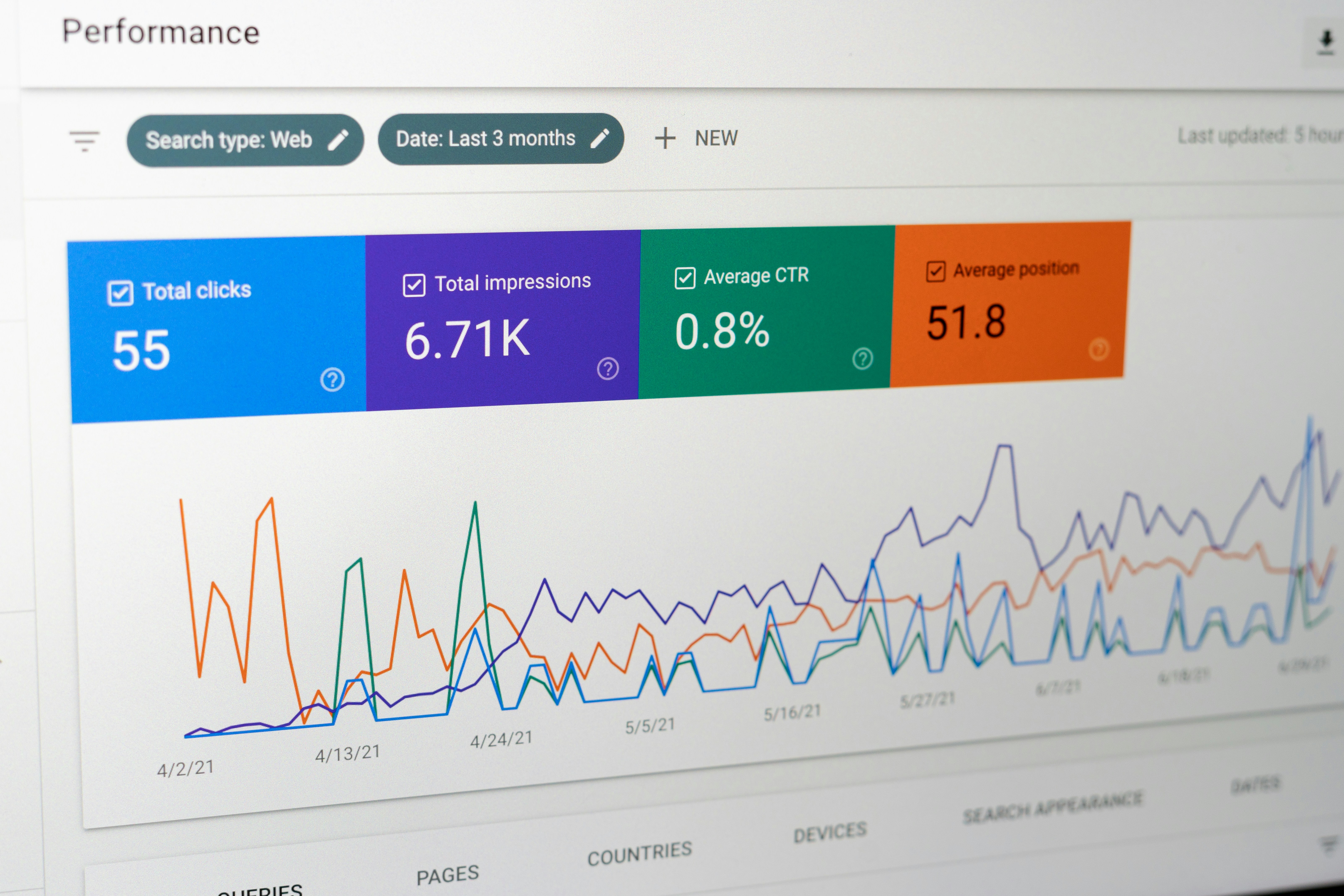
Another crucial aspect of keyword ranking analysis is trend analysis. The SEMrush Position Tracking Tool allows you to track fluctuations in your rankings over time, giving you a broader perspective on how your strategies are performing. By observing trends, you can identify seasonal variations or shifts in user behavior that may impact your rankings. For example, a particular keyword might surge in popularity during specific months, highlighting an opportunity to adjust your content marketing efforts accordingly.
Moreover, comparing your keyword rankings over time is vital for informed decision-making. Monitoring changes helps you determine whether your SEO efforts are yielding positive results and whether you need to refine your approach. When you notice a drop in rankings, it may signal the need for more comprehensive content, improved keyword usage, or an analysis of your competitors. The SEMrush Position Tracking Tool can simplify this process by providing a clear visualization of keyword performance, making it easier to spot opportunities for growth or areas needing improvement.
In summary, effectively analyzing your keyword rankings with the SEMrush Position Tracking Tool involves understanding search volume, leveraging trend analyses, and continuously comparing your rankings over time. By doing so, you create a data-driven foundation for your SEO strategy that supports better decision-making and ultimately enhances your website’s performance.
Competitor Insights with SEMrush
Understanding the competitive landscape is an essential aspect of effective search engine optimization (SEO). The SEMrush Position Tracking Tool provides invaluable insights into how your competitors are performing in organic and paid search results. By identifying which keywords competitors are targeting and how they rank for these terms, you can formulate strategies to improve your own site’s visibility.
To begin harnessing the power of the SEMrush Position Tracking Tool, start by inputting your competitors’ domain names. The tool will present a comprehensive overview of their keyword rankings, including the positions they hold, the search volume of those keywords, and the estimated traffic they receive from each term. This data allows you to analyze which keywords are driving the most traffic to your competitors, thus enabling you to identify potential opportunities for your own website.
Moreover, the tool offers a comparison feature, allowing you to juxtapose your website’s performance against that of your competitors. This visual representation of data can highlight gaps in your keyword strategy and reveal areas where adjustments are needed. For instance, if a competitor is ranking highly for a set of keywords related to a specific topic in your niche, it may indicate a market demand that you are not fully capitalizing on. By adopting similar keywords into your content strategy, you can enhance your chances of securing a better position in search engine results.
In addition to keyword performance, SEMrush’s Position Tracking Tool also shows historical data on your competitors’ rankings. This information is essential for spotting trends and seasonality in their keyword strategies. By analyzing these trends, you can anticipate changes in user behavior and adjust your SEO efforts accordingly. Therefore, leveraging the SEMrush Position Tracking Tool effectively can substantially enhance your ability to compete in the ever-evolving SEO landscape.
Integrating Position Tracking with Overall SEO Strategy
To maximize the benefits of the SEMrush Position Tracking tool, it is essential to incorporate its insights into a cohesive SEO strategy. The position tracking feature enables you to monitor your website’s rankings for specific keywords over time, providing valuable data that can inform various aspects of your SEO efforts. By aligning your keyword tracking with other components such as content marketing and link building, you can create a robust framework that enhances your online presence.
For instance, the data gathered from the SEMrush Position Tracking tool can guide your content creation efforts. Understanding which keywords are performing well and which ones may need attention allows content marketers to craft targeted articles, blog posts, or landing pages that resonate with users’ search intent. This targeted approach not only helps in improving search engine rankings but also in driving relevant organic traffic to your website.
In addition to content marketing, integrating position tracking insights with link building strategies is imperative. By identifying high-performing keywords, you can prioritize which pages require backlinks. This strategic focus helps in amplifying the visibility of certain pages in search results. When planning outbound link-building campaigns, aligning these efforts with keywords tracked in the SEMrush Position Tracking tool ensures that you are enhancing the authority of the most crucial content on your site, ultimately contributing to better overall rankings.
Furthermore, regularly analyzing the data provided by the position tracking tool allows for ongoing adjustments to your SEO strategy. SEO is not a one-time effort; it requires continuous refinement based on performance metrics. By staying attuned to positional changes and fluctuations in keyword rankings, you can proactively switch tactics, re-optimize pages, or pivot to different keyword targets. This iterative process significantly strengthens the long-term effectiveness of your SEO endeavors.
Common Challenges and How to Overcome Them
Utilizing the SEMrush Position Tracking Tool can greatly enhance an SEO strategy; however, users often encounter several common challenges that can hinder its effectiveness. One of the primary issues is tracking inaccuracies. These inaccuracies can arise due to various factors, including changes in Google’s search algorithm or fluctuations in keyword rankings. To mitigate this, it is crucial for users to frequently check and adjust their tracking settings. Regularly updating the location, device preferences, and search engines can help ensure that the data being collected is as accurate as possible.
Another common challenge pertains to managing large keyword lists. As SEO strategies evolve, tracking numerous keywords can become overwhelming and impact the tool’s performance. To address this, it is advisable to prioritize and group keywords based on relevance, search volume, and competition. SEMrush provides features that allow users to segment keywords, enabling more focused analysis and easier management. Creating smaller, more manageable campaigns can help streamline the tracking process and enhance overall performance.
Additionally, some users may find it difficult to interpret the vast amount of data generated by the SEMrush Position Tracking Tool. To overcome this, investing time in training or utilizing tutorials provided by SEMrush can be beneficial. Learning how to analyze the data effectively ensures that users can make informed decisions. Furthermore, employing the reporting features available in SEMrush can help distill complex information into concise, actionable insights.
In summary, while challenges such as tracking inaccuracies and managing keyword lists are prevalent when using the SEMrush Position Tracking Tool, taking proactive measures can significantly enhance user experience. By regularly updating settings, prioritizing keywords, and leveraging SEMrush’s educational resources, users can maximize the effectiveness of their SEO efforts.
Real-World Case Studies
In the realm of search engine optimization (SEO), leveraging the right tools can lead to significant improvements in online visibility and rankings. The SEMrush Position Tracking Tool has proven to be instrumental for various businesses aiming to enhance their SEO strategies. Below, we explore notable case studies that illustrate the effective use of this powerful tool.
One case study features an e-commerce website that was struggling with keyword rankings and organic traffic. By utilizing the SEMrush Position Tracking Tool, the marketing team was able to monitor their keyword performance closely and identify fluctuations in rankings. They discovered that several competitors were gaining ground on critical keywords. Armed with this data, they recalibrated their content strategy, focusing on high-value keywords where they could realistically improve visibility. As a result, after six months of implementing these changes, the site saw a 45% boost in organic traffic and a substantial increase in keyword positions.
Another compelling example comes from a local service provider that faced stiff competition within their area. By regularly using the SEMrush Position Tracking Tool, they identified the keywords that were driving traffic to their competitors’ sites. This insight led to the creation of targeted content around those keywords, as well as optimized local listings. Over time, the business not only improved its visibility in local search results but also achieved a remarkable transformation, moving from page two to page one for several competitive terms, resulting in a 60% increase in inquiries from potential customers.
Lastly, a B2B software firm effectively utilized the SEMrush Position Tracking Tool to track their performance against industry benchmarks. By analyzing the data, the company adapted its SEO tactics, adjusting its link-building efforts and content marketing strategies. Within a year, they experienced a 70% rise in keyword rankings and a corresponding increase in lead generation, showcasing the importance of real-time tracking in SEO efforts.
Conclusion and Next Steps
Utilizing the SEMrush Position Tracking Tool can significantly enhance your search engine optimization (SEO) strategy. This comprehensive tool offers valuable insights into your website’s performance on search engine results pages (SERPs), allowing you to track keyword rankings and analyze competitors’ performance effectively. By integrating this tool into your workflow, you can identify trends, optimize content accordingly, and make informed decisions based on real-time data.
The SEMrush Position Tracking Tool provides several advantages, including the ability to monitor fluctuations in keyword rankings and assess the effectiveness of your SEO efforts over time. This data is crucial for understanding how changes in your strategy impact visibility in SERPs. Additionally, you can customize tracking parameters to focus on specific geographic locations or devices, thereby gaining deep insights tailored to your target audience. Ultimately, these capabilities will empower you to refine your SEO strategy, making it more robust and effective.
For those interested in integrating the SEMrush Position Tracking Tool into their SEO efforts, the first step is to create an account with SEMrush if you haven’t already. Following this, set up your project and begin adding the domains and keywords you wish to track. Familiarize yourself with the user interface and explore the various reporting options to maximize your understanding of your performance metrics. It is also beneficial to regularly review and adjust your tracking settings as needed, ensuring they remain aligned with your evolving goals.
To further support your journey in mastering SEO with this tool, consider exploring additional resources offered by SEMrush, including webinars, guides, and community forums. These resources can provide further insights and foster a community of SEO professionals who share best practices. By actively leveraging these tools and resources, you position yourself for long-term success in enhancing your online presence and searchability.