Introduction to Looker Studio
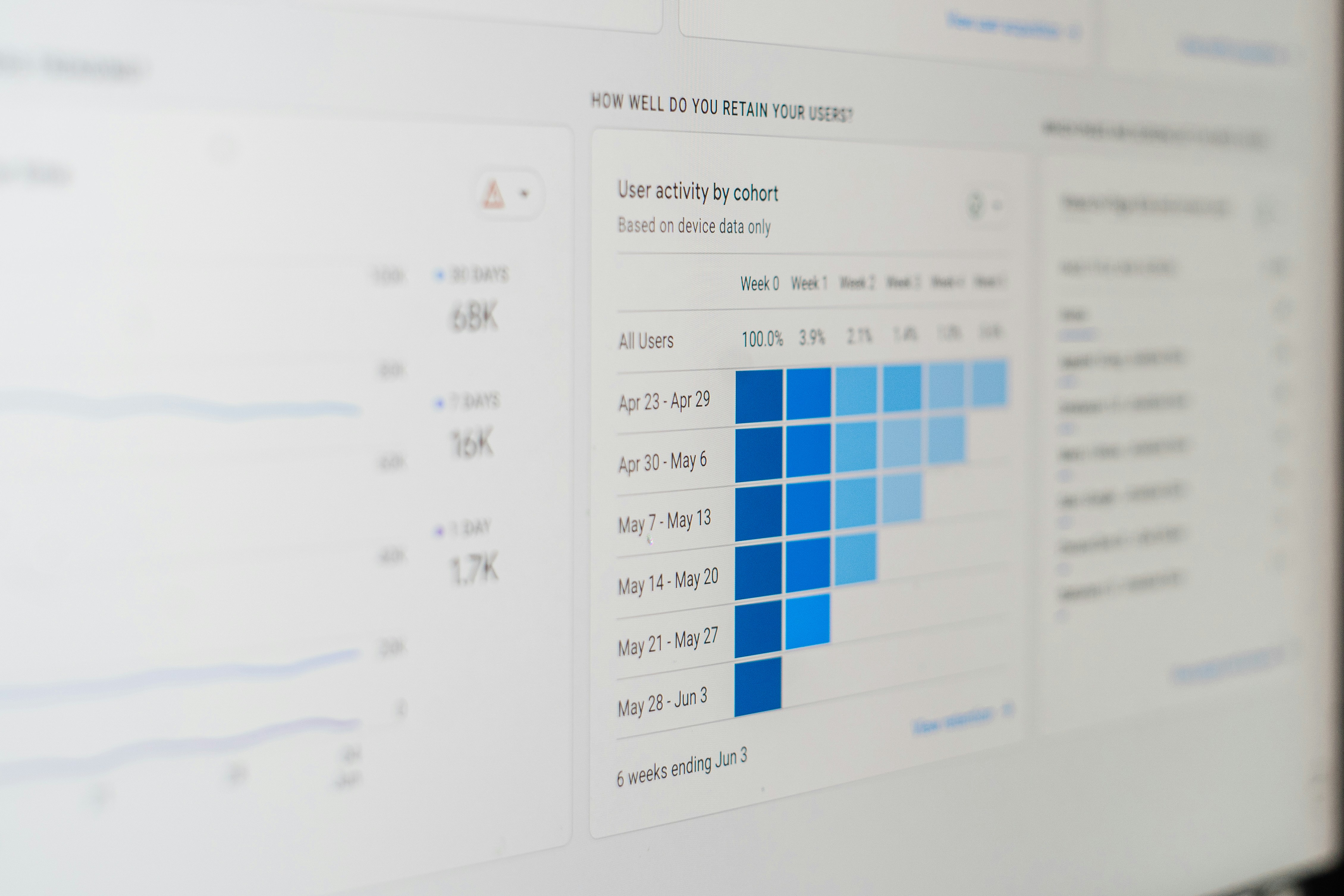
Looker Studio is an advanced data visualization and business intelligence platform designed to help organizations make informed decisions based on data-driven insights. As a powerful tool, it enables users to create interactive reports and dashboards, ultimately transforming complex data sets into comprehensible visual formats. This capability is essential for companies seeking to leverage their data for strategic planning and operational improvements.
One of the key features of Looker Studio is its ability to connect seamlessly to a variety of underlying data sources. These sources can range from traditional databases like SQL databases and cloud storage solutions to contemporary platforms such as Google Sheets and BigQuery. The versatility in data connections allows organizations to aggregate data from multiple channels, ensuring a unified view of their operations. This integration is crucial, as it influences the effectiveness and accuracy of the generated reports. A stable connection to these data sources not only facilitates the extraction of real-time data but also enhances the overall reporting experience for users.
The significance of effective data connection in Looker Studio cannot be overstated. When a connection is fluid and reliable, reports are updated automatically, reflecting the most current information. This empowers stakeholders to make timely decisions based on accurate data insights. Conversely, issues with data connections can lead to errors, such as the “Failed to Fetch Data from the Underlying Data Set” message, which may severely impact reporting and analysis efforts. Understanding how Looker Studio functions and its connection capabilities is vital for users to harness its full potential in business analytics.
Common Errors Encountered in Looker Studio
When utilizing Looker Studio for data visualization and reporting, users often encounter various errors that can impede their workflow. One of the most prevalent issues is the error message reading ‘failed to fetch data from the underlying data set.’ This specific error can be attributed to several underlying causes which once identified, can be fixed to ensure smooth functioning of the platform.
One major cause of this error is connectivity issues between Looker Studio and the data source. Poor internet connection or server problems can prevent Looker Studio from accessing the necessary data. This situation can lead to frustration, particularly when users are in the middle of data-related tasks. It is advisable for users to verify their internet connections and the current status of the data source servers beforehand.
Another frequent culprit is incorrect data source configuration. This may include improper setup of the connections or insufficient permissions granted to Looker Studio for accessing the data. Users must ensure that the credentials and permissions are set accurately to avoid such errors. Each data source has its specific requirements, and adherence to these requirements is critical for seamless integration.
Additionally, issues related to data model structures can also result in the ‘failed to fetch data’ error. Changes made to the underlying data schema, such as deleted tables or columns, can disrupt the relationship that Looker Studio relies on to generate reports. As a precautionary measure, users should keep track of modifications to their data structure and update their models accordingly to prevent this error from occurring.
Understanding these common errors and their potential causes can significantly enhance one’s ability to troubleshoot issues in Looker Studio. By addressing these matters, users can improve their experience and ensure effective data reporting.
Understanding the ‘Failed to Fetch Data’ Error
The ‘Failed to Fetch Data from the Underlying Data Set’ error is a common issue encountered by users of Looker Studio. This error signifies that the platform has been unable to retrieve the necessary data from the specified source, preventing users from accessing their intended insights. While it may seem straightforward, several underlying factors could contribute to this problem.
One prevalent cause of this error is network issues. When the connection between Looker Studio and the data source is disrupted, it can result in failed data retrieval attempts. Temporary outages or latency in network performance can hinder the ability to fetch data, leading to this frustrating error message. Ensuring a stable internet connection and verifying that the data source is accessible are essential steps in troubleshooting.
Another critical aspect to consider is permission settings. Data access protocols may have been modified or are misconfigured, restricting Looker Studio from fetching data. Users should verify that they possess the necessary permissions to access the data sources in question. This includes checking user roles, group permissions, and any potential access restrictions that could obstruct data retrieval.
Data source configurations also play a vital role in the occurrence of the ‘Failed to Fetch Data’ error. If the connectivity settings are incorrect, or if the data source is down or misconfigured, Looker Studio will be unable to establish the required connection. Users should assess the configuration settings of their data sources, ensuring they match the specifications required for successful integration with Looker Studio.
In summary, understanding the ‘Failed to Fetch Data’ error is crucial for effectively troubleshooting data retrieval issues in Looker Studio. By examining network connections, permission settings, and data source configurations, users can identify the root causes and take the necessary steps to resolve the error efficiently.
Step-by-Step Troubleshooting Guide
When encountering the ‘Failed to Fetch Data from the Underlying Data Set’ error in Looker Studio, it is imperative to follow a methodical approach to identify and rectify the issue. This troubleshooting guide outlines several crucial steps that users can undertake to effectively resolve the problem.
First, begin by verifying the connection settings to the data source. Ensure that the correct connection type is selected and that all necessary credentials are accurately entered. If you are using credentials stored in a key vault or similar service, double-check permissions and any tokens that may have expired.
Following the connection verification, the next step is to check the configuration of the data source. Review the settings to confirm that all options are appropriately defined. Pay particular attention to the data source type and whether it aligns with the data model being used in Looker Studio. Misconfigurations can often lead to data fetching errors.
Further, inspect the network settings that may influence connectivity to the data source. A poor or unstable network connection may trigger errors, so consider running a speed test or contacting your internet service provider if suspicion arises regarding connectivity issues. If your organization has recently adjusted firewall settings, these changes may also impede access to external data sources, necessitating a review of firewall rules.
A practical measure is to try fetching data from the underlying dataset directly, if possible. This step can help determine whether the issue lies with Looker Studio itself or with the data source. Finally, consult documentation and forums related to Looker Studio for additional troubleshooting tips and community insights, as other users may have experienced similar challenges.
By executing these steps systematically, users can efficiently troubleshoot the ‘Failed to Fetch Data from the Underlying Data Set’ error and restore functionality to their Looker Studio dashboards.
Checking Data Source Permissions
In Looker Studio, managing data source permissions is a crucial step in troubleshooting issues such as the error message ‘Failed to Fetch Data from the Underlying Data Set’. Ensuring that all users have the appropriate access rights is essential for seamless data retrieval and reporting. The first step is to verify the permissions assigned to the data source. Navigate to the data source settings within Looker Studio, and examine the access levels granted to various users and groups.
If you find that certain users are lacking the necessary permissions, it is important to modify their access. Click on the ‘Manage Permissions’ option for the data source, where you can add or adjust user roles, ensuring they have the required rights to view or query the data. It is important to grant permissions judiciously, as too many rights could lead to exposure of sensitive information.
In some cases, data permissions might be affected by configurations within your underlying database or data warehouse. Therefore, it is advisable to check the database’s access controls as well. Ensure that your database user account, which is linked to the Looker Studio data source, has the relevant access to the specific tables or views needed for generating reports.
In addition to reviewing user permissions, consider auditing how permissions are inherited. For example, if you employ an organizational structure in which groups inherit permissions, validate that this inheritance is functioning as intended. Discrepancies in permission inheritance can lead to unexpected access issues, emphasizing the need for comprehensive oversight.
By meticulously examining and updating data source permissions, you can effectively address potential permission-related errors that may trigger the ‘Failed to Fetch Data from the Underlying Data Set’ issue. This systematic approach ensures that data access aligns with the collaborative needs of your organization, promoting an efficient reporting environment.
Reconnecting to Data Sources
Reconnecting to data sources in Looker Studio is a critical step in troubleshooting the ‘Failed to Fetch Data from the Underlying Data Set’ error. This issue often arises from disrupted connections between your Looker Studio and the data source. Addressing this concern typically involves removing the existing data source and then re-establishing that connection effectively.
To start, navigate to the Looker Studio dashboard. Here, you will find a list of data sources currently linked to your reports. Identify the data source experiencing issues and select the option to remove it. Removing a data source may appear daunting, but it is necessary to ensure that any underlying connection issues are eliminated. After removal, take a moment to double-check that no remnants of the previous connection are affecting your new setup.
Once the faulty source has been successfully removed, you can proceed to add the data source again. Select the ‘Add Data’ button and choose the specific type of data source that you were using initially. Ensure that you follow the required authentication and configuration steps meticulously, as any oversight here might lead to future connection problems. Check that user permissions and access rights are correctly set, as this is often a contributing factor to connectivity issues.
After re-adding the data source, run a quick test to confirm that your connection is now stable. Attempt to load a simple report or query to verify the effectiveness of the reconnection process. This testing is vital; ensuring that your Looker Studio is correctly pulling data sets is essential for ongoing success. Keeping your data sources well maintained and regularly monitored can also help prevent future disconnections. By following these steps and tips, you increase the likelihood of establishing a more reliable connection, mitigating the occurrence of ‘Failed to Fetch Data’ errors in the long term.
Using Support Resources
When encountering issues such as the ‘Failed to Fetch Data from the Underlying Data Set’ error in Looker Studio, utilizing available support resources can significantly aid in resolving the problem efficiently. First and foremost, the official documentation serves as a comprehensive guide, providing detailed information on troubleshooting common issues and maximizing the platform’s features. Looker Studio’s documentation offers insight into data connections, query building, and other functionalities that may help clarify the cause of the error.
Additionally, users can benefit immensely from community forums. These forums are valuable spaces where Looker Studio users share their experiences, solutions, and ask questions. By browsing existing threads or posting a question, you can tap into the collective knowledge of experienced users who may have faced similar challenges. Engaging with the community allows for a diverse range of perspectives and solutions that might not be covered in the official guides.
For those who require more personalized assistance, direct support options from Looker Studio are available. Subscribing to specific plans often includes access to dedicated support teams, who can provide tailored guidance to resolve issues directly. When reaching out for support, it is helpful to prepare relevant information, such as screenshots of the errors, specific circumstances under which the issue arises, and any steps already taken to troubleshoot the problem. This preparation ensures that the support team can assist effectively and expedite the resolution process.
In conclusion, leveraging these various support resources—official documentation, community forums, and direct assistance—can be instrumental in overcoming data fetching errors in Looker Studio. By utilizing these tools, users can enhance their troubleshooting strategies and foster a more efficient data analysis process.
Checking for Updates and Maintenance
Maintaining the functionality of Looker Studio is crucial for ensuring seamless data analysis and reporting. One of the key aspects of troubleshooting issues, such as the ‘Failed to Fetch Data from the Underlying Data Set’ error, is to regularly check for updates to both Looker Studio and the associated data connectors. These updates can introduce improvements, patch bugs, or enhance compatibility with new data sources, significantly improving the overall user experience.
To check for updates in Looker Studio, users should navigate to the settings or administration panel within the application. Depending on the permissions set for your user account, you may see notifications regarding the latest updates available for your instance. It’s advisable to apply these updates promptly, as they often contain essential fixes that can directly affect performance and connectivity. Additionally, most data connectors used in Looker Studio have their own update mechanisms. Ensuring that these connectors are current is vital, as outdated connectors can lead to compatibility issues that contribute to data fetching errors.
In some cases, scheduled maintenance by Looker Studio or the data connectors may occur, which can temporarily disrupt connectivity. Users should stay informed about any planned maintenance periods. This information is generally communicated through official channels, such as the Looker Studio website or email notifications. By being aware of maintenance schedules, users can manage their reporting timelines and avoid unexpected downtimes. Therefore, checking for updates regularly, alongside staying aware of scheduled maintenance, empowers users to optimize their use of Looker Studio and minimizes the likelihood of encountering data fetching issues.
Conclusion and Best Practices
In conclusion, resolving the ‘Failed to Fetch Data from the Underlying Data Set’ error in Looker Studio is a critical aspect of ensuring effective data management and reporting. As we have explored, this error can often stem from several common causes, including connection issues, data source configuration errors, or network disruptions. By identifying these potential problems promptly, users can mitigate the impact on their project timelines and maintain the integrity of their reports.
To prevent similar errors in the future, it is advisable to implement a series of best practices. Regularly reviewing and auditing connections between Looker Studio and its underlying data sets is paramount. This includes checking user permissions, data source credentials, and ensuring that APIs are functioning correctly. Establishing a routine for these checks can catch issues before they escalate into significant problems, helping to maintain an uninterrupted workflow.
It is also beneficial to monitor data source updates and changes that may impact connections. Keeping abreast of any modifications to the underlying datasets can help ensure that they remain compatible with Looker Studio’s reporting capabilities. Additionally, adopting a collaborative approach by involving team members in the monitoring process can enhance transparency and collective problem-solving.
Lastly, consider leveraging Looker Studio’s community forums and support resources, which provide a wealth of information from users who have faced similar challenges. Engaging with these communities can yield useful insights and strategies that can further refine your data-fetching processes.
By adopting these best practices and maintaining a proactive stance on data source management, users can significantly reduce the likelihood of encountering the ‘Failed to Fetch Data’ error, ensuring a smooth and efficient reporting experience within Looker Studio.