Introduction to Looker Studio
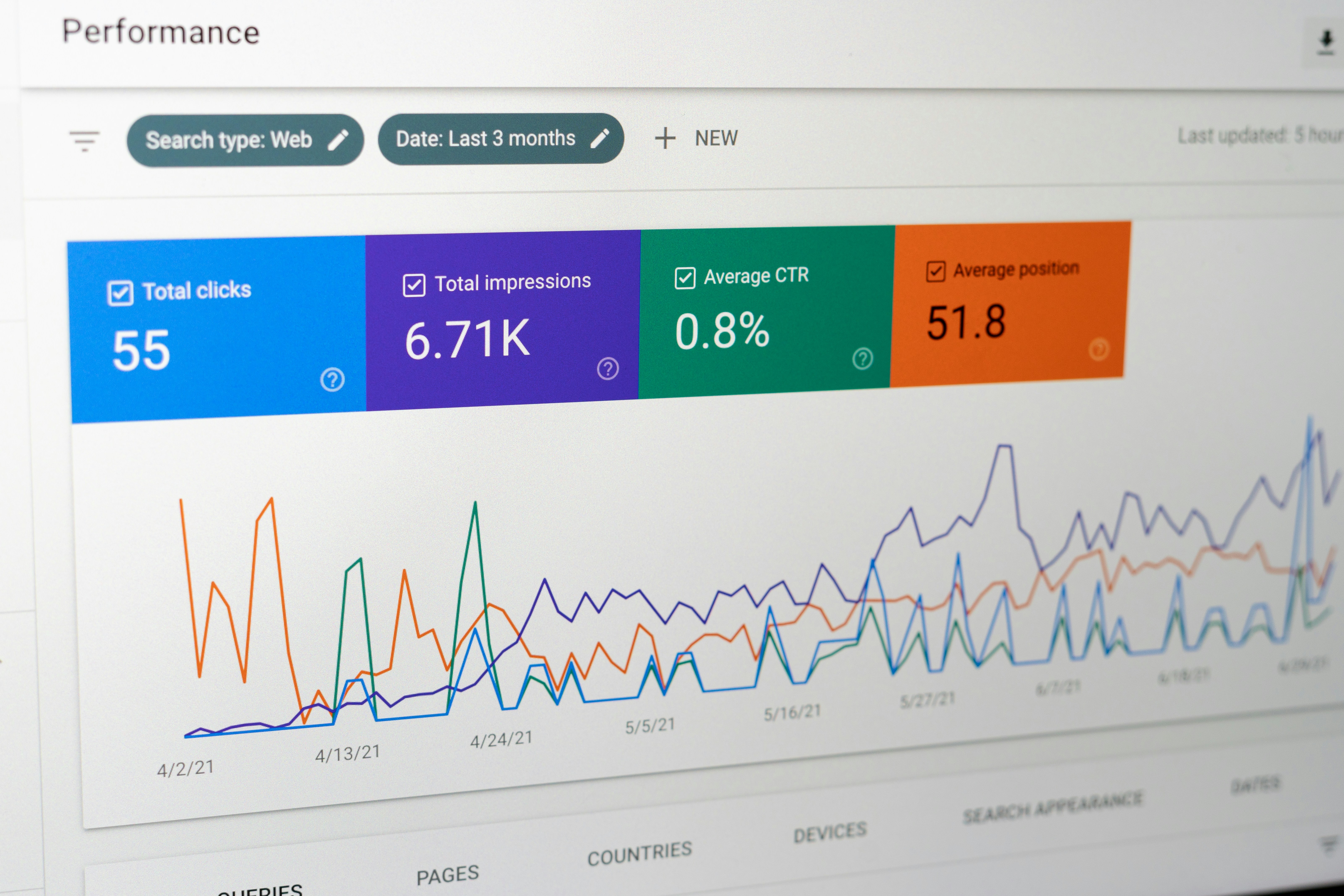
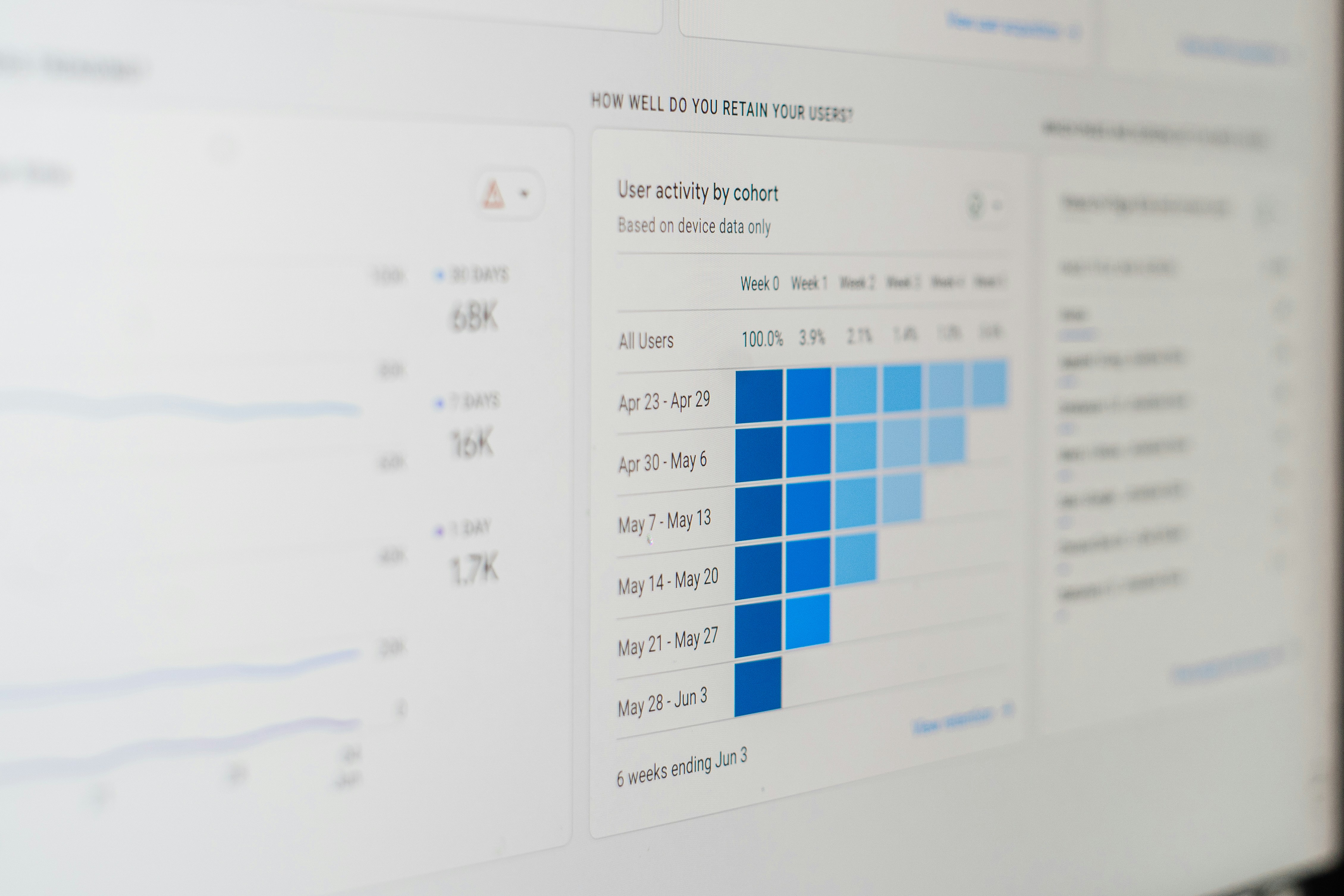
In an increasingly data-driven world, the ability to interpret complex datasets has become essential for businesses and content creators alike. Looker Studio emerges as a powerful data analytics and visualization tool designed specifically to bridge the gap between raw data and actionable insights. This platform facilitates the understanding of intricate datasets, enabling users to gather and analyze information effectively. For YouTube channels, in particular, the significance of analytics cannot be overstated, as it provides critical insights that can shape content strategies and enhance viewer engagement.
Looker Studio allows users to aggregate various data sources to create meaningful visual representations. By transforming metrics into comprehensible reports, content creators can easily identify patterns, trends, and areas for improvement within their channels. With the rise of digital media, grasping viewer behavior has become key to achieving success and adapting strategies accordingly. The insights derived from analytics inform crucial decisions such as content creation, marketing approaches, and audience targeting.
The integration of Looker Studio into the YouTube analytics process presents numerous advantages. First, it empowers content creators to visualize their performance metrics over time, making it easier to spot fluctuations in viewer engagement or subscriber growth. Second, Looker Studio’s capacity to customize dashboards allows users to focus on metrics that truly matter to their specific goals. As a result, creators can develop a more tailored approach to their content strategies, optimizing their offerings to meet the preferences of their audience.
As we delve deeper into the capabilities of Looker Studio, it becomes clear that leveraging this tool can significantly enhance the way YouTube channels operate. By effectively interpreting data, creators are better positioned to deliver content that resonates with viewers, ultimately leading to sustained growth and success in the competitive digital landscape.
The Importance of YouTube Analytics
YouTube analytics serves as a crucial tool for content creators and businesses aiming to enhance their online presence and viewer engagement. In an era where digital marketing is pivotal, understanding the intricacies of audience behavior through analytics can significantly influence content strategy. Key metrics provided by YouTube’s analytical tools include watch time, audience demographics, and engagement rates, each of which offers valuable insights into viewer preferences and content performance.
Watch time not only reflects the total number of minutes viewers spend watching a creator’s videos but also serves as a critical indicator of content quality and audience retention. Creators can assess which videos captivate viewers and which struggle to hold their attention, thereby informing future content decisions. Furthermore, audience demographics provide a detailed profile of the viewer base—age, gender, location, and interests—which allows content creators to tailor their material to meet the needs and expectations of their target audience.
Engagement rates, including likes, comments, shares, and subscribes, are essential in measuring how well content resonates with viewers. These metrics indicate the level of interaction and can help creators identify which topics generate the most discussion and viewer participation. This feedback loop can drive content strategizing, enabling content creators to pivot and adapt their approach based on real-time data.
Ultimately, leveraging YouTube analytics is integral for growth and sustainability in the competitive digital landscape. By continuously monitoring performance, content creators and businesses can refine their strategies, foster deeper connections with their audience, and ultimately, drive channel success. As digital platforms evolve, the importance of comprehensive analytics cannot be overstated—it’s a cornerstone of informed decision-making that paves the way for enhanced engagement and audience loyalty.
Getting Started with Looker Studio for YouTube Data
To effectively leverage Looker Studio for analyzing YouTube data, it is essential to initiate the integration process correctly. First and foremost, ensure that you have a Google account linked to your YouTube channel. This account will provide the necessary permissions to access YouTube Analytics data within Looker Studio.
The initial step involves logging into Looker Studio. Navigate to the Looker Studio homepage and sign in using your Google credentials. Once logged in, create a new report by selecting the “Blank Report” option. This will serve as the workspace for your custom YouTube analytics dashboard. After the report is created, you will need to connect your YouTube data source.
To add your YouTube Analytics data source, click on the “Add Data” button. A new window will appear, prompting you to select a data connector. Here, find and choose the “YouTube Analytics” connector. This step is critical, as it enables Looker Studio to draw data from your YouTube account. Upon selecting this option, you will be required to authenticate your YouTube account. Follow the prompts to complete the authorization process, ensuring that all permissions are granted to allow data access.
After successful authentication, you will be taken to a screen where you can select the specific metrics and dimensions you wish to include in your report. Looker Studio provides various options, enabling you to customize your view according to your analytics needs. Once you’ve made your selections, click on “Connect” to finalize the data source setup. You can then proceed to create visualizations, charts, and tables using the integrated YouTube data.
This foundational setup is crucial for creating insightful reports that can enhance your understanding of YouTube performance metrics. As you explore further, Looker Studio’s capabilities will allow you to analyze trends, track engagement, and identify opportunities for growth on your channel.
Key Metrics to Track in YouTube Analytics
YouTube Analytics provides a wealth of data that is essential for content creators aiming to optimize their performance on the platform. Among the myriad of metrics available, there are several key indicators that stand out for their relevance and impact on content strategy. Understanding these metrics is crucial for leveraging the capabilities of Looker Studio effectively.
First and foremost, views are a fundamental metric that denotes the number of times your video has been watched. This metric serves as a primary indicator of your content’s reach and popularity. However, a high view count alone does not guarantee success, necessitating a deeper analysis of other equally essential metrics.
Next, watch time is an indispensable metric that measures the total minutes users have spent watching your videos. This metric provides insights into not only how well your content retains viewer attention but also how it ranks in YouTube’s algorithm. A higher watch time can lead to improved visibility and, ultimately, more views.
A closely related metric is the average view duration, which indicates the average length of time viewers spend watching your video. This metric is critical for understanding viewer engagement; a longer average view duration often signifies that your content is resonating with your audience, thereby enhancing future content strategies.
Additionally, tracking unique viewers helps creators understand their audience size and distinguish between repeat viewers and new ones. This can inform content creation and marketing efforts, allowing for a more personalized approach to audience engagement.
Finally, monitoring subscriber changes over time reveals trends in audience growth. Analyzing fluctuations can provide insights into which content drives subscriptions or leads to viewer drop-off, allowing for strategic adjustments in future video production.
By focusing on these key metrics in YouTube Analytics, content creators can make informed decisions that enhance their channel’s performance and align with their overall strategic goals.
Creating Custom Reports in Looker Studio
Creating custom reports in Looker Studio using YouTube data can significantly enhance your understanding of your channel’s performance and audience engagement. The first step in this process is to effectively connect Looker Studio to your YouTube Analytics data. This integration allows you to access various metrics such as views, watch time, and audience demographics, laying the groundwork for a comprehensive analytics report.
Once the connection is established, it is paramount to identify the key performance indicators (KPIs) that matter most to your goals. These could range from viewer retention rates to conversion metrics. Choosing the right KPIs enables you to create a focused report that highlights your channel’s effectiveness. After selecting the metrics, consider the types of visualizations that will best convey the intended information. Looker Studio offers various options—including bar charts, line graphs, and pie charts—that can help in illustrating your data clearly and effectively.
In organizing your report, clarity should be the guiding principle. Group similar metrics together and use filtering options to allow viewers to drill down into specific data points such as time periods or video categories. This enables stakeholders to easily navigate and glean insights from the data. Keep your design visually appealing, ensuring the colors, fonts, and sizes are consistent throughout the report for a polished look.
Finally, adding narrative elements to your report can aid in storytelling. Utilize text boxes to explain significant trends or anomalies that arise from the data analysis. This contextualization helps viewers to not only see the data but also understand its implications. In summary, custom reports in Looker Studio are not just about data presentation; they are about transforming raw information into actionable insights tailored to your unique YouTube strategy.
Analyzing Audience Insights
Understanding audience insights is essential for optimizing content strategy on YouTube. By leveraging Looker Studio, content creators can gain valuable analytics on viewer demographics, geographic data, and audience interests. This analysis enables creators to tailor their videos more effectively to specific audience segments, ultimately enhancing engagement levels.
Demographic information such as age, gender, and viewing habits provides a foundation for understanding who is consuming your content. Looker Studio aggregates data from YouTube Analytics, allowing creators to visualize and analyze this demographic information in a coherent manner. For example, if the analytics reveal that a significant portion of your audience is between 18 to 24 years old, you can curate content topics, styles, and tones that resonate with this age group, thereby fostering deeper connections and increasing viewer retention.
Geographic data is another critical aspect of audience analysis. Identifying where your viewers are located enables you to adapt your content to reflect regional cultures and trends. Looker Studio allows users to map out audiences based on location, revealing which countries or cities generate the most views. This knowledge not only helps in scheduling content release at optimal times for different regions but also influences language use, references, and content themes, making it more relatable to specific groups.
Additionally, audience interests can significantly impact content development. Looker Studio’s analytical tools help in understanding what other topics or channels your viewers engage with. By analyzing this related content, creators can discover trends that may inform future videos, making sure the content aligns with audience preferences. Engaging with these insights strives to create a dedicated viewer base that feels a connection with the content being offered.
In conclusion, utilizing Looker Studio for analyzing audience insights is pivotal for any YouTube creator looking to enhance their engagement strategy. With a comprehensive understanding of viewer demographics, geographic locations, and audience interests, creators can significantly tailor their content, fostering a more effective relationship with their audience.
Identifying Trends and Opportunities
Identifying trends and opportunities in your YouTube data is essential for optimizing content strategy and engaging effectively with your audience. Utilizing Looker Studio can significantly enhance this analysis, enabling creators to spot emerging content trends, understand seasonal patterns, and recognize areas ripe for growth. With the right approach, you can leverage these insights to tailor your content calendar and refine your marketing efforts to maximize performance.
Firstly, look for patterns within your video performance metrics in Looker Studio. Analyze data such as views, watch time, and audience retention rates over various periods. This can help reveal which types of content are resonating with your audience. For instance, if you notice a spike in views for DIY videos during the holiday season, this may indicate a strong opportunity to create similar content leading up to that time. Seasonal trends, when properly identified, can provide a significant boost to your engagement metrics and subscriber growth.
Another essential aspect of trend identification is monitoring the performance of specific keywords and topics. Looker Studio allows users to track keywords that are generating traffic to their videos. By correlating this data with search trends and audience interest, creators can identify gaps in their content offerings. This could lead to new video ideas that cater to what viewers are actively seeking, thus positioning yourself at the forefront of engagement.
Additionally, audience demographics and behavior metrics should be analyzed as well. Looker Studio provides insights into who your audience is and how they interact with your content. By understanding your audience’s preferences and habits, you can tailor your content strategy to better meet their needs and expectations. As such, the data from Looker Studio not only helps in recognizing trends but also in strategically planning content that enhances viewer satisfaction and loyalty.
Collaborating with Your Team Using Looker Studio
Looker Studio offers robust collaborative features that empower teams to work together seamlessly when analyzing YouTube data. One of its primary strengths lies in the ability to share reports and insights easily. Team members can create, edit, and comment on reports in real-time, fostering an environment conducive to open communication and comprehensive data analysis. This real-time collaboration allows all stakeholders to remain aligned on objectives and insights derived from the data, enhancing overall productivity.
To make the most out of Looker Studio in a team setting, establishing clear guidelines around report creation and sharing can be beneficial. Teams should designate specific individuals or groups responsible for report generation, ensuring consistency in presentation and interpretation. Furthermore, utilizing Looker Studio’s commenting feature can serve to capture immediate feedback and questions directly linked to specific data points, which is more effective than traditional email threads. This structured approach mitigates miscommunication and clarifies interpretations of analytics, leading to more informed decision-making processes.
Effective collaboration in Looker Studio also hinges on establishing a shared understanding of key performance indicators (KPIs) relevant to the team’s objectives. By agreeing upon the metrics that matter most, teams can focus their discussions on insights that directly impact their strategies. Creating a culture of open dialogue around data fosters a collaborative decision-making process, encouraging team members to share diverse perspectives, which can lead to innovative solutions and enhanced performance based on the insights derived from YouTube analytics.
In conclusion, leveraging Looker Studio’s collaborative features promotes enhanced teamwork through efficient sharing of reports, strategic discussions around KPIs, and real-time feedback. By adopting best practices for collaboration within Looker Studio, teams can vastly improve their data interpretation and decision-making capabilities.
Best Practices for Effective YouTube Analytics Reporting
When utilizing Looker Studio for YouTube analytics reporting, adhering to best practices is essential to maximize the insights gained from the data. One of the fundamental practices is ensuring data accuracy. This involves regularly verifying the data pulled into Looker Studio from YouTube Analytics, which can include checking for consistent metrics such as views, watch time, and engagement rates. Ensuring that the data pipeline is robust and that the data is sourced correctly allows organizations to make decisions based on reliable information.
Another important aspect is the regular updating of reports. YouTube analytics can provide an evolving picture of channel performance, thus frequent updates are imperative. Reports should be refreshed at least weekly or bi-weekly to capture trends and shifts in audience behavior. Utilizing automated data refresh options within Looker Studio can streamline this process. By maintaining current and relevant data, stakeholders are better equipped to react promptly to emerging patterns in viewer engagement or content performance.
Additionally, tailoring presentations to different stakeholders is crucial for effective reporting. Different stakeholders, such as marketing teams, content creators, and upper management, may require various insights from YouTube analytics. Creating customized dashboards for each group can ensure that each stakeholder receives pertinent information that is aligned with their specific objectives. Highlighting key performance indicators relevant to their roles can enhance clarity and drive informed discussions.
By adopting these best practices—including maintaining data accuracy, regularly updating reports, and customizing presentations—organizations can leverage Looker Studio to derive valuable insights from YouTube analytics. This approach not only facilitates better decision-making but also promotes a culture of data-driven strategies across various functions.