Introduction to YouTube Analytics
YouTube Analytics is an essential tool for content creators and businesses utilizing the platform to track their performance and audience engagement. By providing a wealth of data, it empowers users to make informed decisions that can significantly enhance their channels. Understanding how to navigate and interpret these analytics can mean the difference between a stagnant channel and one that thrives in a competitive digital landscape.
The importance of YouTube Analytics lies in its capacity to offer insights into viewer behavior, demographics, and engagement metrics. With this information at their fingertips, creators can tailor their content to meet the preferences of their audience more effectively. For instance, by analyzing audience retention rates, content creators can identify which segments of their videos engage viewers the most, thereby allowing them to replicate successful elements in future uploads. Additionally, YouTube Analytics enables users to track the performance of individual videos and overall channel metrics, which is vital for assessing growth and areas requiring improvement.
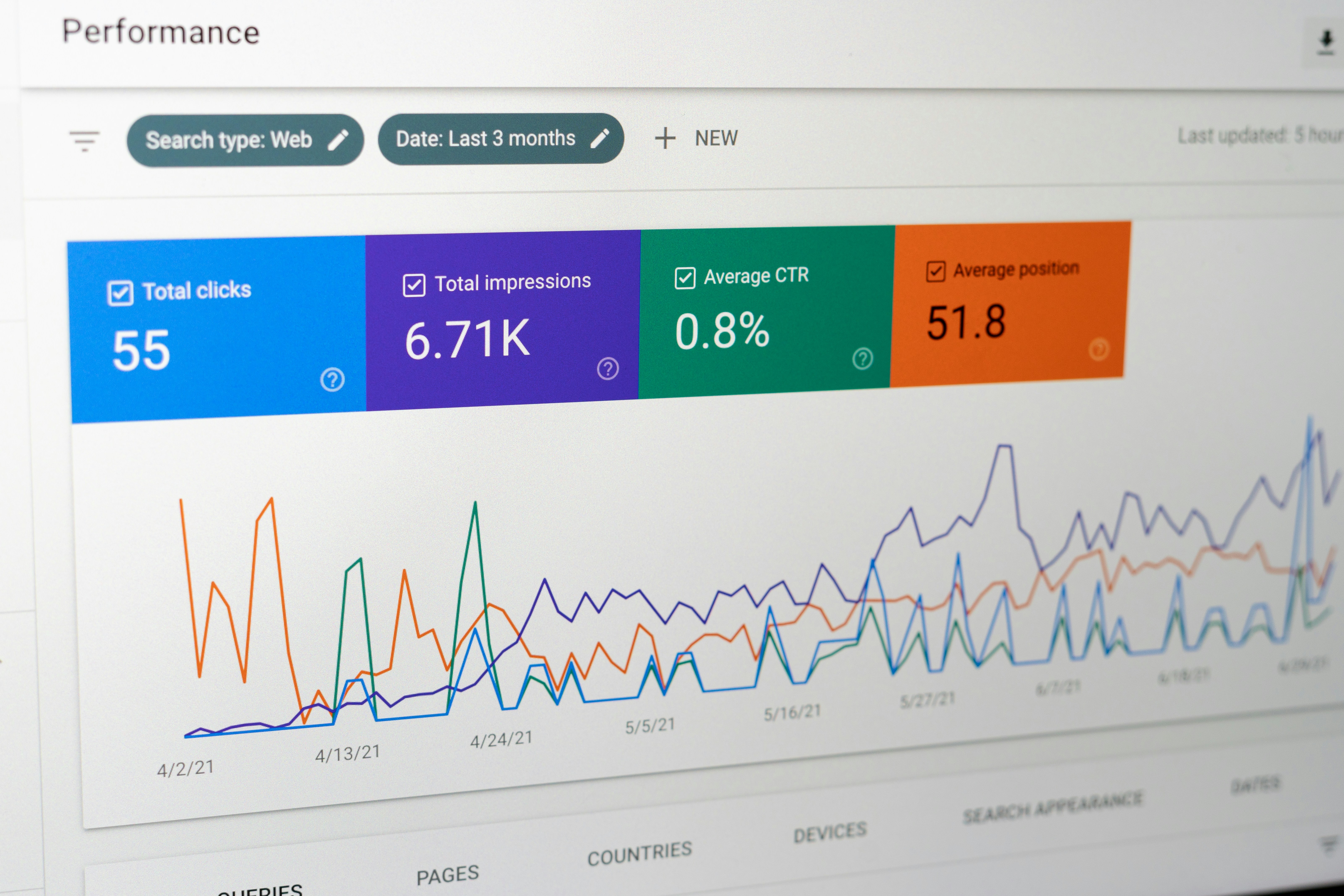
Moreover, data-driven decision-making is crucial for optimizing content strategies. Businesses leveraging YouTube for marketing can utilize analytics to gauge the effectiveness of their campaigns, refine their promotional messages, and enhance their return on investment. By closely monitoring performance metrics such as watch time, click-through rates (CTR), and traffic sources, creators can implement strategies that resonate with their intended audience. These insights facilitate the continual refinement of content, ensuring that it aligns with viewer interests and preferences, ultimately fostering channel growth.
In conclusion, YouTube Analytics is not just a tool for monitoring performance; it represents an avenue for strategic enhancement based on data insights. By comprehensively understanding and utilizing these analytics, creators and businesses can significantly improve their content strategy and audience engagement on the platform.
Accessing YouTube Analytics
YouTube Analytics provides users with valuable insights into their channel’s performance and audience engagement. To access these analytics, begin by logging into your YouTube account. Once logged in, navigate to the YouTube Studio by clicking on your profile picture located in the top right corner of the screen. From the dropdown menu, select ‘YouTube Studio’. This interface serves as the central hub for managing your content and directly accessing analytics.
Upon entering YouTube Studio, you will find several tabs on the left sidebar. Click on the ‘Analytics’ tab to open the analytics dashboard. This section is subdivided into several categories that present different types of data concerning your videos and overall channel performance. The overview section will provide a broad view of your channel’s key metrics, including views, watch time, subscribers gained, and estimated revenue. Each metric is critical for assessing the effectiveness of your content strategy.
Delving deeper into the analytics, you can explore the ‘Reach’ section, which highlights how your videos are discovered by viewers. This includes traffic sources, impressions, and click-through rates. Understanding where your views originate can help tailor your marketing efforts more effectively. On the other hand, the ‘Engagement’ section offers key insights into how viewers are interacting with your content, including watch time and average view duration. Finally, the ‘Audience’ tab provides demographic information, helping you understand who your viewers are, which can guide your content creation and audience targeting strategies.
By consistently monitoring and analyzing these metrics, you will be better equipped to enhance your channel’s performance and engage your audience effectively.
Key Metrics in YouTube Analytics
YouTube Analytics offers a robust set of metrics that are crucial for creators and marketers aiming to understand viewer behavior and improve channel performance. Among these metrics, views stand out as one of the most fundamental indicators. This metric represents the total number of times videos have been viewed, providing a baseline measurement of content popularity. However, views alone do not tell the whole story; they must be analyzed in conjunction with other metrics to gain meaningful insights.
Watch time is another essential metric, reflecting the total minutes spent watching videos on a channel. This figure is significant as it influences YouTube’s algorithm, which favors content that keeps viewers engaged. High watch time often correlates with effective content that resonates with the audience, potentially leading to higher rankings in search results and recommendations.
Traffic sources provide insight into where viewers are finding a creator’s videos. This metric categorizes traffic into sources such as search results, suggested videos, external websites, and social media platforms. Understanding these sources allows channel owners to tailor their marketing strategies effectively, ensuring their content reaches the right audience.
Lastly, audience demographics offer a wealth of information about who is watching the videos. By analyzing age, gender, geographic location, and other demographic factors, creators can adapt their content to better meet the interests and preferences of their audience. This focus on knowing one’s viewers is essential for fostering engagement and loyalty over time.
In summary, tracking and understanding these key metrics within YouTube Analytics empowers creators to make informed decisions that enhance viewer experience and optimize overall channel success.
Understanding Audience Retention
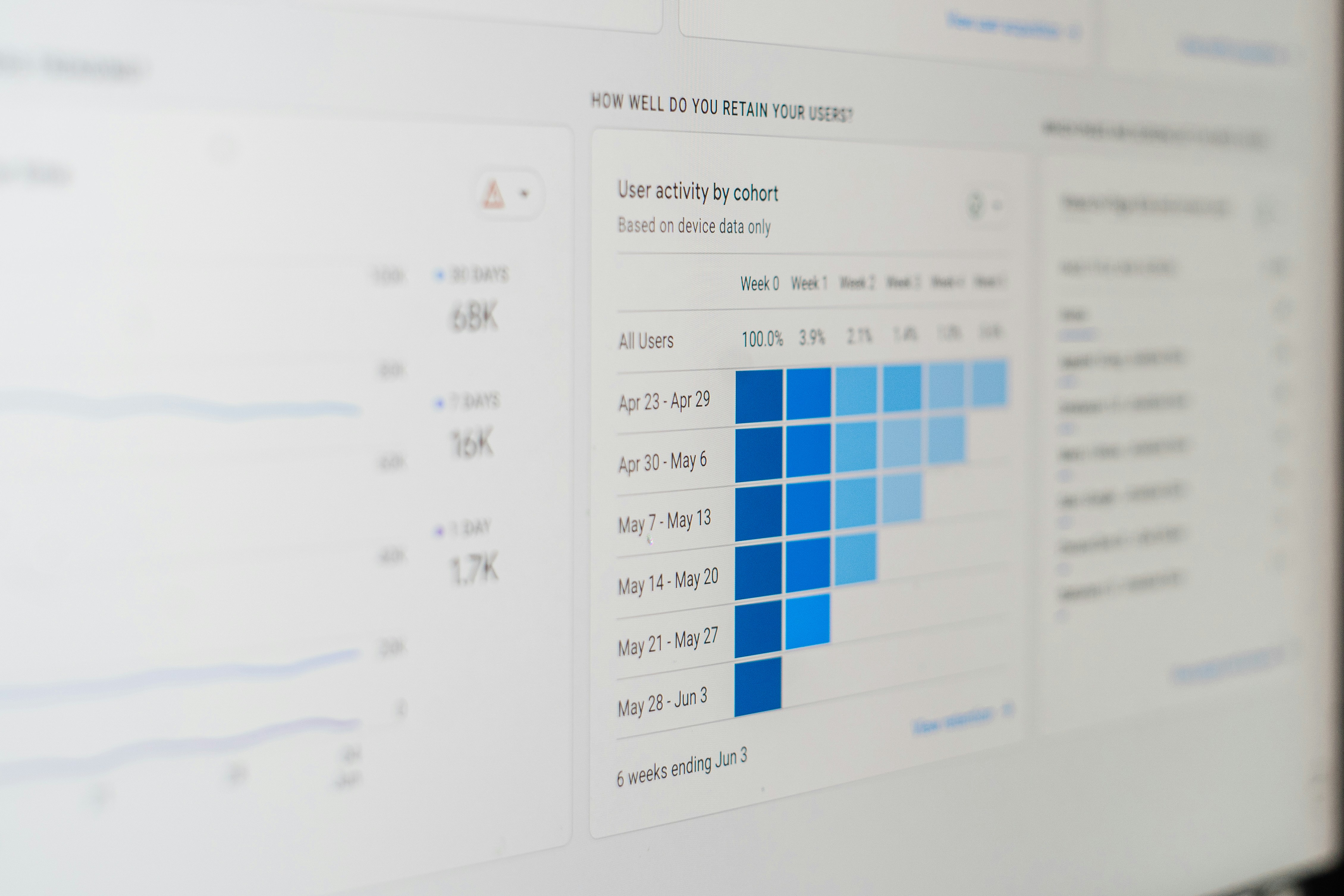
Audience retention is a pivotal metric within YouTube Analytics that evaluates the percentage of viewers who continue watching a video from start to finish. This metric ultimately reflects the effectiveness of content in maintaining viewer interest and engagement. High audience retention rates indicate that viewers find the content valuable and entertaining, whereas low rates may suggest that adjustments are necessary to improve the experience.
To interpret retention graphs, one must familiarize themselves with the layout and key insights these graphs offer. YouTube provides a chart that visually represents viewership patterns over time, showing how many viewers drop off at specific intervals. It’s essential to analyze these drop-off points, as they highlight crucial moments within the video that may not resonate with the audience. By examining these trends, creators can identify which segments retain attention and which portions need refinement, thus honing their content strategy.
Understanding audience retention is vital for several reasons. Firstly, it helps creators enhance their content structure, focusing on moments that captivate viewers while minimizing segments that lead to disinterest. Secondly, YouTube’s algorithm favors videos with higher retention rates, thus improving visibility and reach in search results and recommendations. Consequently, optimizing for audience retention not only elevates viewer experience but also boosts the overall performance of the channel.
To enhance audience retention, creators can implement various strategies. Opening with a compelling hook can secure initial viewer engagement. Additionally, ensuring concise delivery of key information and incorporating engaging visuals can maintain interest throughout the video. Utilizing storytelling techniques and interactive elements can further captivate the audience. Ultimately, prioritizing audience retention leads to more engaged viewers and heightened satisfaction with the content provided.
Exploring Traffic Sources
YouTube Analytics provides valuable insights into how viewers discover videos through various traffic sources. Understanding these sources is crucial for content creators, as it informs promotional strategies and helps tailor content to reach a broader audience. The primary types of traffic sources on YouTube include external sources, suggested videos, and YouTube search, each playing a significant role in a video’s visibility and performance.
External traffic sources refer to views that originate from platforms outside of YouTube, such as social media networks, websites, and email campaigns. This type of traffic is particularly important for creators who promote their videos through different channels, as it can significantly expand their audience reach. By analyzing external traffic sources, creators can determine which platforms are most effective for driving views and engagement, allowing for enhanced marketing efforts.
Suggested videos, a critical traffic source on YouTube, arise from YouTube’s algorithm recommending videos to users based on their viewing history and preferences. This category is essential for creators aiming to gain visibility on the platform, as appearing in suggested video lists can lead to increased views and subscriber growth. By understanding the factors that influence these recommendations, such as audience retention and engagement metrics, creators can optimize their videos to align with the algorithm’s preferences.
YouTube search is another fundamental traffic source, representing viewers who find videos through keywords and phrases they input into the search bar. Analyzing how viewers find videos via search can help creators refine their video titles, descriptions, and tags. By using relevant keywords and engaging descriptions, creators can boost their search rankings and enhance discoverability.
In understanding these traffic sources, creators can implement targeted strategies to leverage their strengths, ultimately leading to greater visibility and success on the platform.
Demographics and Audience Insights
Understanding the demographics and psychographics of your audience is essential for creating relevant content on YouTube. Demographic data provides fundamental insights into the age, gender, and geographic location of viewers. For instance, creators can determine whether their content appeals more to younger audiences or older viewers, which can significantly influence the type of material produced. Age brackets can range from teenagers to older adults, each group having distinct preferences and behaviors on the platform.
Gender demographics also play a crucial role in audience insights. Knowing whether a video attracts more male or female viewers can guide content creators in presenting their material in a way that resonates more with the predominant gender. Additionally, understanding the location of your audience allows for targeted messages and region-specific content that cater to the cultural nuances of different areas, potentially enhancing viewer engagement.
Beyond mere statistics, psychographic information such as interests, hobbies, and lifestyle choices gives a deeper understanding of audience motivations. Knowing what your viewers enjoy when they are not watching your content can help in crafting videos that align with their personal interests, making them more appealing. For example, if data indicates that a significant portion of the viewership is interested in fitness, a YouTube channel might consider incorporating fitness topics into their programming.
By analyzing these demographic and psychographic elements, creators can tailor their content strategies, ensuring they engage effectively with their target audience. It promotes not only higher viewership but also encourages a loyal subscriber base, ultimately leading to sustainable channel growth. In conclusion, a detailed comprehension of audience demographics and psychographics is integral to optimizing content for YouTube. It shapes the direction of content creation, making it more targeted and relevant.
Creating Benchmarks and Goals
Setting benchmarks and measurable goals is essential for any creator looking to enhance their YouTube channel’s performance. Utilizing YouTube Analytics provides valuable insights that can significantly inform these objectives. By analyzing historical data, creators can establish a clear understanding of their current standing and identify areas for improvement. This foundational analysis allows for the development of realistic and attainable goals aimed at driving growth, engagement, and monetization.
Begin by assessing key performance indicators (KPIs) available within YouTube Analytics, such as watch time, viewer retention, and click-through rates. By examining your channel’s past performance against these metrics, you can identify trends and set benchmarks that are both achievable and aspirational. For example, if your average watch time is currently five minutes, a goal to increase it to seven minutes over the next quarter could be a reasonable benchmark, provided it aligns with your content strategy.
Furthermore, consider the industry standards relevant to your niche. Researching competitive channels can provide context for your performance metrics. By setting goals that reflect industry norms, you also ensure that your ambitions are grounded in reality. Beyond quantitative metrics, qualitative goals, such as improving audience engagement through comments and likes, should also be included in your objective-setting process. Aiming for a specific percentage increase in engagement over a defined period can be an effective method to motivate consistent content interaction.
In conclusion, setting benchmarks and measurable goals using insights from YouTube Analytics is a strategic approach to fostering growth and development on your channel. By taking a data-driven approach, creators can better position themselves to enhance performance and achieve sustainable success on the platform.
Utilizing YouTube Analytics for Content Strategy
YouTube Analytics serves as a powerful tool that video creators can leverage to shape their content strategy effectively. By closely examining the various metrics provided, creators can gain valuable insights into audience behavior, preferences, and engagement levels. One of the primary aspects to consider is the optimization of video titles and thumbnails. Engaging titles should not only be descriptive but also enticing, prompting viewers to click. A/B testing different titles while observing click-through rates can reveal which wording resonates most with your audience.
Thumbnails are equally crucial; they serve as the first impression of your video. By analyzing impressions versus clicks in YouTube Analytics, you can determine the effectiveness of your thumbnails. If certain designs or images lead to higher engagement, incorporating similar styles into your future videos can help maintain and grow your viewership. Similarly, the video description should be crafted thoughtfully to include relevant keywords and phrases that enhance findability while providing clear information about the video’s content.
Furthermore, creators can utilize audience retention metrics to evaluate which parts of the videos capture attention and where viewers tend to drop off. This information can guide adjustments in content frequency and style. For example, if data indicates that shorter videos perform better, consider producing more concise content that delivers value quickly. Additionally, understanding peak viewing times through audience demographics can inform when to release new content, maximizing the likelihood of initial engagement.
In essence, YouTube Analytics can directly influence your content strategy by providing clear metrics that enable data-driven decisions. By strategically optimizing titles, thumbnails, descriptions, and adjusting your content approach based on insights, you can enhance the performance of your videos and establish a more impactful connection with your audience.
Conclusion and Next Steps
In conclusion, understanding YouTube Analytics is fundamental for creators aiming to enhance their channel performance and reach larger audiences. The platform provides a wealth of data and insights that enable users to monitor key metrics such as watch time, audience retention, and engagement rates. By regularly analyzing these metrics, content creators can uncover trends, identify what resonates with their audience, and tweak their strategies accordingly.
Planning for the future involves not only using the analytics provided by YouTube but also integrating additional learning resources. Books, online courses, and webinars dedicated to digital marketing and video content creation can deepen your understanding of effective strategies and metrics. Engaging with communities of fellow content creators can also yield valuable insights and foster collaboration, providing further opportunities for growth.
Moreover, leveraging third-party analytics tools can enhance the capabilities provided by YouTube. Tools such as TubeBuddy or VidIQ can offer more detailed insights into video performance, keyword research, and SEO optimization, helping creators refine their approach and potentially increasing visibility on the platform. It is important to complement the built-in analytics with external data to gain a broader perspective on channel performance.
As you move forward, commit to a routine of reviewing your metrics and adapting your content strategies. The digital landscape is dynamic, and staying informed about shifts in viewer interests and behaviors can set your channel apart from the competition. By consistently analyzing your data and seeking continuous improvement, you will be better equipped to navigate the complexities of YouTube and achieve your content goals.