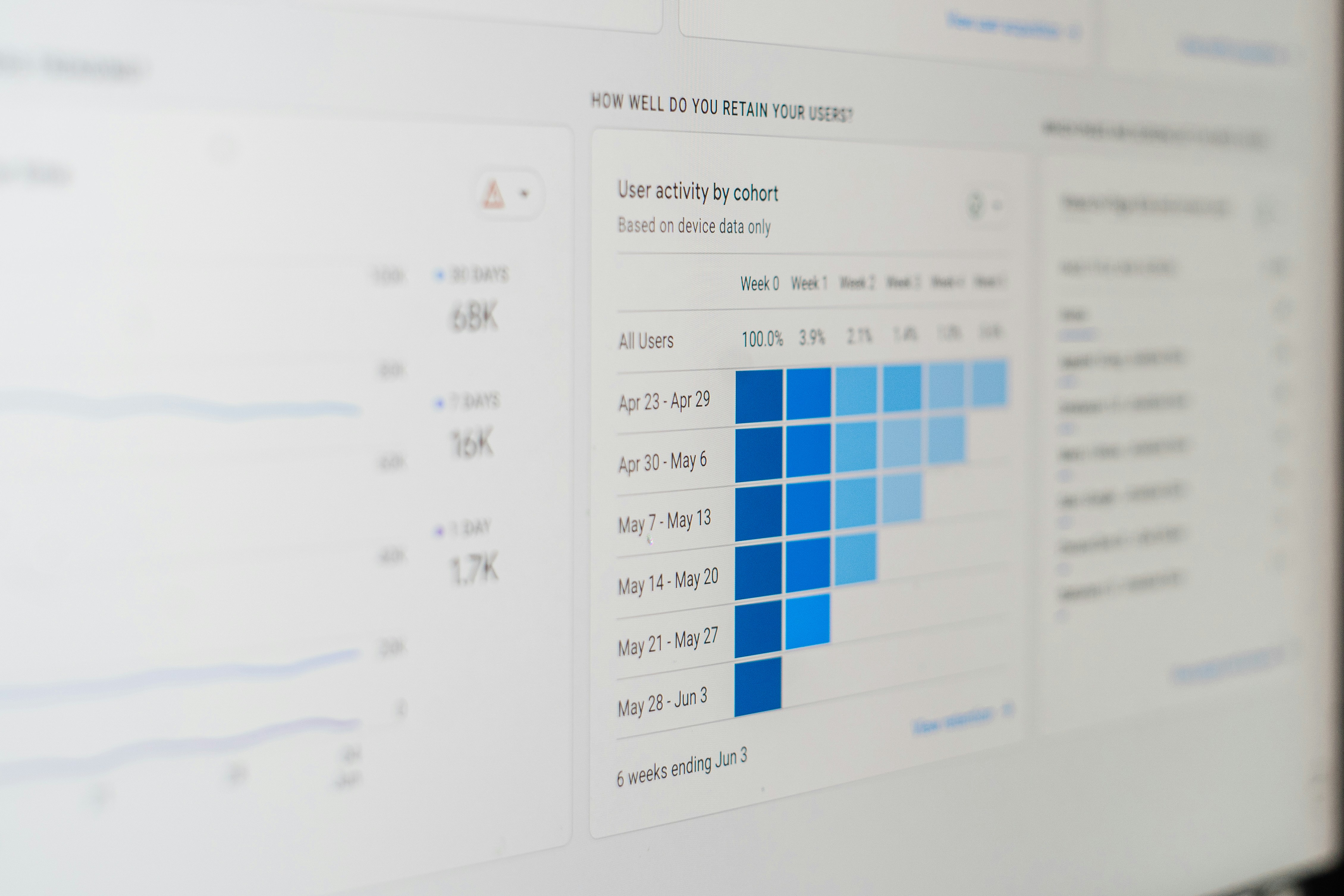
Introduction to YouTube Analytics
YouTube Analytics is a powerful tool that allows content creators to gain insights into their video performance and audience engagement. By providing detailed metrics and performance indicators, YouTube Analytics empowers creators to make informed, data-driven decisions, thus enhancing their overall channel strategy. Understanding these analytics is essential for successful content creation on the platform, as it enables creators to track their progress, understand viewer behavior, and optimize their content accordingly.
The platform offers a variety of performance metrics, including views, watch time, subscriber growth, and engagement rates. Each of these metrics provides valuable information about how videos are being received by the audience. For instance, high watch time indicates that viewers find the content engaging, while a lower engagement rate may suggest the need for improvement in content quality or relevance. By regularly monitoring these analytics, creators can identify trends and patterns that inform their future content strategies.
Moreover, YouTube Analytics facilitates the understanding of audience demographics and preferences. This information is critical for creating tailored content that resonates with specific viewer segments. Knowing who your audience is, based on age, gender, geographic location, and viewing habits, enables a creator to craft videos that appeal directly to these viewers, ultimately leading to increased engagement and subscriber growth.
In an ever-evolving digital landscape, the need for accountability and adaptability is paramount. Integrating insights from YouTube Analytics into content creation plans not only improves video performance but also fosters a deeper connection with the audience. Hence, it is quintessential for all creators wanting to thrive on YouTube to familiarize themselves with this invaluable resource, understanding that data-driven decision-making can significantly enhance their channel’s success.
Accessing YouTube Analytics
Accessing YouTube Analytics is a straightforward process that allows creators to gain valuable insights into their channel’s performance. To start, ensure that you have a YouTube account linked to your channel. The first step is to log in to your account and navigate to the YouTube homepage. From there, locate your profile picture in the top right corner. By clicking on your profile picture, a dropdown menu will appear; here, you will find the option labeled “YouTube Studio.” Click on this option to enter the YouTube Studio interface.
Once in YouTube Studio, you will find the navigation menu on the left side of the screen. In this menu, you will see various options including “Dashboard,” “Videos,” and “Playlist.” To access the analytics data, click on the “Analytics” option, which is typically positioned below the “Videos” tab. This action will lead you to the analytics dashboard, where an array of performance metrics awaits your review.
The analytics dashboard is divided into several key sections, including Overview, Reach, Engagement, and Audience. These sections provide comprehensive data on views, watch time, traffic sources, and subscriber metrics, allowing creators to understand viewer behavior better. The visual representations of data, such as graphs and charts, make it easier to interpret trends and patterns over time. For instance, viewing the reach metrics can show which videos are attracting new viewers, while engagement data will reveal how viewers are interacting with the content.
Additionally, YouTube Analytics also offers filtering options, enabling users to customize the data they wish to view according to specific time periods or metrics. By familiarizing yourself with these features, you can effectively harness the power of YouTube Analytics to optimize your channel’s content strategy and enhance viewer engagement.
Key Metrics in YouTube Analytics
YouTube Analytics provides creators with detailed insights into their channel’s performance, allowing for informed decisions aimed at content optimization and audience engagement. Among the plethora of metrics available, some stand out as particularly crucial for evaluating a channel’s effectiveness.
Views are perhaps the most fundamental metric for any YouTube channel, reflecting the number of times a video has been watched. This figure not only indicates popularity but also serves as a benchmark for growth. A higher view count generally suggests that the video resonates well with the audience, therefore attracting more viewers over time.
Watch time, another essential metric, refers to the total number of minutes viewers spend watching content on a channel. YouTube prioritizes this metric when determining a video’s ranking in search results and recommendations. A longer watch time indicates that viewers find the content engaging, which can lead to increased visibility and, consequently, more views.
Subscriber count is a vital metric that signifies the channel’s growth trajectory and overall engagement. An increase in subscribers often correlates with the quality of content and the ability to connect with the audience. Moreover, subscribers are likely to receive notifications about new uploads, thus contributing to sustained viewer engagement and further enhancing watch time.
Engagement rates, which include likes, comments, and shares, are also critical in assessing how well content is received. High engagement not only fosters a sense of community but also boosts a video’s likelihood of being promoted by YouTube’s algorithm. Each of these metrics plays a role in painting a comprehensive picture of channel performance, enabling creators to refine their strategies accordingly.
Understanding Audience Retention
Audience retention is a crucial metric in YouTube analytics, reflecting the percentage of a video that viewers watch before navigating away. This measurement serves as an indicator of viewer engagement, illustrating how well a content creator can maintain the audience’s interest from start to finish. A higher retention rate suggests that viewers find the content compelling, while a lower rate may indicate that the content fails to resonate with its intended audience. Analyzing audience retention could provide valuable insights into which parts of the video captivate viewers most and which portions lead to disengagement.
Effective ways to enhance audience retention involve several techniques aimed at keeping viewers engaged throughout the video. One approach is to create an engaging hook within the first few seconds. This can be achieved by presenting a captivating story, intriguing question, or eye-catching visuals that immediately attract viewers’ attention. Additionally, employing storytelling techniques can maintain viewer interest, making your content relatable and relevant. For instance, weaving in anecdotes or real-life examples can create a connection between the viewer and the content, encouraging them to continue watching.
Another essential technique to boost audience retention is pacing. Keeping a dynamic pace by varying the delivery of information can prevent monotony. Incorporating visual aids such as images, graphics, or charts can keep the video visually stimulating, catering to different viewer preferences, and making complex topics more digestible. Moreover, it can help to address viewer feedback, which may uncover specific areas of interest or concern among your audience, allowing content creators to adjust their videos accordingly.
By applying these strategies, content creators can significantly improve their audience retention rates, thereby enriching the overall viewer experience and fostering a dedicated community. Understanding how to analyze and enhance audience retention is vital for any content creator aiming to succeed on YouTube.
Analyzing Traffic Sources
In the realm of YouTube analytics, understanding traffic sources is essential for content creators aiming to enhance their visibility and viewership. Various channels drive traffic to videos, each providing unique insights into audience behavior and preferences. By analyzing these traffic sources, users can determine where their viewers are coming from and adjust their content strategies accordingly.
YouTube provides several categories of traffic sources, the most notable being YouTube Search, Suggested Videos, and External Sources. YouTube Search refers to traffic generated when users search for specific keywords or content on the platform. By optimizing video titles, descriptions, and tags with relevant keywords, creators can improve their rankings in search results, driving more organic traffic. Analyzing the performance of these search terms helps users refine their SEO strategies and tailor their content to meet audience demands.
Another significant category is Suggested Videos, which includes traffic coming from links and recommendations that appear alongside videos viewers are currently watching. Understanding which videos are leading to suggestions can provide insight into effective content themes and styles. This source emphasizes the importance of engaging thumbnails and enticing metadata that encourage viewers to click on videos while browsing.
External Sources encompass traffic driven from platforms outside of YouTube, such as social media channels, blogs, or websites. Analyzing the performance of these external referrals can help content creators identify which promotional strategies are most effective. For instance, sharing content on social media can significantly increase reach, especially if it resonates with the audience effectively.
By closely monitoring these diverse traffic sources through YouTube Analytics, creators can make informed decisions that directly impact their content strategy, ultimately enhancing audience engagement and driving channel growth.
Demographics and Audience Insights
YouTube Analytics provides a wealth of information about the demographics of your viewers, enabling creators to gain valuable audience insights. Understanding viewer age, gender, and geographical location is integral to crafting content that resonates with your target audience. This section delves into how to interpret these demographic data points and leverage them effectively.
The age and gender statistics reveal who is watching your videos, which can significantly influence your content creation strategy. For instance, if data shows a substantial percentage of viewers are within the 18-24 age range, creators may want to focus on themes and trends that appeal to a younger audience. Conversely, if your analytics indicate a majority of viewers are older, perhaps content should be adapted to address their interests and expectations. Gender insights help in understanding which demographic engages more, guiding content tone and style accordingly.
Geographical location data is also pivotal. Identifying where viewers are situated can influence not only content but also the language, cultural references, and examples utilized in videos. If a significant proportion of views come from a specific country, integrating local trends or cultural elements can enhance viewer connection. Moreover, localization strategies can augment engagement rates as viewers feel more understood and represented.
By dissecting these demographic insights, creators can shape their content roadmap to attract and retain their audience. Tailoring videos to match the age, gender, and location of viewers not only optimizes viewer satisfaction but also fosters community building. Consequently, leveraging YouTube Analytics in this way is essential for strategic growth and enhanced viewer loyalty.
Comparing Video Performance
Analyzing individual video performance is a crucial component of leveraging YouTube Analytics effectively. Creators can utilize various metrics to compare how their videos are performing against one another. Initially, it is important to establish benchmarks which can serve as a frame of reference for evaluating success. These benchmarks can include metrics such as view count, watch time, engagement rate, and audience retention.
When examining performance, creators should pay close attention to spikes or drops in viewership. These fluctuations can provide insights into what resonated with audiences or what may have caused a decline in interest. For example, if a particular video suddenly garners a significant number of views, it may be worthwhile to investigate the contributing factors. Consider whether the video’s title, thumbnail, or the timing of its release may have played a role in attracting more viewers. Similarly, a drop in views might indicate issues that need addressing—such as subpar content quality or an ineffective promotion strategy.
It is equally important to evaluate video performance in relation to the channel’s historical data. This comparison not only highlights which videos have performed exceptionally well but also sheds light on consistent trends in content reception. Perhaps certain themes or formats yield better results; this knowledge is invaluable for refining future content strategies. Another useful tool is the “Top Traffic Sources” report, which details where viewers are finding the videos. Understanding these sources can assist creators in allocating resources effectively to improve visibility and performance over time.
By systematically comparing video performance within these parameters, creators can make informed decisions that enhance content offerings and engage their audience more effectively.
Utilizing Looker Studio for Enhanced Reporting
Looker Studio, formerly known as Google Data Studio, is a powerful tool that allows users to create dynamic and interactive reports and dashboards. When integrated with YouTube Analytics, Looker Studio enhances the ability to analyze data through advanced visualization techniques. This integration offers YouTube content creators and marketers an opportunity to transform raw data into compelling visuals, making it easier to interpret trends and viewer behaviors.
One of the primary benefits of utilizing Looker Studio is its capacity for improved data visualization. Users can create customized charts, graphs, and tables that best represent their YouTube data. This level of customization allows for the highlighting of specific metrics, such as viewer retention, engagement rates, and demographic insights, helping users to understand their audience more effectively. The visual representation of data can often reveal patterns and insights that traditional spreadsheets may obscure.
Another significant advantage is the ability to generate customizable reports. Looker Studio enables users to tailor their reports to focus on key performance indicators relevant to their specific goals. For example, a creator focused on growth might emphasize subscriber trends and video performance, while a brand might prioritize engagement metrics for sponsored content. These tailored reports can be easily shared with team members or stakeholders, promoting data-driven conversations and decision-making.
Additionally, Looker Studio supports real-time data updates, ensuring that the insights drawn from YouTube Analytics are based on the most current information available. This feature is crucial for content creators who need to stay on top of their metrics and adjust their strategies promptly. By utilizing Looker Studio alongside YouTube Analytics, users can enhance their reporting capabilities significantly, facilitating a deeper understanding of their channel performance and viewer engagement.
Best Practices for Using YouTube Analytics
In the competitive landscape of content creation, leveraging YouTube Analytics effectively is essential for optimizing video performance and engaging with audiences. To maximize the potential of YouTube Analytics, creators should begin by regularly reviewing the dashboard to familiarize themselves with key metrics such as views, watch time, subscriber growth, and audience demographics. These metrics provide valuable insights into viewer behavior, allowing content creators to gauge which videos resonate the most with their audience.
Another best practice is to segment data according to different time frames. Analyzing performance over varying periods, such as daily, weekly, and monthly, can help identify trends and seasonal fluctuations. Understanding these patterns allows creators to tailor content to align with audience preferences, ensuring that future uploads are more likely to succeed. Additionally, utilizing the ‘Traffic Sources’ report is crucial; it reveals where viewers are discovering videos, informing promotion strategies and allowing creators to focus their marketing efforts on the most effective channels.
It is also advisable to pay attention to audience retention metrics. By examining where viewers drop off during a video, creators can make data-driven decisions to adjust pacing, content structure, or thumbnail design, all of which contribute to improved viewer engagement. Furthermore, creators should not overlook the importance of A/B testing. Testing various video formats, titles, and thumbnails can yield insights into the most effective combinations that drive viewer interaction. Regularly adapting strategies based on analytical insights fosters growth and ensures that content remains relevant and compelling.
Creativity thrives in an environment of continuous learning. Therefore, creators are encouraged to remain open to experimentation and flexibility in their content strategies, allowing them to stay aligned with audience expectations and emerging trends in the ever-evolving landscape of YouTube. By implementing these best practices, creators can harness the full potential of YouTube Analytics for ongoing success.