Introduction to YouTube Analytics
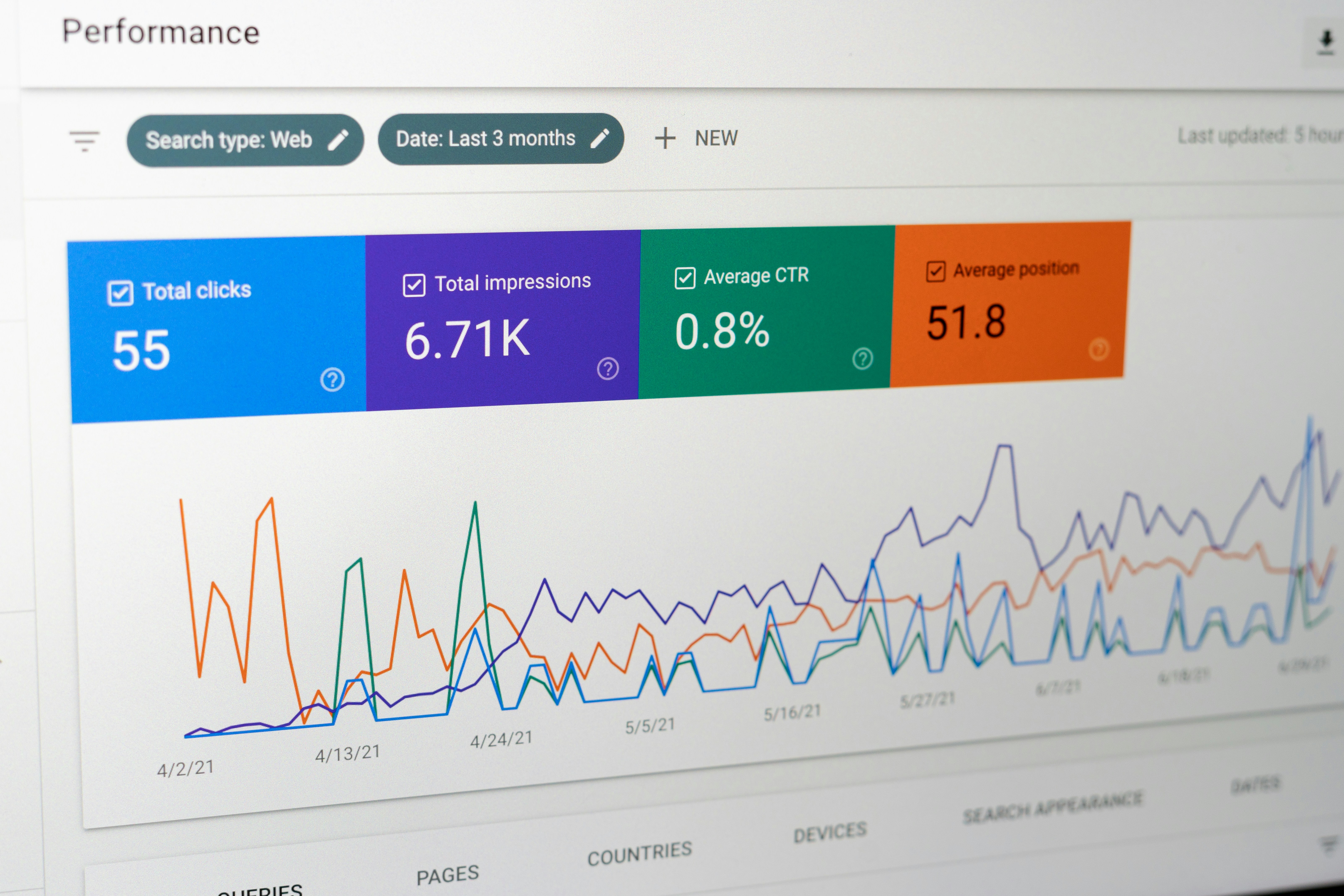
YouTube Analytics is an essential tool for content creators and businesses aiming to optimize their video performance on the platform. This comprehensive analytics suite provides valuable insights into how audiences engage with video content, offering a wealth of information that can shape content strategy effectively. Understanding and leveraging YouTube Analytics is crucial for anyone looking to build a successful presence on the platform.
The importance of YouTube Analytics lies in its ability to offer detailed metrics that highlight viewer behavior, demographic information, and engagement levels. Among the key metrics available are watch time, views, audience retention, and traffic sources. These metrics allow creators to gauge which videos resonate with audiences, enabling them to refine future content based on viewer preferences and behaviors. For businesses, these insights can inform marketing strategies and campaign effectiveness by providing clarity on what works and what needs improvement.
Moreover, the platform also offers real-time data, allowing creators to see immediate reactions to their latest uploads. This instantaneous feedback is invaluable for adjusting tactics swiftly, ensuring that content remains relevant and engaging. Metrics such as click-through rates can guide decisions on thumbnails and titles, while average view duration indicates how well the content maintains viewer interest.
In summary, mastering YouTube Analytics empowers creators and businesses to make data-informed decisions that enhance audience engagement and drive performance. By utilizing the insights garnered from the platform, content developers can create more impactful videos and cultivate a dedicated viewer base, ultimately unlocking the true potential of their YouTube efforts.
Understanding Looker Studio
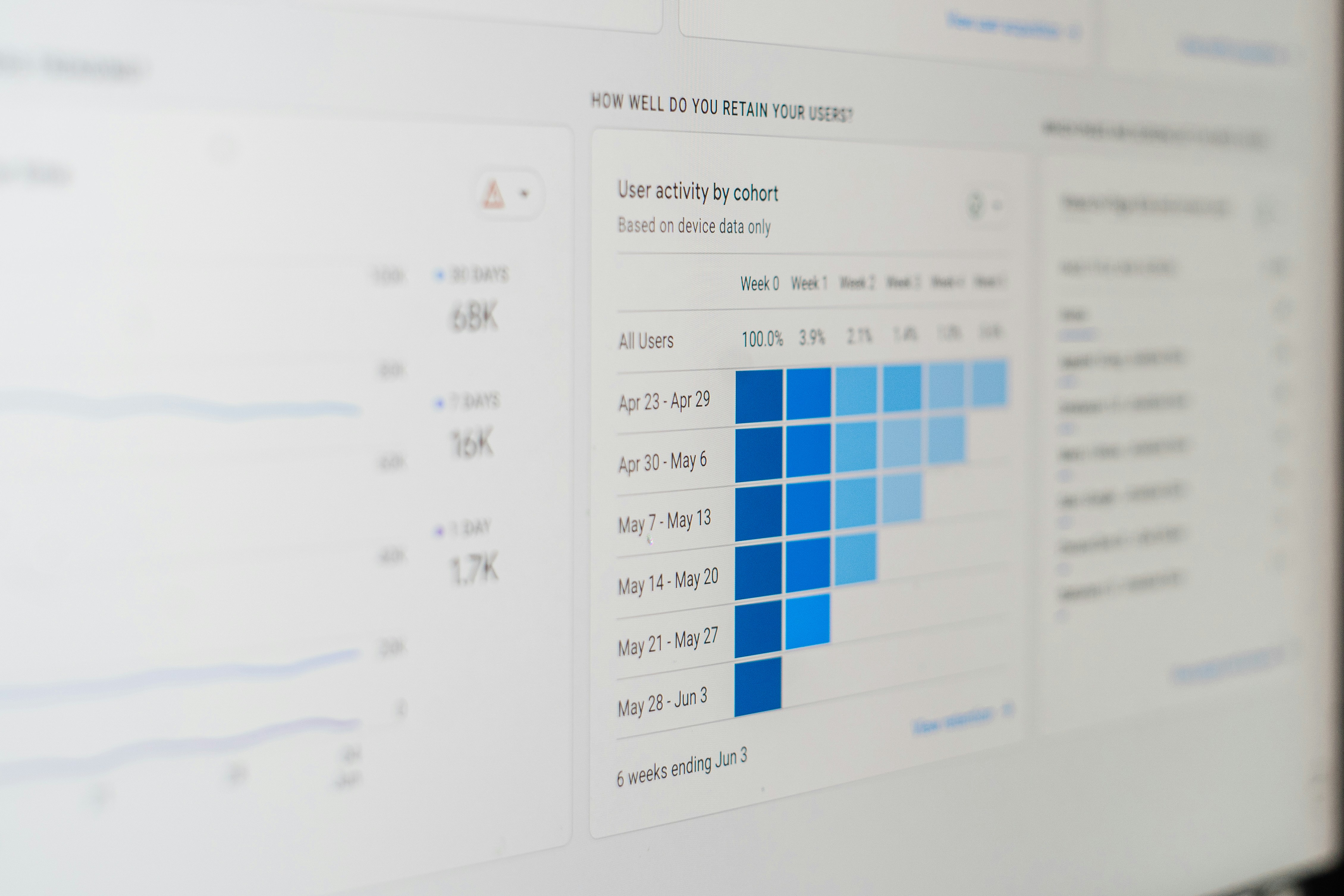
Looker Studio, previously known as Google Data Studio, is a powerful data visualization and reporting tool designed to facilitate comprehensive analysis of data from various sources, including YouTube Analytics. This platform enables users to transform raw data into insightful and visually appealing reports, which can be customized according to specific analytics needs. By integrating Looker Studio with YouTube Analytics, content creators, marketers, and businesses can unlock the potential of their data, leading to informed decisions and actionable strategies.
One of the unique features of Looker Studio is its ability to connect seamlessly with multiple data sources. Users can pull in metrics and dimensions directly from YouTube Analytics, providing an interactive environment to explore video performance, audience engagement, and traffic sources. This consolidation of data into a single platform enhances the user experience, enabling efficient data management and reducing the need for switching between different tools.
The intuitive drag-and-drop interface of Looker Studio allows users to create customized dashboards effortlessly. With a variety of visualization options, including charts, graphs, and maps, users can represent data in a manner that best suits their analyzing preferences, thereby improving the comprehension of intricate analytics. Furthermore, sharing capabilities within Looker Studio enable collaboration among team members by providing access to real-time reports that anyone can view or edit, fostering a data-driven culture.
Moreover, the platform supports advanced data transformation features, which allows users to manipulate and calculate metrics on-the-fly. By utilizing these capabilities, individuals can derive relevant insights specific to their objectives, such as identifying trends in viewer habits or assessing the effectiveness of marketing strategies. This ease of access to refined data ultimately enhances decision-making and strategic planning.
Connecting YouTube to Looker Studio
Linking YouTube Analytics to Looker Studio is a fundamental step for users aiming to gain valuable insights from their YouTube data. To begin this process, ensure you have a Google account, as both YouTube and Looker Studio are integrated through Google’s services. Make sure that the YouTube channel you wish to analyze is associated with this account.
First, navigate to the Looker Studio website. Here, users must create a new report or select an existing one where they desire to integrate YouTube Analytics. This is done by clicking on the ‘Add Data’ button within Looker Studio. From the list of available data sources, choose YouTube Analytics. Before proceeding, it’s important to check whether you have the necessary permissions to access the content associated with the YouTube channel; this typically means having owner or manager status for the channel.
After selecting the YouTube Analytics option, Looker Studio will prompt you to connect your YouTube account. Authorizing this connection involves clicking through the necessary verification steps. Be prepared to grant Looker Studio permission to access your YouTube channel’s data. This authorization process is crucial as it establishes the link that allows Looker Studio to fetch analytics data such as views, watch time, and audience demographics.
Upon successful authorization, you will be presented with various data fields from your YouTube Analytics. It is vital to customize your selection based on the insights you wish to derive—whether you need engagement metrics, traffic sources, or user demographics. This setup can significantly enhance how you visualize and interpret your channel’s performance. As you complete the setup, you are now equipped to analyze your YouTube data through Looker Studio, opening up a plethora of analytical possibilities.
Key Metrics in YouTube Analytics to Track
YouTube Analytics provides content creators with critical insights that help in optimizing their channels and understanding audience behavior. Among these insights, several key metrics stand out as particularly important. Views are one of the most fundamental metrics; they indicate how many times a video has been watched. Monitoring views helps creators assess the popularity of individual videos and overall channel growth. However, it should be noted that high view counts do not necessarily translate to successful engagement or audience retention.
Watch time is another essential metric, representing the total amount of time viewers spend watching a video. This metric is vital for YouTube’s algorithm, as the platform prioritizes videos with higher watch times for recommendations. Tracking watch time can guide creators in understanding which content resonates most with their audience, allowing them to make informed decisions about future video production.
Engagement rates reveal how actively viewers interact with the content, encompassing metrics such as likes, comments, and shares. A high engagement rate is indicative of an audience’s interest and investment in the content, which can also enhance a video’s visibility on the platform. Additionally, audience demographics provide valuable insights into who is watching the videos, including age, gender, and geographic location. Understanding these demographics allows creators to tailor their content to better meet the needs and preferences of their most engaged viewers.
Lastly, traffic sources indicate where viewers are finding the videos, whether via YouTube search, suggested videos, or external sources. This information can help make strategic decisions on marketing channels and promotional efforts. By carefully tracking these key metrics, creators can enhance their strategies, optimize their content, and ultimately foster greater viewer loyalty and channel success.
Creating Custom Reports in Looker Studio
To effectively harness the capabilities of Looker Studio with data sourced from YouTube Analytics, creating custom reports is an essential skill. This process enables users to extract specific metrics that are most relevant to their goals, thus allowing for a more focused analysis of their video performance and audience engagement.
Begin by connecting your YouTube Analytics data with Looker Studio. Once linked, you can navigate through a variety of metrics, such as views, watch time, and subscriber growth. Selecting these key performance indicators (KPIs) allows you to have a clearer understanding of your channel’s performance. Customization is fundamental—they can make or break the readability of a report. Looker Studio allows users to tailor visualizations such as graphs, charts, and tables to present the data in an easily digestible format.
When designing your custom report, consider the audience’s needs. For instance, if your primary audience is interested in engagement metrics, selecting metrics like average view duration and likes will cater to their interests. Additionally, you can segment your data by demographics, enabling insights into how different audience types interact with your content. This targeted approach not only enhances the report’s effectiveness but also aids in shaping your content strategy moving forward.
Another vital aspect of creating custom reports is leveraging filters. By applying filters, you can focus on specific time frames or content categories, enabling a granular analysis that provides deeper insights into trends and patterns. Remember that clarity is key; your report should succinctly present the data without overwhelming the audience with unnecessary information. Through careful selection, customization, and strategic filtering, users can produce reports that yield actionable insights and drive informed decision-making to optimize their YouTube channel’s performance.
Interpreting Data: Making Sense of YouTube Analytics Insights
Effective utilization of YouTube Analytics is essential for creators looking to enhance their content and engagement strategies. The platform generates a multitude of data points, ranging from viewer demographics to watch times and traffic sources. Interpreting this data allows users to glean valuable insights that can inform future content creation and marketing initiatives. One key aspect to focus on is the audience retention metric, which indicates how well your videos hold viewers’ attention over time. This information can reveal critical moments where viewers may drop off, enabling creators to adjust their storytelling or format to maintain engagement.
Another vital component of YouTube Analytics is the traffic source report. This analysis identifies where viewers are discovering your content, whether it be through search, suggested videos, or external links. Such insights can help tailor marketing strategies to amplify exposure on the most effective channels. For example, if social media is driving considerable traffic, investing in promotional strategies for these platforms can lead to increased viewership and subscriber growth.
Furthermore, demographic insights provide a deeper understanding of the audience engaging with your videos. Knowing the age groups, genders, and locations of your viewers allows for the customization of existing content and the development of targeted marketing campaigns that resonate with specific segments. Applying this data could mean creating series tailored to the preferences of a dominant demographic, thereby increasing engagement levels. Ultimately, interpreting YouTube Analytics effectively with tools like Looker Studio empowers creators to mold their channels into compelling spaces that attract and retain viewers. By embracing these insights, content strategies can be continuously refined, resulting in a more robust viewer experience and enhanced channel performance.
Common Challenges and Solutions in Data Analysis
Analyzing YouTube Analytics data through Looker Studio presents several challenges that can hinder effective data interpretation. One prevalent issue is the overwhelming volume of data generated by YouTube channels. The extensive array of metrics and dimensions can lead to confusion, making it difficult for users to identify the most relevant data points for their goals. To tackle this problem, it is vital to define clear objectives before diving into the data. By establishing key performance indicators (KPIs), users can focus their efforts on specific metrics that align with their content strategy, ultimately easing the analysis process.
Another common challenge is data integration and visualization. Many users struggle with combining YouTube Analytics with other data sources within Looker Studio, often resulting in disjointed insights. A practical solution is to leverage Looker Studio’s built-in connectors that facilitate seamless integration with various platforms. By adopting a holistic view of analytics—encompassing metrics from social media platforms, websites, and other related sources—users can gain comprehensive insights into their audience’s behavior and engagement trends.
Furthermore, interpreting the data effectively can be daunting due to complex visualizations. Users may find it challenging to derive actionable insights from a multitude of charts and graphs presented in Looker Studio. To mitigate this issue, it is essential to prioritize simplicity in data visualization. Focus on creating clear and concise visual representations of data that highlight essential trends and insights. Employing best practices, such as using color coding or standardized formats, can enhance clarity, making it easier for stakeholders to grasp key findings quickly.
Ultimately, understanding these common challenges and implementing practical strategies not only streamlines the data analysis process but also empowers content creators to derive actionable insights for their YouTube channels.
Case Studies: Successful YouTube Strategies Powered by Analytics
YouTube has evolved into a critical platform for content creators and brands seeking to expand their reach and engage with audiences. The integration of YouTube Analytics with Looker Studio presents a unique opportunity for these stakeholders to exploit data-driven insights. Several case studies illustrate the efficacy of these tools in enhancing video content strategy and audience engagement.
One notable case is that of a popular cooking channel, which adopted Looker Studio to analyze viewer engagement metrics such as watch time and click-through rates. By examining these insights, the creators identified that tutorial videos generated more consistent viewership compared to casual cooking vlogs. In response, they refined their content strategy to focus on producing in-depth recipes, resulting in a remarkable 40% increase in subscriber growth within six months. This increased audience retention directly correlated with the strategic implementation of analytics.
Another case study focuses on a gaming brand that utilized YouTube Analytics to assess demographic data and viewer preferences. They discovered that their audience predominantly consisted of younger viewers who favored live streaming and interactive content. Armed with this knowledge, the brand shifted its emphasis towards live streaming events and incorporated real-time viewer interactions. This pivot not only enhanced viewer participation but also led to a double-digit increase in their overall engagement rate.
Lastly, an educational channel focused on STEM subjects leveraged Looker Studio to track video performance against learning objectives. By analyzing the data, they found that shorter, topic-focused videos performed better than longer lectures. In response, they restructured their content to embrace this format, yielding a significant improvement in viewer satisfaction and educational impact, which was evidenced by an increase in viewer feedback and a rise in average watch time.
These case studies highlight the transformative power of YouTube Analytics when paired with Looker Studio, enabling creators to make informed decisions that align with audience preferences and drive channel growth.
Future Trends in YouTube Analytics and Data Visualization
The landscape of YouTube Analytics is continuously evolving, propelled by advancements in technology and changing user behavior. In the near future, we can expect innovative trends that will transform the way content creators and businesses analyze their data and make informed decisions. One prominent trend is the integration of artificial intelligence (AI) within analytics platforms like Looker Studio. As AI algorithms become more sophisticated, they will enable creators to gain deeper insights from their data, uncover hidden patterns, and predict viewer behavior effectively.
In addition to AI, data visualization techniques are likely to become increasingly interactive. Traditional static graphs are being replaced with dynamic dashboards that facilitate real-time updates and allow users to explore data through customizable visual elements. This adaptability will enable content creators to monitor performance metrics more efficiently and adjust their strategies on-the-fly. These enhanced visualization tools can support a more intuitive understanding of complex data sets, making it easier for users to draw actionable conclusions from their video performance.
Moreover, the rise of cross-platform analytics is expected to gain traction. As content creators diversify their distribution channels, the ability to analyze performance across multiple social media platforms and track viewer engagement holistically will become essential. This trend will ensure that creators can make informed decisions with a comprehensive view of their audience’s interaction with their content.
To stay ahead in this evolving landscape, creators and businesses must remain adaptable in their approach to YouTube Analytics. Embracing emerging features and tools provided by platforms like Looker Studio will allow them to leverage data more effectively, thereby enhancing content creation and marketing strategies. Preparedness for these future trends in analytics and data visualization will be pivotal for success in the digital video arena.