Introduction to YouTube Analytics
YouTube Analytics is an essential component of the YouTube platform, designed to provide creators with valuable insights into their channel’s performance. This tool empowers content creators to make informed decisions by analyzing viewer behavior, engagement rates, and other key performance indicators. Understanding these metrics is crucial for anyone looking to optimize their content strategy and grow their audience.
One of the primary benefits of YouTube Analytics is its ability to elucidate viewer engagement, which includes metrics such as watch time, average view duration, and the number of interactions (likes, dislikes, and comments) on videos. By examining these indicators, creators can gauge what content resonates with their audience and make necessary adjustments to enhance viewer satisfaction. Moreover, metrics such as audience demographics and geographic distribution provide deeper insights into who the viewers are and where they come from, allowing creators to tailor their content accordingly.
Furthermore, YouTube Analytics offers historical data, enabling creators to track their performance over time. Creators can identify trends and patterns, which can be particularly helpful for understanding seasonality and the effects of changes in content strategy. Knowing which videos perform best can inform future content creation, facilitate more efficient allocation of resources, and ultimately contribute to a channel’s growth.
In summary, YouTube Analytics is a powerful tool for content creators aiming to enhance their channel’s performance. By understanding viewer behavior and engagement metrics, creators can leverage these insights to create content that meets the needs and preferences of their audience, ensuring sustained growth and success on the platform.
Key Features of YouTube Analytics
YouTube Analytics is a powerful tool that provides creators with essential data to understand audience behavior and optimize content strategy. One of the most critical metrics is watch time, which reflects the total minutes viewers have spent watching videos on a channel. By focusing on watch time, creators can assess which content resonates most with their audience and adjust future videos accordingly to enhance viewer engagement.
Another vital metric is the number of views, indicating the popularity of specific videos. Tracking views allows creators to identify successful content and explore what makes it appealing to their audience. This data can be instrumental in shaping a channel’s content strategy, guiding creators to produce similar types of videos that encourage higher viewer counts.
Demographics also play a crucial role in YouTube Analytics. This feature provides insights into the age, gender, geographical location, and other demographic factors of the audience. Understanding who the viewers are helps content creators tailor their videos to meet the preferences of their target audience, ultimately leading to increased engagement and viewer loyalty.
Traffic sources are another significant aspect of YouTube Analytics. This feature reveals how viewers are discovering content, whether through search engines, suggested videos, or external sources such as social media. By analyzing traffic sources, creators can strategize on how to promote their content effectively, thereby increasing visibility and reach.
Lastly, engagement rates measure how viewers interact with videos through likes, comments, and shares. High engagement rates indicate that the content is not only being viewed but is also sparking interest and conversation. This feedback is invaluable for refining content strategies and fostering a stronger community around a YouTube channel.
Navigating the YouTube Analytics Dashboard
The YouTube Analytics dashboard is an essential tool for content creators aiming to understand their channel’s performance. Upon accessing the dashboard, users are greeted with a clear and organized layout. At the top, there are navigation tabs that help you switch between various reports and metrics. These tabs include Overview, Reach, Engagement, Audience, and Revenue, each offering distinct insights into your channel’s data.
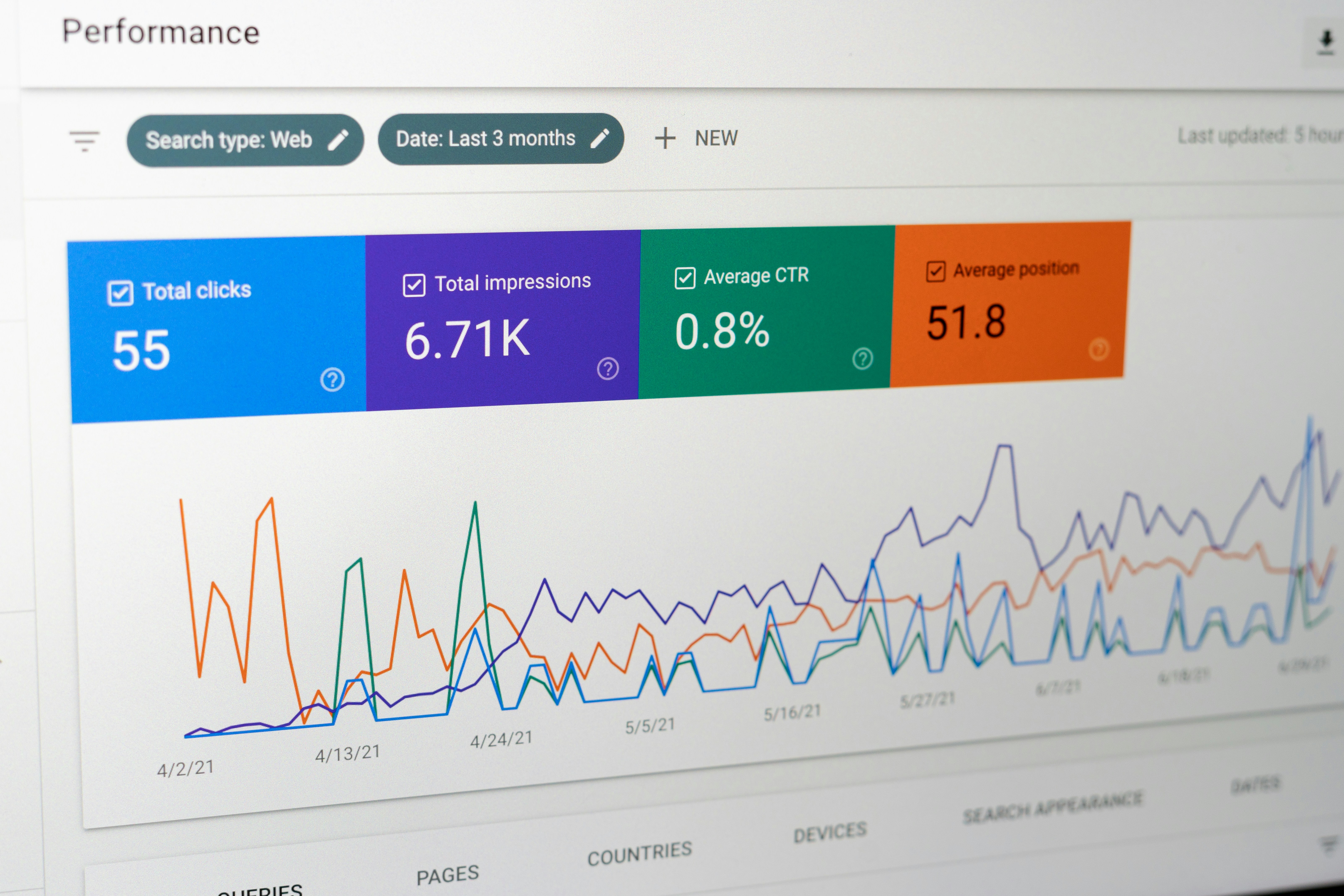
In the Overview section, creators can quickly assess key metrics such as views, watch time, and subscriber changes. This section serves as a snapshot of channel performance over different time frames, enabling users to track their growth effectively. The Reach report delves deeper into how viewers discover your content, providing data on impressions, click-through rates, and traffic sources. Understanding where your audience comes from is vital for optimizing content strategy.
Engagement metrics, found in the Engagement report, focus on how viewers interact with your videos. This includes average view duration, total watch time, and likes versus dislikes. Such metrics are crucial for understanding viewer retention and identifying aspects of your content that resonate well with the audience.
Further along, the Audience report offers invaluable demographic insights. Creators can learn about their viewers’ age, gender, and geographic location, which aids in tailor-fitting content to specific audiences. Finally, the Revenue report provides details on monetization, showing how much revenue a channel generates from ads and memberships.
To find specific data points, users can leverage the search functionality within the dashboard. Filters allow for customization by date range, video type, and more, ensuring that the data viewed is relevant and insightful. Overall, mastering the YouTube Analytics dashboard is key for any creator looking to enhance channel performance and engagement.
Interpreting Key Metrics
Understanding YouTube Analytics is essential for content creators who strive to optimize their video performance. Among the myriad of metrics, several key indicators stand out, including average view duration, audience retention, and engagement metrics. Each plays a vital role in shaping a content strategy that resonates with viewers.
Average view duration refers to the average time viewers spend watching a video. This metric is critical because it indicates how engaging a video is; the longer viewers remain attentive, the better the video is perceived by YouTube’s algorithm. A high average view duration can lead to improved rankings in search results and recommended videos, ultimately increasing visibility and engagement. Creators can enhance this metric by developing compelling introductions and maintaining viewer interest throughout the content.
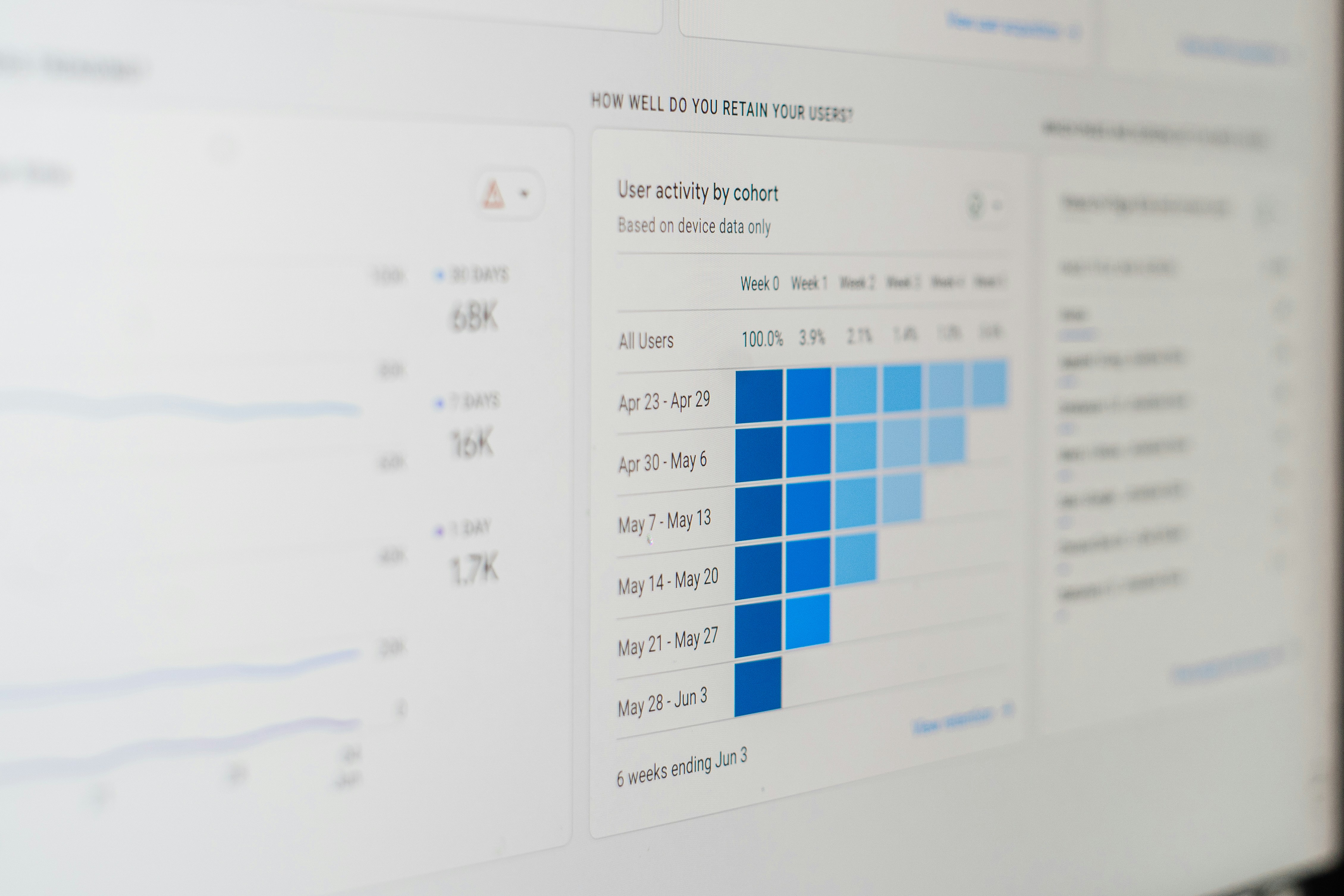
Audience retention complements average view duration by highlighting where viewers are most engaged and where they drop off. This metric provides insights into specific segments of the video that either captivated or lost the audience’s attention. Analyzing audience retention graphs enables creators to identify patterns and adjust their video formats, pacing, or content to better align with viewer preferences, fostering a deeper connection.
Engagement metrics, such as likes, shares, comments, and click-through rates, are also crucial for evaluating content performance. These parameters not only reflect viewer interaction but also signal how well a video resonates with its target audience. Content creators should consider fostering engagement by prompting viewers to leave comments or share their thoughts, further enhancing community engagement around the video.
By accurately interpreting these crucial metrics within YouTube Analytics, content creators can develop informed strategies that optimize their video performance and connect more effectively with their audience.
Using YouTube Analytics for Content Strategy
YouTube Analytics provides invaluable insights that content creators can utilize to refine their content strategies effectively. By analyzing data such as viewer demographics, watch time, and engagement metrics, creators can identify trends that significantly influence their audience’s preferences. For instance, understanding the age group and geographic location of your viewers can guide you in tailoring your content to their interests. This insight ensures that the topics you cover resonate well with your audience, ultimately enhancing viewer retention.
Another critical feature of YouTube Analytics is the ability to assess which videos generate the most engagement. Metrics such as likes, comments, and shares are essential indicators of how well your content is being received. Suppose a particular video featuring a tutorial format performs significantly better than others, it might be worth considering increasing the frequency of such content. Furthermore, creators can analyze the viewer behavior in terms of average view duration to determine how engaging their content is. If viewers tend to drop off at specific points, it may signal the need to revise content delivery or pacing to retain audience interest more effectively.
The “Traffic Sources” report in YouTube Analytics also plays a pivotal role in shaping content strategies. By discovering how viewers find their videos, creators can optimize their titles, descriptions, and tags to improve discoverability. For instance, if search results show a spike in traffic for a particular keyword or phrase, creating more content around that theme can enhance visibility and attract a broader audience.
Ultimately, leveraging YouTube Analytics is an ongoing process that allows content creators to adapt their strategies based on real-time data. By remaining attentive to viewer feedback and engagement patterns, creators can enhance their content strategy effectively, ensuring long-term growth and success on the platform.
Analyzing Audience Demographics
Understanding audience demographics is crucial for content creators utilizing YouTube as a platform for expression and engagement. YouTube Analytics offers a wealth of information regarding the viewers who interact with your content. By analyzing these demographics, creators can tailor their future videos to meet the preferences and interests of their audience. The key demographic factors to monitor include age, gender, geographical location, and viewing patterns. These data points provide insights into who is watching your videos and can lead to strategies that enhance viewer engagement.
For instance, if analytics reveal a significant percentage of your audience falls within a specific age group, you could adjust the topics, language, and visual style of your videos to resonate with that demographic. Additionally, knowing the gender breakdown of your viewers can guide you in curating content that appeals more directly to these groups, thus fostering a deeper connection with them. Similarly, understanding geographic distribution allows for localization of content, enabling creators to address cultural nuances and regional interests effectively.
YouTube Analytics also provides information on viewing devices and times, revealing how and when your audience consumes content. This data is invaluable for optimizing video release schedules and formats. By aligning content with viewer preferences, creators can improve engagement metrics, resulting in both increased watch time and broader audience reach. Analyzing audience demographics is not merely a statistical exercise; it forms the basis for developing targeted content strategies that can elevate both the creator’s visibility and the overall viewing experience.
Utilizing the insights gained from audience demographics empowers creators to make informed decisions that enhance their content’s appeal, ultimately fostering a loyal viewer base that is primed to engage with future content. By continually evaluating and adapting to these metrics, content creators can effectively navigate the complexities of their audience’s preferences.
Traffic Sources Analysis
YouTube Analytics provides invaluable insights into the way viewers discover and engage with content on the platform. Understanding traffic sources is pivotal for content creators looking to optimize their reach and enhance viewer engagement. By analyzing these data points, creators can identify which channels are driving the most traffic to their videos, ultimately informing their content strategy.
There are several primary traffic sources to consider within YouTube Analytics, including YouTube search, external websites, suggested videos, and channel pages. Each source serves a unique function and knowing their performance can help guide future content creation. For example, if YouTube search is a leading traffic source, this suggests that the video is optimally titled and tagged, enhancing discoverability. On the other hand, if external sources drive traffic, it indicates that external promoting efforts or partnerships are effectively bringing viewers to the channel.
To capitalize on strong traffic sources, creators should focus on producing content that resonates with the audience already engaging with their videos. This can be achieved by analyzing viewer demographics and preferences to tailor future content accordingly. Conversely, if certain traffic sources underperform, it is essential to investigate why. This might include evaluating the keywords used for search or reconsidering the engaging aspects of the video thumbnails and titles that attract click-through rates.
Improving weaker traffic sources often involves exploring optimization strategies such as enhancing video descriptions and utilizing calls to action that encourage sharing views across social media platforms. AsViewers become more aware of creators on various traffic channels, it can lead to growth in subscribers, ultimately fueling future engagement. Strong traffic source analysis equips creators with the tools needed for continued success on YouTube.
Reporting and Visualization Tools
YouTube Analytics provides a robust set of reporting and visualization tools that enable content creators and marketers to evaluate their video performance effectively. These tools allow users to generate detailed reports, offering insights into viewer demographics, engagement metrics, and overall channel performance. Knowing how to navigate these features is essential for utilizing the full potential of YouTube Analytics.
The reporting tools available in YouTube Analytics allow for the generation of custom reports tailored to specific needs. Users can filter data by date ranges, video types, or viewer locations. This flexibility is beneficial for internal analysis and helps to pinpoint trends or identify areas needing improvement. With the ability to export these reports into various formats, creators can easily share findings with colleagues or stakeholders, facilitating informed decision-making.
Visualization is another critical aspect of analyzing data. YouTube provides various graphical representations such as graphs and charts that visually depict viewer behavior and engagement over time. For example, one can view trends in watch time or audience retention, which assists in determining what content resonates best with viewers. Data visualization simplifies complex information, making it easier to identify patterns and derive actionable insights.
Additionally, integrating presentation tools with reports increases engagement when sharing findings. Using platforms such as Google Slides or Microsoft PowerPoint, creators can embed these visualizations seamlessly, which enhances the storytelling aspect of the data during presentations. This approach not only aids in conveying important insights but also keeps the audience engaged by providing a clearer understanding of performance metrics.
In conclusion, the reporting and visualization tools provided by YouTube Analytics are indispensable for anyone serious about optimizing their content strategy. By leveraging these tools effectively, creators can gain deeper insights into their audience and enhance their video performance through informed, data-driven decisions.
Conclusion: The Value of YouTube Analytics
YouTube Analytics serves as an indispensable tool for content creators aiming to optimize their channel’s performance and enhance audience engagement. By providing detailed insights into viewer behavior and preferences, it enables creators to make informed decisions that directly impact the effectiveness of their content strategy. Regularly analyzing key metrics such as watch time, traffic sources, and audience demographics can illuminate patterns in viewer engagement, allowing creators to tailor their content more effectively to meet viewer needs.
The value of utilizing YouTube Analytics effectively cannot be overstated. As content on the platform becomes increasingly competitive, understanding which videos resonate well with audiences is crucial for channel growth. For instance, creators can identify high-performing videos and replicate successful formats, while also analyzing underperforming content to understand areas requiring improvement. This continuous cycle of evaluation enhances a creator’s ability to produce videos that appeal to their audience, ultimately leading to increased subscriber counts and higher engagement rates.
Moreover, YouTube Analytics provides insights into traffic sources, helping creators understand where their audience is coming from. This information can inform promotional strategies, enabling creators to focus their efforts on the most effective channels. Engagement metrics such as likes, comments, and shares also offer valuable feedback, allowing creators to gauge audience sentiment towards their content and pivot when necessary.
In conclusion, leveraging YouTube Analytics is essential for anyone looking to thrive on the platform. Regular analysis not only fosters improved content performance but also strengthens the connection with the audience. By understanding analytics, creators can elevate their content strategy, resulting in more meaningful interactions and sustained growth over time.