Introduction to YouTube Analytics
YouTube Analytics serves as a pivotal resource for content creators aiming to optimize their channels and enhance viewer engagement. As an extensive tool provided by the platform itself, YouTube Analytics offers insights into various metrics that reveal crucial information about audience behavior, video performance, and the overall growth trajectory of a channel. Understanding these analytics is essential for any creator striving for success within the competitive landscape of digital content.
The importance of YouTube Analytics cannot be overstated. By analyzing key performance indicators such as watch time, audience demographics, and engagement rates, creators can gain a comprehensive understanding of what resonates with their viewers. This data-driven approach allows content producers to tailor their videos to better match audience preferences, increasing the likelihood of retaining viewers and attracting new subscribers.
Furthermore, YouTube Analytics provides a wealth of information about individual video performance. Metrics such as views, likes, comments, and shares give creators critical feedback regarding their content’s effectiveness. By examining these statistics, producers can ascertain which topics or formats are most appealing, guiding future content creation efforts. Additionally, the ability to track performance over time helps creators identify trends and shifts in audience interest, enabling them to adapt strategies accordingly.
Channel growth can also be effectively monitored through YouTube Analytics. Metrics like subscriber counts and the rate of new subscriptions help creators evaluate the success of their marketing and promotional efforts. With this knowledge, they can focus on strategies that yield the greatest return on investment. Thus, YouTube Analytics stands as an indispensable tool for any serious content creator looking to enhance their channel’s performance and build a loyal audience base.
What are Browse Features?
Browse features within YouTube Analytics play a critical role in how audiences discover and interact with videos on the platform. These features encompass a variety of avenues through which viewers can find content, serving as significant traffic drivers for many creators. Primarily, browse features include suggested videos, the YouTube homepage, and subscriptions, each facilitating user engagement in distinct ways.
The suggested videos feature is particularly influential. When viewers finish watching a video, YouTube automatically presents a list of suggested content that aligns with their viewing habits and preferences. This personalized recommendation system not only increases the likelihood of viewers clicking on additional videos but also enhances overall viewer retention. As such, leveraging effective titles and thumbnails becomes essential for creators aiming to capitalize on this feature.
Another browse feature is the YouTube homepage, which serves as a personalized landing page for users. This page displays a curated selection of videos that reflect the viewer’s interests, subscription activity, and trending topics. As a result, it provides an opportunity for videos to gain significant initial visibility and attract a broader audience. Optimizing content to be responsive to the preferences of potential viewers is crucial for creators who want their videos featured prominently on this page.
Lastly, subscriptions contribute to browse features by allowing viewers to follow their favorite channels. When subscribers log in, they are often greeted with new uploads from the channels they follow. As subscribers receive notifications and updates, this reinforces viewer engagement and loyalty. Understanding how these browse features work can directly affect a creator’s ability to increase traffic and visibility on their content, making it vital for success on the platform.
How Browse Features Impact Video Performance
The performance of videos on YouTube is significantly influenced by the platform’s browse features. These features include the homepage, suggested videos, and video playlists, which serve as pathways for viewers to discover content. When a video gains higher visibility through these browse features, it tends to result in increased views and engagement. The more prominently a video is presented, the greater the likelihood that users will click on it, thereby enhancing both the video’s reach and relevance. This visibility is a crucial factor in a video’s performance metrics.
Enhanced visibility in browse features not only contributes to higher view counts but also plays a vital role in user retention. Videos that surface in these prominent sections of the platform often enjoy higher audience retention rates, as viewers are more inclined to watch content they find easily accessible and recommended by the platform’s algorithms. Consequently, this improved audience engagement can lead to a positive feedback loop, where increased viewer interaction further elevates a video’s ranking within the browse features. YouTube’s algorithms reward videos that demonstrate strong viewer engagement by promoting them more intensely, resulting in a cascading effect on overall channel performance.
Additionally, analytics data can provide valuable insights into how videos perform within browse features. Channels can analyze patterns, such as viewer demographics and interests, to tailor content that resonates with their audience, further enhancing the effectiveness of browse features. Understanding the metrics associated with these features allows creators to adjust their strategies and optimize their content for maximum visibility. Ultimately, leveraging browse features effectively can lead to sustained growth in both individual video success and broader channel achievement.
Analyzing Browse Feature Metrics
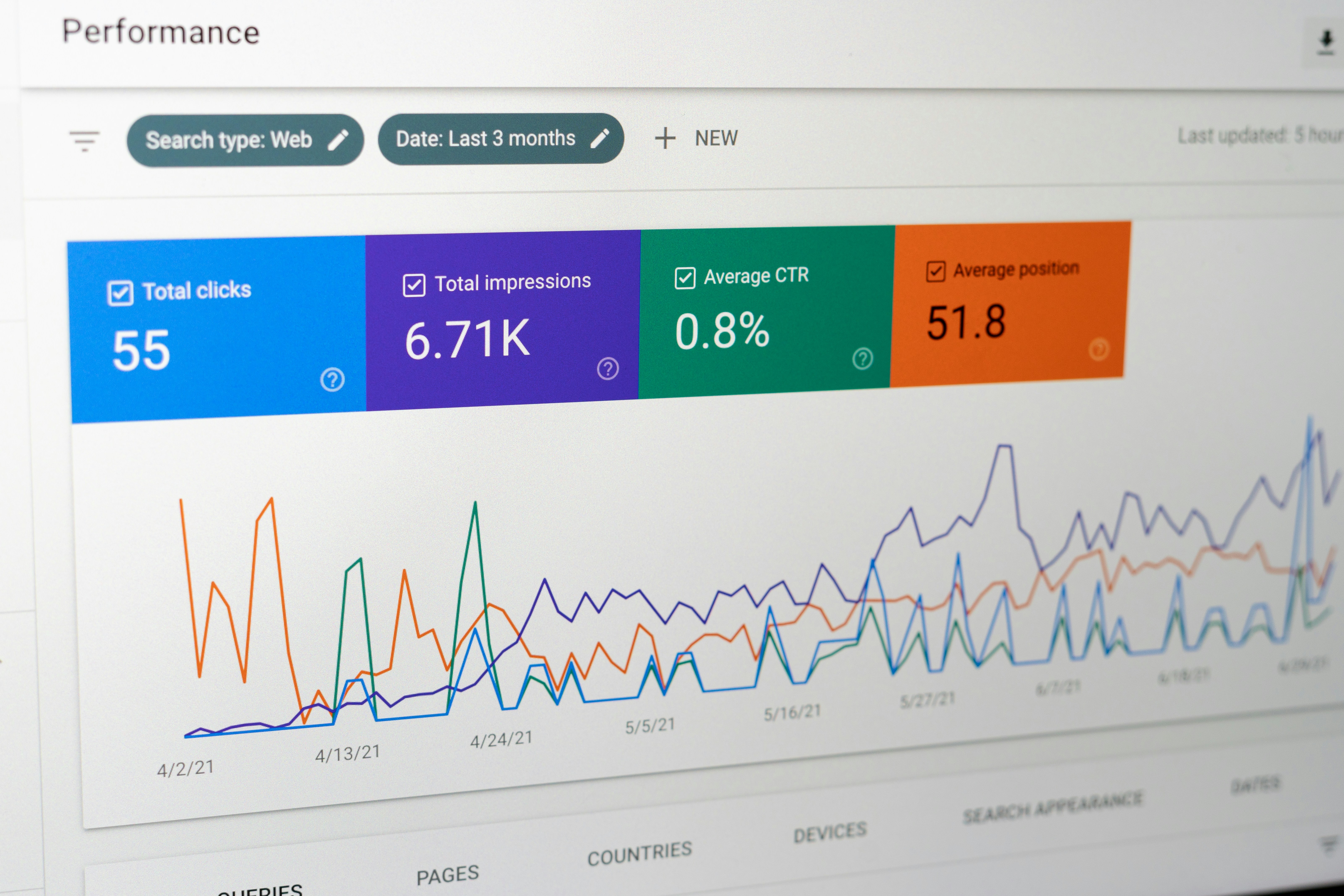
YouTube Analytics provides a wealth of information for content creators looking to understand how their videos perform, particularly through the browse features. These features include recommendations on YouTube’s homepage, suggested videos, and the subscription feed. Key metrics associated with these features include watch time, views, and click-through rate (CTR), each offering valuable insights into viewer engagement and content effectiveness.
Watch time is a crucial metric that reflects the total minutes viewers have spent watching a video. A higher watch time often indicates that viewers find the content engaging and relevant. By analyzing watch time in conjunction with specific videos, creators can assess how different topics or formats resonate with their audience. This metric is particularly useful for identifying patterns and trends over time, allowing for more informed content strategy decisions.
Views are another essential metric that quantifies how many times a video has been watched. While a high view count may seem desirable, it is important to consider this metric within the broader context of audience retention. If a video accumulates many views but has a low watch time, it may suggest that viewers are clicking away before fully engaging with the content. Understanding the interplay between views and watch time can significantly enhance a creator’s ability to fine-tune their approach to content creation.
Lastly, the click-through rate (CTR) is a vital metric that indicates how effectively a video attracts viewers. CTR reflects the percentage of impressions that resulted in views. If the CTR is low, it may suggest that the video title or thumbnail is not compelling enough to entice viewers. Creators can experiment with different strategies for optimizing these elements to improve their CTR, directly affecting the discoverability of their videos.
In conclusion, by carefully analyzing these metrics—watch time, views, and click-through rate—content creators can gauge the effectiveness of their videos within the browse features of YouTube. This analysis not only aids in understanding viewer behavior but also informs future content strategies that align with audience preferences.
Strategies to Enhance Browse Feature Visibility
Improving visibility within YouTube’s browse features is essential for creators looking to increase their audience engagement and viewership. A key strategy lies in optimizing video titles, descriptions, and thumbnails. The title should be attention-grabbing yet informative, clearly reflecting the video’s content. Incorporating relevant keywords can enhance discoverability, as the YouTube algorithm prioritizes content that aligns with users’ search intent. Aim for concise yet compelling titles that also captivate potential viewers.
Equally important is crafting thorough video descriptions. Utilize this space to provide a detailed overview of the video content, including keyword-rich phrases pertaining to the topic covered. This not only helps in ranking higher in search results but also provides context for viewers and entices them to click. Be sure to include timestamps if applicable, as they enhance the user experience by offering viewers the ability to navigate easily through the content.
The visual aspect of your content plays a significant role in attracting viewers. Thumbnails should be designed to stand out while remaining relevant to the video. A high-contrast image combined with bold, readable text can significantly increase the click-through rate. Consistency in thumbnail design fosters brand recognition and can compel returning viewers to choose your content over others in their feed.
Additionally, leveraging social media platforms to promote your videos can significantly enhance visibility. Share your content on platforms like Instagram, Twitter, or Facebook, highlighting engaging snippets and encouraging audience interaction. Collaborating with other creators can expand your reach by tapping into their audiences. By incorporating these strategies, creators can effectively enhance their visibility within YouTube’s browse features, ultimately attracting more views and fostering a growing subscriber base.
The Role of Playlists in Browse Features
Playlists play a pivotal role in enhancing the visibility of content on YouTube, particularly through the platform’s browse features. By offering a well-curated selection of videos, playlists can keep viewers engaged for extended periods, leading to increased watch time—a critical metric for success on YouTube. When utilized effectively, playlists not only improve viewer retention but also enhance the discoverability of individual videos within them.
Creating effective playlists requires thoughtful organization and strategy. Content creators should consider grouping videos by theme, topic, or series. This not only provides a coherent viewing experience but also allows users to navigate related content effortlessly. For example, a channel focusing on cooking could benefit from playlists categorized by meal types, such as “Quick Weeknight Dinners” or “Vegetarian Delights.” Such organization not only attracts new subscribers but also encourages existing viewers to explore more of the creator’s offerings.
Additionally, playlists are inherently shareable, making them a powerful tool for increasing audience reach. When viewers find a playlist that resonates with their interests, they are more likely to share it with friends or on social media, amplifying the potential for exposure. This sharing can lead to higher engagement rates, further boosting performance metrics such as likes and comments, which are essential for visibility in YouTube’s algorithm.
To truly capitalize on the benefits of playlists, it is important for creators to regularly update them with new content and optimize titles and descriptions with relevant keywords. This practice not only keeps the content fresh but also enhances its chances of appearing in search results, drawing in new viewers. By focusing on these elements, playlists can significantly influence browse feature visibility and overall analytics, making them an essential component of any effective YouTube strategy.
Interpreting Audience Behavior Through Browse Features
Understanding viewer behavior through YouTube’s browse features is fundamental to optimizing content strategies for creators. The browse features data provides essential insights into how audiences discover and interact with videos on the platform. By analyzing this data, creators can identify patterns in viewer preferences, which ultimately enhances audience engagement.
One of the key aspects of audience behavior reflected in browse features is peak viewing times. These metrics indicate when your audience is most active and likely to watch content. By assessing these time frames, creators can schedule their video releases more effectively, ensuring that content aligns with when viewers are present on the platform. This strategic timing not only increases the likelihood of immediate views but also elevates the chances of generating engagement through comments and shares.
Furthermore, understanding content interests through browse features can significantly influence a creator’s content strategy. By examining which videos are attracting the most traffic, one can discern the types of content that resonate with the audience. For example, if analytics show a notable increase in views following the release of tutorial videos, it may suggest that the audience has a heightened interest in educational content. By using these insights, creators can tailor their video topics and formats to meet the preferences of their viewers more effectively.
Moreover, analyzing the sources of traffic from browse features reveals how different factors contribute to audience discovery. Whether it be recommendations, search results, or external sources, understanding the paths that lead viewers to specific content can guide creators in refining their promotional strategies. A focus on these aspects of audience behavior allows for targeted approaches in content creation and distribution, ultimately fostering a stronger connection with the viewer base.
Common Challenges with Browse Features
As creators utilize YouTube’s browse features to enhance video visibility and attract a larger audience, they may encounter several challenges that can impede their success. One of the most prominent issues is the constantly evolving nature of the YouTube algorithm. Changes in the algorithm can significantly affect how videos are promoted across the platform. Creators must remain adaptable and stay informed about these changes to adjust their content strategies accordingly.
Another challenge is the level of competition within the platform. With millions of creators vying for viewer attention, it can be difficult for new or smaller channels to stand out. Established creators with larger followings often benefit from the algorithm favoring their content, making it essential for newcomers to develop unique, engaging content that resonates with their target audience. Conducting thorough research on trending topics and utilizing effective SEO techniques can help creators carve out their niche in a saturated market.
Additionally, shifts in viewer trends and preferences pose another challenge for creators looking to optimize for browse features. As audience interests pivot over time, videos that previously performed well may start to lose traction. Understanding these trends is crucial for maintaining relevance. Regularly analyzing video performance tracking metrics can provide insights into viewer behavior, allowing creators to adapt their content strategy and ensure they align with current interests.
To navigate these common challenges, creators can employ a few strategies. Consistent monitoring of analytics can illuminate the effectiveness of content, helping identify what resonates with viewers. Engaging with the audience through comments and social media can also provide valuable feedback. Lastly, fostering a community and collaborating with other creators can further enhance visibility and draw in new viewers, ultimately improving the performance of browse features.
Conclusion and Future Considerations
In conclusion, understanding the browse features within YouTube Analytics is essential for creators aiming to optimize their content strategy. Throughout this discussion, we have highlighted the importance of analyzing metrics such as traffic sources, watch time, and audience engagement. These analytics provide valuable insights that can enhance a creator’s ability to connect with their audience and improve video performance. By staying attuned to data trends, creators hold the key to refining their content and ensuring that it resonates with viewers.
As we look ahead, it is important for creators to keep a finger on the pulse of changes in viewer behavior and preferences. The digital landscape is constantly evolving, influenced by factors such as emerging technologies, platform updates, and shifting user interests. Thus, the role of analysis will continue to grow, emphasizing the need for creators to remain agile and responsive in their content approach.
Moreover, upcoming changes in YouTube’s algorithm and features could significantly impact how content is discovered and shared. As such, it is crucial for creators to not only rely on past performance metrics but also to anticipate future trends that may affect their visibility and engagement. Regularly revisiting analytics can reveal patterns that hint at potential shifts in viewer habits.
Ultimately, a proactive approach to analyzing YouTube Analytics will equip creators with the necessary tools to adapt their strategies accordingly. By embracing a cycle of continuous learning and adjustment, content creators can thrive within the dynamic environment of YouTube, maximizing their impact and growth on the platform.