Introduction to YouTube Stats
YouTube stats, often referred to as metrics or analytics, serve as a vital resource for content creators, marketers, and businesses seeking to optimize their online presence and engagement. As one of the world’s largest video-sharing platforms, YouTube provides a plethora of data that allows users to monitor the performance of their videos, assess audience behavior, and refine their content strategies accordingly. Understanding these stats is essential for anyone looking to enhance their reach and effectively engage with their audience.
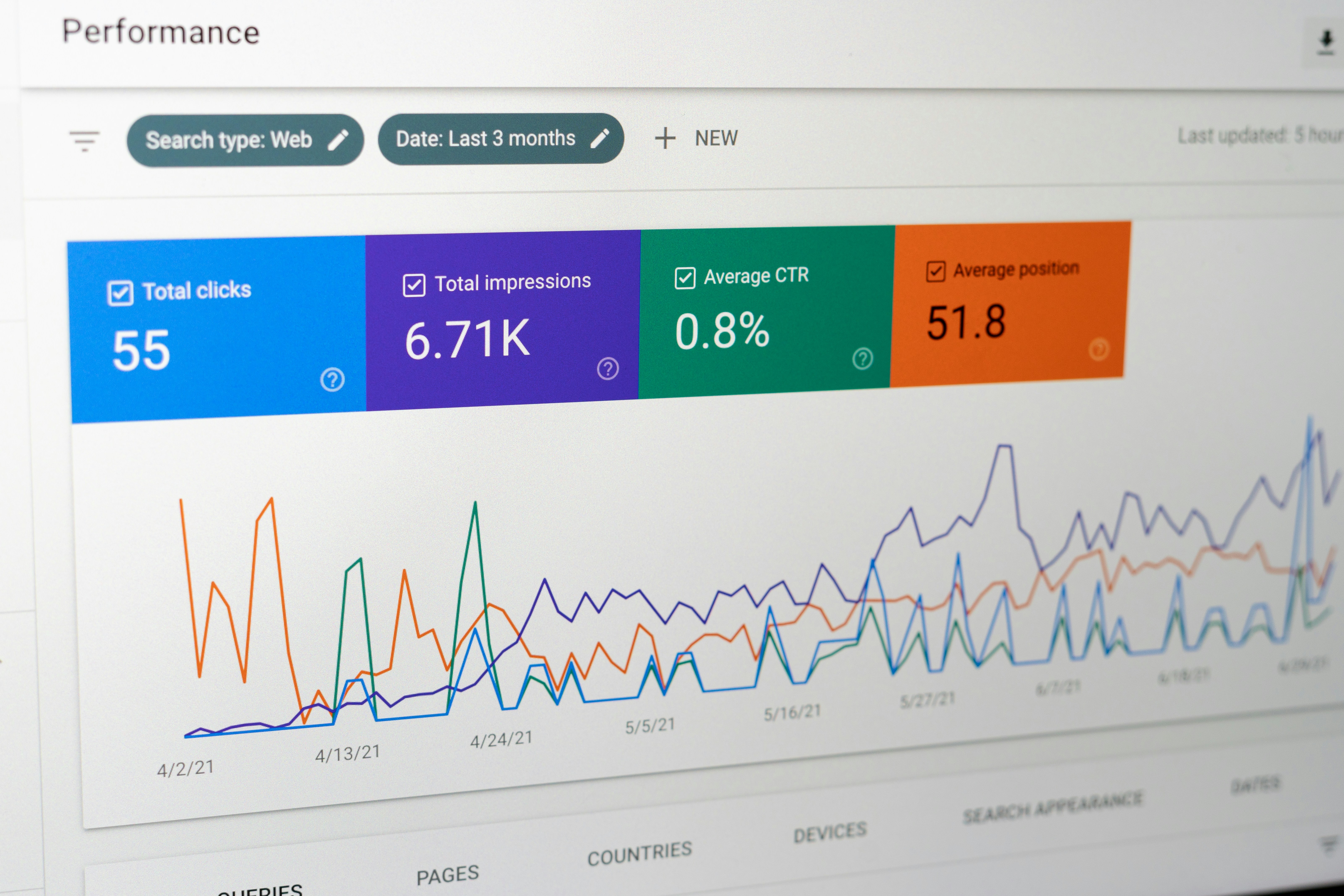
Some of the primary metrics available through YouTube analytics include views, watch time, audience retention, and engagement rate. Views indicate the total instances of a video being watched, while watch time reflects the cumulative minutes viewers spend consuming content. Audience retention, on the other hand, reveals how well a video maintains viewer interest over time, providing insights into which sections are most engaging and which may contribute to drop-off rates.
Engagement rate encompasses likes, comments, shares, and subscribers gained from a particular video. This statistic is especially significant for evaluating how effectively content resonates with viewers and prompts interaction. It is also important to consider demographic metrics, such as age, gender, and location, which offer a deeper understanding of the target audience. Analyzing these statistics enables creators and marketers to tailor their content more effectively, ensuring it aligns with audience preferences.
In summary, YouTube stats are not just numbers; they form the backbone of a successful content strategy. By harnessing these analytics, content creators can make informed decisions that enhance their video performance and foster greater audience engagement, ultimately leading to a more impactful and successful presence on the platform.
Key Metrics Explained
YouTube provides a range of key metrics that are crucial for content creators seeking to analyze their performance on the platform. Understanding these metrics allows creators to gauge audience engagement and improve their content strategy effectively. Among the most significant metrics are views, watch time, likes, comments, shares, and subscribers.
Views signify the number of times a video has been watched. This metric serves as a primary indicator of content popularity and reach. It is essential, however, to consider that high view counts alone do not guarantee quality engagement; instead, they should be analyzed in conjunction with other metrics for comprehensive performance evaluation.
Watch time is the total amount of time viewers spend watching a specific video or a channel’s content. This metric is critical as it reflects not just the volume of views but also the depth of engagement viewers have with the material. YouTube’s algorithm tends to favor videos with higher watch times, promoting them to other users and ultimately driving more traffic.
Likes, comments, and shares are pivotal for understanding audience sentiment. Likes signal approval of the content, while comments provide qualitative insights into viewer reactions, allowing creators to engage with their audience. Shares indicate how often viewers have shared the content across different social media platforms, serving as a measure of content virality and reach beyond YouTube.
Finally, the count of subscribers is a vital metric that reflects the growth of a channel’s audience. Gaining subscribers is both a sign of content quality and viewer loyalty. A steady increase in subscriber numbers often correlates with consistent content output and sustained audience interest. By closely monitoring these key metrics, creators can refine their strategies and effectively enhance overall channel performance.
Navigating YouTube Analytics
YouTube Analytics is an essential tool for content creators aiming to understand their audience and improve their video performance. Accessing this feature is quite simple. Once you log in to your YouTube account, navigate to YouTube Studio by clicking on your profile icon in the top right corner, then select “YouTube Studio” from the menu. On the left-hand sidebar, you will find the “Analytics” option, which opens up a wealth of insights into your channel’s performance.
When you first enter the Analytics section, you will see a dashboard displaying various statistics. The overview tab typically shows real-time stats, where you can monitor how your videos are performing at the moment. This section helps you to gauge immediate audience reactions, allowing for quick adjustments if necessary. It displays metrics such as views, watch time, and subscribers gained over the last 48 hours, providing a snapshot of your channel’s activity.
Further down, the “Traffic Sources” report reveals how viewers find your videos. This segment includes direct searches, suggested videos, and referral traffic from other websites. Understanding where your traffic originates can significantly inform your content strategy, enabling you to focus on successful channels and discover potential growth opportunities.
Demographics are another critical aspect of YouTube Analytics, providing insights into the age, gender, and geographic location of your viewers. This data allows for more targeted content creation, ensuring that videos resonate with your audience. Additionally, engagement metrics such as average view duration and likes/dislikes are essential in assessing overall audience satisfaction and content effectiveness.
Ultimately, mastering YouTube Analytics can transform your approach to content creation. By familiarizing yourself with these crucial sections, you can enhance your video’s reach and tailor your future uploads to better align with viewer preferences and behaviors.
The Importance of Audience Retention
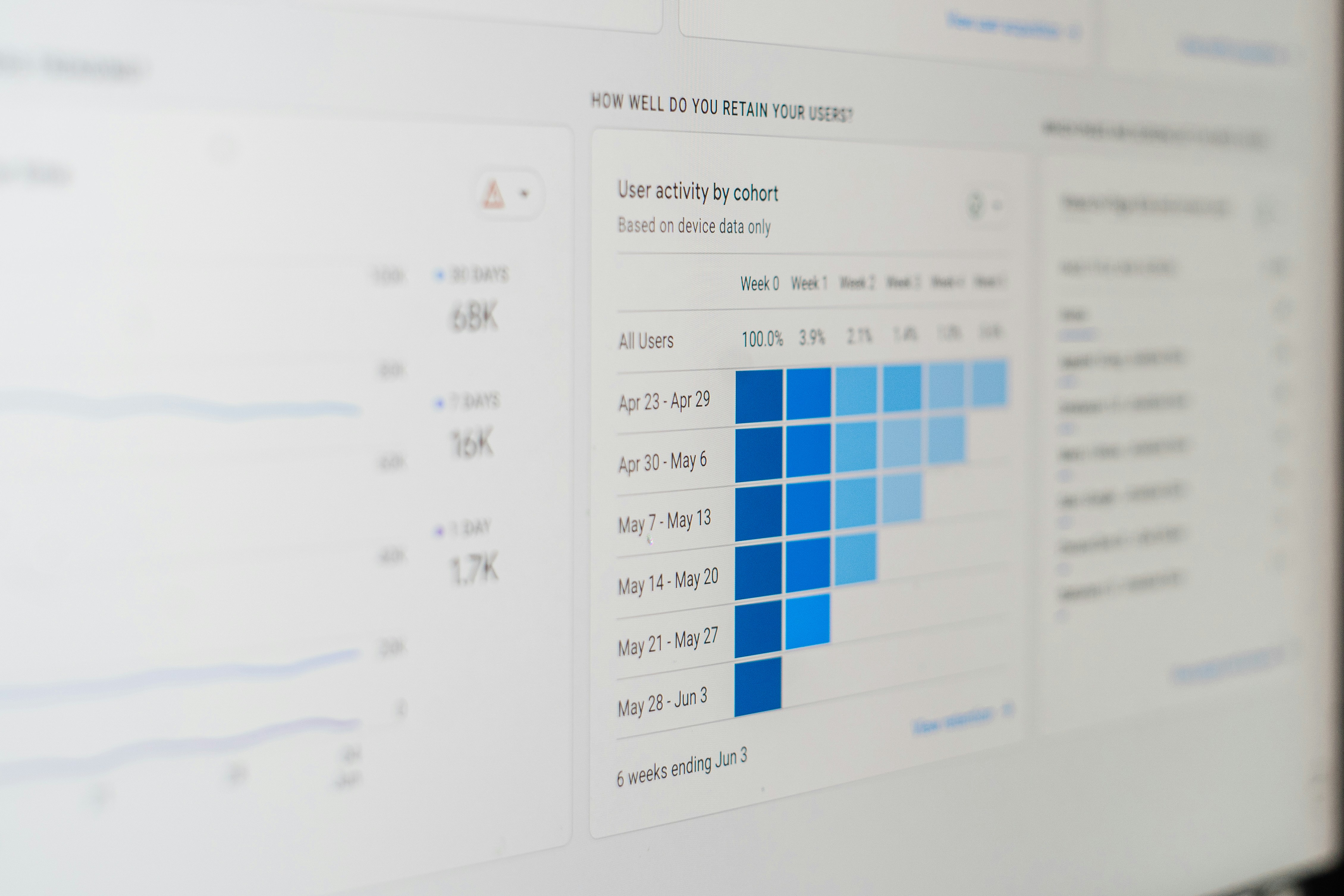
Audience retention is a key performance metric on YouTube that measures the percentage of a video that viewers watch before they click away. This metric is vital because it directly influences how the YouTube algorithm promotes content. Higher audience retention signals to the algorithm that a video is engaging and valuable, resulting in more visibility and potential views. Conversely, low retention can lead to reduced exposure, making it challenging for the content creator to reach their target audience.
Understanding audience retention can provide valuable insights into what captivates viewers. It allows creators to analyze specific points in their videos where viewers tend to lose interest and subsequently leave. This analysis is crucial for refining content strategies, enabling video producers to identify patterns that contribute to higher viewer engagement. For instance, if data indicates a significant drop-off at a particular moment, it may suggest that the pacing of the content needs adjustment or that the information presented requires simplification for better comprehension.
To improve audience retention rates, content optimization is essential. Creators can employ various strategies, such as crafting compelling introductions that hook viewers from the onset, maintaining a clear narrative structure, and incorporating engaging visuals to break up monotony. Viewer engagement plays a critical role, too. Encouraging interaction through calls-to-action, such as comments and likes, can produce a community atmosphere that fosters loyalty. Additionally, leveraging elements like storytelling and cliffhangers can entice viewers to watch until the end, substantially boosting retention rates.
Ultimately, nurturing audience retention is a fundamental aspect of achieving success on YouTube. By focusing on viewer experience and content quality, creators can enhance their channel’s performance and cultivately a loyal audience base.
Interpreting Watch Time and Its Impact
Watch time is a critical metric on YouTube that significantly influences a video’s ranking and visibility on the platform. It measures the total minutes viewers spend watching a video, thereby offering a clear indication of content engagement. Enhanced watch time signals to YouTube’s algorithm that a video is valuable, which can lead to increased discoverability through recommendations and search results. Understanding how this metric is calculated is essential for creators looking to optimize their content strategy.
The total watch time of a video includes all instances of consumption, from the moment a viewer clicks play until they exit. It encapsulates both the duration a viewer actively engages with a video and the number of unique views a video receives. YouTube prioritizes videos that maintain viewer attention, hence why watch time directly correlates with a video’s potential for monetization. Higher watch time not only contributes to ranking but also means more advertising revenue opportunities, showcasing its dual importance for creators aiming for both visibility and financial gain.
To enhance watch time, creators should focus on developing engaging and informative content tailored to their target audience. Structuring videos with compelling introductions, alongside a clear narrative, can help retain viewers for longer. Additionally, incorporating calls to action, such as asking viewers to subscribe or discuss in the comments, encourages interaction, which can positively affect future watch time. Utilizing video analytics tools to assess viewer behavior and preferences allows creators to make informed decisions, ultimately leading to improved content that resonates with audiences.
In conclusion, watch time is not merely a number; it is a vital metric that directly influences a YouTube channel’s success. By understanding its significance and implementing strategies aimed at increasing viewer engagement, creators can foster a thriving online presence while maximizing monetization opportunities.
Comparing Channel Performance
Assessing the performance of YouTube channels can provide crucial insights for content creators and marketers seeking to enhance their strategies. One of the most effective ways to conduct this assessment is through the utilization of YouTube stats. By dissecting key metrics such as views, watch time, subscriber growth, engagement rates, and average view duration, users can benchmark their channel against competitors. These comparisons often reveal not only relative strengths and weaknesses but also opportunities for improvement.
To perform an effective comparative analysis, it is essential to select a set of similar channels or videos. This approach allows for more accurate benchmarking because it aligns statistical outputs against entities that share a target audience or content niche. Once a comparative group is established, focus on metrics such as audience retention and CTR (click-through rate) which can indicate how well content resonates with viewers as compared to others in the same category.
Several tools are available for conducting this type of analysis, including the YouTube Analytics feature, which provides data on traffic sources, demographic information, and viewer behaviors. Third-party platforms, like Social Blade and Vidooly, offer additional insights, such as growth trends and performance analytics. Utilizing these tools can significantly aid in identifying successful content strategies prevalent among top-performing channels.
Moreover, consistent monitoring of competitive channels will allow content creators to discern patterns and shifts in viewer preferences. As a result, it becomes possible to pivot content strategies promptly to cater to emerging trends. Analyzing the style of presentation, content length, and posting frequency of successful competitors can inform decision-making and foster growth.
In conclusion, effectively leveraging YouTube stats to compare channel performances encourages a data-driven approach toward content creation, ultimately leading to refined strategies and improved audience engagement.
Utilizing Third-Party Tools for Deeper Insights
In the realm of YouTube analytics, leveraging third-party tools can significantly enhance the depth and breadth of insights available to content creators and marketers. One of the most effective tools to consider is Looker Studio, a powerful data visualization and reporting tool that allows users to create custom dashboards and reports. Integrating Looker Studio with YouTube Analytics offers unique advantages for analyzing video performance beyond what YouTube’s standard analytics interface provides.
To get started with Looker Studio, one must first link their YouTube channel to the platform. This involves authenticating your YouTube account and granting Looker Studio permission to access your data. Once connected, you can pull various metrics such as views, watch time, audience engagement, and demographic data into your custom reports. The flexibility of Looker Studio enables you to visualize trends over time, compare performance across different videos, and identify content that resonates most with your audience.
In addition to Looker Studio, several other third-party tools can augment your YouTube Analytics experience. Tools such as Tubular Labs and Social Blade provide comprehensive social media analytics, allowing you to benchmark your performance against competitors and track key performance indicators (KPIs) for your niche. These platforms offer benchmarking tools that highlight where your content stands relative to others in the same category, thus enabling you to strategize effectively based on competitor performance.
Moreover, platforms like Vidooly and Hootsuite Insights can analyze audience behavior and engagement levels, making it easier to refine content strategies and optimize future video releases. By utilizing these third-party tools in conjunction with YouTube Analytics, content creators can develop a more holistic view of their channel’s performance and enhance decision-making processes.
Implementing Data-Driven Decisions
In the ever-evolving landscape of digital content creation, leveraging YouTube stats is essential for enhancing audience engagement and optimizing performance. By analyzing these statistics, creators can make informed, data-driven decisions that guide their future content strategies. Effective utilization of YouTube analytics not only illuminates current trends but also unveils insights into viewer behavior, enabling video creators to tailor their approach based on empirical evidence.
The first step in this process involves establishing clear, measurable goals. These can range from increasing the average watch time per video to boosting subscriber numbers or improving engagement rates through likes and comments. Once specific objectives are defined, content creators should regularly consult their YouTube analytics dashboard to monitor progress. This dashboard provides critical metrics, including views, audience retention rates, and demographic data, all of which play a pivotal role in evaluating content effectiveness.
Adjusting content strategies based on these insights is vital for aligning future videos with audience preferences. For instance, if data indicates that a particular style or topic garners substantially higher views or interaction, creators should consider incorporating more of that style in subsequent content. Additionally, understanding the demographic breakdown of the audience can inform decisions regarding tone, visual elements, and subject matter, ensuring that the content resonates well with viewers.
Furthermore, successfully implementing a data-driven approach involves continuous learning and adaptation. Engaging with audience feedback and cross-referencing it with analytic insights can create a feedback loop that enhances future content decisions. By consistently utilizing YouTube stats to inform their strategies, creators can not only enhance their impact on the platform but also build a loyal, engaged audience that responds favorably to content tailored to their evolving interests and needs.
Conclusion: The Future of YouTube and Stats
As the digital landscape continues to evolve, so does the significance of YouTube as a platform for content creators and marketers alike. YouTube has transformed from merely a video-sharing site into a crucial tool for brand visibility, audience engagement, and communication. In this ever-changing environment, understanding and effectively utilizing YouTube statistics becomes indispensable for success. The platform’s analytics provide a wealth of information that can guide decision-making, enhance content strategies, and optimize viewer interactions.
In the coming years, it is expected that YouTube’s analytics will grow more sophisticated. This evolution will likely include deeper insights into viewer behavior, further segmentation of audience demographics, and advanced predictive analytics. Content creators must therefore remain proactive in monitoring their stats and adapting their approach accordingly. By keeping abreast of trends and algorithm changes, creators can better position themselves to leverage the platform’s features fully.
The importance of embracing data in digital content strategy will only increase. Understanding how to analyze metrics such as watch time, engagement rates, and audience retention will empower creators to tailor their content to meet viewer preferences effectively. Additionally, with the integration of machine learning and artificial intelligence, insights can become even more refined, allowing for data-driven decisions that enhance growth potential.
In summary, as YouTube continues to evolve, the relevance of its analytics cannot be overstated. By diligently tracking and interpreting their statistics, content creators and marketers will be equipped to navigate challenges, drive engagement, and realize sustainable growth. Staying informed about the latest trends and updates will ultimately be a key factor in achieving long-term success on the platform.