What is YouTube Analytics?
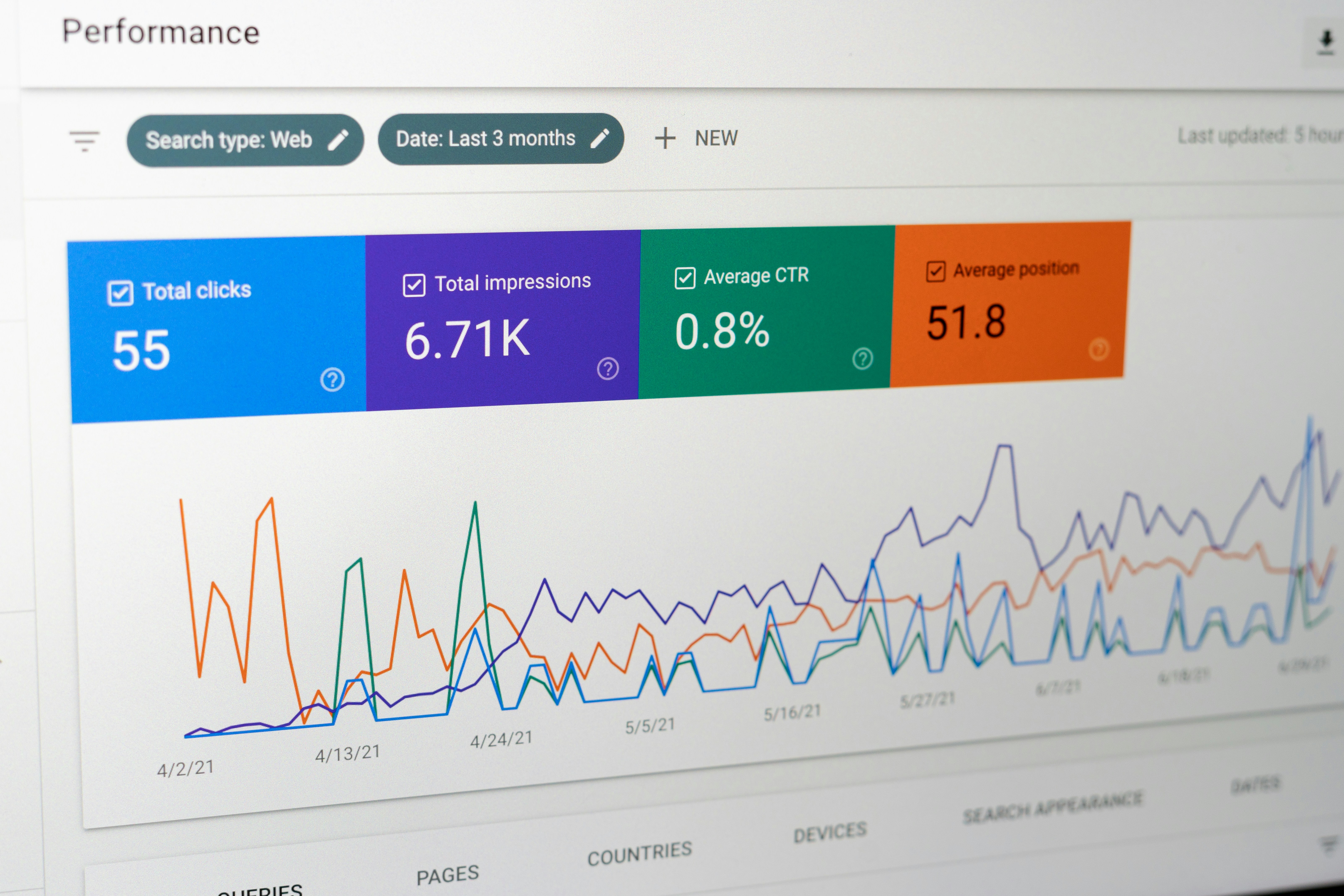
YouTube Analytics is a vital tool designed for content creators on the platform, enabling them to gain deep insights into their channel’s performance. This robust analytics suite allows users to track a variety of metrics that reflect both audience engagement and overall video success. By leveraging YouTube Analytics, creators can measure the effectiveness of their content, optimize future videos, and ultimately enhance their channel’s growth.
The primary purpose of YouTube Analytics is to provide detailed statistical data that assists creators in understanding viewer behavior. Users can monitor metrics such as watch time, views, audience retention, and click-through rates, which are essential for evaluating how well videos resonate with the target audience. Additionally, the tool offers demographic data, allowing creators to identify who their viewers are, including age, gender, and location. This information is invaluable for tailoring future content to better meet audience expectations.
Beyond basic metrics, YouTube Analytics also allows creators to investigate traffic sources, showing how viewers find their videos—whether through search results, suggested videos, or external websites. Such insights are crucial for refining marketing strategies and improving search engine optimization (SEO) practices. Furthermore, by analyzing trends, creators can determine which videos perform best in terms of engagement and retention, guiding content planning and scheduling. In essence, YouTube Analytics serves as a roadmap for creators, illuminating the path to channel growth and audience connection.
In conclusion, understanding YouTube Analytics is fundamental for any creator seeking to elevate their presence on the platform. By taking advantage of the wide array of metrics and data available, creators can not only track their performance but also make informed decisions that foster increased viewer engagement and channel success.
Accessing YouTube Analytics
To effectively utilize YouTube Analytics, users must first access the feature through their YouTube Studio. This powerful tool offers invaluable insights into channel performance, viewer behavior, and engagement metrics, making it essential for content creators serious about growing their audience.
To begin, log in to your YouTube account. Once logged in, click on your profile icon located in the top right corner of the screen. From the dropdown menu, select “YouTube Studio.” This interface forms the backbone of your YouTube management experience, providing access to various tools and features, including analytics.
After navigating to YouTube Studio, locate the menu on the left-hand side of the screen. Here, you will find the “Analytics” option. Click on it to enter the YouTube Analytics dashboard. If you’re using a mobile device, the process is similar; however, the layout may differ. You can access the YouTube Studio app and navigate to “Analytics” using the toolbar at the bottom.
Please note that to access YouTube Analytics, you must have an active channel and some form of content uploaded, as analytics data is dependent on viewer interactions. If your channel is new and lacks videos, it may take some time before the analytics become available. Once you regularly upload content, YouTube will begin to aggregate data, allowing you to monitor performance metrics such as watch time, audience demographics, and traffic sources.
By understanding the requirements and navigating the YouTube Studio interface correctly, creators can leverage YouTube Analytics to its full potential, facilitating data-driven decisions that can enhance their content strategy and audience engagement.
Key Metrics to Track
YouTube Analytics offers a wealth of data that can significantly elevate your content strategy. The key metrics you should closely monitor include views, watch time, subscribers gained, and audience demographics. Each of these metrics holds unique importance and provides insights that can drive the direction of your channel.
Firstly, views are the most basic indicator of your video’s popularity; they showcase how many times your content has been viewed. However, while a high view count is encouraging, it should not be the sole focus. This is where watch time comes into play. Watch time measures the total minutes claimed by viewers across your content. A high watch time suggests that your audience finds your videos engaging, which is crucial for YouTube’s algorithm, potentially leading to better visibility in search results and recommendations.
Next, tracking subscribers gained is essential to understanding your channel’s growth trajectory. A steady increase in subscribers indicates that viewers appreciate your content enough to want to see more in the future. It reflects a positive engagement level and can also impact your credibility within your niche.
Lastly, audience demographics provide invaluable insights into who your viewers are, including age, gender, and geographic location. This information allows you to tailor your content to better meet the interests and needs of your audience. By understanding the demographics, you can refine your messaging, making it more relevant, thereby enhancing engagement and retention rates.
In summary, by focusing on these key metrics, you will be better equipped to adjust your content strategy. Analyzing views, watch time, subscribers gained, and audience demographics can yield a clearer understanding of your audience and enable more effective engagement, ultimately contributing to the long-term success of your YouTube channel.
Understanding Audience Demographics
Understanding your audience demographics is crucial for content creators seeking to optimize their performance on YouTube. YouTube Analytics provides valuable insights into the age, gender, and geographic location of viewers who engage with your videos. This demographic information can significantly influence the direction of your content strategy, enabling you to create videos that resonate with your audience.
Age is one of the primary demographic factors examined in YouTube Analytics. By analyzing the age distribution of your audience, you can tailor your content to suit the preferences and interests of specific age groups. For instance, younger viewers may be attracted to trending topics, while older audiences might prefer more informative or nostalgic content. By catering your videos to the age demographics of your audience, you can enhance engagement and retention rates.
Gender is another vital demographic characteristic to examine. YouTube Analytics allows content creators to understand the ratio of male to female viewers. Recognizing gender trends can help you adjust your content to appeal more effectively to your core audience. For example, if a particular video segment attracts more female viewers, you may consider producing similar content or exploring topics that resonate with that demographic, thus improving your overall engagement.
Geographic location is a fundamental aspect of understanding audience demographics as it provides insights into where your viewers are located. This information can guide the generation of localized content that acknowledges cultural differences or regional interests. By engaging with viewers from specific locations, you can build a community and foster stronger connections through your videos.
Overall, a comprehensive understanding of audience demographics is imperative. It informs content creation decisions, enhances engagement, and can lead to a more tailored viewer experience on your channel. By effectively using the demographic insights provided by YouTube Analytics, creators can optimize their strategies and achieve greater success on the platform.
Analyzing Traffic Sources
YouTube Analytics provides valuable insights into where your viewers are coming from, making it an essential tool for content creators and marketers. Understanding the various traffic sources is crucial as it influences marketing strategies and optimizes content distribution. The primary sources of traffic are categorized into four main types: direct, search, suggested, and external.
Direct traffic refers to viewers who arrive directly at a video by entering the URL or clicking on a bookmark. This traffic source is an indicator of how well your brand or channel resonates with existing subscribers. A solid base of direct traffic can signify strong viewer loyalty and suggests that you are effectively engaging your audience. To increase direct traffic, creators can encourage their viewers to subscribe and promote their videos via newsletters and social media profiles.
Search traffic is another vital component of YouTube Analytics. This type of traffic comes from users searching for specific keywords or phrases related to your content. Optimizing video titles, descriptions, and tags with relevant terms can significantly enhance visibility in search results, allowing for increased viewership. Knowing which keywords lead viewers to your content can inform future video topics or series.
Suggested traffic is generated when YouTube recommends your videos to viewers based on their viewing habits. This source highlights the importance of creating engaging and relevant content to improve watch time and viewer retention, factors that influence algorithmic suggestions. By analyzing which videos frequently lead to suggested traffic, creators can tailor their content strategy to optimize performance further.
External traffic sources include links from social media platforms, blogs, or websites. Tracking this data helps determine which external platforms drive the most visitors to your videos. Enhancing your presence on these platforms can boost engagement and expand your audience base. Understanding traffic sources provides a clearer picture of viewing behavior, enabling informed decisions regarding content development and promotional efforts.
Engagement Metrics: Likes, Comments, and Shares
Engagement metrics play a pivotal role in evaluating the effectiveness of content on YouTube. Among these metrics, likes, comments, and shares provide invaluable insights into viewer engagement and satisfaction. These interactions serve as indicators of how well content resonates with the audience, effectively reflecting its relevance and appeal.
Likes are often the most straightforward metric to assess. A higher number of likes typically signifies that viewers appreciate the video, which could enhance its visibility on the platform. This engagement not only indicates viewer satisfaction but also positively influences the video’s ranking in YouTube’s algorithm. Videos that garner numerous likes are more likely to be recommended to potential viewers, further increasing their reach.
Comments, on the other hand, offer deeper insights into audience perceptions and expectations. Through comments, viewers can express their opinions, ask questions, or provide feedback. This interactive nature fosters a sense of community and can help creators understand what elements of their content resonate with the audience. Analyzing the themes and sentiments in the comments can guide content creators in refining their future videos, making them more tailored to viewer preferences.
Shares amplify the importance of viewer engagement by moving content beyond the platform itself. When viewers share videos across social media or other platforms, they signal that the content is worth sharing, further validating its quality. Shares help in enhancing brand visibility and driving new audiences to the channel, thereby opening up opportunities for growth.
Moreover, click-through rates (CTR) indicate how effectively a video entices viewers to watch. A high CTR, particularly from thumbnails and titles, suggests that the content’s appeal is strong enough to encourage viewers to click. By carefully monitoring these metrics, creators can gain a comprehensive understanding of audience interactions and preferences, ultimately enhancing their content strategies.
Using YouTube Analytics for Content Strategy
Utilizing YouTube Analytics effectively is essential for any content creator looking to enhance their video performance and build a sustainable audience. The insights garnered from this powerful tool can significantly influence your content strategy, ensuring that each video aligns with viewer preferences and trends. To begin, content planning should focus on analyzing audience data, such as demographics, geography, and viewing patterns. Understanding who your viewers are enables you to tailor your content to better meet their interests and needs.
Moreover, pay keen attention to metrics like watch time and retention rates. These indicators provide insight into what content resonates most with your audience. For instance, if a particular video maintains high retention, it signals that you are effectively engaging your viewers. Conversely, a dramatic drop in engagement at a specific point in your video can highlight areas that require improvement. Using this feedback, you can optimize future videos by altering pacing, enhancing storytelling techniques, or integrating more interactive elements.
Experimentation with different video formats is another strategic approach to leveraging YouTube Analytics. Consider diversifying your content by trying out tutorials, Q&A sessions, live streams, or vlogs. By tracking how these various formats perform in terms of viewer engagement and retention, you can identify the most effective type of content for your channel. Don’t hesitate to utilize A/B testing to refine your thumbnails, titles, and descriptions, as these elements can greatly impact click-through rates.
In conclusion, by consistently applying insights from YouTube Analytics, creators can strategically refine their content approach and continue to evolve in alignment with audience expectations. Balancing analytics with creativity will ultimately lead to a more impactful YouTube presence.
Setting Goals and Metrics for Success
Setting clear and realistic goals is a crucial step in leveraging YouTube analytics effectively. Without well-defined objectives, content creators risk becoming disorganized in their video production efforts and may struggle to determine whether their strategies are yielding desired results. Goals should be specific, measurable, achievable, relevant, and time-bound (SMART) to facilitate detailed tracking and assessment.
Begin by identifying what you aim to accomplish through your YouTube channel. Common goals may include increasing subscriber counts, enhancing audience engagement, or driving traffic to a website. Once these overarching objectives are established, the next step is to define key performance indicators (KPIs) related to these goals. KPIs are quantifiable measures that can help you assess your progress and overall success in achieving your objectives. For instance, if your goal is to increase engagement, track metrics such as watch time, likes, comments, and shares.
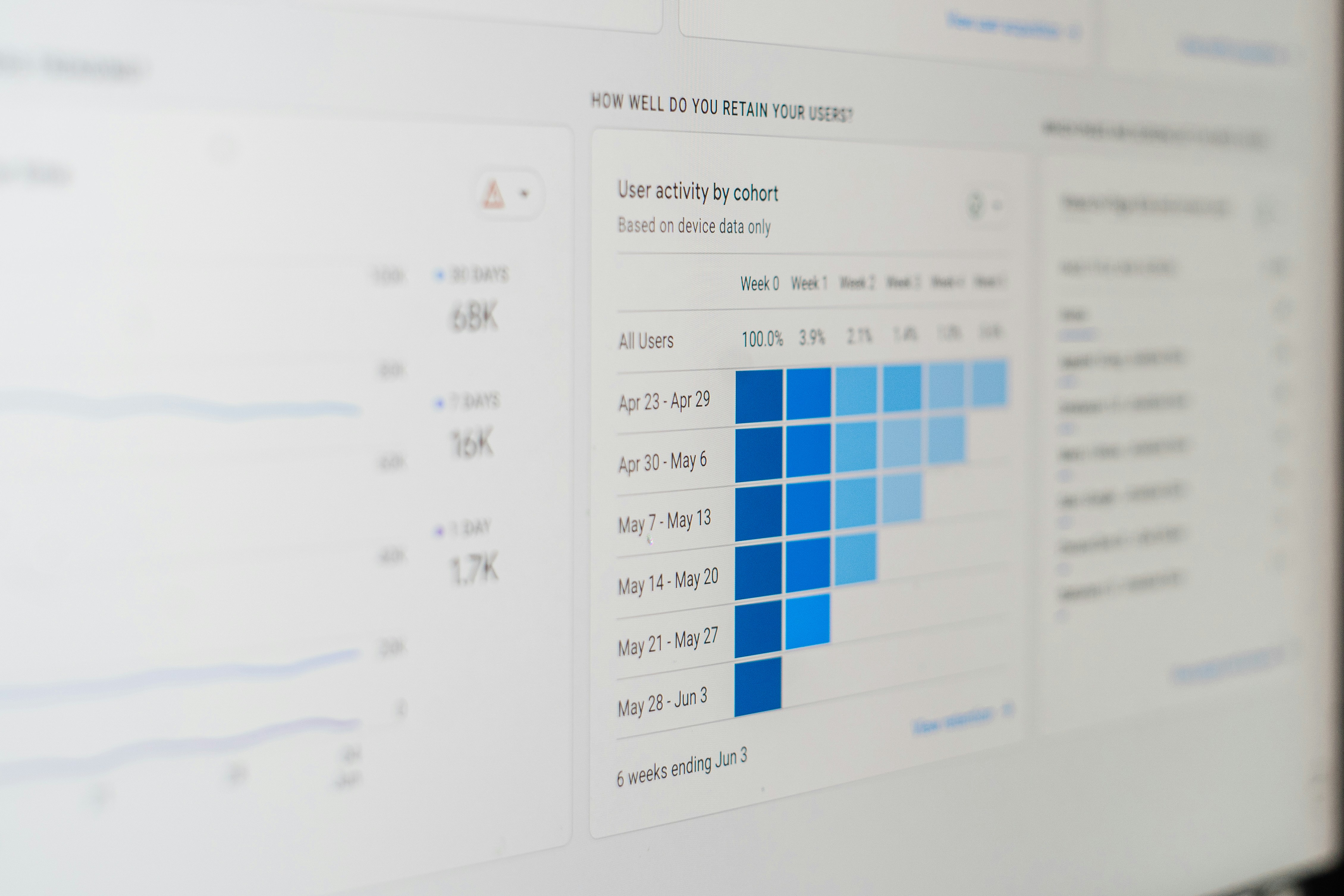
Additionally, it is vital to monitor audience retention rates to understand how well your videos are resonating with viewers. Analyzing these metrics over time will provide valuable insights into what content performs well and what may require improvement. This iterative approach to setting goals and evaluating performance means that strategies can be adjusted based on data, fostering growth and improvement.
Regularly reviewing analytics data allows you to celebrate successes and identify areas needing attention. Consider establishing a timeline for your reviews—weekly, monthly, or quarterly—to maintain accountability and adapt strategies swiftly. By focusing on both qualitative and quantitative metrics, you position your YouTube channel for sustainable growth, ensuring that every video aligns with your broader content strategy and goals.
Conclusion and Next Steps
In summation, YouTube Analytics serves as a pivotal instrument for content creators seeking to enhance their channel’s performance and viewer engagement. By delving into metrics such as watch time, audience demographics, and traffic sources, users can tailor their strategies to better meet the preferences and expectations of their audience. This data-driven approach is essential for not only improving content quality but also for maximizing overall reach and impact on the platform.
Furthermore, understanding how to interpret the various aspects of YouTube Analytics empowers creators to make informed decisions. For instance, identifying which videos resonate most with viewers can guide future content creation, while analyzing audience retention rates can help refine video lengths and formats. Each viewer’s behavior offers critical insights that can enhance user experience and engagement.
For those eager to master YouTube Analytics further, numerous resources are available to deepen your knowledge. Online courses focusing on digital marketing analytics, along with websites offering comprehensive articles on the subject, can provide valuable insights and strategies. Participating in forums or communities centered on YouTube growth can foster collaboration and knowledge sharing among creators facing similar challenges.
Additionally, consulting professionals who specialize in advanced analytics and reporting can profoundly benefit those looking to implement more sophisticated strategies or who may require personalized guidance. Understanding and utilizing YouTube Analytics proficiently can significantly elevate a creator’s brand presence, allowing them to stand out in a competitive digital landscape.
Therefore, take the initiative to explore YouTube Analytics—dive into your channel’s data, apply the insights gained, and embark on your journey toward achieving greater success on the platform.