Introduction to Looker Studio and SEO
In the realm of digital marketing, the importance of data cannot be overstated, particularly when it comes to search engine optimization (SEO). Looker Studio emerges as a powerful data visualization tool designed to streamline the complexities often associated with managing SEO campaigns. By transforming raw data into clear and actionable insights, Looker Studio empowers marketers to make informed decisions that can significantly enhance their online presence.
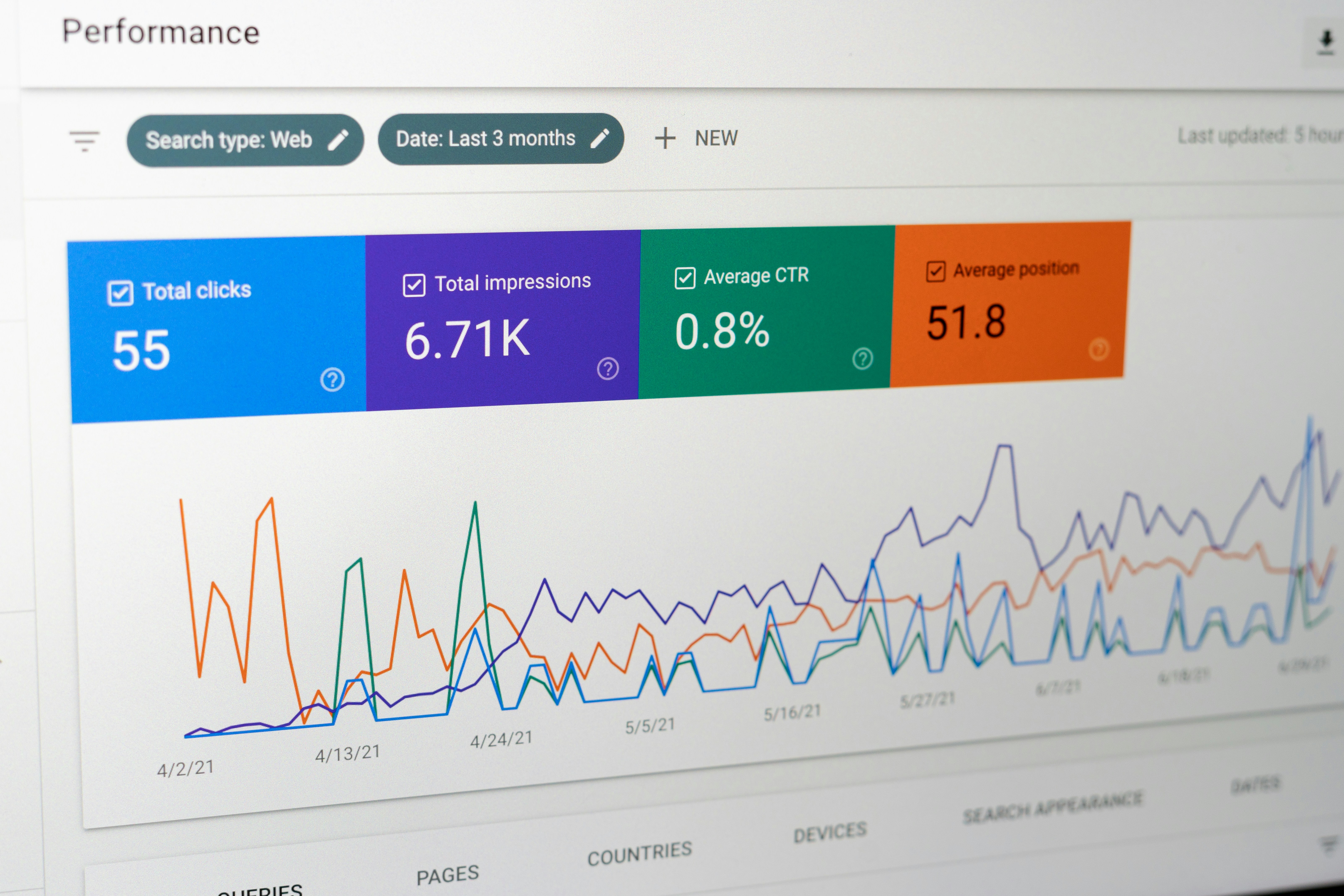
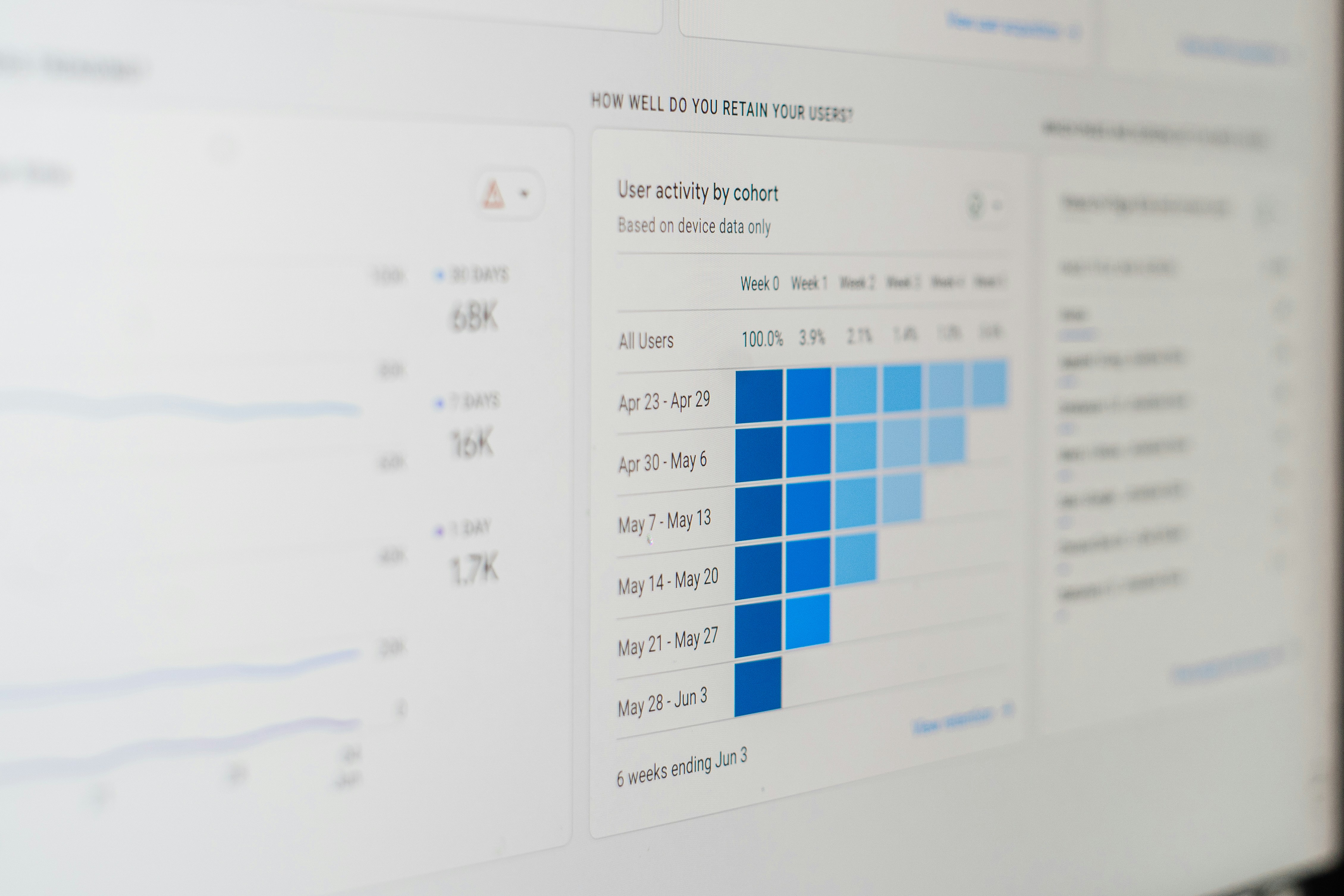
The essence of Looker Studio lies in its ability to aggregate data from various sources and present it in user-friendly dashboards. This functionality is particularly beneficial for SEO practitioners who must navigate through vast amounts of data, such as website traffic metrics, keyword rankings, and backlink performance. The challenge lies not only in collecting this data but also in interpreting it effectively to drive SEO strategies. Looker Studio simplifies this process by enabling users to visualize trends and patterns, ultimately facilitating better understanding and execution of marketing efforts.
Moreover, the importance of data tracking and visualization in SEO cannot be overlooked. Effective SEO management relies on constant monitoring of performance metrics to adapt strategies promptly. Looker Studio provides the capability to track essential KPIs in real time, allowing marketers to pinpoint successful tactics and identify areas needing improvement. This approach ensures that resources are allocated efficiently, maximizing return on investment and boosting overall campaign efficacy.
As businesses continue to compete for visibility in a crowded digital landscape, leveraging tools like Looker Studio for SEO becomes increasingly crucial. By harnessing the power of data visualization, SEO professionals can turn insights into actions, leading to improved rankings, increased traffic, and ultimately, greater success in their digital marketing initiatives.
Understanding SEO Campaigns and Their Importance
Search Engine Optimization (SEO) campaigns are structured efforts aimed at improving a website’s visibility in search engine results pages (SERPs). An effective SEO campaign is multifaceted, involving several key components like keyword research, content optimization, link building, and performance tracking. Each of these elements plays a crucial role in enhancing a website’s search engine performance, ultimately driving more qualified traffic.
Keyword research forms the foundation of an SEO campaign. It involves identifying the terms and phrases that potential customers are using to search for relevant products or services. By understanding these keywords, businesses can tailor their content to better align with user intent, ensuring that they create material that resonates with their target audience. This insight not only helps guide content creation but also informs other aspects of the SEO strategy.
Content optimization goes hand-in-hand with keyword research. This aspect focuses on enhancing existing website content or creating new content that incorporates identified keywords while providing value to users. High-quality, optimized content is essential for engaging visitors, which can lead to increased dwell time, lower bounce rates, and more conversions. Furthermore, strategically placed keywords improve a site’s relevance in the eyes of search engines, increasing its chances of ranking higher in SERPs.
Link building, another critical component, involves acquiring hyperlinks from other websites to improve the authority and trustworthiness of the site in question. Quality backlinks are influential for search engines, as they signal that other credible sources endorse the content. The interconnection of keyword research, content optimization, and link building creates a robust SEO campaign capable of enhancing search engine visibility.
Finally, performance tracking is vital to measure the success of an SEO campaign. Utilizing tools and analytics helps in analyzing the effectiveness of the implemented strategies, allowing for adjustments and improvements where necessary. A well-coordinated approach to these elements can significantly impact a website’s traffic, further magnifying the importance of a systematic SEO strategy.
Key Features of Looker Studio
Looker Studio stands out as a powerful tool for SEO campaign dashboards thanks to its array of robust features. One of its key attributes is real-time data reporting, which allows users to monitor essential SEO metrics as they happen. This immediacy enables marketers to respond swiftly to changes in ranking, traffic fluctuations, or search engine algorithm updates, ensuring that their strategies remain agile and effective. Real-time reporting provides insights that are pivotal in making data-driven decisions, thereby enhancing overall campaign performance.
Another significant feature is customizable dashboards. Looker Studio empowers users to tailor their dashboards to meet specific SEO needs. Marketers can select relevant metrics such as organic traffic, bounce rates, and conversions, and arrange them in a layout that facilitates quick analysis. This level of customization ensures that stakeholders can easily access the data that matters most, streamlining their focus towards achieving SEO goals.
Data integration is also a major benefit of Looker Studio. The platform allows users to consolidate data from various sources, including Google Analytics, Search Console, and even social media platforms. This comprehensive data approach provides a holistic view of SEO performance, enabling marketers to correlate metrics across different channels. The ability to integrate diverse datasets enhances the depth of insights available, making it easier to identify trends and optimize strategies effectively.
Finally, the user-friendly interface of Looker Studio makes it accessible for both seasoned professionals and newcomers to SEO. The intuitive design minimizes the learning curve, allowing users to efficiently navigate through their dashboards and reports. The combination of these features positions Looker Studio as an essential tool for SEO performance monitoring, facilitating a well-organized and systematic approach to optimizing campaigns.
Setting Up Your Looker Studio Dashboard for SEO
To effectively monitor and optimize your SEO campaigns, establishing a dedicated dashboard in Looker Studio is essential. This process begins with selecting the appropriate data sources that will feed into your dashboard. Integrating various analytics platforms such as Google Analytics, Google Search Console, or any other relevant SEO tools is crucial. By doing so, you ensure that you capture a comprehensive view of your SEO performance, encompassing key metrics like organic search traffic, keyword rankings, and user engagement.
Once your data sources are established, the next step is to design the layout of your dashboard. A well-structured dashboard should prioritize clarity and usability. Consider organizing it into sections based on different facets of SEO performance. For instance, you might create separate areas showing keyword performance, traffic analytics, and backlink metrics. Utilizing charts, graphs, and tables can provide visual representations that simplify data interpretation. Furthermore, maintaining a consistent color scheme and font usage will enhance user experience and readability.
The inclusion of essential metrics and KPIs is vital for tracking the effectiveness of your SEO strategies. Key Performance Indicators such as Click-Through Rate (CTR), bounce rate, and average session duration can provide insights into user behavior and engagement. Additionally, keep a close eye on metrics like impressions, rankings, and conversion rates, as they are instrumental in assessing the overall impact of your SEO efforts. As you customize your dashboard, remember to incorporate filters and comparison features that allow for an easy analysis of trends over time.
With the foundation set for your Looker Studio dashboard, you’re equipped to delve deeper into the data and make informed decisions to enhance your SEO campaigns.
Integrating Data Sources into Looker Studio
Integrating various data sources into Looker Studio is a critical step in creating effective SEO campaign dashboards. The process begins by linking essential tools such as Google Analytics and Google Search Console, among others, to Looker Studio. These integrations allow for a comprehensive view of SEO metrics, delivering insights that can significantly influence decision-making processes.
To begin, users must navigate to the Looker Studio interface and select the option to create a new data source. From there, multiple connectors enable easy access to Google Analytics and Google Search Console. By authorizing Looker Studio to retrieve data from these accounts, users can seamlessly aggregate vital statistics such as organic traffic, bounce rates, and keyword performance.
Furthermore, it is crucial to customize and filter the data to reflect specific SEO goals effectively. Users can apply filters to display only the most relevant information, such as excluding certain traffic channels or focusing on a specific date range. This flexibility ensures that the dashboard serves the precise needs of the SEO team, facilitating a more in-depth analysis of performance.
The importance of a unified view of SEO metrics cannot be overstated. By integrating diverse data sources, such as other SEO tools that track backlinks or social media indicators, teams can gather multifaceted perspectives on their online presence. This comprehensive approach enables a thorough understanding of how various factors contribute to overall SEO success, allowing for data-driven strategies that can drive improved results.
In leveraging Looker Studio’s capabilities, businesses can transform raw data into meaningful insights, thus enhancing their SEO campaigns through systematic data integration. This meticulous process empowers users to optimize their performance metrics and solidify their digital marketing strategies effectively.
Key Metrics to Track in Your SEO Dashboard
When developing an effective SEO dashboard, it is imperative to identify and track key metrics that contribute significantly to the evaluation of your campaign’s performance. Among the essential metrics to consider are organic traffic, bounce rate, conversion rate, keyword rankings, and backlinks. Each of these metrics plays a critical role in shaping your SEO strategies and maximizing your online visibility.
Organic traffic refers to the visitors who reach your website through unpaid search results. Tracking this metric is fundamental, as it directly reflects the effectiveness of your SEO efforts. An increase in organic traffic generally indicates better optimization of your content for relevant keywords, showcasing your site’s authority in its niche.
Bounce rate is another vital metric that indicates the percentage of visitors who leave your site after viewing only one page. A high bounce rate might suggest that your content is not engaging enough or that visitors are not finding what they anticipated. Understanding this helps in refining content strategies to enhance user experience.
Conversion rate, which measures the percentage of visitors who take a desired action on your site, such as making a purchase or signing up for a newsletter, is integral to evaluating the effectiveness of your SEO campaign. High conversion rates indicate that your traffic is not only increasing but also actionable and relevant.
Keyword rankings are critical as they provide insight into your site’s position for specific search terms. Monitoring these rankings helps you identify which keywords drive traffic and which require additional optimization tactics. Furthermore, tracking backlinks is essential as they influence search engine rankings; a steady increase in high-quality backlinks can indicate growing authority and trustworthiness of your site.
By effectively analyzing these key metrics, SEO professionals can adapt their strategies, improve engagement, and ultimately drive success in their campaigns.
Analyzing Data and Making Informed Decisions
In the realm of SEO, leveraging data analysis is crucial for enhancing campaign performance. Looker Studio, with its comprehensive dashboard capabilities, offers a robust platform for interpreting critical data related to SEO efforts. Users must familiarize themselves with the various metrics and dimensions available at their disposal to extract meaningful insights effectively. Key performance indicators (KPIs) such as organic traffic, bounce rates, and average session duration are essential to gauge the effectiveness of ongoing SEO campaigns.
One of the first steps in analyzing data through Looker Studio is identifying trends over time. By examining historical data, users can determine whether certain keywords are gaining traction or if the performance of specific landing pages is declining. This trend analysis allows marketers to adapt their strategies proactively. For instance, if an upward trend is observed for a specific keyword, it may indicate the need for further optimization in content or backlink strategies to capitalize on this growth.
In addition to identifying trends, Looker Studio enables users to spot anomalies in their data. These could manifest as sudden increases in traffic or unexpected dips in conversion rates. By investigating these anomalies closely, marketers can uncover potential issues or opportunities. For example, a spike in traffic could be linked to a recent content update or external links, while a drop might necessitate a deeper look into technical SEO issues or changing user behavior.
Ultimately, making informed decisions relies heavily on continuous data analysis. By utilizing the insights gained from Looker Studio dashboards, SEO professionals can develop data-driven strategies that not only enhance site performance but also align with the ever-evolving landscape of search engine algorithms. Emphasizing an evidence-based approach to optimization will significantly improve the efficiency and effectiveness of SEO campaigns.
Common Challenges and How to Overcome Them
Managing an SEO dashboard in Looker Studio can be an invaluable asset for organizations aiming to enhance their search engine optimization efforts. However, users often encounter several common challenges that can hinder the effective utilization of the tool. One significant issue is the presence of data discrepancies. These discrepancies may arise when data is aggregated from multiple sources, resulting in inconsistent information. To mitigate this, it is crucial to regularly audit the data sources and verify that all connected databases are accurately pulling data. Establishing a structured data validation process can help ensure integrity across all metrics being monitored.
Another challenge is the tendency to focus on the wrong metrics. Users sometimes prioritize vanity metrics, such as page views, rather than actionable KPIs that directly impact SEO performance, including organic traffic growth, bounce rate, and conversion rates. To overcome this, it is essential to define clear goals at the outset of the SEO campaign. Regularly reviewing these goals to ensure alignment with business objectives can help maintain focus on relevant metrics. Additionally, leveraging Looker Studio’s data visualization capabilities can clarify which metrics have the most significant influence on overall performance.
Lastly, ensuring ongoing data relevance is a persistent hurdle. Changes in algorithms, market trends, or business focuses can render existing metrics less significant. To address this, users should implement a regular review schedule for their dashboards. This process will help identify which metrics require adjustment and which new data points should be integrated. Utilizing Looker Studio’s customizable features allows for the adaptation of dashboards to meet evolving business and SEO needs. By proactively addressing these challenges, users can harness the full potential of Looker Studio in their SEO campaigns.
Case Studies: Successful SEO Campaigns Using Looker Studio
Looker Studio has emerged as a powerful tool for businesses looking to enhance their SEO efforts through effective data visualization and analysis. This section highlights three case studies demonstrating the substantial benefits derived from utilizing Looker Studio in SEO campaigns, showcasing their objectives, strategies, and outcomes.
One exemplary case is a leading e-commerce platform aiming to boost organic traffic. The brand’s objective was to enhance its SEO strategy by identifying high-performing keywords and optimizing content accordingly. By incorporating Looker Studio, the team created interactive dashboards that provided real-time insights into keyword performance, page views, and bounce rates. The impact was notable, with a reported 35% increase in organic traffic over six months, evidencing the importance of data-driven decisions in SEO strategies.
Another organization that reaped the benefits of Looker Studio is a regional service provider focusing on local SEO enhancements. Their strategy centered around improving visibility within their service area. By leveraging Looker Studio’s advanced analytics capabilities, they generated comprehensive reports that tracked keyword rankings and local search performance. The result was a remarkable 50% increase in local search visibility, ultimately leading to a significant boost in customer inquiries and conversions.
Lastly, a popular content publisher employed Looker Studio to refine its content marketing approach. Their goal was to analyze user engagement metrics and optimize the creation of articles around trending topics. Through dynamic dashboards, they were able to visualize data on audience interests, traffic sources, and content performance. This proactive approach resulted in a 40% growth in website visits, underscoring how Looker Studio not only enhances visibility but also promotes the creation of relevant content aligned with audience expectations.
These real-life use cases clearly illustrate how Looker Studio can serve as a vital resource for businesses in optimizing their SEO campaigns. By harnessing the power of data visualization, companies can make informed decisions that significantly enhance their online presence and overall SEO performance.