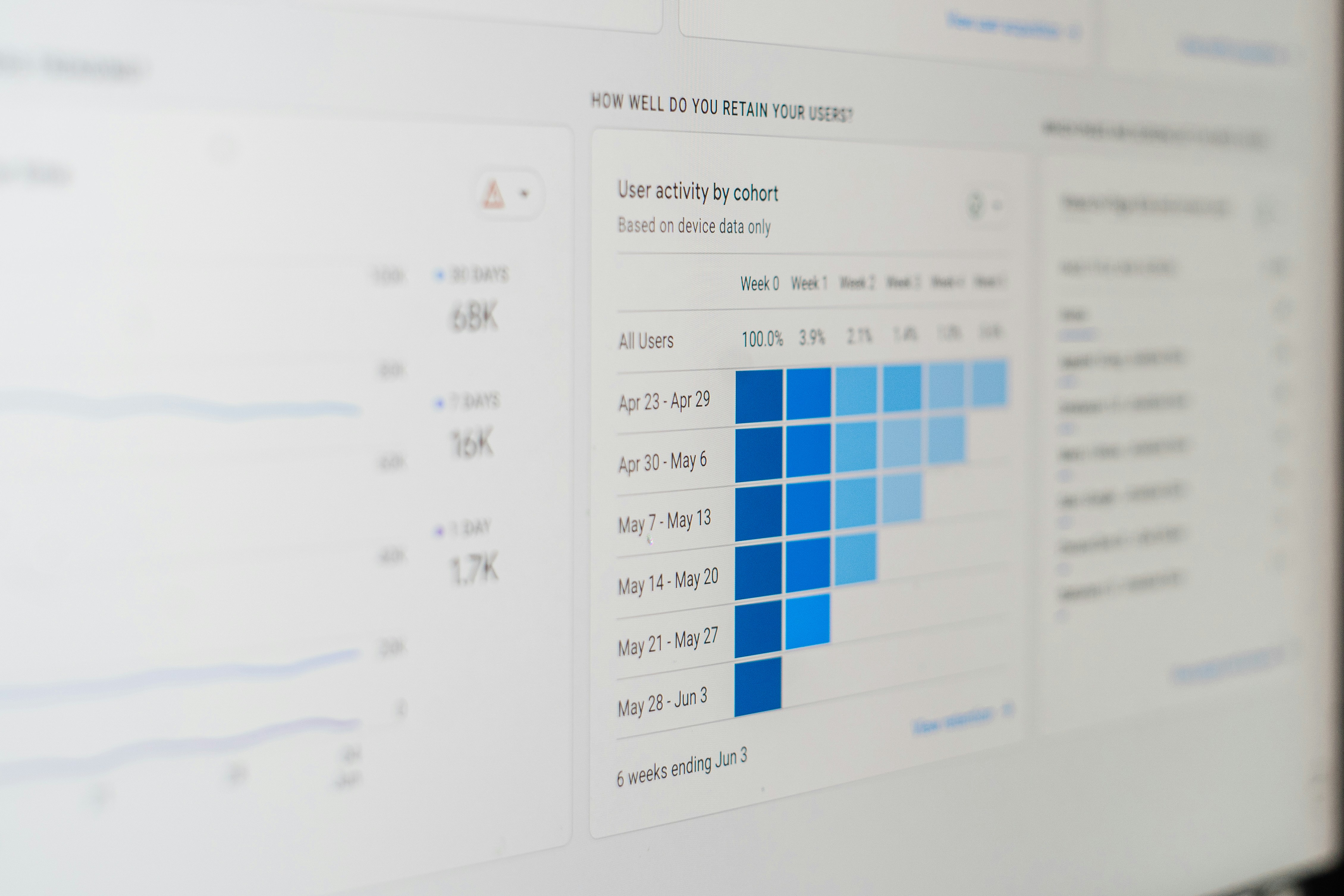
Introduction to Looker Studio and Microsoft Excel
In the realm of data analysis, Looker Studio and Microsoft Excel stand out as two powerful tools utilized by businesses and individuals alike. Looker Studio, a cloud-based data visualization platform, empowers organizations to analyze and interpret data through interactive reports and dashboards. With its intuitive interface, Looker Studio enables users to create visually appealing representations of complex data sets, facilitating better insights and informed decision-making. Its strength lies in its ability to integrate seamlessly with various data sources and provide real-time analytics, making it an invaluable asset in a data-driven landscape.
On the other hand, Microsoft Excel is a well-established spreadsheet application that has been a cornerstone of data management for decades. Renowned for its robust functionalities, Excel allows users to perform extensive calculations, organize data, and utilize a variety of formulas and functions. Excel’s versatility makes it suitable for a broad range of tasks, from basic data entry to complex financial modeling. Its familiarity in numerous industries speaks to its effectiveness in handling both small datasets and large-scale data operations.
When combined, Looker Studio and Microsoft Excel create a synergistic relationship that enhances reporting capabilities and data visualization. Organizations can leverage the advanced charting and dashboard features of Looker Studio to bring Excel data to life, enriching textual and numerical data with visual context. This integration supports professionals in efficiently analyzing trends, spotting anomalies, and communicating findings more effectively. Overall, understanding how to harness the power of both Looker Studio and Microsoft Excel is essential for those seeking to improve their data analysis practices and elevate their reporting processes.
Why Integrate Looker Studio with Excel?
The integration of Looker Studio with Microsoft Excel presents numerous advantages for data analysts and business professionals. As organizations increasingly rely on data-driven decision-making, the collaboration between these two powerful tools enhances data visualization and analytical capabilities. One of the foremost benefits of utilizing Looker Studio in conjunction with Excel is the ability to provide improved data visualization. Looker Studio offers advanced graphical representations of complex datasets, which can significantly enhance the clarity and impact of the information being presented. This improved visualization aids users in interpreting data more effortlessly.
Moreover, the usability of both Looker Studio and Microsoft Excel is a crucial factor in its integration. Microsoft Excel is widely recognized for its user-friendly interface, allowing users to manipulate data easily. When combined with Looker Studio, which streamlines and organizes the presentation of data, users can create coherent reports and dashboards without the need for extensive training. This ease of use is vital, especially for professionals who may not have a background in data analysis but require access to critical insights.
Seamless reporting is another significant advantage that emerges from the Looker Studio and Excel integration. Data can be pulled from multiple sources into Looker Studio, where it can be compiled and formatted for reports. This allows professionals to automate reporting processes, reduce the time spent on manual data entry, and minimize errors associated with traditional reporting methods. The collective functionality of these two platforms streamlines workflows, empowers data analysts with better tools for analysis, and ultimately supports informed decision-making across various levels of an organization.
Setting Up Your Looker Studio and Excel Environment
To successfully harness the power of Looker Studio with Microsoft Excel, it is essential to initiate the setup process properly. The first step involves ensuring that you have the most recent versions of both Looker Studio and Microsoft Excel installed on your system. Looker Studio, which is accessible via web browsers, does not require installation but setting up an account is crucial. Ensure that you sign up for Looker Studio using an email address that allows for easy collaboration, especially if you plan to work with a team.
Next, it is important to configure your Microsoft Excel application properly to facilitate seamless data integration with Looker Studio. This involves checking that you have access to the necessary add-ons or features within Excel that support external data connections. Enabling the “Power Query” feature in Excel is a recommended step. Power Query aids in the transformation and preparation of your data, which subsequently feeds into Looker Studio. You may also want to install any additional plugins that enhance Excel’s capabilities for data manipulation if needed.
Once your applications are configured, the next stage is establishing a connection between Looker Studio and Microsoft Excel. Look for the option to connect to external data sources within Looker Studio and opt for the Excel connector. This step usually requires you to have your Excel spreadsheets saved in a cloud environment, such as Google Drive or OneDrive, to grant Looker Studio access. Be sure to set the appropriate permissions for these files, ensuring that they can be accessed effectively.
Lastly, review any prerequisites for both tools, such as compatible data formats or specific security settings, to enhance the overall functionality. By systematically completing these setup steps, you will establish a robust environment for leveraging Looker Studio alongside Microsoft Excel.
Importing Data from Excel into Looker Studio
Importing data from Microsoft Excel into Looker Studio is a crucial step for users looking to leverage the analytical capabilities of Looker Studio. The process can be streamlined and efficient if proper methods and guidelines are followed. There are multiple ways to accomplish this task, and we will explore some recommended approaches.
One common method to import data is by using CSV (Comma-Separated Values) files. To start, ensure that your data in Microsoft Excel is well-structured and organized. This means having clear column headers, avoiding merged cells, and eliminating any unnecessary formatting that could hinder the import process. Once your data is ready, save your Excel file as a CSV file. This format is widely accepted and is easily readable by Looker Studio.
Next, navigate to Looker Studio and create a new report. Click on the “Add Data” option, then select “File Upload.” Here, you can upload your prepared CSV file. After uploading, Looker Studio will present a preview of your data, allowing you to verify its accuracy before finalizing the import. This step is essential as it ensures that all critical data points are carried over without any discrepancies.
Another method involves using Google Sheets as an intermediary. Begin by exporting your Excel file to Google Sheets. From Google Sheets, use the “Connect to Data” feature in Looker Studio, which allows for a more dynamic connection. By linking Google Sheets directly, any updates made in the spreadsheet will automatically reflect in Looker Studio, thereby offering real-time data integration.
It is also advisable to standardize data formats when dealing with dates, currencies, and other numerical data types. This proactive approach minimizes the chances of data misinterpretation once imported into Looker Studio. By adhering to these best practices, users can ensure a smooth transition of their data, enabling effective visualization and analysis of their datasets.
Creating Visuals and Dashboards in Looker Studio
After successfully importing data from Microsoft Excel into Looker Studio, the next crucial step involves utilizing its extensive features to craft impressive visuals and dashboards. The ability to transform raw data into engaging visual formats significantly enhances data insights and storytelling.
Looker Studio offers a variety of visualization tools that cater to different data representation needs. Users can select from charts, graphs, tables, and heat maps, each serving various analytical purposes. For instance, bar and line charts are often used to depict trends over time, while pie charts may effectively represent categorical distributions. The versatility of these visualization options allows users to present information in a manner that is most accessible and comprehensible for their audience.
Customizability is a paramount feature of Looker Studio, allowing users to modify various aspects of their visuals to better convey their intended messages. Titles, colors, and labels can be adjusted to align with specific branding or presentation requirements. Additionally, Looker Studio facilitates drag-and-drop functionality, enabling users to arrange elements intuitively, ensuring the dashboards are not only informative but also visually appealing.
Moreover, incorporating interactive elements such as filters and controls can significantly enhance audience engagement. These features allow viewers to manipulate data views, thereby providing a more personalized analysis. Such interactivity fosters deeper exploration of the underlying data, catalyzing smoother navigation and greater insights.
In summary, leveraging the visualization tools and customizable options within Looker Studio, alongside integrated data from Microsoft Excel, empowers users to create compelling dashboards. This approach not only simplifies complex data but also allows for a more effective communication of insights, enhancing decision-making and strategic planning. The synergy between Looker Studio and Microsoft Excel ultimately transforms the way organizations visualize and analyze their data.
Utilizing Excel for Advanced Data Manipulation
Microsoft Excel serves as a robust tool for advanced data manipulation, enabling users to prepare data effectively before importing it into Looker Studio. One of the most potent features Excel offers is its array of formulas, which allow for comprehensive data analysis and transformation. By utilizing functions such as VLOOKUP, INDEX-MATCH, and IF statements, users can streamline complex data queries and automate tedious calculations. These formulas can significantly enhance the data quality, ensuring that information sent to Looker Studio is precise and actionable.
Another essential feature of Excel is the pivot table, which allows users to summarize and reorganize selected columns and rows of data without altering the original dataset. With pivot tables, users can easily analyze large datasets, identifying trends and patterns that might not be readily apparent. This encapsulated view of data allows for easier interpretation, which can then be seamlessly integrated into Looker Studio, thus facilitating effective reporting and visualization.
Excel also provides various tools for data cleaning and validation. For instance, using the ‘Remove Duplicates’ feature can help in maintaining the integrity of datasets and preventing erroneous information from entering Looker Studio. Moreover, conditional formatting enables users to highlight critical data points, making the analysis visually intuitive. By employing these functionalities, data professionals can prepare their datasets in a way that enhances subsequent analytics within Looker Studio.
Overall, leveraging Excel’s advanced features for data manipulation not only streamlines workflows but also elevates the quality of data insights. By preparing data meticulously in Excel prior to its transfer to Looker Studio, users can ensure a more effective and efficient data analysis process.
Best Practices for Reporting and Visualization
When utilizing Looker Studio in conjunction with Microsoft Excel for reporting and visualization, adherence to best practices is crucial for effectively communicating data insights. One foundational aspect is the careful selection of visual formats. Different data types warrant specific visualization styles; for instance, line charts are ideal for representing trends over time, while bar charts work well for comparisons across categories. Consider the nature of the data and the story you wish to convey. Using Looker Studio’s diverse range of charts and dashboards can greatly enhance the visual impact of your reports.
Clarity should be prioritized in every report you create. Excel data can become complex, and visualizations should simplify rather than complicate understanding. Choose a clean layout and avoid cluttering your visuals with excessive information. Ensure that labels, legends, and titles are clear and concise, facilitating quick comprehension. For example, a simple pie chart may be effective in representing market share data but can be confusing if too many segments are provided. The goal is to inform the audience without overwhelming them.
Consistency across your reports is also paramount. Using a uniform color palette, font type, and size throughout your Looker Studio visualizations and Excel dashboards cultivates professionalism and aids recognition. In addition, maintaining a consistent design facilitates comparative analysis across different reports, as users can focus on content rather than frequent design changes. Standardizing templates for repeated reporting tasks can save time and promote uniformity in presentation.
By focusing on appropriate visual formats, maintaining clarity, and ensuring consistency in design, you enhance the effectiveness of your data reporting with Looker Studio and Microsoft Excel. These best practices will help ensure that your audience grasps the insights your data holds, ultimately leading to informed decision-making and strategic planning.
Common Challenges and Solutions
When integrating Looker Studio with Microsoft Excel, users may encounter several challenges that can impede a seamless experience. Understanding these common issues and their solutions can significantly enhance productivity and data accuracy.
One frequent challenge is the difficulty in data synchronization between the two platforms. Users often find that updates made in Excel do not reflect in Looker Studio immediately. To address this, ensure that the data source in Looker Studio is set to refresh regularly. This setting can often be adjusted in the data connector options, allowing for real-time updates that bridge the functionality of Looker Studio and Microsoft Excel effectively.
Another issue stems from formatting inconsistencies. When exporting data from Excel to Looker Studio, discrepancies in date formats, numerical values, or text indicators can occur, leading to erroneous data interpretation. To mitigate this issue, it is advisable to standardize the data formats in Excel before integrating with Looker Studio. Using Excel’s formatting tools to align your data ensures that Looker Studio will interpret it correctly, enhancing data visualization and reporting accuracy.
Additionally, users might face difficulties in creating complex visualizations due to limited functionalities in Looker Studio compared to Excel. This is particularly true for PivotTables and advanced chart options. In such cases, consider preparing the data in Excel using its robust analytical tools before exporting it to Looker Studio. This method leverages Excel’s strengths in data manipulation while taking advantage of Looker Studio’s capabilities in visualization.
By acknowledging these challenges and implementing the suggested solutions, users can significantly improve their experience when utilizing Looker Studio with Microsoft Excel. Maintaining a proactive approach to these common issues will enhance data coherence and usability across both platforms.
Case Studies: Success Stories of Looker Studio and Excel Integration
The integration of Looker Studio with Microsoft Excel has become a powerful strategy for many organizations seeking to enhance their data analysis and reporting capabilities. Several case studies exemplify the transformative effects of this combination on businesses across various sectors.
One notable example is a marketing agency that turned to Looker Studio integrated with Microsoft Excel to manage and analyze vast amounts of campaign data. Before implementing this integration, the agency struggled with disparate data sources and faced difficulties in creating cohesive reports. By utilizing Looker Studio’s advanced analytics features alongside Excel’s familiar interface, they streamlined their reporting processes. The result was a significant reduction in the time spent generating reports from 15 hours a week to just 3 hours, allowing the team to focus more on strategic decision-making and less on manual data manipulation. This case highlights how effectively visualizing data alongside Excel can lead to enhanced productivity.
Another case involves a financial services company that utilized Looker Studio with Microsoft Excel to improve financial reporting accuracy. The organization faced challenges in consolidating large volumes of data from different departments, leading to inconsistencies in financial statements. By leveraging Looker Studio’s ability to connect directly to their data warehouses and Excel’s robust analytical tools, they developed a centralized reporting system. This integration not only improved accuracy but also provided real-time insights that empowered stakeholders to make informed decisions promptly. The financial team reported a 40% increase in reporting accuracy, showcasing the critical benefits of combining Looker Studio with Excel.
These case studies underscore the practical advantages of integrating Looker Studio with Microsoft Excel. By fostering improved reporting efficiency and accuracy, organizations can unlock valuable insights that propel their business forward.
Conclusion and Next Steps
In the landscape of data analysis, the integration of Looker Studio with Microsoft Excel presents a powerful opportunity for businesses and data analysts. Throughout this blog post, we have explored the seamless functionalities that this combination offers, illustrating how users can leverage Looker Studio’s advanced visualization tools to amplify the analytical capabilities of Excel spreadsheets. This union not only enhances reporting but also allows for dynamic data storytelling, driving better decision-making processes.
We highlighted the ease of sharing insights generated in Looker Studio through intuitive Excel integrations. By utilizing these features, users can transform standard data sets into interactive dashboards, facilitating a deeper understanding of their data metrics. We also discussed the significance of keeping the data updated in real-time, ensuring that businesses remain agile in their operations and strategies.
As you look to implement this integration in your workflows, we recommend starting with small, manageable projects to familiarize yourself with the Looker Studio and Microsoft Excel interface. Experiment with creating basic reports, then gradually advance to more complex analyses as you gain confidence. Take advantage of available tutorials and user communities, which can provide valuable insights and tips for maximizing your use of both platforms.
If you are interested in additional resources, we invite you to explore our dedicated sections on Looker Studio reporting and further articles available on our blog. For personalized assistance or to discuss your integration journey, do not hesitate to contact us. By taking these next steps, you are positioning yourself to harness the full potential of Looker Studio in conjunction with Microsoft Excel, leading to more informed, data-driven decisions in your organization.