Introduction to Looker Studio and Microsoft Clarity
In today’s data-driven world, businesses are continually seeking ways to enhance their analytics capabilities and user experience. Looker Studio and Microsoft Clarity are two robust tools that serve distinct purposes yet, when integrated, can offer comprehensive insights into user behavior and overall business performance. Looker Studio, a powerful data analysis platform, allows organizations to visualize and explore their data in an interactive manner. Its capabilities for creating real-time dashboards and reports enable teams to make informed decisions based on accurate data representations.
On the other hand, Microsoft Clarity focuses on enhancing website user experience through intuitive analytics. This tool provides valuable insights into user interactions on websites, employing features like heatmaps and session recordings. The primary aim of Microsoft Clarity is to help businesses understand how users engage with their web content, identifying areas for improvement and enhancing overall usability. By combining Looker Studio’s data visualization prowess with Microsoft Clarity’s user behavior analysis, organizations can achieve a more profound understanding of their audiences.
The need for powerful analytics tools like Looker Studio and Microsoft Clarity cannot be overstated. As the digital landscape evolves, businesses require sophisticated methods to analyze data and draw meaningful conclusions. Integrating these two platforms equips companies with a holistic view of their performance metrics and user engagement patterns. Through this integration, organizations can create a seamless analytical environment that fosters targeted strategies and overall business growth. By leveraging the strengths of both Looker Studio and Microsoft Clarity, stakeholders can gain a comprehensive understanding of user behavior, ultimately enhancing their business performance.
Benefits of Combining Looker Studio and Microsoft Clarity
The integration of Looker Studio with Microsoft Clarity offers numerous advantages that can significantly enhance the way businesses analyze and leverage their data. One of the primary benefits is improved data visualization. Looker Studio provides powerful tools that transform raw data into rich visual representations, allowing users to generate customizable dashboards and reports. By combining this capability with Microsoft Clarity’s detailed user interaction insights, organizations can visualize user behavior more effectively. This dual approach empowers teams to uncover patterns in user engagement and make data-driven adjustments to their digital interfaces.
Another notable advantage is the enhanced understanding of user interactions. Microsoft Clarity captures precise user activity, such as scroll depth, clicks, and session recordings, which can be seamlessly integrated into Looker Studio’s analytics framework. This combination provides a comprehensive view of how visitors navigate a website, enabling businesses to identify elements that may hinder performance or affect user experience. As a result, organizations gain the ability to optimize their digital assets based on real user feedback and behavior, rather than relying solely on assumptions or generic data metrics.
Additionally, leveraging both tools enhances decision-making capabilities. When stakeholders have access to visualized data in Looker Studio, accompanied by granular insights from Microsoft Clarity, they can make informed decisions that drive business growth. For instance, a retail business might analyze user flow data to determine drop-off points in the purchasing process and subsequently implement changes informed by Clarity’s analytics. This careful examination and adaptation can lead to higher conversion rates and improved customer satisfaction.
In conclusion, the synergy between Looker Studio and Microsoft Clarity can lead to significant improvements in data visualization, user interaction analysis, and informed decision-making. By utilizing these powerful tools together, businesses are well-equipped to thrive in an increasingly data-centric environment.
Setting Up Looker Studio and Microsoft Clarity
Establishing an analytical environment that integrates Looker Studio with Microsoft Clarity is crucial for effective data analysis and visualization. To begin, you must create accounts on both platforms. Visit the Looker Studio website and sign up using your Google account. Once registered, you can access various data visualization tools that aid in transforming raw data into informative dashboards.
Similarly, navigate to the Microsoft Clarity website. Registration is straightforward and requires basic user information. Once your account is active, you will be prompted to create a project for your website or application. During this process, you need to provide the URL and select the criteria for tracking your users’ interactions and behaviors on the platform.
Upon successfully setting up accounts on both platforms, the next step involves integrating Looker Studio with Microsoft Clarity. Start by configuring Microsoft Clarity to enable data capturing on your website. You will need to install a tracking code script within the HTML of your site. This script is critical, as it allows Clarity to gather data on user sessions and interactions. Once this script is correctly placed, Clarity will begin collecting insights on visitor behavior.
To connect Microsoft Clarity with Looker Studio, utilize the data connectors available in Looker. Navigate to the “Data” section within Looker Studio and locate Microsoft Clarity as your data source. Follow the prompts to authorize access, allowing Looker to import the data collected through Clarity. Configuring settings accurately during this process ensures that you can visualize user behavior more effectively.
Once both systems are linked, you can start creating reports and dashboards in Looker Studio, allowing for deep insights into your data. This robust combination of tools empowers users to perform detailed analysis and unlock valuable information about their audience’s behavior.
Understanding Key Metrics in Microsoft Clarity
Microsoft Clarity is an essential tool for businesses seeking to enhance their website’s performance through data-driven insights. By utilizing key metrics provided by Clarity, users can gain a comprehensive understanding of user behavior and engagement on their websites. Among the core features of Microsoft Clarity are session recordings, heatmaps, and user engagement metrics, which collectively inform strategic decision-making.
Session recordings play a pivotal role in visualizing users’ interactions with a website. These recordings capture real-time actions taken by visitors, allowing businesses to observe how users navigate their pages, where they click, and where they might experience difficulties. This level of detail is invaluable for identifying barriers within user journeys and optimizing page layouts accordingly. By analyzing session recordings, companies can become attuned to their audience’s preferences and behaviors, providing a pathway to improve user experience.
Heatmaps are another critical metric offered by Microsoft Clarity. They visually represent user activity on a webpage, highlighting areas of significant interaction and areas that receive little attention. Understanding these patterns enables businesses to adjust their website layout and content placement effectively, enhancing the likelihood of conversions. Through the application of heatmaps, companies can optimize calls to action, enhance feature visibility, and ensure that important information is readily accessible to all users.
Furthermore, user engagement metrics—such as average session duration and bounce rate—provide insights into how effectively a website retains visitors. Analyzing these metrics helps businesses determine the quality of their content and how well it aligns with user expectations. By focusing on engagement metrics, companies can refine their content strategies, ultimately fostering deeper connections with their audiences.
In summary, understanding the key metrics in Microsoft Clarity equips businesses with the tools necessary to analyze user behavior meticulously. By leveraging session recordings, heatmaps, and engagement metrics, companies can implement informed strategies that drive improved website performance and user satisfaction.
Creating Reports in Looker Studio
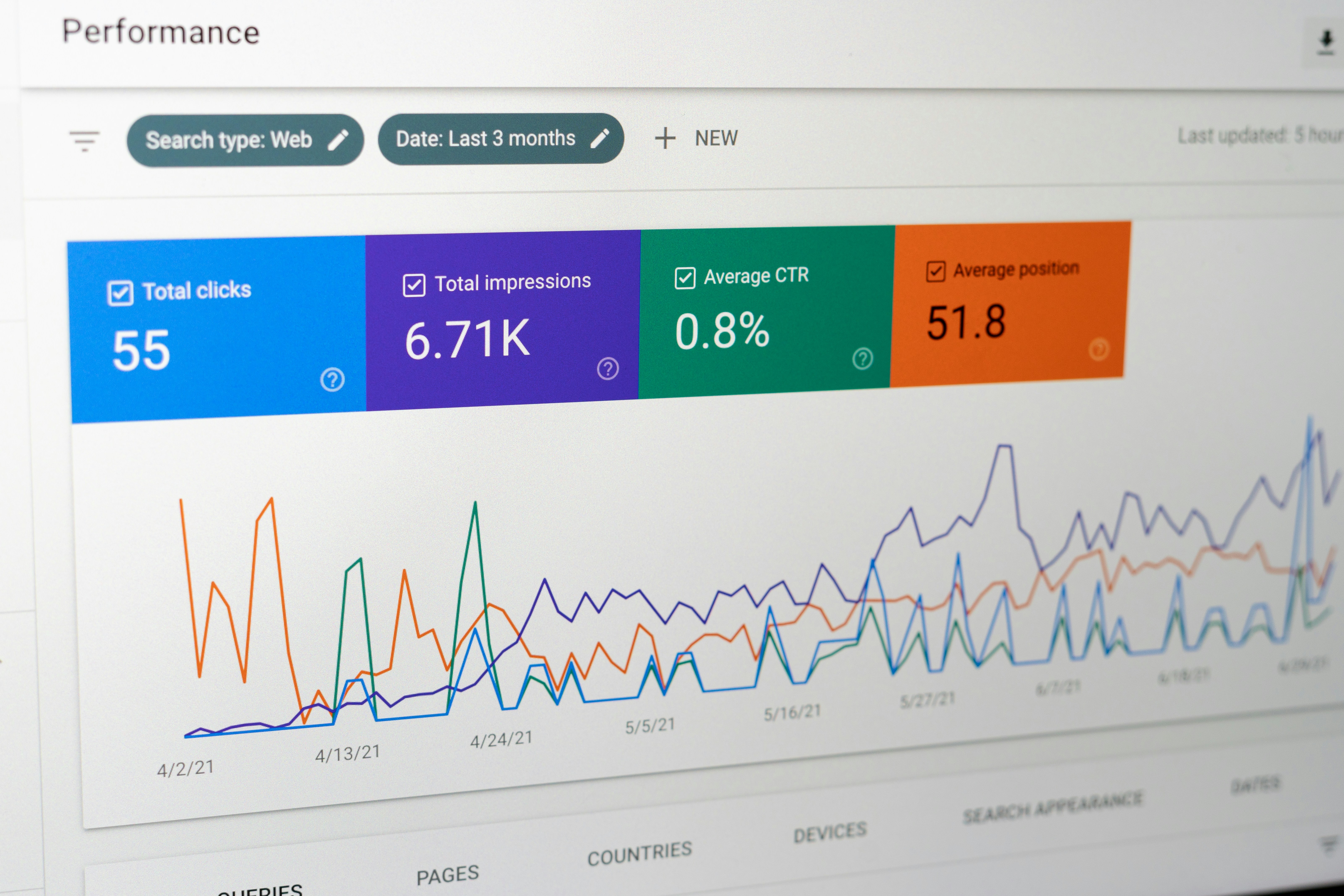
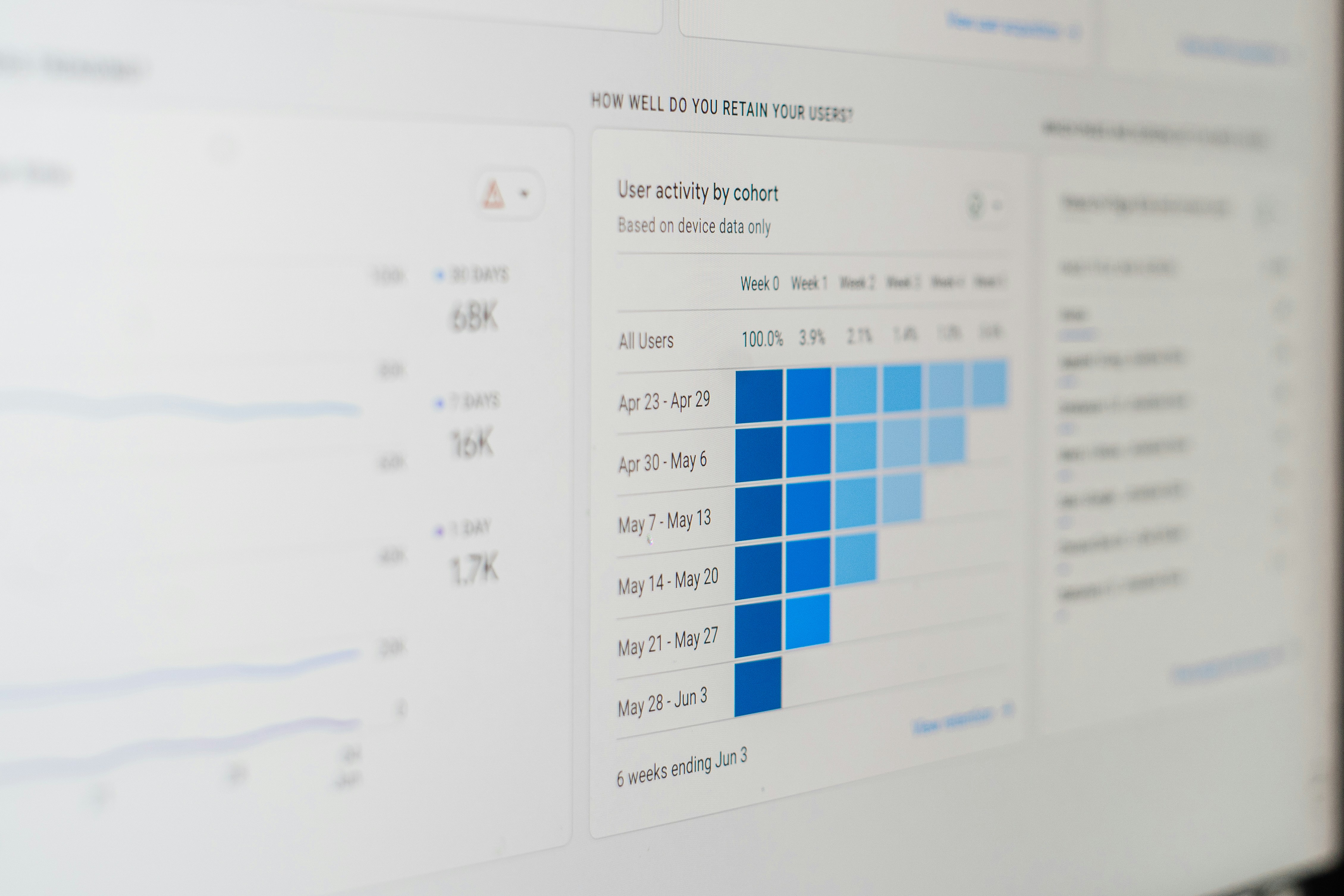
Generating reports in Looker Studio using data collected from Microsoft Clarity can significantly enhance decision-making processes within an organization. Looker Studio allows users to create compelling, data-driven visual reports by leveraging analytics derived from user interactions on their websites. The initial step involves integrating Microsoft Clarity with Looker Studio. Once data is flowing, you can begin crafting informative reports that elucidate user behavior, engagement metrics, and conversion pathways.
When creating reports, adhere to best practices in data visualization. Opt for clear, concise visual elements such as graphs, charts, and tables that convey insights effectively. Utilize color coding strategically to emphasize critical data points without overwhelming the viewer. To maintain consistency, it is advisable to follow a uniform style guide throughout all reports, including font types, sizes, and color palettes.
Customization is also essential for tailoring reports to meet stakeholder needs. Take advantage of Looker Studio’s capabilities by creating personalized dashboards that highlight key performance indicators relevant to specific teams or individual users. This customization ensures that stakeholders can view the metrics that matter most to them without sifting through extraneous information.
Moreover, report sharing should be approached thoughtfully to maximize engagement. Looker Studio facilitates sharing via links, allowing stakeholders seamless access to real-time data. Consider establishing scheduled email reports for regular updates, keeping teams informed of changes and trends within user behavior. An engaging report not only presents raw data but also interprets findings, offering recommendations and insights derived from the data gathered through Microsoft Clarity.
By following these guidelines, the creation of reports in Looker Studio will harness the full potential of data from Microsoft Clarity, ultimately providing comprehensive insights that drive informed decision-making across the organization.
Use Cases and Success Stories
Organizations across different industries have begun to exploit the combined capabilities of Looker Studio and Microsoft Clarity, yielding significant enhancements in their data analysis and user experience strategies. One noteworthy example is a leading e-commerce platform that faced challenges in understanding user engagement on its website. By integrating Microsoft Clarity with Looker Studio, the company was able to visualize comprehensive user behavior data. The insights drawn from this integration informed strategic decisions that optimized user flow, significantly increasing conversion rates by 25% over six months.
Another compelling case study comes from a financial services firm that utilized Looker Studio in conjunction with Microsoft Clarity to better understand customer interactions with their online services. The firm discovered through session recordings and heatmaps that users struggled to navigate their account management functionalities. By leveraging these insights, the team redesigned the interface, improving usability and resulting in a 40% decrease in customer support inquiries related to navigation issues. This significant improvement not only enhanced user satisfaction but also streamlined operations.
Furthermore, a non-profit organization dedicated to environmental conservation adopted the combined strengths of both platforms to assess the effectiveness of their online campaigns. Using Looker Studio for reporting alongside Microsoft Clarity for behavioral insights, they implemented targeted messaging based on user engagement patterns. The organization successfully increased their donation rates by 35% within a year. This demonstrated how data-driven decisions, powered by Looker Studio and Microsoft Clarity, could significantly bolster campaign outcomes.
These diverse success stories illustrate the transformative potential of merging Looker Studio with Microsoft Clarity. By harnessing insightful analytics and detailed user behavior data, organizations can inform strategies that enhance user experience and drive measurable results.
Challenges and Solutions
Integrating Looker Studio with Microsoft Clarity offers powerful analytics capabilities, yet it is not without its challenges. Users frequently encounter issues such as data syncing discrepancies, user interface navigation difficulties, and limitations in cross-platform data analysis. Recognizing these hurdles is the first step toward finding effective solutions to ensure a smooth integration process.
One of the primary challenges with integration is data syncing discrepancies. Sometimes, the data pulled from Microsoft Clarity may not align with the visualizations or reports created in Looker Studio. This can stem from differences in data update intervals or configurations. To address this, users should ensure that all data sources are properly configured and that they regularly check for updates or refresh intervals within Looker Studio. Leveraging Clarity’s real-time data capabilities can also enhance synchronization and improve the accuracy of insights.
Another common issue arises from the user interface of either platform. New users might find it challenging to navigate through Looker Studio alongside the analytics functionalities of Microsoft Clarity. To mitigate this, investing time in training sessions or reviewing available online resources can significantly reduce the learning curve. Additionally, utilizing demo versions or guided templates can aid users in understanding how to effectively utilize both tools together.
Finally, limitations in cross-platform data analysis can present a barrier. For instance, certain metrics in Microsoft Clarity may not be fully compatible or displayed as intended in Looker Studio. In such cases, users should verify the compatibility of metrics during the setup phase. Engaging with community forums or user groups can provide valuable insights and alternative methodologies for overcoming these constraints.
By recognizing these challenges and implementing the suggested solutions, users can maximize the effectiveness of their analytics processes, significantly enhancing their data-driven decision-making capabilities.
Future Trends in Analytics Tools
The landscape of analytics tools is rapidly evolving, with platforms such as Looker Studio and Microsoft Clarity leading the charge. A key trend gaining momentum is the increased automation in reporting. Automation streamlines data collection and reporting processes, allowing organizations to focus on analyzing insights rather than spending extensive time on data preparation. Future iterations of Looker Studio and similar platforms are expected to leverage machine learning algorithms that can automatically generate reports based on user-defined metrics, greatly enhancing productivity and decision-making efficiency.
Another significant trend is the rise of AI-driven insights. As analytics tools become ingrained with artificial intelligence capabilities, users will benefit from deeper, more predictive insights. Looker Studio aims to integrate sophisticated AI models that could analyze consumer behavior patterns and forecast future trends. Simultaneously, Microsoft Clarity may utilize machine learning to provide tailored recommendations that help users optimize their digital strategies effectively. This shift towards intelligence-driven analytics offers organizations not just the ability to understand historical data, but also to anticipate future outcomes.
Moreover, the integration of additional data sources is becoming increasingly standard. Modern analytics tools are focusing on consolidating various data streams into a unified dashboard. This approach enables businesses to derive comprehensive insights and drive performance optimization. The potential integration of tools like social media analytics and CRM systems within Looker Studio enhances the depth of insights available to users. Similarly, Microsoft Clarity is expected to expand its capacity to synthesize data from different digital platforms, fostering a holistic view of performance metrics.
As these trends continue to develop, analytics tools will become more user-friendly and powerful, equipping businesses with the necessary tools to thrive in an increasingly data-driven world.
Getting Support and Resources
Utilizing Looker Studio in conjunction with Microsoft Clarity can initially seem daunting, but numerous resources are available to ease the learning curve and enhance your experience. A valuable starting point is the official documentation for both Looker Studio and Microsoft Clarity. These comprehensive guides provide fundamental knowledge necessary for navigating and utilizing their features effectively. You can access Looker Studio’s documentation directly on their website, which offers step-by-step tutorials and best practices aimed at both beginners and advanced users.
Additionally, Microsoft Clarity’s support portal presents similar resources, including insightful articles, FAQs, and video tutorials. These resources are designed to help users understand the intricacies of user behavior analytics and reporting related to Microsoft Clarity, making it easier to leverage the tool alongside Looker Studio.
For community support, it is advisable to join forums and discussion groups dedicated to Looker Studio and Microsoft Clarity. Platforms such as Stack Overflow and Reddit frequently host discussions where users share their experiences, troubleshooting tips, and innovative uses of the software. Participating in these communities can significantly enhance your understanding and provide new perspectives on common challenges.
Additionally, R.G. Gupta’s website serves as an excellent repository of knowledge, featuring tutorials, detailed guides, and resources tailored for both Looker Studio and Microsoft Clarity. This website aims to assist users by consolidating key information and directing them to relevant resources, ensuring they can successfully implement data analytics solutions in their projects.
If deeper assistance is required, both Looker Studio and Microsoft Clarity offer customer support options. Users can reach out through dedicated contact forms available on each platform’s website, allowing for personalized help tailored to individual needs. This support helps users navigate unforeseen hurdles, ensuring they maximize the benefits of both Looker Studio and Microsoft Clarity.