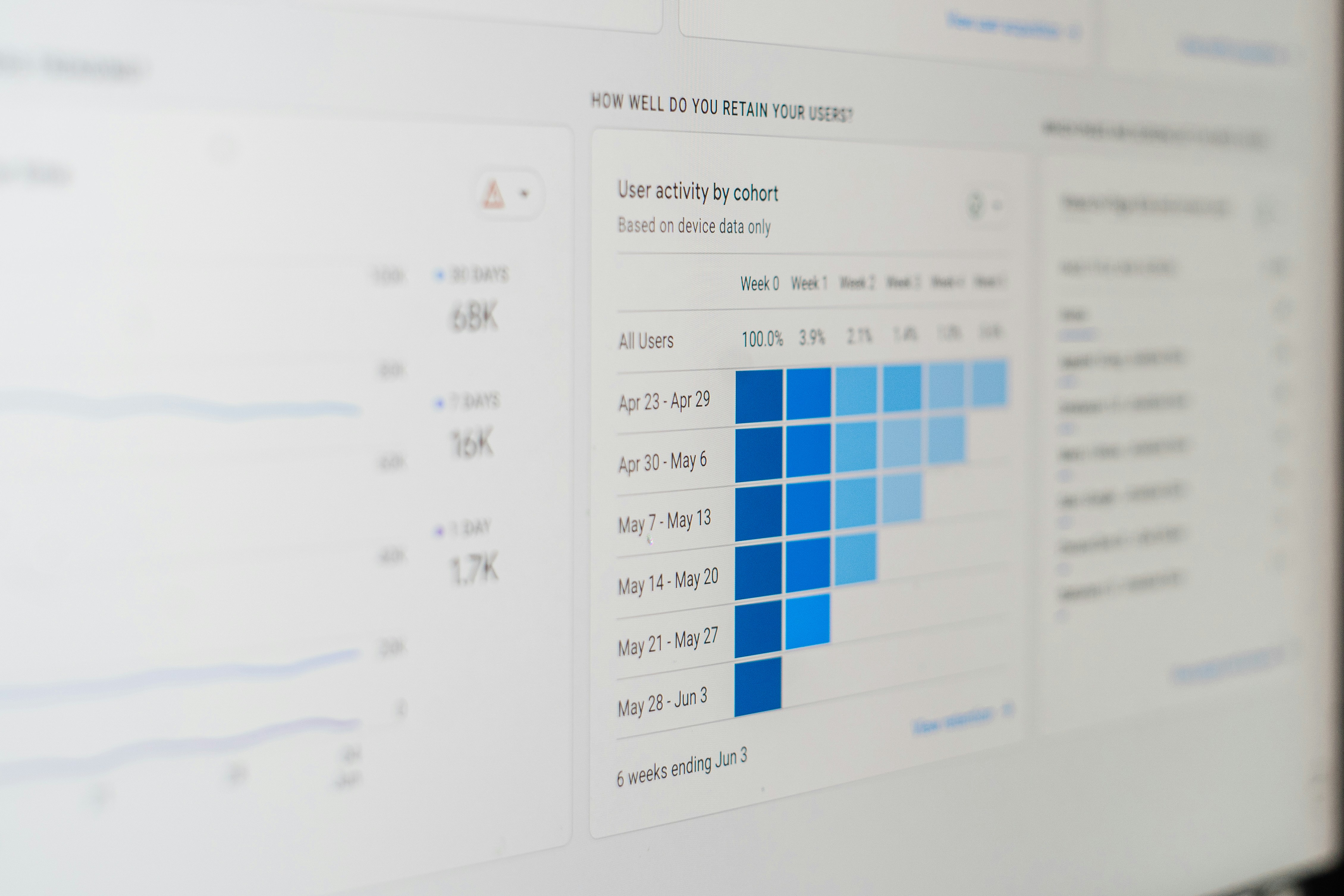
Introduction to Looker Studio
Looker Studio, formerly known as Google Data Studio, is a powerful data visualization and reporting tool that enables businesses to create customizable dashboards and reports. Its core purpose is to help organizations convert raw data into actionable insights through interactive visualizations. Typically, Looker Studio integrates seamlessly with various data sources such as Google Analytics, Google Sheets, BigQuery, and a multitude of third-party applications, ensuring that users can leverage their existing datasets effectively.
One of the key benefits of Looker Studio is its user-friendly interface. Designed with both novice and expert users in mind, it allows individuals without extensive technical knowledge to create sophisticated dashboards easily. Users can drag and drop elements, select various chart types, and apply filters to tailor their visual outputs according to specific requirements. This accessibility has contributed to Looker Studio’s rising popularity among businesses looking to enhance their data storytelling capabilities.
Another advantage is the platform’s versatility when it comes to use cases. Organizations across different industries utilize Looker Studio for diverse applications, from tracking marketing campaign performance to monitoring sales metrics and evaluating operational efficiency. Its capacity to provide real-time data updates means that users can make informed decisions quickly, adapting strategies based on the most current insights available. Thus, Looker Studio plays a pivotal role in empowering businesses of all sizes to visualize data and derive meaningful conclusions.
Understanding Dashboards and Their Importance
Dashboards are powerful tools in data analysis and business intelligence, designed to provide a visual representation of critical metrics and key performance indicators (KPIs). By consolidating data from various sources into a single interface, dashboards facilitate a comprehensive overview of organizational performance and trends. Their primary purpose is to make complex data easily understandable, enabling users to monitor performance in real-time and respond promptly to emerging situations.
The importance of dashboards lies in their ability to support informed decision-making. Traditional reporting methods often involve static reports that are generated periodically, sometimes leading to outdated insights. In contrast, dynamic dashboards offer the advantage of interactivity and up-to-date information, allowing users to drill down into specific data points or filter results based on various criteria. This level of granularity empowers organizations to explore their data in depth and derive actionable insights quickly.
Additionally, dashboards promote transparency within an organization, as they can be shared across teams, aligning departmental goals with overarching business objectives. By visualizing data in formats such as charts and graphs, users can identify patterns, trends, and anomalies effectively. Furthermore, dashboards can be customized to meet the specific needs of different stakeholders, ensuring that relevant information is accessible to both executives and operational teams.
In summary, a well-designed dashboard is an invaluable asset for any organization aiming to enhance its data analysis capabilities. By transitioning from traditional reporting to dynamic dashboards, businesses can improve their decision-making processes, foster collaboration, and respond more adeptly to changes in their environment.
Key Features of Looker Studio
Looker Studio is a powerful platform designed for users to build customized dashboards that effectively visualize data. One of its standout features is the broad range of data connectors available. These connectors allow users to easily integrate data from various sources, including databases, cloud services, and spreadsheets. By facilitating seamless data integration, Looker Studio ensures that users can access real-time data efficiently, which is crucial for effective decision-making.
In addition to its data connectors, Looker Studio offers advanced visualization tools. Users can choose from a variety of chart types, including bar charts, line graphs, and heatmaps, among others. These visualization options enhance the ability to present data insights clearly and concisely. The drag-and-drop interface further simplifies the process of customizing dashboards, enabling even those with minimal technical expertise to create professional-looking visuals.
Another noteworthy feature is the platform’s sharing capabilities. Looker Studio allows users to easily share their dashboards with team members or stakeholders through links or embedded options. This ensures that relevant parties can access important insights in real-time, promoting transparency and collaboration within organizations. Moreover, the platform provides options for scheduling automated reports, making it easier for users to keep their teams informed without manual intervention.
Integration is also a key feature of Looker Studio. The platform can be connected with various third-party applications, enabling users to expand its functionality. This adaptability means that businesses can tailor Looker Studio to meet their unique needs, facilitating a more customized approach to data analysis and visualization. Overall, the combination of these features empowers users to create effective, personalized dashboards that drive informed decision-making.
Step-by-Step Process to Build Your Dashboard
Creating a dashboard using Looker Studio is a structured process that involves several key steps, ensuring you achieve a customized visual representation of your data. The first step is the initial setup; log in to Looker Studio and start a new report. Choose a blank report or select a template that aligns with your data visualization goals.
Next, import the data needed for your dashboard. Looker Studio supports various data sources, including Google Sheets, Google Ads, and BigQuery. After selecting your preferred data source, authenticate your account if required and follow the prompts to link the data. Be mindful of the data you are importing, ensuring it is relevant and accurately reflects the information you intend to visualize.
Once the data is imported, it is time to select the appropriate visualizations. Looker Studio offers a wide array of visualization options, such as bar charts, line graphs, pie charts, and tables. Consider your audience and the type of insights you wish to convey when choosing visual elements. Each visualization option can be tailored by adjusting dimensions, metrics, and filters to distill significant data insights effectively.
Customization is a vital aspect of creating a dashboard that meets your specific requirements. Use the formatting options available in Looker Studio to adjust colors, fonts, and layouts to ensure your dashboard is not only functional but also visually appealing. This includes setting up a cohesive color scheme and font choice that aligns with your brand identity.
After making the necessary adjustments, preview your dashboard to ensure everything appears as intended. Finally, save and share your dashboard with stakeholders or team members for feedback, which can facilitate further refinements. Building your dashboard in Looker Studio can result in a powerful tool for data analysis and presentation when approached step-by-step.
Design Tips for Creating Effective Dashboards
Designing an effective dashboard in Looker Studio is crucial for not only displaying data but also facilitating informed decision-making. A structured layout is paramount; it should guide the viewer’s attention intuitively from the most important to the least significant metrics. The use of grid layouts can help organize information, allowing for logical grouping of related data points. This approach enhances usability and improves navigation.
Color schemes play a significant role in dashboard design as well. Selecting a coherent color palette that aligns with your brand can enhance visual appeal and contribute to a cohesive user experience. It is advisable to use contrasting colors to distinguish between different data sets, but be cautious not to overwhelm users with too many colors. A well-chosen palette should improve readability while maintaining an aesthetically pleasing look.
Equally important is the selection of metrics displayed on the dashboard. It is essential to choose KPIs that are relevant to the user’s objectives and that provide actionable insights. Avoid cluttering your dashboard with excessive information, which can distract and confuse the viewer. Instead, aim for clarity by focusing on a handful of critical metrics that tell a story or highlight important trends. Utilizing data visualizations such as graphs or charts can effectively illustrate relationships and emphasize key points.
Lastly, ensure that the dashboard is responsive, allowing it to adapt to various screen sizes without losing functionality or readability. This flexibility will cater to users accessing the dashboard from different devices, such as desktops or mobile phones. By applying these design principles, a more effective dashboard can be created in Looker Studio, promoting enhanced engagement and informed decision-making.
Common Use Cases for Looker Studio Dashboards
Looker Studio is a powerful tool that facilitates data visualization across various sectors, making it an invaluable asset in many business environments. One of the primary use cases for Looker Studio dashboards is in marketing analytics. Marketers heavily rely on data to measure the effectiveness of campaigns, track user engagement, and analyze customer demographic trends. With Looker Studio dashboards, these professionals can create visually engaging reports that showcase key performance indicators (KPIs) and other critical metrics, allowing for quicker insights and informed decision-making.
Another prominent application of Looker Studio dashboards can be found in sales performance tracking. Sales teams benefit from dashboards that present sales figures in real-time, helping them monitor their progress against targets. Dashboards can display a variety of metrics, such as sales volume by region, lead conversion rates, and product performance analysis. This data-driven approach not only aids in optimizing sales strategies but also enhances team accountability and productivity.
In the realm of financial reporting, Looker Studio dashboards serve as an essential tool for finance departments. These dashboards can simplify the tracking of expenditures, revenues, and profitability metrics, providing a comprehensive view of the organization’s financial health. By integrating various data sources into a centralized dashboard, finance teams can streamline their reporting processes and generate insightful reports that can be easily shared with stakeholders.
Lastly, Looker Studio is frequently leveraged for project management purposes. Project managers can utilize dashboards to monitor project timelines, budgets, and resource allocations efficiently. By visually depicting project metrics, teams can quickly identify bottlenecks and assess overall progress, ultimately driving successful project outcomes. The versatility of Looker Studio dashboards ensures that they can be tailored for numerous industries and scenarios, making them a more effective tool for data-driven decisions.
Troubleshooting Common Issues in Looker Studio
As users embark on the journey of building their own dashboards in Looker Studio, they may encounter various challenges that can hinder their experience. Addressing these common issues proactively can ensure a more seamless usage of this powerful data visualization tool. A frequent problem is related to data connectivity. Users may find that their data sources are not linking effectively. To troubleshoot this issue, it is advisable to verify the connection settings and ensure that permissions are appropriately configured. Additionally, refreshing the data source may resolve connection problems.
Another common issue is the appearance of incorrect data visualizations. Users may notice discrepancies in the data represented on their dashboards. This could stem from improperly configured filters or aggregation methods. It is crucial to review the filters applied to the visualizations and ensure they reflect the intended data. Furthermore, confirm that the correct aggregation method is selected, be it sum, average, or count, as this can significantly affect the displayed data.
In terms of user interface challenges, some users may struggle with dashboard layout and design. It is often helpful to utilize the gridlines and alignment tools available in Looker Studio to ensure that elements are placed accurately. If components are misaligned, re-adjusting them while using the snap-to-grid feature can enhance overall clarity and professionalism.
Lastly, performance issues can arise, particularly with large datasets. Users experiencing slow load times should consider optimizing their data sources by eliminating unnecessary fields and applying filters to limit the data being processed. These steps can significantly improve the responsiveness of the dashboard.
By addressing these common issues effectively, users can enhance their experience in Looker Studio, enabling them to build and customize dashboards that meet their analytic needs.
Examples of Effective Looker Studio Dashboards
Looker Studio has gained recognition for its ability to transform data into compelling visual narratives. Here, we explore several case studies of effective Looker Studio dashboards that highlight their functionalities and the insights derived from them.
One noteworthy example comes from a retail organization that created a sales performance dashboard. This dashboard includes real-time sales data, customer demographics, and product performance metrics. The effectiveness of this dashboard lies in its clear visualizations, as it employs various charts and graphs to communicate insights efficiently. By utilizing filters, users can easily segment data by time frames or regions, making it a dynamic tool for decision-making.
Another exemplary Looker Studio dashboard was developed for a marketing team. This dashboard consolidates data from multiple channels, including social media engagement, email campaigns, and website traffic. The integration of these disparate data sources enables a comprehensive view of the marketing efforts’ effectiveness. By leveraging key performance indicators (KPIs), stakeholders can evaluate campaign performance at a glance, leading to informed strategic adjustments.
A third example is seen in a healthcare provider’s dashboard that tracks patient outcomes. This dashboard effectively utilizes a blend of charts and maps to showcase patient demographics alongside treatment success rates. The ability to visualize this data allows healthcare professionals to identify trends, addressing issues promptly and improving patient care. The interactivity of the dashboard further enhances its usability, encouraging stakeholders to probe deeper into specific areas of interest.
These examples underscore the myriad ways Looker Studio dashboards can be crafted to meet diverse organizational needs. Each case illustrates the importance of visual clarity, real-time data, and actionable insights, providing valuable lessons for users looking to build their own effective dashboards.
Conclusion and Next Steps
In this guide, we have explored the process of building your own dashboard using Looker Studio. We began by discussing the fundamental concepts associated with Looker Studio, including its user-friendly interface and robust features that allow for effective data visualization. We examined how to connect data sources, create interactive charts, and customize your dashboard to suit specific needs, providing a framework for gathering insights from your data.
Moreover, we emphasized the importance of defining clear objectives for your dashboard. Understanding the intended audience and what metrics are most relevant can greatly enhance the value derived from your dashboard. By utilizing the full suite of Looker Studio’s tools, users can not only analyze data visually but also foster better decision-making through insightful representations of key information.
As you consider your next steps, we encourage you to dive deeper into Looker Studio. Whether you are a beginner or already familiar with data visualization, numerous resources are available online to help you further enhance your skills. Explore tutorials, documentation, and community forums to connect with other users who might share valuable tips and insights.
For those looking to develop customized dashboards, practice is essential. Begin by creating simple dashboards and gradually incorporate more complex data sources and visualizations. Experimentation will enhance your proficiency, enabling you to unlock the full potential of Looker Studio. If you encounter challenges or require assistance, do not hesitate to reach out for support via the available contact options.
In conclusion, building your own dashboard in Looker Studio can be a rewarding endeavor that transforms data into actionable insights. By leveraging the knowledge and resources discussed in this guide, you are now well-equipped to embark on this journey and harness the power of data visualization.