Introduction to Looker Studio
Looker Studio is an advanced analytics platform designed to facilitate data exploration, visualization, and reporting across various types of databases. Its purpose extends beyond mere data analysis; it aims to empower users to derive actionable insights from their data. Looker Studio provides a flexible environment where both technical and non-technical users can collaborate effectively, ensuring that data-driven decision-making is accessible to all levels of an organization.
One of the standout features of Looker Studio is its compatibility with multiple data sources, including social databases. This adaptability allows organizations to harness data from platforms such as Twitter, Facebook, and LinkedIn, merging it seamlessly with their internal data sources. By integrating social data, businesses can gain a comprehensive view of their overall performance and consumer sentiment, enabling them to adapt their strategies accordingly.
Another noteworthy aspect of Looker Studio is its ability to create customizable dashboards and reports. The platform offers a user-friendly interface that allows users to drag and drop different data visualizations, making it easy to design reports that resonate with specific business needs. Furthermore, Looker Studio supports a wide range of visualization options, from traditional charts to more complex models, catering to diverse analytical requirements.
The significance of Looker Studio in the analytics landscape cannot be understated. As businesses increasingly rely on data to drive their strategies, the demand for robust, versatile analytics tools continues to grow. Looker Studio distinguishes itself through its intuitive functionality, extensive compatibility, and dynamic reporting capabilities, solidifying its position as a leader in the field of data analytics.
Setting Up Looker Studio with Social Databases
To effectively harness the power of Looker Studio for analytics in social databases, it is crucial to establish a proper connection between the two. The first step involves selecting the right data connectors that facilitate seamless integration. Looker Studio supports various native connectors as well as custom APIs, thereby offering significant flexibility when interfacing with a range of social database platforms.
Start by opening Looker Studio and selecting the option to create a new report. This action will prompt you to connect to your data source. You will find various options in the “Connectors” section; here, choose the social database you want to analyze. Each connector may have distinct requirements, so be sure to reference the relevant documentation for specific setup instructions.
Upon selecting your desired connector, you will need to input necessary credentials, which typically include API keys, user tokens, or other authentication details. It is important to ensure that the credentials provided have appropriate permissions to access the data within the social database. Following the authentication step, you may be required to configure specific fields that dictate the type of data accessed and how it will be utilized in your analysis.
Moreover, optimizing performance is essential when integrating Looker Studio with social databases. Consider limiting the size of the data queries by filtering out unnecessary information and aggregating data where feasible. This will not only enhance the speed of loading reports but also improve overall accessibility for users interacting with the analysis dashboards.
Once your connection is established and configurations are in place, you can proceed to visualize your data through Looker Studio’s intuitive interface. This powerful tool will enable you to create insightful dashboards, transforming raw social database information into actionable insights.
Understanding the Key Features of Looker Studio
Looker Studio stands out as a formidable tool in the realm of analytics, particularly for social databases, thanks to its suite of powerful features. One of the most significant aspects of Looker Studio is its data visualization capabilities. With a user-friendly interface, it allows users to create interactive and dynamic visualizations that effectively convey complex datasets. These visual representations not only facilitate a better understanding of data trends but also enable decision-makers to identify patterns and insights quickly.
Another essential feature of Looker Studio is its dashboard creation functionality. Users can design comprehensive dashboards that aggregate multiple data sources and present them in a consolidated view. This capability is particularly valuable when analyzing diverse datasets typical in social databases, as it empowers users to monitor key performance indicators (KPIs) in real-time. Customizable dashboards tailor analytics to meet specific organizational needs, ultimately enhancing the user experience.
Report generation is another critical feature that adds significant value to Looker Studio. The platform enables users to produce detailed reports that can be easily shared within teams or with external stakeholders. These reports can be scheduled regularly or generated on demand, ensuring that users have access to the most current data insights. By automating report generation, Looker Studio minimizes manual effort and reduces the chances of errors, thereby ensuring data integrity.
Moreover, Looker Studio supports collaboration by allowing multiple users to work on the same project concurrently. This feature fosters a culture of teamwork, enabling data analysts and business stakeholders to discuss findings and enhance decision-making processes collectively. In conclusion, the key features of Looker Studio, including its data visualization, dashboard creation, and automated report generation, position it as an indispensable tool for analytics in social databases.
Creating Insightful Reports with Looker Studio
Creating comprehensive and insightful reports using Looker Studio requires a structured approach that focuses on clarity and relevance of the data presented. The first step involves selecting the appropriate data sources. Looker Studio supports a variety of data connections, including Google Sheets, BigQuery, and various APIs, allowing users to integrate data from multiple platforms effectively. Ensuring that the selected data sources are reliable and relevant to the report’s objectives is crucial for accuracy.
Once the data sources are identified, the next step is to design the layout of the report. This stage involves choosing the right type of visualizations such as charts, tables, and graphs that correspond to the data being represented. Looker Studio provides several templates and customizable options which can help streamline this process. It is advisable to maintain a clean and professional layout to facilitate understanding and enhance the readability of the report.
Incorporating relevant metrics is essential for conveying actionable insights. Users should determine which key performance indicators (KPIs) are critical for their audience and how these metrics will be displayed. Looker Studio allows for the integration of filters and date ranges, promoting interactive analysis that can lead to deeper insights. Therefore, identifying trends and patterns becomes much more effective.
Finally, sharing the reports with stakeholders is a vital step. Looker Studio provides various sharing options including collaborative access, which ensures that team members can view and modify the reports as needed. Additionally, users can export reports in different formats or schedule regular email reports to keep stakeholders informed. By following these steps, users can harness the capabilities of Looker Studio to create reports that not only present data but also drive informed decision-making.
Visualizing Data Effectively in Looker Studio
Data visualization plays a crucial role in interpreting complex datasets, making it easier for stakeholders to derive insights. Looker Studio provides an array of visualization options that cater to various data types and user needs. One of the first steps in effectively visualizing data is understanding the specific dataset and the story it needs to convey. This involves making careful selections of chart types that best represent the underlying information.
For instance, line charts are particularly effective for showcasing trends over time, while bar charts excel in comparing discrete categories. When dealing with hierarchical data, tree maps can visually represent relationships, whereas scatter plots are beneficial for illustrating correlations between two variables. Understanding these nuances can significantly enhance the clarity and impact of data presentations.
Beyond selecting the right visualization type, it is essential to focus on design principles that enhance readability. This includes maintaining a clean layout, using appropriate color schemes, and ensuring that labels are clear and legible. Looker Studio offers a range of customization options, allowing users to fine-tune their visualizations by adjusting colors, font sizes, and axes to improve comprehension. Additionally, adding interactive elements such as tooltips or filters can engage users, offering a more dynamic experience as they explore the data.
Another best practice in data visualization is to avoid overcrowding visualizations with too much information. Each visualization should convey a single message or insight, allowing viewers to absorb the information without feeling overwhelmed. It is often advised to limit the number of data points displayed to ensure the focus remains on the key insights. By following these guidelines and leveraging Looker Studio’s capabilities, analytics professionals can create impactful and engaging visual presentations of data, facilitating better decision-making processes in their organizations.
Case Studies: Successful Implementations of Looker Studio
Looker Studio has proven to be a transformative tool for various organizations seeking to enhance their analytics capabilities, particularly within the scope of social databases. This section explores several notable case studies that illustrate the successful implementation of Looker Studio in real-world scenarios.
One prominent example is a major retail company that struggled with understanding customer interactions across multiple social media platforms. The company faced significant challenges due to disparate data sources, which made it difficult to derive insights and set informed marketing strategies. By adopting Looker Studio, the company was able to integrate data from various social networks into a single dashboard. This unified approach allowed the marketing team to visualize customer engagement accurately, enabling data-driven decisions that improved their marketing campaigns. As a result, the company reported a 20% increase in customer engagement within three months.
Another significant case involves a global technology firm that aimed to optimize its product development cycle through social feedback analysis. The firm initially encountered hurdles in collecting and analyzing social media sentiment around its products. Implementing Looker Studio empowered its analysts to track real-time social media trends and sentiment. The tool provided them with the capability to create customized reports that highlighted customer feedback across different platforms. Consequently, this led to a more agile approach in product development, ultimately resulting in a 15% reduction in time-to-market for new features.
Lastly, a non-profit organization focused on community engagement utilized Looker Studio to assess the impact of its social initiatives. The organization faced the challenge of demonstrating the effectiveness of its programs. With Looker Studio, they were able to visualize metrics such as volunteer engagement and community feedback effectively. This led to enhanced transparency and enabled the organization to tailor its initiatives based on the analyzed data. The outcome was a measurable increase in community participation and funding by 30% over the following year.
Analyzing Data and Gaining Insights
Looker Studio serves as a powerful tool for analyzing data, enabling users to derive actionable insights from vast amounts of information found within social databases. The foundation of effective data analysis lies in the implementation of robust methodologies that allow organizations to interpret data patterns clearly and comprehensively.
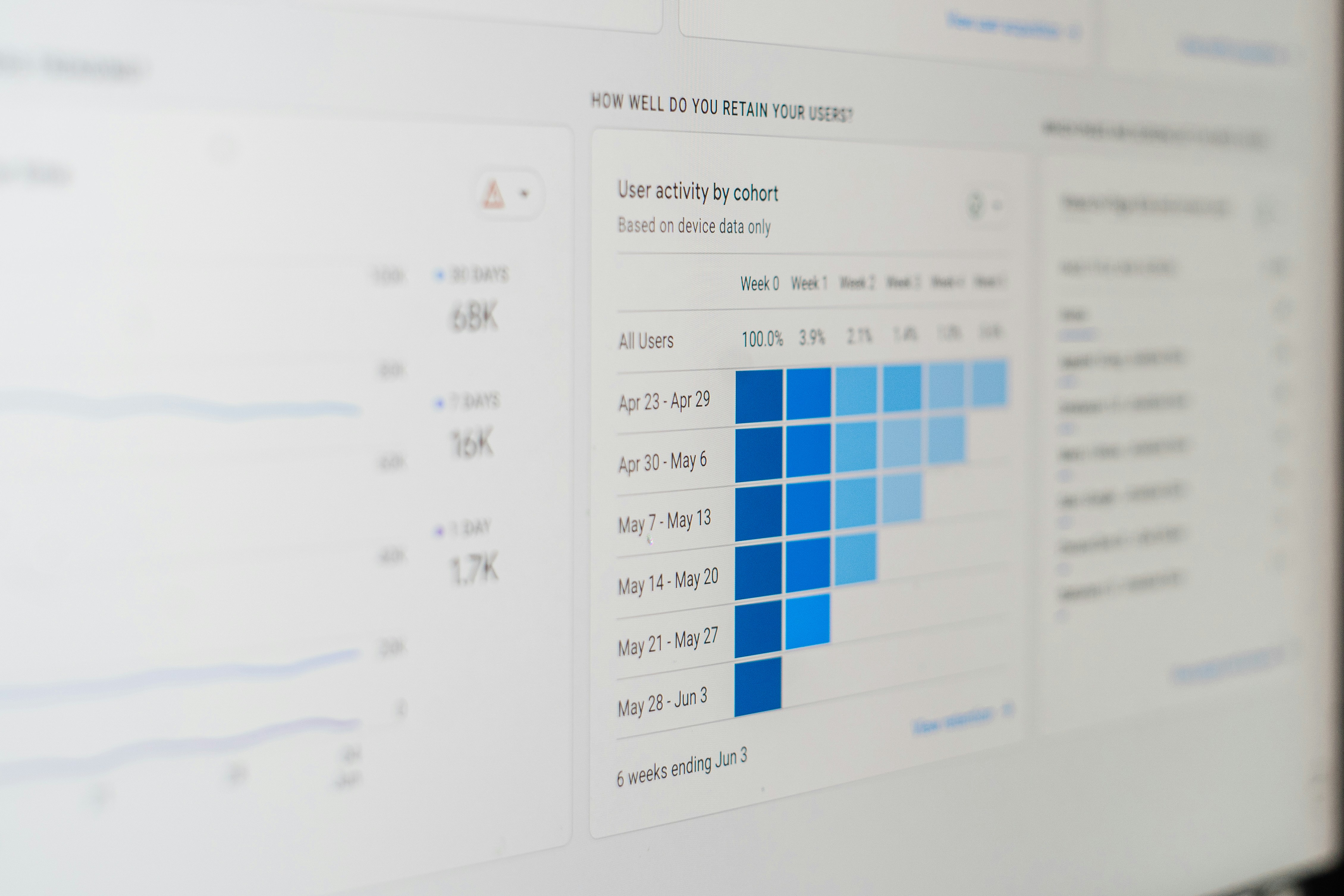
A crucial aspect of analyzing data with Looker Studio is the ability to create interactive dashboards. These dashboards visualize data trends over time, allowing stakeholders to identify behavioral patterns among users on various social platforms. By employing techniques such as cohort analysis or segmentation, companies can further customize their views to focus on specific demographics or user behaviors, enhancing the relevance of insights gleaned.
Moreover, Looker Studio features an array of analytics tools not limited to real-time data monitoring, which is essential for timely decision-making. By keeping an eye on user engagement and interactions, organizations can quickly pivot their strategies to better align with user preferences and market dynamics. It is also important to incorporate predictive analytics within the analysis process; this forward-thinking approach helps businesses forecast future trends based on historical data, aiding in strategic planning.
Insights generated through rigorous analysis often lead to data-driven decisions. For instance, businesses can identify the most engaging content types or optimal posting times through analytical findings. This strategic alignment not only maximizes reach on social platforms but also reinforces customer satisfaction and engagement.
In conclusion, leveraging Looker Studio for analyzing data equips organizations with the capabilities they need to uncover valuable insights. By focusing on interactive visualizations, real-time monitoring, and predictive analytics, businesses can effectively harness the power of data to make informed decisions that drive success in the competitive landscape of social databases.
Common Challenges & Solutions in Using Looker Studio
When utilizing Looker Studio for analytics within social databases, practitioners often encounter several common challenges that can hinder their workflow and data analysis. Understanding these obstacles is crucial for effective utilization of the platform, and implementing practical solutions can significantly enhance user experience.
One frequent issue is data discrepancies, which can arise from various sources, such as inconsistent data formats or errors during data integration. These discrepancies complicate the process of generating accurate insights. To resolve this issue, users should establish a robust data validation process. This might include cross-referencing data entries before they are fed into Looker Studio or utilizing data cleaning tools that ensure uniformity in formats and values. Regular audits of data integrity are also advisable.
Another common challenge is integration problems, particularly when connecting Looker Studio with various data sources. Users sometimes face difficulties in ensuring seamless integration with APIs or SQL databases. To mitigate these issues, it is essential to thoroughly review the connection settings and API documentation. Troubleshooting through checking network configurations and Google Cloud service permissions may also help. Additionally, engaging with community forums or professional support services can provide insights for overcoming specific integration hurdles.
Finally, visualization errors may occur, often due to insufficient understanding of the available visualization tools within Looker Studio. Users might struggle to create effective dashboards that accurately represent their data. To counter this, one recommended approach is to engage in training sessions or webinars focused on maximizing Looker Studio’s visualization capabilities. Familiarizing oneself with best practices in data visualization can lead to more informative and user-friendly outputs.
Addressing these challenges systematically not only enhances the user’s capabilities with Looker Studio but also fosters a more productive analytical environment for social databases.
Conclusion and Future Trends in Looker Studio Analytics
In this discussion on Looker Studio, we have explored its significant role in enhancing analytics within social databases. The capabilities of Looker Studio facilitate a comprehensive understanding of data patterns, empowering users to derive actionable insights tailored to their specific needs. This data visualization and analytics tool enables organizations to effectively organize vast amounts of data, turning raw information into strategic intelligence. By employing Looker Studio, businesses can gain a competitive edge in making informed decisions based on their analytics.
Looking ahead, potential future trends in analytics using Looker Studio are promising. One significant advancement is the integration of machine learning, which could revolutionize how data is analyzed and interpreted. The incorporation of advanced algorithms could enable predictive analytics, providing users with foresight into potential market trends and consumer behaviors. This shift towards data intelligence is bound to transform the analytics landscape, allowing for more efficient data modeling and forecasting.
Additionally, as social database analytics continues to evolve, the ability to analyze user-generated content will become increasingly significant. Enhanced capabilities for sentiment analysis and social listening, powered by Looker Studio, could lead to deeper insights into customer preferences and engagement strategies. The convergence of these technologies will likely support businesses in crafting personalized marketing initiatives that resonate with their audience.
In conclusion, as Looker Studio evolves, staying attuned to these emerging trends will be crucial for organizations aiming to leverage data analytics effectively. The integration of machine learning and new social database features heralds an exciting future for Looker Studio users, ensuring they remain at the forefront of analytics innovation.