Introduction to Looker Studio and Chrome Device Version Health Check
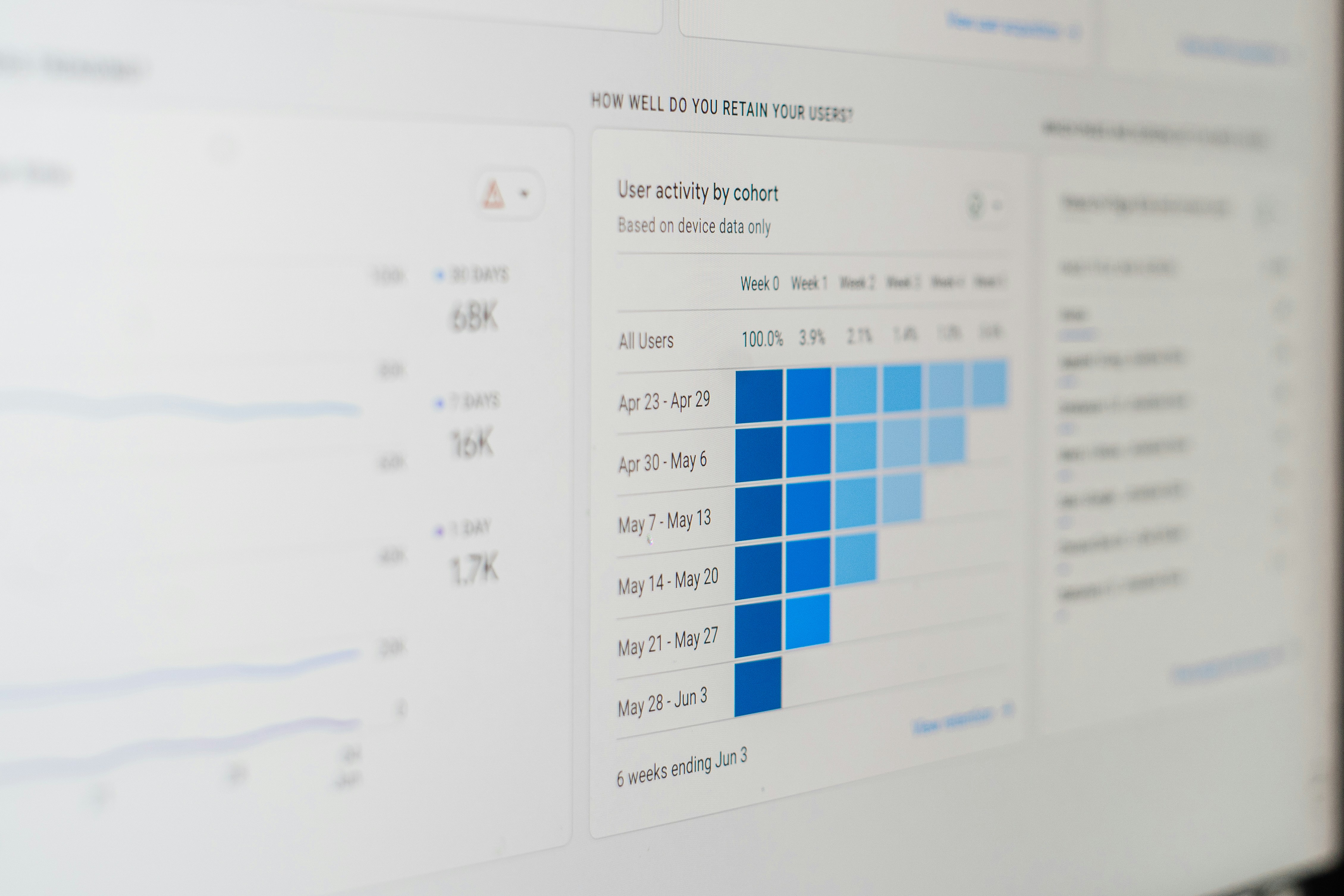
Looker Studio, formerly known as Google Data Studio, is a powerful tool designed for data visualization and reporting. It offers users the ability to transform complex data into actionable insights by creating interactive dashboards and visually appealing reports. Businesses and organizations leverage Looker Studio to make informed data-driven decisions easily. By integrating various data sources, including Google Analytics, Google Ads, and other databases, Looker Studio provides a centralized platform that enhances collaboration and fosters data transparency.
The Chrome Device Version Health Check is an essential feature that monitors the health of Chrome devices within an organization, ensuring they are running optimally. This health check assesses the version of the Chrome operating system installed on devices, alongside any updates necessary for enhancing performance and security. By routinely performing these checks, organizations can maintain consistent functionality while safeguarding their systems against vulnerabilities and performance issues.
The integration of the Chrome Device Version Health Check with Looker Studio is particularly significant for IT administrators and business analysts. Through this integration, users can visualize the health status of their Chrome devices in real-time, facilitating effective monitoring and management. Data visualized through Looker Studio allows for swift identification of devices that are out of compliance with the latest software versions, thus enabling prompt resolutions. Consequently, this ensures that all devices adhere to the required standards, maximizing efficiency and security across the organization.
In essence, Looker Studio combined with the Chrome Device Version Health Check empowers businesses to maintain data integrity while optimizing device performance. The ability to visualize device health data synthesizes complex information into a user-friendly interface, enhancing both usability and strategic planning.
Common Causes of Health Check Failures
Health check failures in Looker Studio can stem from various sources, often relating to user configuration or system environment issues. One common cause is the use of outdated browsers. Looker Studio, like many modern web applications, requires the latest features and security updates that come with current browser versions. Users operating older versions may encounter compatibility issues leading to failures during health checks.
Another potential reason for health check failures is connectivity problems. An unstable internet connection can disrupt the communication between Looker Studio and its backend services, resulting in failed health assessments. When assessing connectivity, users should ensure that their networks are stable and meet the required bandwidth for optimal performance.
Misconfigurations are also a frequent culprit. In Looker Studio, improper settings related to user permissions or data sources can impede functionality. If the platform lacks the necessary permissions to access certain data or if the settings do not align with user roles, health checks may fail. Verifying configuration settings can often resolve such issues.
Additionally, permissions errors can contribute significantly to health check failures. Users must ensure that their accounts have the appropriate access rights to view and manage resources within Looker Studio. If the required permissions are not granted, particularly in collaborative environments, it can lead to restricted access, causing tests to fail.
In summary, maintaining up-to-date browsers, ensuring stable connectivity, double-checking configuration settings, and confirming proper permissions are essential steps in mitigating health check failures in Looker Studio. By addressing these common issues, users can enhance their experience and ensure smoother operations within the platform.
Verifying Browser Version and Settings
When troubleshooting Looker Studio Chrome device version health check failures, one crucial aspect to consider is verifying the browser version and settings. Incompatibilities arising from outdated or misconfigured browser settings can significantly impact functionality. This section offers a step-by-step guide on how to check your browser version and ensure that it meets the requirements for Looker Studio.
First, open your Chrome browser and click on the three dots in the upper-right corner to access the menu. From the dropdown, select “Help,” and then click on “About Google Chrome.” This will prompt Chrome to check for updates. When the page loads, you will see the current version of the browser listed. Note the version number, as Looker Studio has specific version requirements that must be met for optimal performance.
Once you have confirmed the browser version, it is imperative to ensure that it is up to date. If an update is available, Chrome will automatically download it. To complete the installation, a prompt will appear asking you to restart the browser. It is advisable to restart immediately to apply the updates effectively. Additionally, after updating, revisit the “About Google Chrome” section to verify the version number has changed to the latest release.
Next, you need to verify Chrome settings. Go back to the main menu and go to “Settings.” Under the “Privacy and Security” section, make sure that you have enabled cookies and JavaScript, as these settings significantly influence your web experience and the performance of Looker Studio. If either feature is disabled, adjust the settings accordingly and reload the Looker Studio page.
Thoroughly checking the browser version and settings is foundational for tackling health check failures in Looker Studio. Proper configuration ensures that the browser can execute all necessary functions effectively, thereby minimizing potential issues.
Network Connectivity Issues and Solutions
Network connectivity is a critical aspect of ensuring that Looker Studio functions properly, particularly in the context of the Chrome Device Version Health Check. Various factors related to network performance can hinder the health check process, leading to failures that disrupt analysis and reporting capabilities. Common issues include unstable internet connections, incorrect firewall settings, and misconfigured proxy servers.
First and foremost, an unstable or slow internet connection can severely impact the ability of Looker Studio to communicate with its servers. It is advisable to conduct a speed test to ascertain whether the connection speed meets the application’s requirements. Additionally, consider switching to a wired connection if wireless options show inconsistencies, as this may provide a more reliable network experience.
Another vital consideration is the role of firewalls in network connectivity. Corporate firewalls may block certain ports or services essential for Looker Studio’s functionalities. Users should verify firewall settings to ensure that outgoing connections to Looker Studio’s endpoints are permitted. Checking with the IT department can clarify whether specific rules or configurations need to be adjusted.
Proxy settings may also interfere with network connectivity. If your organization uses a proxy server, ensure that it is configured correctly to allow Looker Studio traffic. Adjusting the proxy settings in the Chrome browser can resolve many connectivity issues, leading to a successful health check process.
For persistent connectivity issues, reviewing router settings and updating network hardware can also be prudent. Firmware updates can enhance performance and provide better security, improving overall access to Looker Studio services. In conclusion, a thorough examination of these network factors can help diagnose and resolve connectivity issues affecting the health check process, ensuring reliable and effective use of Looker Studio.
Resolving Permissions and Access Errors
When utilizing Looker Studio, users often encounter health check failures related to permissions and access settings. These issues can stem from improperly assigned roles and privileges, thereby obstructing the seamless operation of the application. To address these access errors, it is essential to meticulously evaluate and adjust user permissions.
Firstly, it is crucial to identify the user roles defined within the Looker Studio environment. This identification process involves checking the configurations in the ‘Admin’ panel where user roles are managed. Each user should have a role that aligns with their responsibilities in relation to the data and reports being accessed. For example, users who need to create, modify, or share reports should ideally be assigned ‘Editor’ or ‘Administrator’ roles, while viewers may need only ‘Viewer’ access.
Once role assignments are confirmed, the next step is to verify that the user groups have the necessary permissions to access specific data sources or reports. Ensuring that the correct data sets are shared with the corresponding groups will minimize the likelihood of encountering health check failures. Access to data models and permissions for viewing or editing must also be scrutinized to ensure compliance with organizational security policies.
In addition to role and data set verification, it is prudent to periodically review access logs for any unauthorized attempts or failed access incidents. This check can reveal if further permissions adjustments are required or if any security breaches have occurred. Ultimately, taking these proactive steps should help in resolving most access-related health check failures in Looker Studio, establishing a smoother user experience.
Using Chrome Developer Tools for Debugging
To troubleshoot Looker Studio’s Health Check failures, utilizing Chrome Developer Tools can be invaluable. This toolset allows developers to inspect web pages directly in the Chrome browser, providing insights into elements that may be causing issues. To access these tools, follow these steps:
1. **Open Chrome Browser:** Launch the Google Chrome browser on your device.
2. **Navigate to Looker Studio:** Visit the Looker Studio page where the Health Check is failing.
3. **Access Developer Tools:** Right-click on the page and select “Inspect,” or use the shortcut keys Ctrl + Shift + I (or Command + Option + I on Mac). This action opens the Developer Tools panel.
Once you have the Developer Tools open, you can utilize various features to diagnose health check issues. The “Console” tab is particularly useful for identifying any JavaScript errors responsible for failures. Any error messages or warnings displayed here can guide you toward the source of the problem.
Additionally, the “Network” tab allows you to monitor all network requests that are sent when loading the Looker Studio page. By examining the status of each request, you can determine if there are issues with APIs or resources not loading correctly. Make sure to refresh the page (with Developer Tools open) to see the network activity in real-time.
For a deeper analysis, the “Elements” tab helps you examine the document structure of the page, allowing you to inspect specific elements and their properties. Looking at the generated HTML and CSS can reveal elements that might be malfunctioning and provide context for the Health Check errors.
By methodically using Chrome Developer Tools, you can acquire concrete evidence related to any ongoing issues with Looker Studio’s functionality. This will ultimately facilitate a more efficient troubleshooting process, making it easier to rectify the failures detected during Health Checks.
Clearing Cache and Cookies as a Fix
Caching and cookies are methods utilized by web browsers like Google Chrome to enhance user experience by storing necessary information and reducing load times. However, when it comes to using Looker Studio, outdated or corrupted cached data and cookies can lead to performance issues and health check failures. This interference often manifests in the inability to effectively retrieve or display data, thereby hampering the operational efficiency of the application.
When attempting to resolve health check failures in Looker Studio, the first recommended step is clearing the cache and cookies in your Chrome browser. Below is a step-by-step guide on how to do this:
- Open your Google Chrome browser.
- In the top-right corner, click on the three vertical dots to access the menu.
- Select ‘Settings’ from the drop-down menu.
- Scroll down and click on ‘Privacy and security’ in the left sidebar.
- Here, click on ‘Clear browsing data.’
- A new dialogue box will open. Choose the time range for which you want to delete cached data and cookies. To remove all data, select ‘All time.’
- Make sure to check the boxes for ‘Cookies and other site data’ and ‘Cached images and files.’
- Finally, click on the ‘Clear data’ button to complete the process.
By following these steps, you effectively discard potentially problematic cached information that could be causing Looker Studio health check failures. It is advisable to perform this action periodically as part of maintaining optimal performance while using the application. After clearing the cache and cookies, revisit Looker Studio to check if the health check issue persists.
Seeking Professional Help and Support
While many users may find solutions to health check failures in Looker Studio on their own, there are circumstances where seeking professional help is prudent. Complex issues may arise that cannot be easily diagnosed or resolved through self-troubleshooting methods. If you find that standard troubleshooting techniques—such as clearing your browser cache, updating your Chrome browser, or verifying internet connectivity—do not rectify the health check failure, it may be time to consult with professionals.
Specific scenarios warranting a request for support include persistent issues that repeatedly impact your ability to use Looker Studio effectively. If you are experiencing frequent disruptions or if the device health check continually fails despite following best practices, it might indicate a deeper underlying issue. Engaging with a support team can offer you insights that go beyond general troubleshooting guides.
Users should also consider reaching out for help if error messages are unclear or if they encounter system behaviors that do not align with experience described in available documentation. These irregularities can indicate configuration problems or software incompatibilities that require expert intervention for proper resolution.
For assistance, you can directly contact Looker Studio support, where trained professionals can provide tailored advice suited to your unique situation. Alternatively, certified professionals, such as those at R.G. Gupta, possess extensive knowledge that could expedite the resolution process. Seeking professional advice can save time and reduce frustration, ultimately enabling you to return to effective data visualization and analysis.
In conclusion, rather than struggling with unresolved issues, do not hesitate to explore these professional support options when health check failures in Looker Studio persist. By doing so, you can ensure that you maintain an optimal working experience with the tool, backed by expert guidance.
Conclusion and Best Practices for Preventing Future Issues
Addressing Looker Studio Chrome Device Version health check failures involves a systematic approach in identifying and resolving underlying issues. Throughout this troubleshooting process, we reviewed critical steps such as checking network connectivity, verifying configuration settings, ensuring compatibility of the device, and keeping the Looker Studio version updated. Each component plays a pivotal role in maintaining the overall functionality and reliability of the platform.
To prevent future health check failures, several best practices should be adopted. Firstly, regularly monitoring the network connection and device configurations can help detect anomalies before they escalate into significant issues. Establishing routine checks on hardware performance can significantly enhance the stability of the Looker Studio environment.
Moreover, keeping software up to date is imperative. This includes not just the Looker Studio but also associated devices and network equipment. By ensuring that all components are running the latest versions, potential compatibility issues can be mitigated, which in turn reduces the likelihood of health check failures.
Furthermore, providing comprehensive training and documentation to users can help them understand how to operate the system effectively. This knowledge can empower users to handle minor issues on their own, reducing dependence on technical support and increasing overall efficiency.
Lastly, maintaining an open line of communication with Looker Studio’s technical support team ensures that assistance is available at critical times. By implementing these best practices, organizations can significantly enhance their resilience against potential health check failures in the future.