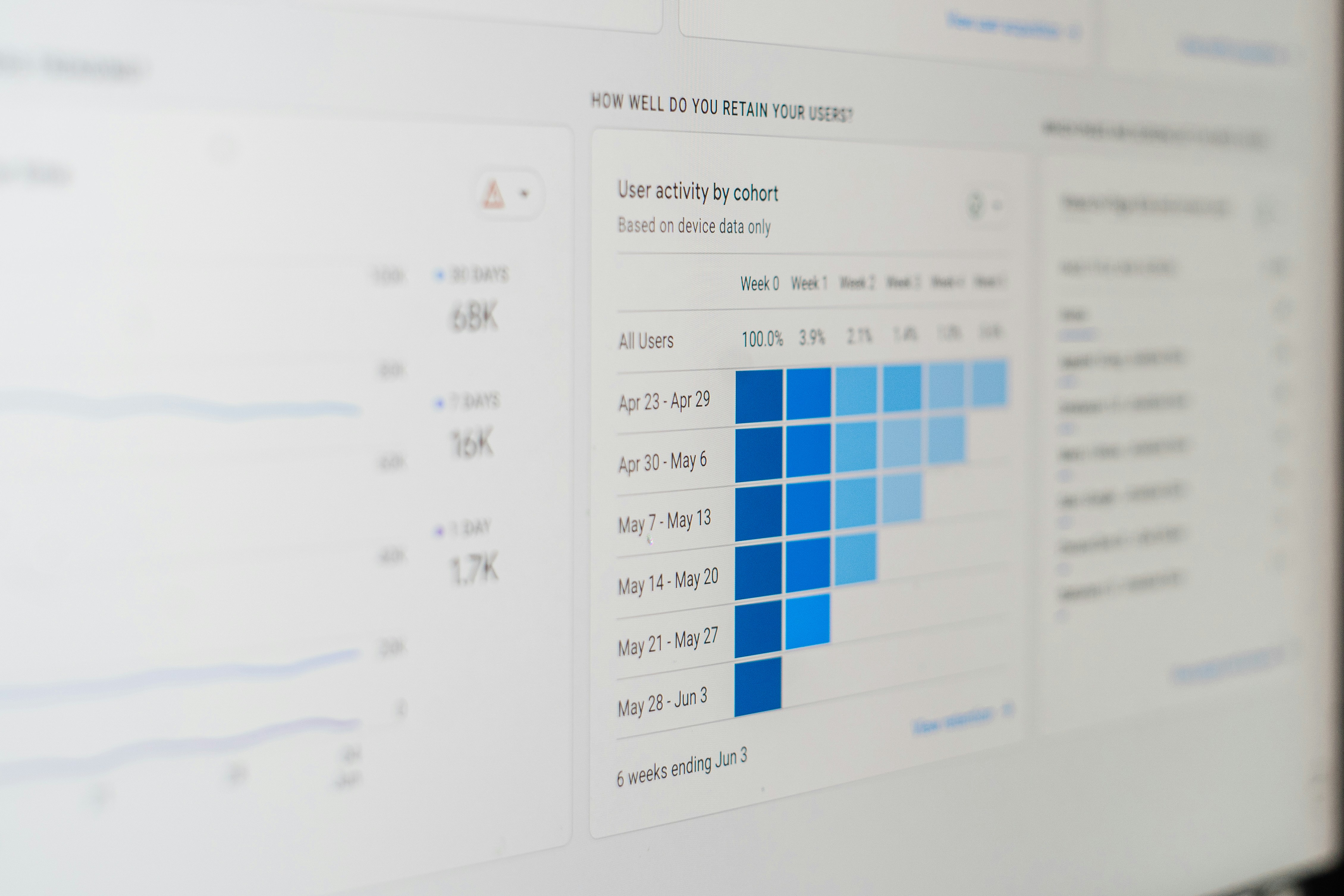
Introduction to Looker Studio
Looker Studio, previously known as Google Data Studio, is a versatile business intelligence tool designed to enhance data analytics and visualization. Its core functionalities are centered around transforming raw data into insightful reports and dashboards, which can be vital for decision-making processes in modern businesses. In an era where data-driven strategies govern operational success, utilizing a platform like Looker Studio can catalyze profound organizational changes.
The importance of data visualization cannot be overstated. In a landscape flooded with information, effectively presenting data enables users to discern patterns, trends, and key performance indicators rapidly. Looker Studio stands out in this regard by allowing users to integrate data from multiple sources seamlessly. This integration fosters a comprehensive view, facilitating granular analysis that might be overlooked without a unified platform.
User experience is another critical aspect of Looker Studio. The interface is designed to be intuitive, accommodating users with varying levels of technical expertise. This accessibility encourages collaborative efforts among teams, as stakeholders from different departments can engage with the data meaningfully. Customization options enable users to tailor dashboards to their specific requirements, ensuring that the visual representation aligns with their analytic goals.
Moreover, Looker Studio supports real-time data updates, which is essential for maintaining the relevance of visualized insights. As businesses evolve and new data emerges, the ability to adapt and refine analytics becomes increasingly important. This feature empowers companies to remain agile, responsive to market changes, and informed in their strategic planning.
The Benefits of Using Looker Studio for Reporting
Looker Studio has emerged as a powerful tool for organizations aiming to enhance their reporting capabilities. One of the standout benefits of using Looker Studio lies in its capacity for real-time data analysis. In today’s fast-paced business environment, obtaining timely insights is critical. Looker Studio allows teams to access up-to-the-minute data, enabling informed decision-making based on the latest information. This immediate access fosters a culture of agility within teams, allowing them to respond quickly to market changes and internal developments.
Moreover, the platform is designed with user-friendliness in mind. Looker Studio’s intuitive interface allows users, regardless of their technical expertise, to navigate through its features effortlessly. This ease of use significantly decreases the time required for training and onboarding, allowing teams to focus on generating insights rather than mastering complicated tools. The learning curve is minimal, which is essential for companies aiming for smooth integration of new technologies.
Customizable dashboards are another noteworthy feature of Looker Studio. Users can tailor their dashboards to display metrics and visualizations that matter most to them. This personalization of data presentation ensures that stakeholders can view insights relevant to their specific roles, thereby enhancing data utilization across the board. With numerous visualization options available, users can create a compelling narrative that supports their reporting objectives.
Furthermore, Looker Studio fosters collaboration among teams, which is crucial for effective decision-making. Its sharing and commenting features enable team members to discuss findings and insights in real time. This collaborative environment means that stakeholders can provide feedback and contribute to the analytical process, ensuring that all viewpoints are considered. The combined effect of these features elevates the overall reporting experience, driving better business outcomes.
Setting Up Looker Studio: A Step-by-Step Guide
Setting up Looker Studio effectively requires a systematic approach to ensure that you harness the full potential of this powerful data visualization tool. The initial phase begins with account creation. Visit the Looker Studio website and sign up using your Google account. This integration simplifies the process by allowing you to leverage existing Google services. Once your account is created, you can start exploring the functionalities offered by Looker Studio, which enable users to create visually appealing reports and dashboards.
After creating your account, the next crucial step is connecting your data sources. Looker Studio supports a variety of data connectors including Google Sheets, Google Analytics, BigQuery, and external SQL databases. To connect your data, navigate to the ‘Create’ button, and select ‘Data Source’. From there, you can choose the appropriate connection type. Ensure that you grant Looker Studio the necessary permissions to access your data, as this will directly influence the efficiency of your reporting capabilities.
Once your data sources are connected, configuring your initial settings is paramount for optimal performance. Pay attention to the data freshness settings and adjust them according to the frequency of updates needed for your reports. Moreover, it’s advisable to set up your default chart types and styles to align with your reporting requirements right from the start. This preparation minimizes adjustments later on and enables a cohesive analysis environment.
By following these steps—creating your account, connecting your data sources, and configuring settings—you will lay a strong foundation for using Looker Studio. As a result, you will be well-positioned to explore its features, analyze data, and transform insights into actionable reports with increased efficiency.
Creating Effective Dashboards in Looker Studio
Creating effective dashboards in Looker Studio requires a thoughtful approach to design and usability. A well-structured dashboard enables users to intuitively access critical information and derive actionable insights. The first principle to consider is clarity; a dashboard should communicate key data points without overwhelming the user. This can be achieved by prioritizing essential metrics and organizing them in a clear hierarchy.
Another important aspect is the visual representation of data. Looker Studio provides various visualization options, including charts, tables, and maps. Selecting the appropriate type of visualization is crucial since it affects how easily users can interpret the information. For instance, bar charts are ideal for comparing discrete categories, while line graphs are more effective for displaying trends over time. Always thitke about the story the data tells and choose visuals that support that narrative.
Usability should also be a primary focus. Interactive elements, such as filters and drill-down capabilities, enhance user engagement by allowing individuals to customize the view according to their unique needs. Ensuring that dashboard components are responsive and easy to navigate contributes to a positive user experience. Furthermore, incorporating tooltips and concise labels can help users understand the context of data points without cluttering the dashboard.
Lastly, consider the audience for the dashboard. Different stakeholders may have varying needs and expertise levels, so it is essential to tailor the dashboard content accordingly. A dashboard intended for executives might focus on high-level KPIs, while a more detailed dashboard could cater to analysts seeking granular data. By aligning the dashboard design with the audience’s requirements, you enhance its relevance and effectiveness.
Advanced Features of Looker Studio
Looker Studio provides a variety of advanced features that enhance its capabilities for data analysis and visualization. One of the most significant aspects is its robust data modeling functionality. This allows users to create complex data structures and define relationships between different data sets. With Looker’s modeling layer, users can build customized data models tailored to their specific business requirements, enabling them to conduct more sophisticated analyses and derive more meaningful insights from their data.
Additionally, Looker Studio offers extensive user permissions settings, which provide administrators the ability to control who has access to certain data and functionalities within the platform. This feature is crucial for organizations that handle sensitive information or operate in a regulated environment. By managing user permissions effectively, businesses can ensure that users only access the data necessary for their role, thereby maintaining data integrity and security.
Another noteworthy feature of Looker Studio is its ability to integrate with additional analytics tools and data sources. This integration capability allows businesses can leverage existing analytics solutions alongside Looker, enhancing their overall data analysis capabilities. The platform supports connections with various data warehouses, APIs, and third-party tools, making it a versatile option for organizations looking to centralize their analytics efforts and gain comprehensive insights.
Furthermore, Looker Studio facilitates collaboration by allowing users to easily share reports and dashboards with their team members or stakeholders. This promotes a culture of data-driven decision-making, as teams can collectively explore and analyze data in real-time, leading to deeper insights and improved business outcomes.
Case Studies: Success Stories with Looker Studio
In today’s data-driven landscape, organizations across various sectors are leveraging Looker Studio to transform their data reporting and analytical capabilities. This section highlights notable case studies that exemplify the successful implementation of Looker Studio and its transformative impact on diverse industries.
One noteworthy example is that of a leading e-commerce company that faced challenges in integrating data from multiple sources. By implementing Looker Studio, they were able to streamline their data workflows and create customized dashboards that provided deeper insights into customer behavior and sales trends. This effectively reduced reporting time by 50% and enabled the marketing team to execute targeted campaigns, ultimately leading to a 30% increase in sales.
Another compelling case comes from the healthcare sector. A large hospital network utilized Looker Studio to enhance patient care through data analytics. By integrating electronic health records with operational data, they developed reporting tools that allowed for real-time analytics. This implementation led to a reduction in patient wait times by 20%, improved resource allocation, and increased overall patient satisfaction by utilizing data-driven decisions.
Furthermore, a well-known financial services firm implemented Looker Studio to gain insights into market trends. By utilizing its powerful data visualization capabilities, the firm could analyze vast datasets, allowing analysts to pinpoint investing opportunities quickly. This led to improved decision-making processes, enhancing their competitive advantage and increasing portfolio performance.
These examples illustrate how organizations can unlock the potential of their data by utilizing Looker Studio as a powerful reporting and analytics tool. The flexibility and strength of Looker Studio enable tailored solutions across industries, ultimately driving efficiency and growth.
Common Challenges and Troubleshooting in Looker Studio
Working with Looker Studio can be a rewarding experience, but like any powerful tool, it comes with its set of challenges. Users frequently encounter difficulties related to data connections, report sharing, and visualizations. Understanding these challenges and knowing how to troubleshoot them can enhance the overall user experience.
One common challenge involves data source connectivity. Users often struggle to connect Looker Studio to their data sources due to misconfigured credentials or unsupported formats. To resolve this issue, check the connection settings and ensure that all necessary permissions are granted. Additionally, confirming that the data format is compatible with Looker Studio can also facilitate a seamless connection.
Another prevalent issue is the sharing and collaboration features. Some users find it challenging to share reports or dashboards effectively. Ensure that the right users are granted access and consider setting appropriate sharing permissions, such as view-only or edit capabilities, based on the collaborative needs. Additionally, testing the sharing process by sending links to test users can help identify any potential roadblocks.
Visualizing data can also pose a challenge for many users. When reports do not display as intended, it is often due to incorrect configurations or a lack of suitable visualizations for the dataset. To troubleshoot this, verify the data aggregation settings and ensure that the right visualization types are being employed. Experimenting with different chart types or configurations can yield better insights from the data.
Lastly, updates and changes to Looker Studio may sometimes result in unexpected behavior. Keeping abreast of new features and enhancements can help users navigate changes efficiently. If issues persist, accessing the Looker Studio community forums or official support resources may provide further solutions.
Integrating Looker Studio with Other Tools
Looker Studio, as a powerful data visualization and analytics tool, can play a crucial role in enhancing the overall performance of various data analysis and marketing processes. One of the significant advantages of Looker Studio is its ability to integrate seamlessly with a wide range of other platforms and tools, thus creating a comprehensive ecosystem for data management.
Integrating Looker Studio with popular tools like Google Analytics, Google Ads, and other marketing automation software allows users to consolidate data from different sources into a unified dashboard. This integration streamlines reporting processes, enabling businesses to access real-time insights and make data-driven decisions promptly. The synergy created by these integrations enhances the analytics performance by providing a holistic view of marketing metrics, user behaviors, and campaign effectiveness.
Moreover, Looker Studio can be integrated with data warehousing solutions such as BigQuery and Snowflake. Such integrations enable businesses to analyze vast datasets with high efficiency, enhancing data retrieval times and improving overall data analysis workflows. This is particularly beneficial for enterprises that require advanced analytical capabilities without compromising on performance.
Another notable point is the compatibility of Looker Studio with various customer relationship management (CRM) systems. By linking Looker Studio with CRM platforms, organizations can track customer interactions and measure the impact of marketing efforts on sales performance. This provides invaluable insights into customer journeys, facilitating better targeting and personalized marketing strategies.
Overall, integrating Looker Studio with other applications not only boosts analytics capabilities but also enhances productivity by fostering a more cohesive workflow. With a centralized approach to data analytics and reporting, businesses can unlock valuable insights efficiently and effectively.
Conclusion and Future Trends in Data Reporting
Throughout this comprehensive guide on Looker Studio, we explored its capabilities in transforming data reporting and analytics. Looker Studio stands out for its user-friendly interface, which simplifies complex data visualizations, making them accessible to a broader audience. The integration of real-time data processing enhances decision-making, allowing businesses to respond swiftly to changing market dynamics.
The importance of data-driven insights cannot be overstated in today’s competitive landscape. As organizations strive for greater efficiency and innovation, Looker Studio offers the flexibility necessary to adapt to rapidly evolving business needs. Its customizable dashboards empower users to tailor reports according to specific goals, ensuring relevant insights are readily available.
Looking to the future, several trends in data reporting are emerging. The rise of artificial intelligence and machine learning will likely play a significant role in enhancing analytics capabilities. These technologies can automate the identification of trends and outliers within datasets, providing deeper insights that were previously unattainable through traditional reporting methods. Furthermore, the integration of predictive analytics will enable businesses to forecast future performance with a higher degree of accuracy.
Additionally, the concept of self-service analytics is gaining traction, as organizations seek to empower employees at all levels to access and analyze data independently. This democratization of data capabilities aligns seamlessly with Looker Studio’s mission to make data accessible and actionable. The ongoing evolution of data privacy regulations will also influence reporting strategies, necessitating tools that ensure compliance while delivering insights.
In summary, Looker Studio is not just a tool for today but an adaptable platform that is continually evolving to meet the future needs of data reporting and analytics. By embracing the trends of increasing automation, personalization, and compliance, Looker Studio is well-positioned to contribute significantly to the future landscape of data-driven decision-making.