
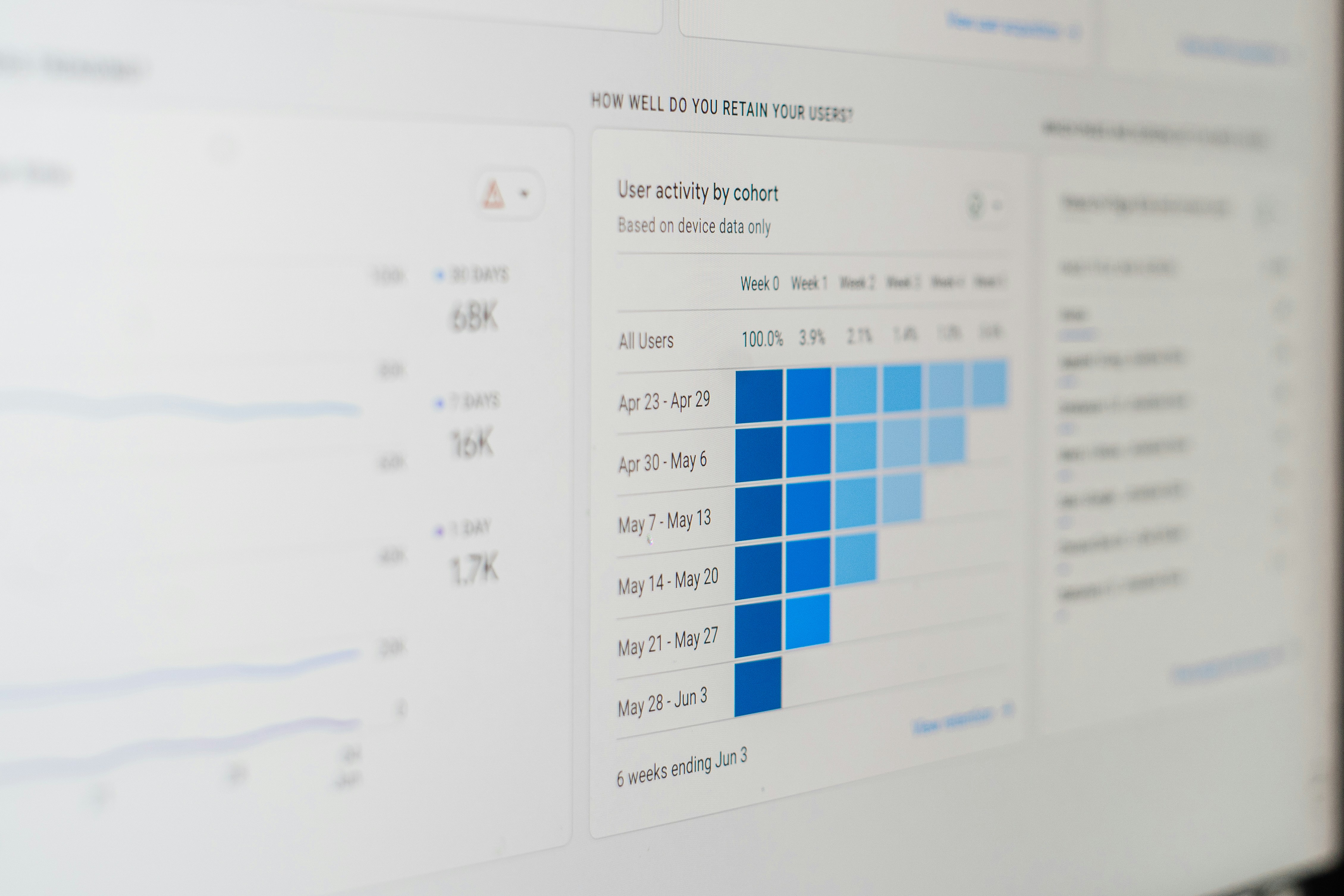
Introduction to Looker Studio in Healthcare
Looker Studio, a powerful data analytics and business intelligence tool, holds significant promise for the healthcare sector. In an industry where effective decision-making hinges on access to accurate and timely data, Looker Studio offers healthcare organizations the ability to extract, visualize, and report data efficiently. This capacity is vital in an environment characterized by rapid changes and a continuous need for data-driven insights.
One of the primary advantages of Looker Studio lies in its data visualization capabilities. By utilizing various data sources, healthcare organizations can create interactive dashboards and comprehensive reports that highlight key performance indicators, patient outcomes, and operational metrics. This visual representation of data not only aids in better interpretation but also enhances the ability to communicate findings to stakeholders across varied levels within the organization.
Moreover, Looker Studio supports real-time data updates, ensuring that healthcare professionals make informed decisions based on the most current information. This feature is particularly beneficial in scenarios such as tracking patient care metrics, analyzing treatment efficacy, or managing resource allocations. By leveraging real-time data, healthcare organizations can adapt quickly to changing conditions, ultimately leading to improved patient care and operational efficiency.
Furthermore, Looker Studio incorporates robust analytical tools that allow users to drill down into datasets for more granular analysis. This functionality is essential for healthcare analysts and data professionals who require in-depth exploration of trends and patterns in health data. Through Looker Studio’s capabilities, organizations can gain insights that drive strategic initiatives and enhance overall healthcare performance.
In summary, Looker Studio emerges as an indispensable asset for healthcare reporting. Its ability to visualize and analyze complex datasets empowers healthcare organizations, fostering a data-informed culture that supports enhanced patient outcomes and operational success.
Understanding Chrome Device Icons in Looker Studio
Chrome device icons serve as a crucial interface element within Looker Studio, particularly for users engaged in healthcare reporting. These icons facilitate a streamlined user experience by providing visual representations of various Chrome devices linked to the dashboard. This integration allows users to quickly identify the types of devices being monitored or reported on, thereby enhancing the overall functionality of healthcare dashboards.
In Looker Studio, Chrome device icons can be utilized to represent devices like Chromebooks, Chromeboxes, and other Chrome OS hardware. When embedded in reports, these icons allow stakeholders to have immediate visual access to device-related data, helping to inform decisions regarding technology deployment within healthcare facilities. By utilizing these icons, users not only improve visual engagement but also enhance the interpretability of the reports. This is crucial in the healthcare sector, which often deals with complex data sets.
The inclusion of Chrome device icons into healthcare reporting dashboards also aids in promoting a more intuitive interaction with the data. Healthcare professionals, often under tight time constraints, can swiftly assess device performance, usage statistics, and related KPIs without extensive navigation or requiring deep technical knowledge. This ease of access is particularly significant in environments where timely decision-making is essential for patient care and operational efficiency.
In essence, Chrome device icons enhance the reporting capabilities within Looker Studio by making data more accessible and actionable. They provide healthcare organizations with a means to visualize their technology infrastructure effectively, thereby ensuring optimal use of resources while ultimately improving patient outcomes. By leveraging these icons, stakeholders in healthcare can achieve a clearer understanding of their technology landscape, making data-driven strategies more achievable.
Benefits of Using Looker Studio for Healthcare Reporting
Looker Studio offers a multitude of advantages for healthcare reporting, significantly enhancing how organizations manage their data. One of the paramount benefits is the real-time data access it provides. Healthcare professionals require timely information to make informed decisions regarding patient care and operational efficiency. With Looker Studio, users can access updated data instantly, enabling them to identify trends and address issues as they arise.
Moreover, improved decision-making is a core benefit of utilizing Looker Studio. The platform supports data-driven strategies by making complex data sets easy to visualize and interpret. By harnessing advanced analytics and reporting capabilities, healthcare managers can derive actionable insights that boost overall performance. This contributes to better patient outcomes as clinicians base their decisions on comprehensive and analyzed data.
Streamlining reporting processes is another notable advantage of Looker Studio. Traditionally, healthcare reporting can be a cumbersome and time-consuming task. Looker Studio simplifies this by automating many aspects of the reporting process, allowing teams to generate comprehensive reports quickly and efficiently. This not only saves time but also reduces the potential for human error, which is critical in healthcare environments where precision is paramount.
Additionally, customization options available in Looker Studio allow healthcare organizations to tailor reports to meet specific needs. Users can create personalized dashboards and visualizations that focus on relevant metrics such as patient satisfaction scores, hospital readmission rates, and other key performance indicators. This flexibility ensures that stakeholders receive the most pertinent information necessary for their roles, fostering a collaborative environment where data is easily sharable and understood.
Integrating Healthcare Data into Looker Studio
The integration of healthcare data into Looker Studio constitutes a critical process that significantly enhances reporting and analytics capabilities. The initial step involves the collection of various types of healthcare data, which can include patient demographics, clinical outcomes, billing information, and operational metrics. This data is typically aggregated from multiple sources such as Electronic Health Records (EHR) systems, Laboratory Information Systems (LIS), and practice management software.
Once the data is collected, the next step is to implement a proper integration strategy within Looker Studio. This generally involves utilizing data connectors that link Looker Studio to the healthcare data sources. These connectors facilitate real-time data access, ensuring that the analytics reflect the most current information. It’s also essential to employ Extract, Transform, Load (ETL) processes to clean and prepare the data for use, which includes eliminating duplicates, normalizing formats, and enriching data sets where necessary.
Data quality and security are paramount in the healthcare industry. Therefore, organizations must prioritize implementing robust data governance frameworks, which include rigorous data validation methods and encryption protocols to protect sensitive patient information. Healthcare providers must ensure compliance with regulations such as HIPAA when integrating data into Looker Studio. This not only helps in maintaining trust with patients but also aids in avoiding potential legal consequences associated with data breaches.
In summary, integrating healthcare data into Looker Studio involves a systematic approach that encompasses data collection, processing, and ensuring quality and security of data. By adhering to these guidelines, healthcare organizations can leverage Looker Studio’s capabilities to gain valuable insights, thereby enhancing decision-making and overall patient care.
Visualizing Healthcare Metrics with Looker Studio
In the field of healthcare, effective data visualization is crucial for analyzing metrics and making informed decisions. Looker Studio offers an array of visualization techniques that cater specifically to health data, enhancing the ability to monitor outcomes and improve patient care. One of the primary visualization tools available is the line chart, which is particularly useful for tracking changes in health metrics over time. By depicting trends, it enables healthcare professionals to identify patterns such as patient recovery rates or fluctuations in emergency room visits.
Bar charts are another effective visualization option in Looker Studio, providing a clear and straightforward method to compare various health metrics. For instance, a bar chart can effectively showcase the performance of different departments within a healthcare facility, highlighting areas that may require additional resources or interventions.
Moreover, Looker Studio empowers users to create customized dashboards that integrate multiple visualizations into a single view. These dashboards can serve as a comprehensive tool for healthcare providers, offering real-time insights into various metrics such as patient admissions, readmissions, and treatment effectiveness. By utilizing geographically colored maps, Looker Studio can also present data with spatial dimensions, revealing insights that spatially aggregate healthcare delivery and outcomes across regions.
In addition to these popular choices, healthcare practitioners can utilize pie charts to illustrate the composition of specific health metrics, such as demographic distributions for a particular patient group. This facilitates an understanding of health disparities and aids in resource allocation. Overall, the diverse visualization techniques offered by Looker Studio, including line charts, bar charts, and customizable dashboards, empower healthcare entities to convey complex data succinctly and effectively, thereby enhancing clarity and usability of health metrics.
Case Studies: Successful Implementations of Looker Studio in Healthcare
Healthcare organizations face unique challenges when it comes to reporting vital statistics and operational performance metrics. The implementation of Looker Studio has emerged as a powerful solution in overcoming these challenges, facilitating data-driven decision-making. In examining real-world case studies, we can gather insights on successful applications of Looker Studio in healthcare settings.
One notable example is a large urban hospital that struggled with inefficient data extraction processes from various electronic health record (EHR) systems. Integrating Looker Studio enabled the hospital to streamline reporting capabilities, allowing for customized dashboards that aggregate patient care metrics, financial performance, and operational efficiency. The transition not only reduced the time spent on report generation by 60% but also enhanced the accuracy of the data presented to stakeholders. By utilizing Looker Studio’s capabilities, the organization improved its data visualization and reporting processes, which positively impacted clinical decision-making.
Another instance involves a regional healthcare provider that aimed to enhance patient outcomes through better performance tracking. This provider had previously relied on multiple disjointed systems for data analytics. The adoption of Looker Studio allowed for the consolidation of patient metrics into a single, intuitive interface. As a result, healthcare professionals could quickly identify trends in patient treatment and outcomes. Following implementation, patient satisfaction scores increased by 25%, and there was a significant improvement in treatment protocols. Challenges encountered during the integration phase were primarily related to data standardization, which were effectively addressed through collaborative efforts between IT and clinical teams.
These case studies demonstrate that by leveraging Looker Studio, healthcare organizations can not only overcome reporting challenges but also drive meaningful improvements in patient care and operational efficiency. The outcomes achieved through these implementations illustrate the transformative potential of data analytics in the healthcare sector.
Best Practices for Creating Healthcare Reports in Looker Studio
Creating effective healthcare reports in Looker Studio requires a thoughtful approach to ensure that the presented data is both informative and easily digestible. To achieve this, one should focus on several critical aspects including layout, color schemes, and clarity of information. Firstly, the layout should be designed to guide the viewer seamlessly through the data points. Using a clear hierarchy, such as headers and subheaders, will help categorize information logically. It is beneficial to utilize grids and alignment for a structured appearance, making it easier for users to follow the report.
Color schemes play a vital role in healthcare reporting. Utilizing a palette that is both professional and easy on the eyes is essential. Choosing calming colors can enhance readability and reduce cognitive strain, especially when presenting complex data. Limit the number of colors to avoid visual clutter, and ensure there is sufficient contrast between text and background. This will aid in highlighting key metrics without overwhelming the audience.
Moreover, the audience for healthcare reports may vary in expertise, so simplifying complex data is crucial. Utilize visual aids such as charts, graphs, and tables to present data intuitively. Ensure that these visuals are accompanied by brief explanatory notes, which add context but remain concise. Additionally, leveraging interactivity within Looker Studio can empower users to explore data more thoroughly, catering to their individual needs and interests.
Finally, always keep accessibility in mind. Documentation should cater to diverse audiences, including those with visual impairments. Providing alternative text for visuals and ensuring that all text is legible will enhance accessibility. By adhering to these best practices, you can create healthcare reports that effectively communicate vital information, enhancing decision-making processes within the healthcare sector.
The future of healthcare reporting is poised for significant transformation, particularly through the application of innovative technologies such as Looker Studio. As healthcare systems increasingly rely on data analytics for informed decision-making, we can anticipate several key trends that will shape how reporting practices evolve. One prominent trend is the integration of advanced data visualization techniques, which aim to present complex datasets in more intuitive and comprehensible formats. Looker Studio plays a pivotal role in this evolution, allowing healthcare analysts to create dynamic and interactive reports that facilitate deeper insights.
Moreover, with the growing prominence of artificial intelligence (AI) and machine learning (ML), healthcare reporting will likely see the incorporation of predictive analytics. These technologies can enhance the reporting process by identifying patterns and forecasting future outcomes based on historical data. By utilizing Looker Studio with AI-powered features, healthcare organizations can derive actionable insights that inform patient care and operational efficiency.
Another trend worth noting is the rise of real-time data reporting. As healthcare becomes increasingly fast-paced, the demand for immediate access to pertinent information is crucial. Looker Studio’s ability to connect and visualize real-time data feeds ensures that healthcare professionals have access to the most current information, enabling timely decision-making. This capability not only improves patient outcomes but also streamlines various operational processes.
Furthermore, as the emphasis on personalized medicine grows, healthcare reporting will likely pivot towards more individualized data analysis. Looker Studio’s flexible reporting tools can adapt to these needs, providing tailored insights that reflect the specific requirements of different patient demographics.
All these trends signal a future where Looker Studio is at the forefront of healthcare reporting, poised to enhance collaboration, improve outcomes, and streamline operations. As these technologies continue to evolve, staying abreast of these developments will be essential for healthcare organizations aiming to leverage data effectively.
Conclusion and Call to Action
In summary, leveraging Looker Studio for healthcare reporting can significantly enhance the way organizations analyze, visualize, and share their data. From its user-friendly interface to the powerful integration capabilities with various data sources, Looker Studio emerges as a strategic tool for healthcare professionals aiming to make data-driven decisions. The use of Chrome device icons, in particular, aids in creating custom dashboards that are both intuitive and aesthetically appealing, fostering better engagement among stakeholders.
As we have explored throughout this blog post, Looker Studio provides invaluable features that enable healthcare teams to track key performance indicators and overall operational efficiency. Furthermore, its adaptability allows healthcare entities to tailor reporting solutions that meet their specific needs, ensuring that critical data is always at their fingertips. Enhanced collaboration among team members is another significant advantage, as Looker Studio facilitates sharing and discussing insights seamlessly across departments.
For those interested in optimizing their healthcare reporting processes, exploring Looker Studio could be a pivotal step. We encourage you to delve deeper into the features and capabilities of Looker Studio by visiting the official website for more information. If you have questions or would like to learn more about how Looker Studio can work for your organization, please do not hesitate to reach out. You can contact us at info@healthcareanalytics.com or visit our resources page for additional materials and guides. Your journey towards improved healthcare reporting starts now.