Introduction to Looker Studio and Its Significance
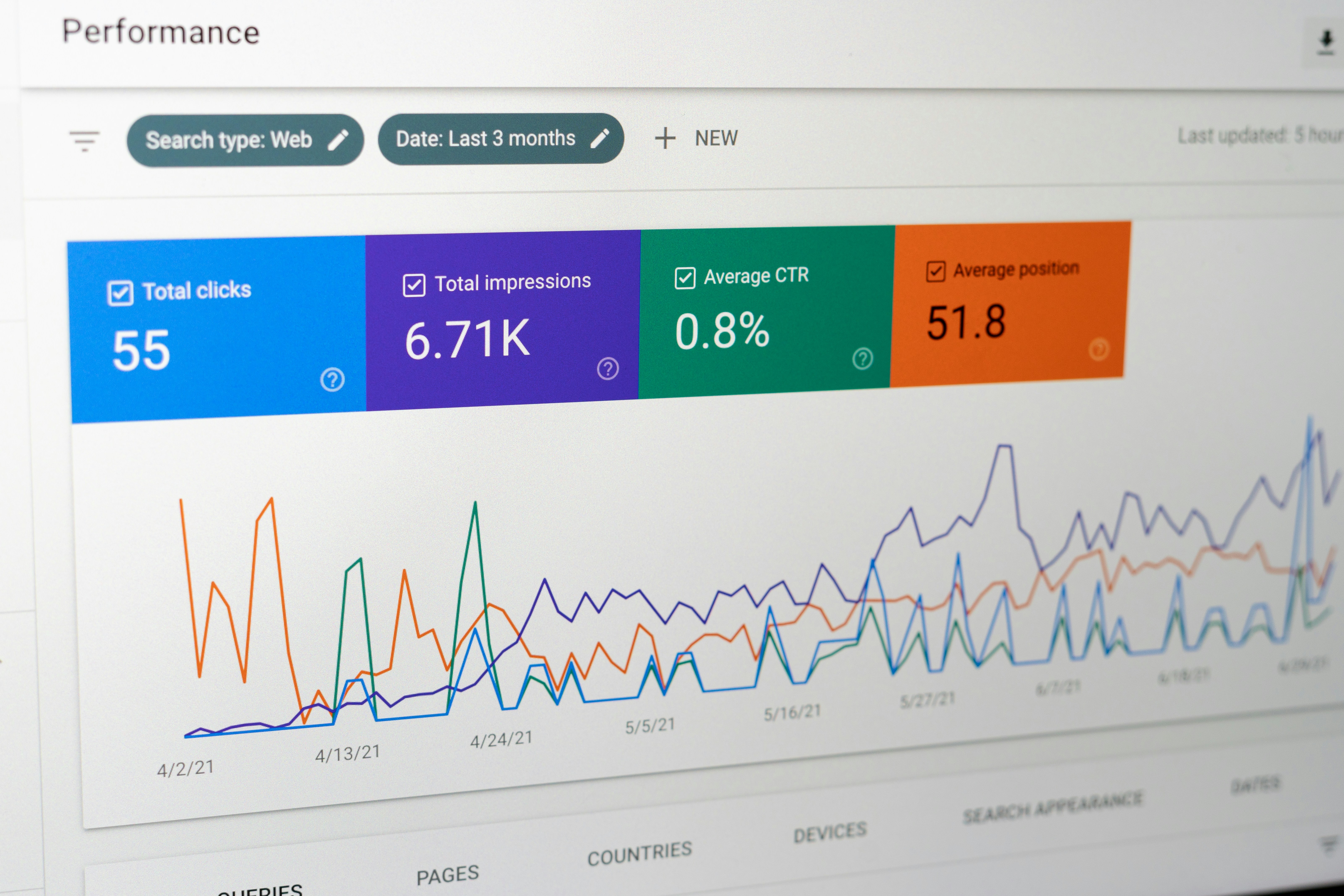
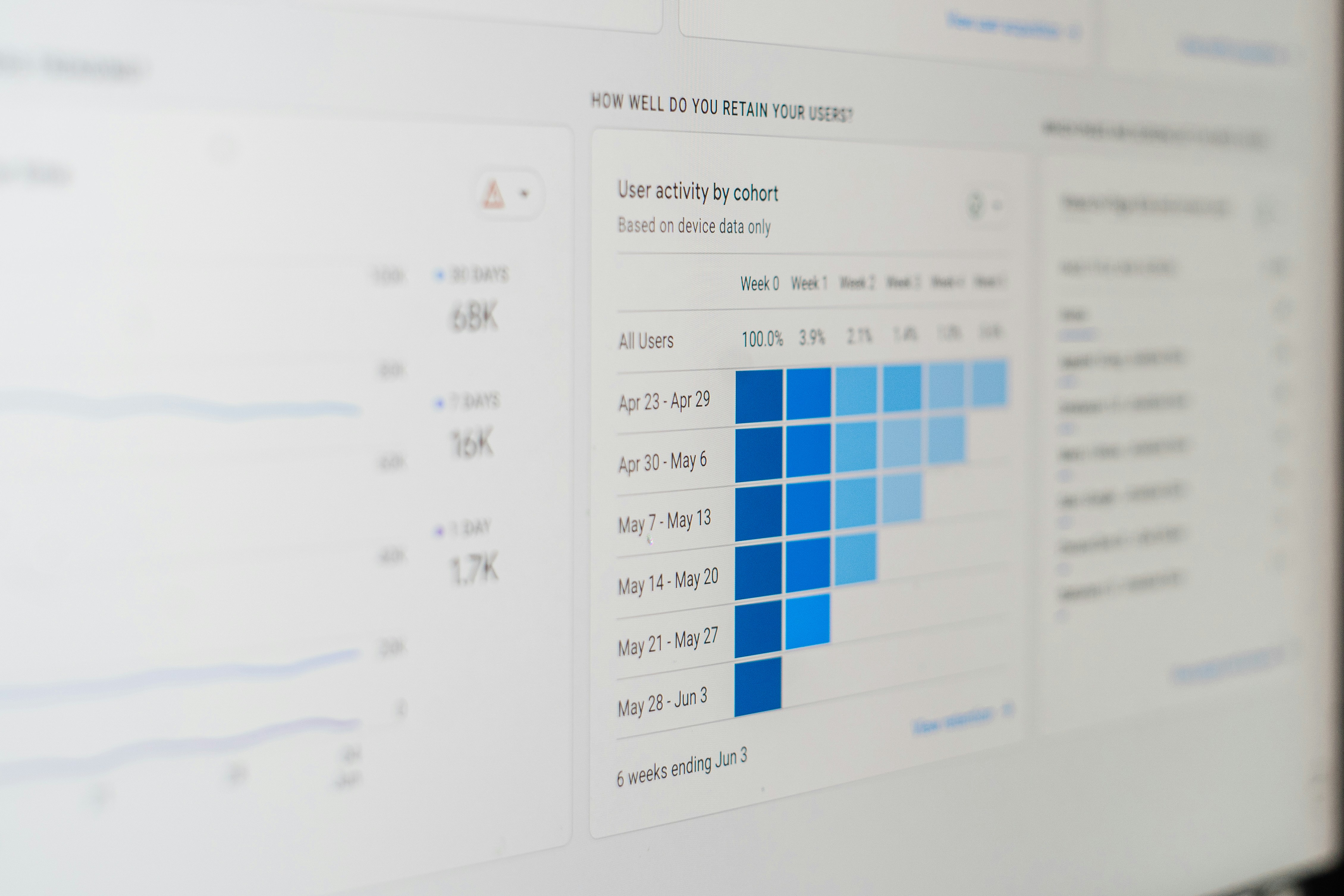
Looker Studio, an advanced analytics platform, plays a crucial role in data visualization and business intelligence. With its capability to connect various data sources, Looker Studio facilitates the seamless integration, analysis, and reporting of data. Organizations leverage this tool to transform raw data into insightful visual representations, enabling data-driven decision-making.
At its core, Looker Studio aims to simplify complex datasets, empowering users to create interactive dashboards and reports. This intuitive interface ensures that users, regardless of their technical expertise, can navigate the platform with ease. By providing a robust framework for data exploration, Looker Studio allows stakeholders to monitor key performance indicators (KPIs), track trends, and uncover patterns that may not be immediately apparent.
The significance of Looker Studio extends beyond mere data visualization; it fosters a culture of data literacy within organizations. As businesses increasingly rely on data to inform their strategies, Looker Studio’s capabilities support users in gaining greater clarity and understanding, ultimately enhancing collaboration and communication across teams. By accessing up-to-date and accurate information, decision-makers can respond more effectively to changing market dynamics and consumer behavior.
Moreover, Looker Studio supports the creation of custom visualizations, which can be tailored to specific business needs. This flexibility not only enhances the analytical experience but also ensures that the visual outputs resonate with the intended audience. Consequently, Looker Studio becomes an integral part of the data ecosystem, allowing companies to harness their data for improved performance and growth.
Understanding the ‘Illumin Dew’ Feature
The ‘Illumin Dew’ feature is a distinctive component of Looker Studio that significantly bolsters the capabilities of data visualization tools. By utilizing this feature, users can efficiently illuminate key data trends and insights that might otherwise go unnoticed. The practicality of ‘Illumin Dew’ lies in its ability to transform raw data into visually engaging formats that enhance decision-making processes.
At its core, ‘Illumin Dew’ operates by applying advanced algorithms that identify and highlight important patterns within datasets. These algorithms are designed to detect anomalies and trends, guiding the user towards more fruitful analyses. Furthermore, ‘Illumin Dew’ employs various visualization techniques such as heat maps, trend lines, and dynamic graphs to present this information in an intuitive manner.
Moreover, the integration of machine learning capabilities within the ‘Illumin Dew’ feature allows for predictive insights, facilitating proactive strategy adjustments. By forecasting trends based on historical data, businesses can remain one step ahead, enhancing their competitive edge. The capability to customize these visualizations also ensures that the presented information is tailored to specific organizational needs. This adaptability makes ‘Illumin Dew’ a valuable asset for users operating in various sectors.
Additionally, ‘Illumin Dew’ supports collaborative analysis by enabling users to share insights effectively within teams. This feature promotes a culture of informed decision-making, enabling stakeholders to access relevant data quickly. With its focus on clarity and user engagement, ‘Illumin Dew’ stands as a testament to Looker Studio’s dedication to empowering users through insightful data visualization.
Key Benefits of Using Looker Studio with Illumin Dew
Looker Studio, enhanced by the Illumin Dew feature, offers a range of benefits that significantly improve data-driven decision-making processes. One of the primary advantages is the ability to derive actionable insights quickly. With Illumin Dew, organizations can streamline their data exploration, leading to a more agile approach when addressing business challenges and opportunities. The intuitive interface of Looker Studio enables users to interact with data dynamically, resulting in faster understanding and response times.
Moreover, the collaboration capabilities of Looker Studio with Illumin Dew make it easier for teams to work collectively on data-related projects. Data silos are often a challenge in large organizations; however, Looker facilitates seamless sharing of insights among team members. This promotes a culture of transparency and encourages diverse perspectives in data analysis. Real-time collaboration features allow multiple users to engage with data visualizations, aiding in drawing collective conclusions and fostering a stronger team synergy.
In addition to improved decision-making and collaboration, the storytelling component of Looker Studio with Illumin Dew stands out as a transformative asset. By integrating visual storytelling techniques into data presentations, organizations can convey complex information in an easily digestible format. This is particularly beneficial in discussions with stakeholders who may not have a technical background. An example of this would be a marketing team using Looker Studio to showcase campaign performance through interactive dashboards, narrating the journey from data collection to action plans. Such storytelling enhances comprehension, persuades stakeholders, and strengthens overall business strategies.
Ultimately, utilizing Looker Studio with the Illumin Dew feature empowers organizations to make informed decisions, encourages cooperative efforts, and transforms data into compelling narratives that drive strategic initiatives.
Setting Up Looker Studio: A Step-by-Step Guide
Setting up Looker Studio is an essential first step for anyone looking to enhance their data visualization and analysis capabilities. This guide provides a comprehensive look at how to get started with Looker Studio, ensuring that first-time users can comfortably navigate the initial setup process.
The first step toward utilizing Looker Studio involves signing up for an account. Visit the Looker Studio website and select the option to create a free account. You will be prompted to provide your email address and create a password. After completing the signup process, you may need to verify your email to activate your account fully.
Once logged in, the next crucial phase is connecting your data sources. Looker Studio offers a variety of connectors, accommodating numerous data sources such as Google Sheets, SQL databases, and cloud platforms. To connect a data source, navigate to the “Data” section on the main dashboard. Click on the option to add a new data source, select your desired connector, and follow the on-screen instructions to authenticate and link the data source effectively.
With your data source connected, you are now ready to configure the Illumin Dew functionality, which allows for advanced data visualization. Within the Looker Studio dashboard, click on “Create” and choose the option to build a report. From here, drag and drop your data fields onto the canvas. Utilize the available charting tools and visualization options to craft informative displays of your data.
After customizing your visuals, you can refine the layout and design by selecting various themes and elements available in the toolkit. Ensure that your report is both visually appealing and easy to understand for the intended audience. This meticulous setup paves the way for effective data analysis and presentation in Looker Studio, opening the door to powerful insights.
Integrating Looker Studio with Other Data Tools
In the modern landscape of data analytics, the ability to integrate various tools is essential for creating cohesive and effective data ecosystems. Looker Studio stands out due to its compatibility with an array of data analytics and visualization tools, enabling organizations to leverage their existing investments while enhancing their data capabilities. Integration with other platforms not only improves workflow but also enriches the analytical process by providing a comprehensive view of data.
Looker Studio is designed to integrate seamlessly with a variety of data sources, including database systems like MySQL, PostgreSQL, and Google BigQuery. This flexibility allows users to pull in data from multiple sources directly into Looker Studio, making data exploration faster and more efficient. Moreover, by using Looker’s robust API, organizations can build custom integrations that further extend its capabilities, fostering a tailored analytics environment that meets specific business needs.
Beyond integration with databases, Looker Studio also works well with tools for data cleaning and preparation, such as Google Sheets and Alteryx. These tools are vital as they help maintain data quality before analysis, preventing issues that could arise from inaccurate or incomplete datasets. Automation features in Looker can trigger updates or alerts based on data changes, which enhances timely decision-making.
Furthermore, Looker Studio can be integrated with visualization tools like Tableau and Microsoft Power BI, allowing analysts to create more powerful visual representations of their data. This capability is crucial for businesses aiming to convey insights more effectively. By integrating Looker with other analytics platforms, organizations can gain a comprehensive data strategy that enhances collaboration and insight generation, ensuring they remain competitive in a data-driven world.
Use Cases: Real-World Applications of Looker Studio and Illumin Dew
Looker Studio, coupled with the Illumin Dew feature, offers businesses versatile solutions to meet their analytical needs. A variety of industries have adopted this innovative tool to streamline their data processes, leading to significant enhancements in decision-making and performance.
In the healthcare sector, a prominent hospital system utilized Looker Studio to consolidate patient data from multiple sources. This integration enabled them to analyze patient flows, resource allocation, and treatment outcomes more effectively. By employing the Illumin Dew feature, the organization was able to create dynamic reports that highlighted trends in patient admissions, thereby addressing the challenge of fluctuating demand for services. This real-time insight allowed for optimized staffing levels and improved patient care delivery.
Similarly, within the retail industry, a leading e-commerce company leveraged Looker Studio to gain insights into customer behavior. Faced with the challenge of understanding user engagement across various platforms, the retailer implemented the Illumin Dew feature to visualize complex datasets. This real-time analytical capability offered a comprehensive view of sales trends, customer preferences, and demographic targeting. Consequently, the business was able to enhance its marketing strategies, ensure targeted promotions, and ultimately increase conversion rates.
Lastly, in the financial services sector, an investment firm adopted Looker Studio to monitor market trends and stock performance. Utilizing the Illumin Dew tool, they could effortlessly visualize vast datasets related to trading activity and economic indicators. This facilitated timely analysis and informed decision-making in an inherently volatile environment. By enhancing their data strategies with Looker Studio, the firm successfully navigated market challenges and optimized their investment portfolios.
These real-world applications of Looker Studio and the Illumin Dew feature demonstrate how various sectors can benefit from advanced data analytics, driving operational efficiency and better business outcomes.
Tips and Best Practices for Maximizing Looker Studio’s Potential
Looker Studio, enhanced by the Illumin Dew feature, offers a robust platform for data visualization and analysis. To truly harness its potential, users should consider several best practices that can improve both the quality of insights gained and the experience of stakeholders engaging with the data.
One key tip is to focus on optimizing data visualization. This can be achieved by thoughtfully choosing the right chart types that align with the nature of the data being presented. For instance, use bar charts for categorical data comparisons and line graphs for trend analysis over time. Additionally, incorporating effective color schemes can enhance comprehension, but it is essential to ensure they remain accessible to all users, including those with color blindness.
Engaging stakeholders is another important aspect of maximizing Looker Studio’s functionality. Create interactive dashboards that allow users to slice and dice data based on their queries. Encouraging stakeholder input during the design phase can foster greater buy-in and more relevant tools for their needs. Training sessions and workshops can also be helpful, providing stakeholders with the skills and understanding required to utilize dashboards to their fullest potential.
Maintaining data accuracy is critical in informing decisions based on visualized data. Ensure that sources are reliable, and implement regular checks to verify the integrity of the input data. It is advisable to establish a clear data governance framework that includes defined roles and responsibilities for data management. This approach not only improves accuracy but also builds trust among users who rely on the data presented.
By following these actionable tips, users can significantly enhance their experience with Looker Studio and the Illumin Dew feature, resulting in impactful data-driven insights that inform strategic decision-making.
Common Challenges and Solutions When Using Looker Studio
Looker Studio, a powerful data visualization tool, while beneficial, presents several challenges that users frequently encounter. Understanding these obstacles and their solutions is crucial for an effective analytics experience.
One of the most common issues users face is data connectivity problems. A proper connection between Looker Studio and the data sources, such as databases or cloud services, is essential to ensure seamless data flow. Users may experience difficulties if the necessary permissions have not been granted, or if there are authentication issues. To resolve this, ensure that data source credentials are correctly set and allow for proper configurations to avoid disconnections or access restrictions.
Another notable challenge is the complexity of dashboard design. Users often struggle with how to present their data in an insightful and visually appealing manner. This can lead to ineffective communication of key metrics or findings. A suggested solution is to leverage Looker Studio’s templates and pre-built components. This not only simplifies the design process but also helps incorporate best practices in data visualization. Users are encouraged to focus on their target audience and employ visual hierarchy, making the most important information easily accessible.
Lastly, performance issues related to large datasets can hinder user experience. Slow loading times and unresponsive interfaces may deter users from effectively interacting with their data. To mitigate these problems, it is advisable to optimize queries and consider filtering unnecessary data before importing it into Looker Studio. Efficient data preparation ensures that the tool maintains its speed and responsiveness, thus providing timely insights.
By acknowledging these common challenges and implementing the suggested solutions, users can enhance their Looker Studio experience, leading to more effective data-driven decision-making.
Conclusion and Future of Looker Studio
Looker Studio has emerged as a transformative tool in the data analytics landscape, effectively providing organizations with powerful capabilities to visualize and analyze their data. Throughout this blog post, we have explored its core functionalities, including the seamless integration of diverse data sources, and its user-friendly interface that caters to both seasoned analysts and newcomers alike.
As we consider the future of Looker Studio, several emerging trends indicate its continued evolution and relevance. The rise of artificial intelligence (AI) and machine learning (ML) is likely to influence the development of Looker Studio features. By incorporating AI-driven analytics, Looker Studio can enhance its predictive capabilities, allowing businesses to make informed decisions based on real-time data insights. Additionally, the increasing importance of data privacy and security will prompt Looker Studio to adapt and ensure robust protection of sensitive information.
Moreover, as remote work becomes entrenched in organizational cultures, the demand for collaborative data analytics platforms is escalating. Looker Studio’s real-time sharing and collaborative features can position it favorably in this space, facilitating teamwork across dispersed teams. Integrating features that streamline collaboration while maintaining data integrity will be crucial.
In summary, Looker Studio is poised to continue its growth within the data analytics sector. By embracing technological advancements and aligning with user expectations, it stands to enhance its offerings. Organizations that leverage Looker Studio not only gain immediate benefits from its analytics capabilities but also position themselves for success in an increasingly data-driven future.