Introduction
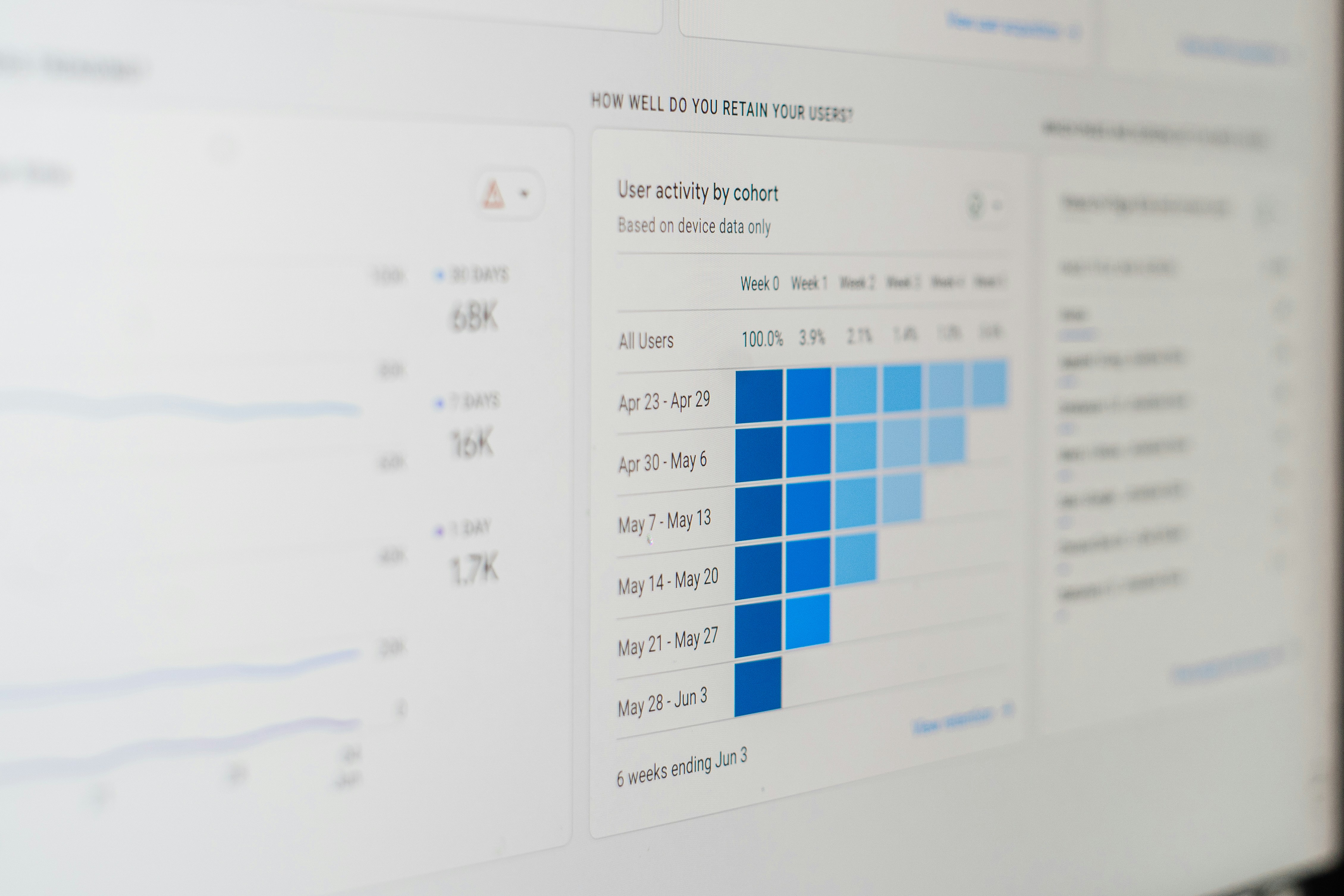
Looker Studio, formerly known as Google Data Studio, holds a vital position in the realm of data visualization and reporting. This powerful platform is designed to help businesses and data analysts transform raw data into actionable insights through interactive dashboards and visually appealing reports. Its capabilities allow users to connect multiple data sources, enabling them to create comprehensive reports that are both informative and easy to comprehend. As organizations increasingly rely on data-driven decision-making, Looker Studio has emerged as an essential tool for effectively managing and presenting data.
One of the key features that enhances Looker Studio’s utility is its focus on data governance and user access management. As organizations expand, it becomes imperative to control who can access certain data visualizations and reports. This is where functions like the deactivate button gain significant importance. By allowing administrators to deactivate access for specific users, Looker Studio helps maintain data integrity and security, ensuring sensitive information is only accessible to authorized personnel.
Furthermore, the importance of Looker Studio extends beyond just visualization; it encompasses the entire lifecycle of data handling within an organization. By utilizing this platform, businesses can ensure that their reporting is not only aesthetically pleasing but also accurate and up-to-date. This is crucial for fostering a culture of transparency and accountability, where stakeholders can rely on the data presented to make informed decisions. Through the smart use of features such as the deactivate button, organizations can manage user roles effectively, ensuring optimal usage of the data visualization tools at their disposal.
What is the Deactivate Button in Looker Studio?
The Deactivate Button in Looker Studio serves a crucial function in managing the lifecycle of reports and user permissions within the platform. This feature allows users to control the visibility and accessibility of their published reports effectively. When a report is deactivated, it is removed from active visibility, ensuring that it cannot be accessed by users who do not have appropriate permissions. This control is vital, particularly when updates or changes to the report are being made, or when a report is no longer relevant.
By utilizing the Deactivate Button, users can better manage their data reporting processes. It allows for the safeguarding of sensitive information contained within reports, ensuring that only authorized individuals have access. This not only helps maintain data integrity but also enhances the overall security framework of the sharing environment. For organizations handling critical data, the ability to effectively deactivate reports contributes to a more responsible data governance strategy.
Furthermore, the Deactivate Button can assist in maintaining a clear and organized reporting structure within Looker Studio. As teams evolve and projects shift focus, certain reports may become outdated or less relevant. Deactivating these reports ensures that users are not overwhelmed by unnecessary information, allowing them to concentrate on the most pertinent data. This is particularly beneficial in collaborative environments where multiple users interact with various reports.
In summary, the Deactivate Button is an essential feature in Looker Studio, enabling users to manage published reports and user permissions efficiently. By providing the capability to deactivate reports, Looker Studio facilitates a structured and secure data reporting process, ultimately supporting better decision-making and team collaboration.
Step-by-step Guide to Deactivating Content in Looker Studio
Deactivating content in Looker Studio is a straightforward process that can significantly streamline your workflow by allowing you to manage your datasets effectively. This guide will walk you through the steps needed to locate and use the deactivate button with precision.
First, open Looker Studio and navigate to the project dashboard where your content exists. Once you are in the correct project, look for the list of available datasets on the left-hand side of your screen. It is essential to ensure that you have the appropriate permissions to alter content within this workspace.
Next, identify the specific dataset or report that you intend to deactivate. Hover over the title of the content until you see a small gear icon appear on the right. Click on this icon; it will reveal a dropdown menu containing various options tied to that particular content.
Within this menu, look for the option labeled ‘Deactivate.’ This option is typically located towards the bottom of the dropdown list. When you click on ‘Deactivate,’ you might receive a confirmation prompt asking if you’re sure about this action. To proceed, confirm your selection by selecting ‘Yes’ or ‘OK.’
Once you’ve confirmed, Looker Studio will deactivate the content. It is vital to note that deactivating does not delete the dataset but simply removes it from being active within your project. You can verify the status of your content by returning to the project dashboard and ensuring that the visually represented status indicates that the specific report or dataset is now inactive.
In summary, deactivating content in Looker Studio involves navigating to the desired project, locating the content, accessing the settings via the gear icon, and selecting the deactivate option to ensure proper management of your datasets. This simple yet effective process enhances the organization of your Looker Studio environment.
Common Scenarios for Deactivating Content
In the context of data analysis and reporting through Looker Studio, deactivation of content can play a crucial role in maintaining data integrity and user access. There are several scenarios where users might need to deactivate reports or datasets.
One common scenario is when updates to reports or datasets are necessary. Users may discover that certain data points are outdated or no longer relevant. In such cases, temporarily deactivating the affected content allows users to make the required adjustments without compromising the overall user experience. It ensures that stakeholders are not misled by outdated information during the revision process.
Another situation that calls for the deactivation of content is when there are issues or inaccuracies within the reports. If a dataset contains errors or inconsistencies, deactivating it promptly prevents further dissemination of erroneous information. This is essential not only for maintaining trust in data but also for safeguarding decision-making processes that rely on accurate reporting. Once the issue is addressed, the report can be reactivated, providing users with reliable insights.
Furthermore, managing access permissions can also necessitate deactivation. Organizations often need to control who can view or interact with specific reports. If there is a change in team roles or if a user no longer requires access to particular datasets, deactivation can swiftly resolve potential security concerns. This ensures that sensitive data is only accessible to authorized personnel, thereby enhancing overall data governance.
Ultimately, understanding these common scenarios where content may need deactivation not only enhances the user experience but also strengthens the reliability and security of data handling in Looker Studio.
How Deactivation Affects Published Reports and User Permissions
Deactivating a report in Looker Studio significantly alters its accessibility and the associated user permissions. When a report is marked as deactivated, it becomes invisible to all users, effectively removing their ability to view or interact with the report. This complete withdrawal of visibility emphasizes the importance of understanding the deactivation process, particularly for teams that rely on regular access to data.
Moreover, deactivation prompts a reassessment of user permissions related to the report. Users who were previously granted access to view or edit a report lose those privileges immediately upon deactivation. This loss may have broader implications for collaboration efforts within the organization. Therefore, administrators must carefully manage the visibility settings to ensure that users retain access only to currently relevant reports, which may involve periodic reviews and updates of user roles.
Additionally, it is crucial to inform team members about the deactivation of reports, as this action can lead to misunderstandings or disruptions in workflow. Users may be left wondering about the status of their projects if they cannot access related data. To mitigate this impact, it is advisable to communicate any changes in report status promptly, enabling teams to adjust their tasks accordingly.
After a report is deactivated, it is also necessary to revisit user roles and permissions comprehensively. Some users may require access to alternate reports or different datasets, necessitating a restructuring of permissions. Conducting a thorough audit of user access and aligning it with current reporting needs is integral to maintaining effective data governance. In conclusion, deactivation in Looker Studio is a powerful function that demands careful attention due to its implications for visibility and user permissions.
Troubleshooting: What to Do If You Encounter Issues with Deactivation
When utilizing Looker Studio, users may encounter various issues while attempting to deactivate content. Understanding these common problems, along with effective troubleshooting techniques, can significantly enhance the user experience and ensure smoother operations.
One typical issue arises when users attempt to deactivate a report or dashboard, only to receive error messages indicating that the content cannot be deactivated. This may be due to existing dependencies on the content, such as other reports or dashboards that reference the data source. It is advisable to carefully review all elements that interact with the content before initiating deactivation. Identifying and removing these dependencies can often resolve the issue.
Another common obstacle is the lack of appropriate permissions. Users might find themselves unable to deactivate specific items if they do not possess the necessary access rights. In such cases, checking user roles and permissions within Looker Studio is crucial. Administrative users should ensure that appropriate permissions are granted to individuals who need to perform deactivations.
If the deactivation functionality appears to be unresponsive, it may be due to temporary system glitches or connectivity issues. Users should refresh the browser or log out and back into Looker Studio to reset the application state. Additionally, it is beneficial to monitor the system status or any ongoing maintenance activities that may affect functionality.
Lastly, if persistent problems arise, consulting the official Looker Studio documentation or seeking assistance from support channels can provide solutions tailored to specific issues. By following these guidelines, users can effectively troubleshoot common deactivation problems, ensuring a seamless experience within Looker Studio.
Best Practices for Using the Deactivate Button Wisely
The Deactivate button in Looker Studio serves as a pivotal feature that allows users to manage their dashboards and reports efficiently. However, to maximize its utility, certain best practices should be adhered to. Firstly, it is crucial to consider the timing of deactivation. Deactivating a report during peak usage times can disrupt workflows and cause confusion among team members. Therefore, assessing the usage patterns and identifying low-traffic periods can enable smoother transitions when deactivation is necessary.
Another important aspect is understanding the rationale behind the deactivation of reports or dashboards. Whether it is due to redundancy, lack of relevance, or the need for updates, having clear reasons helps in communicating the changes to the team effectively. This clarity can foster an environment of transparency and enhance team collaboration, ensuring that everyone understands why certain materials are being deactivated.
Effective communication plays a fundamental role in employing the Deactivate button wisely. Team members should be informed in advance about any impending deactivations. This could be facilitated through a dedicated channel where updates are shared regularly, or through direct meetings that address the impact of such changes. Keeping a collaborative spirit also opens the floor for team feedback on the materials that may require deactivation, thereby encouraging a collective decision-making process.
Moreover, after deactivation, it is beneficial to monitor how the changes affect team operations. Collecting feedback on the deactivated elements can assist in future decision-making regarding what should be deactivated again or which items might need reactivation. By adhering to these best practices, organizations can leverage the Deactivate button in Looker Studio more efficiently, minimizing disruptions and promoting a cohesive working atmosphere.
Real-life Examples of Deactivation in Business Settings
Understanding the effective use of the deactivate button in Looker Studio can significantly enhance a business’s data management practices. Many organizations have leveraged this feature to optimize their reporting processes and maintain data integrity. One notable example is a retail company that utilized Looker Studio for inventory management. When certain products were discontinued, the business employed the deactivate button to remove outdated inventory reports. This not only decluttered their dashboard but also ensured that their reports reflected only current inventory, leading to more informed decision-making.
Another case involves a financial services firm that frequently updated its datasets to align with changing market conditions. By utilizing the deactivate function, the firm was able to archive older data visualizations that were no longer relevant. This strategic move reduced confusion among stakeholders and focused their attention on the most pertinent financial indicators. As a result, the communication within the organization improved, fostering a more agile response to market shifts.
Furthermore, a healthcare provider found success in using the deactivate button by managing their patient data dashboards. When a treatment protocol was updated, previously used visualizations became obsolete. The healthcare provider effectively deactivated these old reports, which helped maintain compliance with regulatory standards and ensured that healthcare professionals were relying on the most accurate data for clinical decisions. This practical application of the deactivate button demonstrated a commitment to quality assurance and patient safety.
These examples underscore the importance of implementing the deactivate feature in Looker Studio within various business contexts. By doing so, organizations can streamline their reporting processes, eliminate unnecessary clutter, and maintain focused on actionable insights derived from current data.
Conclusion: Optimizing Your Looker Studio Experience
In this discussion, we have explored the various aspects of using the deactivate button within Looker Studio, a versatile platform designed to enhance data visualization and reporting. By leveraging the deactivate button effectively, users can maintain a tidy workspace by turning off unused reports and visuals without permanently deleting them. This temporary deactivation facilitates streamlined data management, allowing for more efficient workflows.
Moreover, we have highlighted the importance of regularly reviewing the activated assets in your Looker Studio environment. By consistently assessing and managing these elements, users can ensure they are working with the most relevant and impactful data visualizations. Engaging with the features available in Looker Studio, including the deactivate function, contributes substantially to a more organized and efficient reporting practice.
It is also important to consider the broader implications of effective data management on organizational decision-making processes. Efficiently using Looker Studio to visualize and present data not only improves individual workflow but also enhances overall team collaboration and project outcomes. By employing the deactivate button, professionals can eliminate unnecessary clutter in their workflow, enabling them to focus on what truly matters—transforming raw data into actionable insights.
In summary, the proactive use of Looker Studio’s features, especially the deactivate button, plays a key role in optimizing the user experience. We encourage readers to fully explore and exploit these capabilities to bolster their data management practices, leading to enhanced productivity and informed decision-making.