Introduction to Looker Studio and the Illuminate Feature
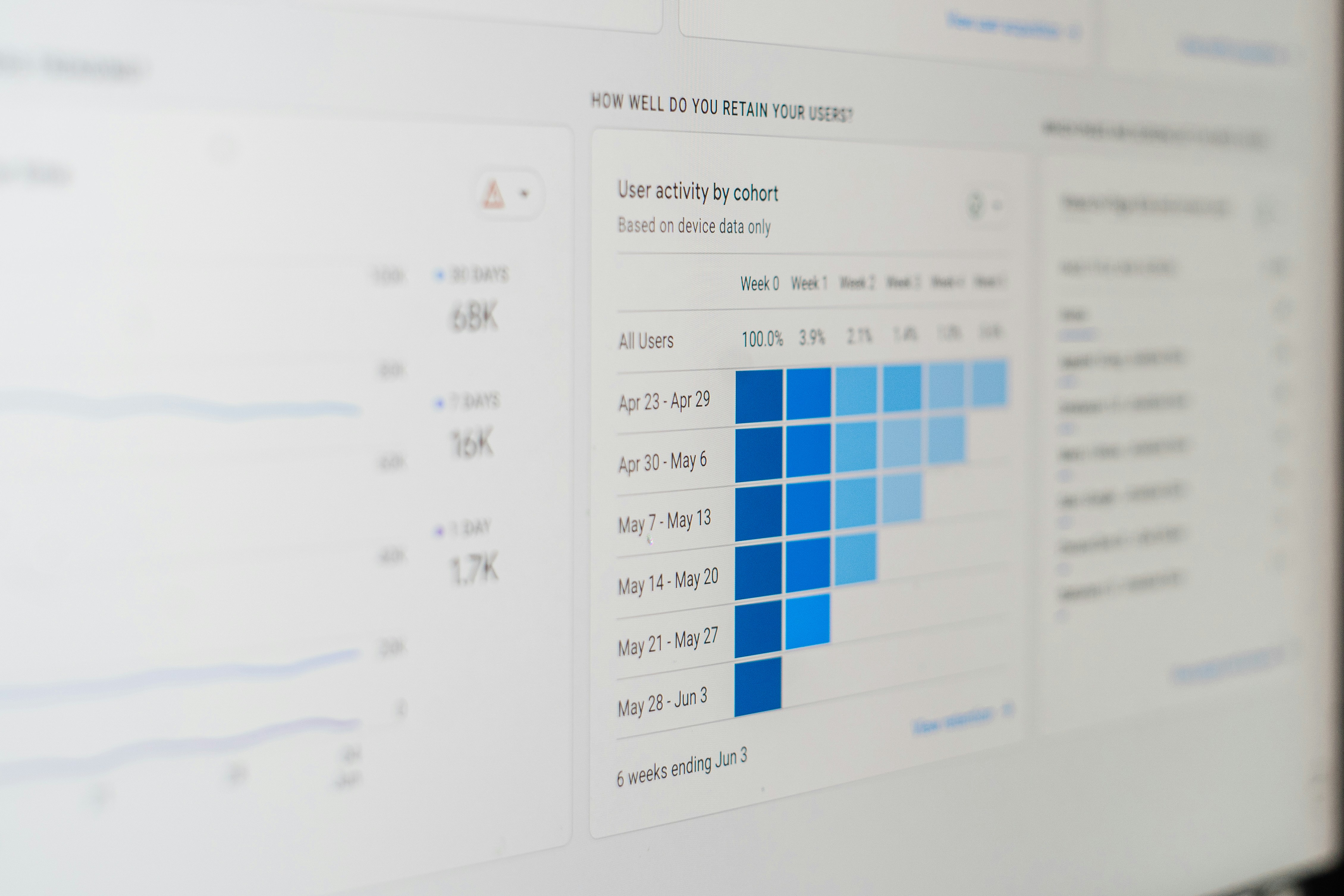
Looker Studio is a robust platform designed for data visualization and reporting, offering users an opportunity to turn complex datasets into easily understandable visual representations. As a cloud-based tool, it caters to a wide range of industries by providing analytics that drive informed decision-making. The interface is user-friendly, allowing both seasoned data professionals and novices to navigate seamlessly and generate compelling reports that effectively communicate insights.
A notable feature within Looker Studio is the Illuminate functionality, which empowers users to manage and customize their data configurations with efficiency. Illuminate enables users to illuminate specific data sets and metrics that are relevant to their analysis, thereby enhancing the clarity and impact of the visual reports generated. This feature streamlines the process of adjusting data views, ensuring that stakeholders receive the information that matters most to their objectives.
One essential component of the Illuminate feature is the deactivate button. This functionality allows users to effectively manage data integrity within their reports by disabling specific data elements that may no longer be relevant or applicable. When users deactivate a metric or dataset, they ensure that their visualizations reflect only the current and pertinent information, thereby avoiding potential confusion or misinformation. This capability is critical in maintaining accurate reporting, particularly as business needs evolve and datasets change over time.
Overall, the interplay between Looker Studio and its Illuminate feature equips users with powerful tools to enhance their data handling and reporting capabilities, fostering better decision-making through clear, concise, and relevant data visualizations.
Understanding the Common Issues with the Deactivate Button
The Deactivate Button in Looker Studio’s Illuminate feature is designed to help users manage their datasets and keep their projects organized. However, various factors can lead to the non-functionality of this button, causing frustration among users. One of the most common issues relates to user permissions. In Looker Studio, not every user has equal access to features. If a user does not hold the appropriate permissions, they may find that the Deactivate Button does not respond as expected, thereby limiting their ability to manage their data.
Browser compatibility is another crucial factor that could affect the performance of the Deactivate Button. Different web browsers and their versions can display Looker Studio differently, potentially leading to malfunctioning elements. Users may encounter situations where the button is unresponsive or hidden altogether, particularly in outdated browser versions. Thus, ensuring that one is using a compatible browser and updating it regularly can mitigate some of these issues.
Moreover, software glitches and bugs can arise from time to time, impacting various functionalities within the application, including the Deactivate Button. Users have reported instances where the button does not function due to temporary glitches on the platform or following updates, leading to inconsistencies in data management. It is advisable for users to stay updated on Looker Studio’s status via official channels to identify if the problem is widespread.
Several users have shared their experiences in support forums, indicating that the aforementioned issues frequently disrupt their workflow with Looker Studio. Being aware of these common problems aids users in troubleshooting effectively and finding solutions tailored to their specific needs.
Step-by-Step Guide to Troubleshoot the Deactivate Button
If you are experiencing issues with the deactivate button in Looker Studio, it is crucial to perform a thorough troubleshooting process to identify and rectify the problem. This guide outlines a systematic approach to diagnose and resolve common issues affecting the deactivate function.
First, begin by checking user permissions. Ensure that your account has the appropriate access rights to modify or deactivate elements within Looker Studio. User permissions can greatly impact your ability to perform specific actions, including the use of the deactivate button. You may need to collaborate with your administrator to confirm that your role allows these modifications.
Next, refreshing your browser can often resolve temporary glitches. Log out of Looker Studio, clear your browser’s cache, and then log back in. These simple steps help eliminate any cached data or session-related issues that may hinder the functionality of the deactivate button.
It is also essential to ensure that Looker Studio is up-to-date. Software updates frequently include fixes for bugs and performance enhancements. Navigate to the settings menu and check for any available updates. If an update is available, it is advisable to install it, as this may resolve issues with various features, including the deactivate button.
Additionally, consider trying a different web browser or device to determine whether the issue persists across platforms. Identifying whether the problem is browser-specific can help pinpoint the root cause.
Finally, if the issue remains unresolved after these steps, consulting the Looker Studio support documentation or reaching out to their support team for assistance may provide further insights. They can offer tailored solutions based on your specific situation.
Exploring User Permissions and Access Control
User permissions and access control in Looker Studio play a crucial role in determining what features and functionalities individual users can access. The deactivate button, which is essential for managing project settings, may not be visible or accessible to all users, depending on their assigned roles and permissions. Therefore, understanding how to manage these permissions is vital for effective user management.
To begin, it is important to identify the various roles available within Looker Studio. Each role comes with a distinct set of permissions that dictate what actions a user can perform. Users typically fall into categories such as Viewer, Editor, or Admin. The presence of the deactivate button may be restricted solely to those with Editor or Admin roles. Regularly reviewing user roles ensures that only authorized individuals have the necessary privileges to access sensitive features like deactivation.
To check and modify user permissions, follow these steps: navigate to the Looker Studio admin panel, select the user or group whose permissions you wish to review, and examine their assigned role. Should you find discrepancies or if users require elevated access for their functions, you can adjust the roles accordingly. This alteration not only enhances user efficacy but also maintains a secure environment by preventing unauthorized actions.
Best practices for user management include maintaining detailed records of user roles and their respective permissions, conducting periodic audits, and ensuring that all users are aware of their access levels. By fostering a culture of transparency regarding user roles, organizations can minimize confusion and enhance the operational efficiency of Looker Studio. Ultimately, effective management of user permissions and access control safeguards the integrity of the entire system while empowering users to utilize Looker Studio to its fullest potential.
Browser Compatibility and Technical Requirements
In the realm of web applications like Looker Studio, browser compatibility is pivotal for ensuring optimal performance and seamless interaction with features such as the Illuminate Deactivate button. This functionality may vary significantly across different web browsers and their versions, which makes it essential for users to choose the appropriate software to guarantee a smooth experience.
Looker Studio predominantly supports current versions of major web browsers, including Google Chrome, Mozilla Firefox, Microsoft Edge, and Safari. As of the latest updates, Google Chrome is highly recommended due to its consistent performance and support for modern web standards. Users should ensure that their browser is updated to the latest version to benefit from improvements and security features that optimize functionality.
In addition to selecting a supported browser, users must also be aware of specific settings that can cause issues with Looker Studio’s performance. For instance, enabling JavaScript is crucial, as many interactive features rely on it. Furthermore, certain ad-blocking extensions or privacy-focused settings may inadvertently hinder the communication between the web application and its back-end systems.
Another best practice is to routinely clear your cache and cookies. Accumulated data can lead to outdated configurations that affect loading times and overall functionality. By regularly purging this stored information, users can help ensure they are accessing the latest features and updates from Looker Studio.
In conclusion, understanding browser compatibility and adhering to technical requirements are essential steps towards troubleshooting issues with Looker Studio’s features, such as the Illuminate Deactivate button. Proper browser choice, configuration, and maintenance can significantly enhance user experience and application performance.
When to Reach Out for Technical Support
Utilizing Looker Studio can be an effective way to analyze and visualize data, but users may encounter issues that require expert assistance. Understanding when to reach out for technical support is crucial for maintaining efficiency in your workflow. Common scenarios warranting a support request include prolonged difficulty with the Illuminate Deactivate button, persistent error messages, or unexpected behavior from the platform that hampers your operations.
If you find that basic troubleshooting measures have not resolved your issue, it may be time to connect with Looker Studio’s technical support team. Before reaching out, however, it is essential to prepare your documentation. This could include a detailed description of the problem, the steps you have already taken to troubleshoot, and any relevant dates or times when the issue occurred. Such information aids support personnel in diagnosing the issue more effectively.
Additionally, to provide clear visual context, take screenshots that illustrate the problem. These images can provide insight that might be missed in written descriptions. Ensure your screenshots capture important elements, such as error dialogs or the state of the dashboard when the error occurs. Organizing this information beforehand not only streamlines the support process but also increases the likelihood of a swift resolution to your problem.
In summary, knowing when to contact Looker Studio technical support and adequately preparing your request can transform a frustrating experience into a minor inconvenience, facilitating a return to productive usage of the application. Keep in mind that timely and effective communication with technical support can significantly enhance your troubleshooting experience.
User Experiences and Community Feedback
Numerous users of Looker Studio have reported challenges related to the deactivate button, often reinforcing the complexity of managing this feature effectively. Feedback from the community reveals a spectrum of experiences, with many users expressing frustration when the deactivate button appears unresponsive or fails to function as intended. For instance, a user shared their experience of attempting to deactivate a data source, only to find that the button did not register the action. This led to confusion and resulted in the need for a workaround that involved logging out and back into the system – an inconvenience that could have been avoided.
Other users have echoed similar sentiments, describing how difficulty with the deactivate button has impacted their workflow. In one particularly compelling account, a data analyst mentioned how the inability to deactivate certain pieces of data delayed an important project, highlighting the pressing need for streamlined functionality. Another user emphasized the importance of community support, mentioning how they found resolution through forums, where tips on troubleshooting this feature were shared widely.
Community feedback also points to effective solutions that have emerged from collective experiences. Many users recommend maintaining awareness of software updates, as these often address glitches related to functionality. Others suggest carefully reviewing user permissions, as restricted access can sometimes disable the deactivate function. Such insights illustrate how shared experiences can enhance overall understanding and problem-solving capabilities within the Looker Studio user base.
The ongoing dialogue among users serves as a crucial resource for those encountering obstacles with the deactivate button, fostering an environment where challenges are addressed collaboratively. By harnessing the power of community knowledge, users can navigate their issues more effectively and contribute to a culture of support and improvement.
Preventive Measures to Avoid Future Issues
Addressing the potential pitfalls associated with the Looker Studio deactivate button involves implementing several proactive steps that can help users maintain optimal functionality and prevent issues from arising in the first place. One of the primary preventive measures is to schedule routine checks of the platform’s settings and configurations. Regularly reviewing these options helps ensure that everything operates efficiently and can highlight any anomalies before they escalate into significant problems.
Moreover, keeping software up-to-date cannot be overstated. Software updates often include vital patches and improvements that can enhance functionality and security. As new features are rolled out, they may also rectify existing bugs. Therefore, users should make it a habit to regularly check for updates for their Looker Studio software. This habit not only minimizes risks but also helps in utilizing all the latest functionalities that the platform offers.
Engagement with community forums is another effective strategy. These forums often serve as a wealth of knowledge where users can share experiences, solutions, and insights related to the Looker Studio deactivate button and other functionalities. By participating in these discussions, users can stay informed about common issues and learn about preventative tactics employed by other members of the community. This shared information contributes to building a toolkit of strategies that can mitigate future challenges.
Additionally, detailed documentation and a troubleshooting guide should be readily referenced for quick solutions to potential problems. These resources can furnish vital information on specific functions including those related to the deactivate button. By embedding these best practices into daily use, users can significantly lower the occurrence of issues involving the Looker Studio deactivate button.
Conclusion and Additional Resources
In this blog post, we have explored the troubleshooting process for the Looker Studio Illuminate Deactivate button, shedding light on various solutions and insights that can assist users in resolving common issues. Understanding the functionality and circumstances under which the deactivate button may become unresponsive is crucial for users who rely on Looker Studio for their data analysis needs.
We discussed several potential causes for the deactivate button’s malfunction, including user permissions, connectivity issues, and software updates. Recognizing these factors can empower users to diagnose and rectify issues proactively. Additionally, we highlighted some practical solutions, such as checking network settings, confirming user roles, and exploring updates from Looker Studio, which may enhance performance and reliability.
For those seeking further assistance, numerous resources are available to deepen understanding and provide support. We encourage readers to explore Looker Studio’s official documentation, which offers step-by-step guidance on troubleshooting and optimizing various features. Additionally, community forums can serve as a valuable platform for users to share experiences and solutions to similar problems.
Engaging with these resources not only aids in resolving existing challenges but also enhances overall proficiency with Looker Studio tools. We hope this overview has been helpful and wish you the best in your data visualization endeavors.