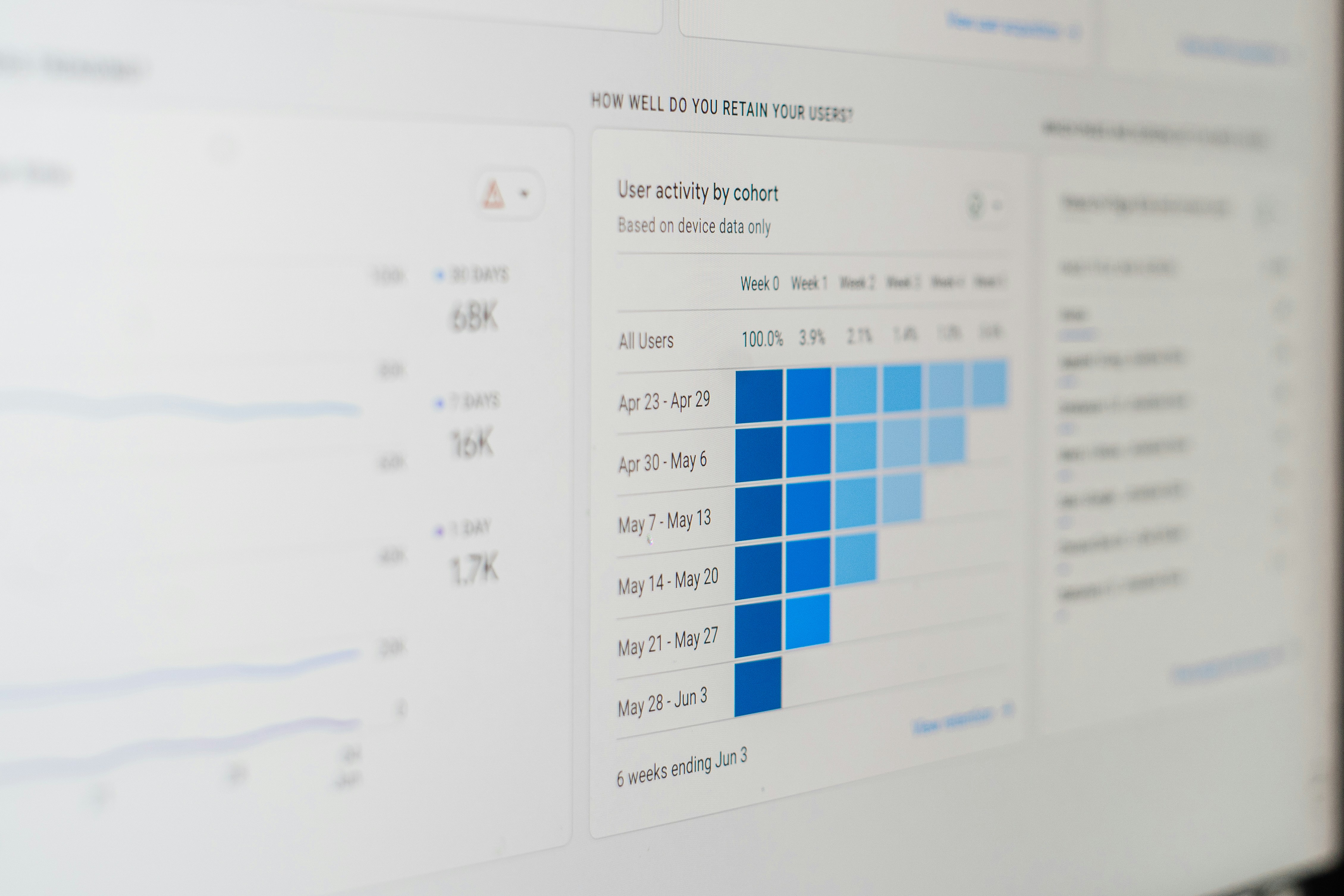
Introduction to Looker Studio
Looker Studio has emerged as a powerful data visualization and reporting tool, highly regarded in the realm of business intelligence. Designed to empower organizations with actionable insights, Looker enables users to explore and analyze data from various perspectives, ensuring informed decision-making. Its robust features facilitate the transformation of complex data into interactive dashboards and reports, which can be customized to meet specific business needs.
One of the standout advantages of Looker Studio is its seamless integration with numerous data sources. Whether it is cloud databases, data warehouses, or traditional data sources, Looker facilitates a streamlined connection, allowing users to draw upon a diverse array of data for analysis. This flexibility ensures that businesses can leverage existing data infrastructure without significant overhauls, making Looker an essential tool for data-driven organizations.
Furthermore, being an Illumin Developer opens up a wealth of opportunities for professionals looking to enhance their skills in navigating Looker Studio. This developer role provides in-depth knowledge of LookML, Looker’s modeling language, which allows users to create tailored data models essential for precise reporting and visualization. By mastering LookML, developers can optimize data queries, improve performance, and ensure that the visualizations created within Looker are not only insightful but also efficient.
As the demand for data literacy in businesses continues to grow, proficiency in Looker Studio and the role of an Illumin Developer becomes increasingly important. Organizations are constantly seeking individuals who can interpret data effectively, making this skill set invaluable in today’s job market. Thus, investing time to learn and become proficient in Looker Studio can significantly enhance one’s career prospects in the data analytics and business intelligence sectors.
What is an Illumin Developer?
The role of an Illumin Developer is central to the Looker ecosystem, serving as a bridge between raw data and meaningful insights. This position requires a proficient understanding of LookML, Looker’s proprietary modeling language, which enables developers to define data structures that serve as the foundation for analytical tasks. An Illumin Developer is responsible for building and managing data models, which ultimately optimize the way organizations report and visualize their data.
In addition to knowledge of LookML, an effective Illumin Developer must possess strong data analytics skills. This encompasses the ability to interpret complex datasets, recognize patterns, and derive actionable insights from data analysis. Familiarity with data visualization tools further enhances this role, as it enables developers to present data in an intuitive manner, making it accessible for stakeholders across the organization. The integration of these skills is crucial for successful data storytelling, which directly influences decision-making processes.
The significance of the Illumin Developer role cannot be overstated. As organizations increasingly rely on data-driven decisions, the demand for skilled professionals who can effectively manipulate and visualize data continues to grow. Illumin Developers not only contribute to the efficiency of reporting but also help ensure data integrity and relevance, empowering organizations to leverage information for strategic advantages. Mastery of LookML, data analysis, and visualization techniques equips Illumin Developers to respond to the complex data needs of their teams, ultimately facilitating a more insightful and robust approach to business intelligence.
Key Skills Required to Become an Illumin Developer
To excel as an Illumin Developer, one must cultivate a robust set of skills that encompass various technical proficiencies and analytical capabilities. Among these, a deep understanding of LookML—the modeling language used in Looker—is paramount. LookML allows developers to describe dimensions, measures, and data relationships, forming the foundation upon which data models are built. Proficiency in LookML not only streamlines the development process but also ensures that data is accurately represented and accessible for the end-users.
Another critical skill is knowledge of SQL (Structured Query Language). SQL plays a vital role in querying and manipulating data stored in relational databases. An Illumin Developer must be adept at writing complex SQL statements to extract meaningful insights from raw data. This includes joining tables, filtering results, and performing aggregations. The ability to effectively leverage SQL complements skills in LookML, as it allows for comprehensive data exploration and analysis.
Moreover, experience with data interpretation is essential. An Illumin Developer should have the capability to analyze data trends, identify patterns, and draw actionable conclusions. This analytical mindset enables developers to transform raw data into informative insights that drive business decisions. Furthermore, knowledge in creating compelling data visualizations is crucial. By utilizing Looker’s visualization tools, an Illumin Developer can craft intuitive dashboards and reports that convey complex data narratives to stakeholders. The ability to tell a story with data fosters better understanding and facilitates data-driven decision-making.
In summary, aspiring Illumin Developers must focus on honing their skills in LookML, SQL, data interpretation, and visualization techniques. Mastering these competencies equips them to unlock the full potential of Looker Studio and effectively support their organization’s data analytics initiatives.
The Benefits of Using Looker Studio for Reporting
Looker Studio has emerged as a powerful tool for reporting and business intelligence in contemporary organizations. One of the primary advantages is its capacity for real-time data analysis, enabling users to access up-to-the-minute information. This capability is crucial for organizations that thrive on timely insights, allowing them to react promptly to market changes and organizational performance metrics.
Another notable feature of Looker Studio is its provision for interactive dashboards. These dashboards empower users to visualize their data dynamically, facilitating a deeper understanding of complex datasets. Users can engage with the data through filters and selectors, enabling them to focus on specific areas of interest. This interactivity not only enhances data comprehension but also serves to foster a culture of data-driven decision-making within the organization.
Customizable reports further amplify the functionality of Looker Studio. Organizations can tailor reports to meet specific needs, aligning them with their strategic objectives. The flexibility in design allows users to incorporate different types of visualizations, metrics, and dimensions, ensuring that the information is both relevant and accessible. Such adaptability is essential for businesses aiming to streamline their reporting processes and enhance overall productivity.
Additionally, Looker Studio promotes collaboration among team members by providing shared access to reports and dashboards. This collaborative environment engenders a sense of accountability and transparency in data-driven initiatives. Users across various departments can access relevant insights, critically evaluating data to make informed decisions.
In conclusion, Looker Studio offers an array of benefits for reporting, from real-time data analysis to interactive dashboards and customizable reports. These features collectively drive organizations toward effective, data-informed decision-making, significantly impacting their overall success.
Step-by-Step Guide to Getting Started with Looker Studio
Embarking on your journey with Looker Studio can be a rewarding experience, especially for those eager to harness the power of data visualization. To begin using Looker Studio, the first step is to sign up for an account. You can visit the Looker website, where you’ll find options for creating a free trial account or selecting a suitable subscription plan based on your organizational needs. Ensure that you provide accurate information during the sign-up process, as this will facilitate a smoother onboarding experience.
Once your account is created, the next essential step is to connect to your data sources. Looker Studio supports various data environments, including Google Analytics, Google Sheets, and SQL databases. To connect your data sources, navigate to the ‘Data’ section of the dashboard. Here, you can select the ‘Add Data Source’ option and follow the prompts to authorize Looker to access your desired data. Keep in mind that you may need to input credentials or connection strings, depending on the data platform you are using. Successfully connecting your data source is crucial, as it allows you to leverage your data within Looker.
After connecting your data, you can begin setting up basic reports. Looker Studio provides a user-friendly interface that enables individuals to drag and drop data fields onto a report canvas. Start by selecting the fields relevant to your analysis, and customize visualizations to best represent your data insights. Utilizing charts, graphs, tables, and other visualization tools can enhance the comprehensibility of your reports. Furthermore, exploring templates provided by Looker can assist in creating professional-quality reports quickly.
This structured approach to getting started with Looker Studio not only lays a solid foundation for your data analysis efforts but also builds your confidence as you progress in mastering this powerful tool.
Advanced Features of Looker Studio: A Deep Dive
Looker Studio provides a robust platform that empowers developers to enhance their analytics capabilities through various advanced features.One significant aspect is the Looker API, which allows for programmatic access to data and functionalities within Looker. By leveraging the Looker API, developers can automate tasks, create custom integrations, and extend the platform’s capabilities beyond the standard user interface. This functionality is particularly beneficial for organizations looking to integrate Looker into their existing workflows or to build customized applications that utilize Looker’s analytical power.
Another valuable feature of Looker Studio is the ability to create shared looks and dashboards. Shared looks allow users to save and distribute specific data visualizations, making insights accessible across teams. By organizing data visualizations into shared dashboards, organizations can foster collaboration and ensure that stakeholders have access to the most relevant information. Additionally, users can set permissions to control who can view or edit these shared resources, enhancing data governance and security.
Embedded analytics represent another key functionality that Looker Studio offers. This feature enables organizations to integrate Looker’s powerful analytics directly into their web applications or external platforms. By embedding dashboards and reports, developers can provide users with seamless access to data insights without requiring them to switch between different applications. This capability not only improves user experience but also facilitates data-driven decision-making at all levels of the organization.
Incorporating these advanced features into your development strategy can significantly enhance the reporting capabilities of your organization. As you familiarize yourself with these tools, you will unlock new avenues for data exploration, collaboration, and integration, ultimately driving more informed business outcomes.
Common Challenges and How to Overcome Them as an Illumin Developer
As an Illumin Developer leveraging Looker Studio, one may encounter various challenges that can hinder the development process. Addressing these challenges effectively is crucial for maintaining productivity and ensuring successful project outcomes. Three prominent challenges include data connectivity issues, complexities related to LookML, and difficulties in managing user access.
Data connectivity problems often arise when integrating disparate data sources. These issues can lead to data discrepancies and impede real-time analytics capabilities. To mitigate this, developers should take the time to thoroughly inspect data connections and configurations. It’s advisable to leverage Looker’s robust documentation and community forums to gather insights on best practices for connecting to various data sources. Ensuring that the data pipeline is thoroughly tested and monitored will help prevent further connectivity problems.
Another challenge is the complexity of LookML. As the modeling language used in Looker, LookML can be intricate for new developers. Common pain points include understanding the nuances of derived tables, parameterization, and maintaining version control. To overcome these complexities, it is beneficial to invest time in learning LookML fundamentals through official training resources. Pair programming with more seasoned developers can also provide valuable mentorship and insight into best practices and efficient coding techniques.
User access management presents a further area of concern, particularly in larger teams. Ensuring that the right individuals have the appropriate access to data can be challenging. Implementing a coherent role-based access control mechanism will not only enhance security but also streamline workflows. Regular audits of user permissions can help identify and rectify any discrepancies, ensuring compliance with organizational policies.
By embracing best practices and continuous learning, Illumin Developers can navigate these challenges effectively, enabling them to maximize the potential of Looker Studio.
Real-Life Case Studies: Success Stories of Looker Studio in Action
Organizations across various industries have leveraged Looker Studio to revolutionize their reporting processes, yielding impressive results. A prime example can be found in the retail sector, where a leading company implemented Looker Studio to analyze customer transaction data. This allowed them to identify purchasing patterns and preferences, leading to a more personalized shopping experience. As a result, the organization reported a 15% increase in customer retention and a significant rise in sales over a fiscal quarter. The ability to visualize data in real-time empowered the marketing team to craft targeted promotions effectively.
Another illustrative case is from a healthcare organization that faced challenges in accessing and interpreting patient data from multiple sources. By integrating Looker Studio into their reporting strategy, they streamlined their data operations, enhancing collaboration between departments. The implementation led to a remarkable reduction in the time spent on generating reports—from several hours to just minutes—allowing healthcare professionals to focus more on patient care rather than administrative tasks. The positive outcomes included improved patient outcomes and enhanced operational efficiency.
A technology firm also achieved remarkable success after integrating Looker Studio into their workflow. They aimed to improve their software development life cycle and used Looker Studio analytics to monitor project performance metrics. By analyzing key performance indicators, the development team was able to identify bottlenecks in their processes and implement changes that reduced project delivery times by 25%. The enhanced clarity in project tracking not only improved team performance but also fostered a culture of accountability and transparency.
These case studies demonstrate the transformative potential of Looker Studio, showcasing its diverse applications and the significant benefits organizations can achieve when they adopt data-driven strategies. By harnessing the power of this advanced reporting tool, businesses can pave the way for informed decision-making and sustained growth.
Conclusion: The Future of Looker Studio and Illumin Developers
As we navigate through the rapidly advancing landscape of data analytics, the significance of Looker Studio continues to rise. This powerful tool empowers professionals across various sectors by offering advanced capabilities in reporting and data visualization. The role of Illumin Developers becomes increasingly pivotal; they bridge the gap between complex data and actionable insights. As businesses increasingly rely on data-driven decision-making, the demand for skilled developers in this space grows.
In the evolving field of data analytics and business intelligence, ongoing education is essential for Illumin Developers. Upskilling through certifications and workshops can enhance one’s expertise in Looker Studio, ensuring individuals remain proficient in the latest features and best practices. Furthermore, staying updated with industry trends—including emerging visualization techniques and new data integration methods—will equip developers with the knowledge needed to remain competitive.
The future of Looker Studio appears promising, offering vast opportunities for Illumin Developers to contribute significantly to their organizations. The platform’s innovative capabilities are only expected to grow, enhancing its utility in data analysis. Developers who proactively advance their skills and knowledge will invariably find themselves at the forefront of this transformative industry. Their ability to harness the power of Looker Studio will enable businesses to derive deeper insights from their data, thus driving growth and innovation.
In conclusion, as data continues to shape the business landscape, the relevance of Looker Studio and the expertise of Illumin Developers will only increase. Embracing continuous learning and engaging with the evolving technologies will empower developers to thrive in this promising field. The pursuit of knowledge not only enhances individual careers but also fosters a more data-savvy business environment overall.