Introduction to Looker Studio and Dew Point Calculators
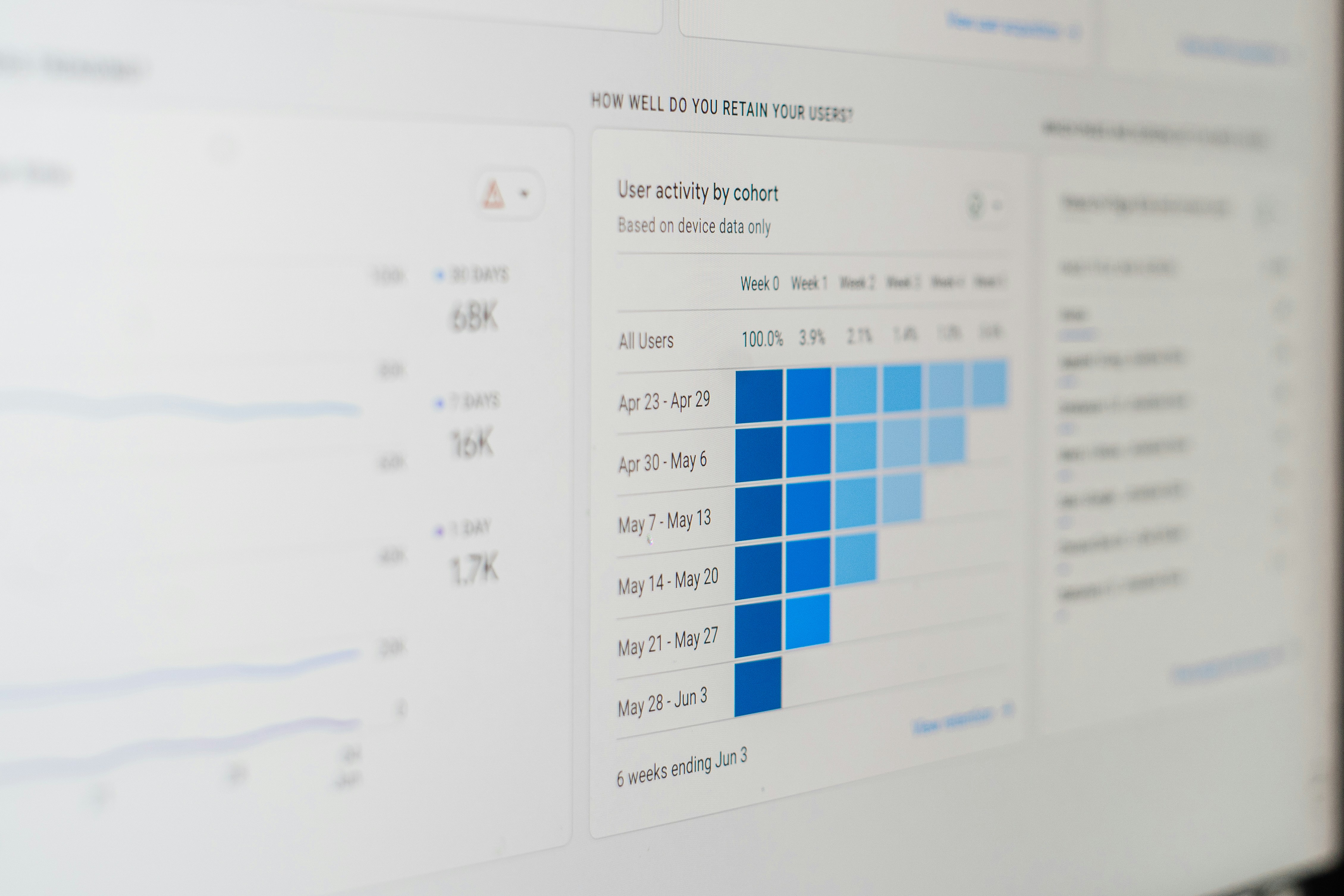
Looker Studio stands as a formidable data visualization tool designed to transform raw data into actionable insights. This powerful platform empowers users to create dynamic reports and dashboards tailored to various datasets, promoting informed decision-making across myriad sectors. Its versatility makes it increasingly popular among data analysts, marketers, and business strategists, facilitating a seamless presentation of complex information in an easily digestible format.
In meteorology, the dew point is a critical concept that indicates the temperature at which air must cool for water vapor to condense into liquid water. In simpler terms, it is a measure of atmospheric moisture. The dew point is essential for understanding humidity levels, comfort indices, and predicting weather patterns. A higher dew point signifies increased moisture in the air, which can influence many aspects of daily life, from how we dress to how we manage our home environments.
Dew point calculators are instrumental in various fields, such as agriculture, HVAC (heating, ventilation, and air conditioning), and climate science. In agriculture, understanding dew point levels can help farmers make informed decisions about irrigation and crop management to optimize yield. Meanwhile, the HVAC industry utilizes dew point calculations to maintain comfortable humidity levels within indoor environments, ensuring energy efficiency and comfort. Climate scientists depend on dew point data for analyzing atmospheric conditions and trends, guiding important research and policies related to climate change.
The integration of Looker Studio with dew point calculators, particularly the Illumin Dew Point Calculator, presents a unique opportunity to visualize and analyze this pivotal meteorological data effectively. By leveraging the capabilities of Looker Studio, users can track trends, make predictions, and implement strategies informed by accurate dew point measurements, fostering advancements across various applications where environmental conditions significantly impact outcomes.
Understanding Dew Point: The Science Behind the Calculation
Dew point is a critical measure in meteorology that indicates the temperature at which air becomes saturated with moisture. This saturation results in the formation of water droplets, commonly perceived as dew. Understanding dew point is crucial not only for weather forecasting but also for assessing human comfort levels in various climatic conditions. The calculation of dew point is influenced significantly by temperature and humidity—two primary factors that contribute to the moisture content of the air.
The relationship between temperature and dew point is a fundamental aspect of meteorological study. As air temperature rises, its capacity to hold moisture increases. Conversely, as air cools, it reaches a saturation point where it can no longer hold additional water vapor. This point of saturation is where dew point becomes essential. A higher dew point generally indicates higher humidity levels and can lead to discomfort in warm weather, while a lower dew point suggests drier air and more comfortable conditions.
Humidity also plays a vital role in determining dew point. Relative humidity, which expresses the current amount of moisture in the air compared to the maximum amount it can hold at a given temperature, directly influences comfort levels. For instance, when the air is fully saturated, and the relative humidity is at 100%, the dew point equals the air temperature. This understanding of dew point contributes to predicting not only weather changes but also has significant implications in agriculture, aviation, and building management.
Overall, comprehending the scientific principles behind dew point is fundamental in grasping how air moisture affects climate conditions and human comfort. Instruments and tools like the Illumin Dew Point Calculator leverage this knowledge, enabling users to obtain precise dew point calculations tailored to specific atmospheric conditions.
Overview of Looker Studio Features
Looker Studio is a powerful business intelligence tool that facilitates data analysis and visualization, particularly useful for information related to atmospheric conditions, such as dew point data. One of the key features of Looker Studio is its robust data integration capabilities. It allows users to connect to a multitude of data sources, including traditional databases, cloud storage, and even specialized repositories. This flexibility enables users to gather dew point data from various inputs, ensuring a comprehensive analysis.
Collaboration is another essential aspect of Looker Studio. The platform is designed to promote teamwork among users, allowing them to share insights and collaborate in real-time. This feature is particularly beneficial for teams analyzing dew point data, as members can discuss findings and make data-driven decisions without the impediment of email back-and-forth. Looker Studio enables users to create shared dashboards, providing a unified view of the data that all stakeholders can access and utilize.
Visualization tools within Looker Studio are equally significant. The platform offers a variety of chart types and customization options that allow users to present dew point data in a visually appealing manner. These visualizations can range from simple line charts to more complex geographical mappings, which can help elucidate trends or variations in dew point across different locations. By presenting data visually, Looker Studio enhances understanding and facilitates better decision-making for users. In summary, the integrated data capabilities, collaborative features, and advanced visualization tools of Looker Studio contribute to its effectiveness as a platform for analyzing dew point data.
How to Use the Looker Studio Illumin Dew Point Calculator
The Looker Studio Illumin Dew Point Calculator is a user-friendly tool designed to assist individuals and professionals in determining the dew point with ease. To access the calculator, users need to navigate to the Looker Studio platform, which requires an account for access. After logging in, navigate to the section dedicated to analytical tools and select the Illumin Dew Point Calculator from the list provided.
Once the calculator interface is open, users will encounter several fields that require data input. The primary inputs needed are the temperature and the relative humidity. The temperature can be entered in either degrees Celsius or Fahrenheit, while the relative humidity is expressed as a percentage. Ensure that the data entered is accurate, as it directly impacts the results generated by the calculator.
Upon filling in the required fields, the user should click the ‘Calculate’ button. The tool will then process the entries and display the calculated dew point. Additionally, the interface includes visual aids and graphs that provide further insight into the relationship between temperature, humidity, and dew point. Users can utilize this feature to better understand weather patterns and specific atmospheric conditions.
Interpreting the results is straightforward. The dew point reading indicates the temperature at which moisture in the air begins to condense into water. A higher dew point suggests more moisture in the air, which can be useful information for various professions, such as meteorology or HVAC system management. Thus, knowing how to use the Looker Studio Illumin Dew Point Calculator can significantly enhance one’s ability to assess environmental conditions.
Application of the Dew Point Calculator in Various Industries
The dew point calculator serves as a vital tool across multiple sectors, enabling professionals to make informed decisions based on humidity and temperature parameters. In agriculture, for instance, this calculator aids farmers in predicting weather conditions that could impact crop health. By knowing the dew point, farmers can assess the likelihood of frost formation, enabling them to take precautionary measures that protect their crops from adverse effects.
In the realm of building management, the dew point calculator is employed to maintain optimal indoor climate control. Facilities managers utilize this tool to ensure that humidity levels are kept within comfortable and safe limits. This is particularly crucial in environments such as commercial kitchens or museums, where excessive moisture can lead to mold growth or material degradation. Accurate dew point readings foster better HVAC system management, helping to maintain air quality and increase energy efficiency.
Moreover, meteorologists rely heavily on dew point calculators to formulate accurate weather forecasts. The dew point is a critical metric that indicates the moisture content in the air, thereby allowing meteorologists to predict rain, fog, or other significant weather phenomena. By analyzing dew point trends, meteorological services can provide timely warnings, ensuring public safety during extreme weather events.
In conclusion, the dew point calculator’s application extends far beyond theoretical calculations and enters practical use in diverse fields. Its role in agriculture, building management, and meteorology underscores its significance in fostering informed decision-making, enhancing operational efficiency, and promoting safety across industries.
Advantages of Using Looker Studio for Dew Point Calculations
In recent years, Looker Studio has emerged as a powerful tool for data analysis and visualization, particularly in the realm of dew point calculations. One of its most significant advantages is its ability to improve data accuracy. By leveraging Looker Studio, professionals can effortlessly connect to a variety of data sources, ensuring that the most relevant and up-to-date information is utilized in the dew point calculation process. This feature minimizes the risk of errors that often accompany manual data handling and enhances the reliability of the results obtained.
Another compelling benefit of using Looker Studio is its enhanced visualization options. The platform offers a wide array of customizable charts and graphs that allow users to represent their dew point data visually. This capability not only makes complex data sets more comprehensible but also aids in identifying trends and patterns that may not be immediately apparent in tabular form. Such visualizations are invaluable for stakeholders who require a clear and concise presentation of data to make informed decisions.
Furthermore, the ease of sharing insights across teams is a notable advantage of Looker Studio. The platform allows users to generate interactive dashboards that can be accessed in real time by various team members. This fosters collaboration and streamlines communication, as all relevant parties can view and discuss the same data simultaneously. As a result, organizations can respond more swiftly to changes in conditions influencing dew point calculations, thereby enhancing operational efficiency and decision-making processes.
Overall, utilizing Looker Studio for dew point calculations offers numerous benefits, including improved accuracy, advanced visualization capabilities, and enhanced collaborative features, making it an indispensable tool for data-driven professionals.
Combining Looker Studio with Other Data Sources
To achieve comprehensive insights into dew point analysis, users must consider integrating Looker Studio with other relevant data sources. By combining Looker Studio’s powerful visualization and analytical capabilities with external datasets, such as weather reports, geographic information systems (GIS), and climate models, analysts can enrich their data landscape. This multifaceted approach allows for a more holistic understanding of moisture levels and atmospheric conditions impacting the dew point.
When users integrate Looker Studio with other tools, they enable cross-referencing of diverse datasets. For instance, linking temperature and humidity statistics from local weather stations with data from IoT sensors not only enhances the accuracy of dew point calculations but also aids in identifying patterns and trends over time. This is particularly beneficial for sectors that depend on precise climate data, such as agriculture, HVAC management, and environmental research.
Furthermore, utilizing APIs from various platforms or accessing databases containing historical climate records can facilitate advanced analytics. For example, users might compare current dew point metrics against historical averages to gauge unusual weather events or predict future changes. Such comparisons are crucial for making data-driven decisions in agricultural planning or resource management.
Additionally, the ability to visualize this data within Looker Studio empowers users to create interactive dashboards, illustrating complex relationships between variables like temperature, humidity, and geographic factors. By viewing multiple data perspectives simultaneously, users can cultivate a deeper understanding of the interdependencies that affect overall climate patterns.
In summary, the integration of Looker Studio with alternative data sources transforms dew point analysis by fostering a more inclusive perspective on atmospheric conditions. By merging various datasets, users can derive more meaningful conclusions that enhance their operational effectiveness and strategic foresight.
Tips for Effective Data Visualization with Looker Studio
When utilizing Looker Studio to visualize dew point data, it is critical to adopt effective practices that enhance clarity and accessibility. The selection of appropriate chart types is fundamental. For dew point data, which provides insights into moisture levels in the air, line charts and area charts are often ideal, as they illustrate changes over time. If comparing different locations, consider bar charts or heat maps, which can effectively display relative differences across datasets.
Moreover, implementing filters is essential for refining the data presented. Looker Studio allows users to create dynamic filters that enable viewers to interact with the data. By incorporating filters based on date ranges, geographic locations, or specific metrics, audiences can gain tailored insights that are relevant to their interests. This flexibility not only enhances user engagement but also ensures that the visualization remains focused and informative.
Another key aspect is ensuring accessibility for all users. When crafting visualizations, it is imperative to consider color choices and contrast levels, as individuals with color blindness or other visual impairments may struggle with certain palettes. Opt for high-contrast colors and use textures or patterns to differentiate data segments. Additionally, clearly labeling axes and including legends enhances comprehension. Providing alternative text for images and diagrams ensures that visually impaired users can still access information through screen readers.
Incorporating these best practices within Looker Studio helps in delivering a more intuitive and impactful dew point data visualization. Emphasizing clarity, interactivity, and accessibility leads to an overall user experience that is not only informative but also engaging.
Conclusion
The Looker Studio Illumin Dew Point Calculator represents a significant advancement in the realm of data analysis, particularly for industries where moisture management is critical. By leveraging the power of Looker Studio, users can transform complex data sets into actionable insights. This tool enhances our understanding of dew point calculations, which are fundamental in fields ranging from meteorology to air conditioning systems, and even in agriculture where humidity control is paramount.
Utilizing this calculator enables professionals to make informed decisions based on real-time data, ultimately leading to improved operational efficiency and enhanced predictive capabilities. The dew point is not merely a theoretical concept but a practical metric that can provide clarity in many applications. By integrating dew point insights into their strategies, businesses and individuals can better anticipate environmental conditions that affect their activities.
Furthermore, the interactive and user-friendly nature of Looker Studio enhances the accessibility of complex data analysis, encouraging broader adoption across various sectors. As users become more adept at interpreting dew point data, they will find new opportunities to optimize processes and mitigate risks associated with humidity fluctuations.
In summary, the Looker Studio Illumin Dew Point Calculator not only empowers users with essential knowledge but also serves as a foundation for advanced data-driven decision-making. As organizations continue to navigate the challenges posed by environmental variables, tools like this will be invaluable in fostering a culture of data literacy and strategic foresight. Explore its capabilities and unlock the potential of your data for more informed and effective decision-making.