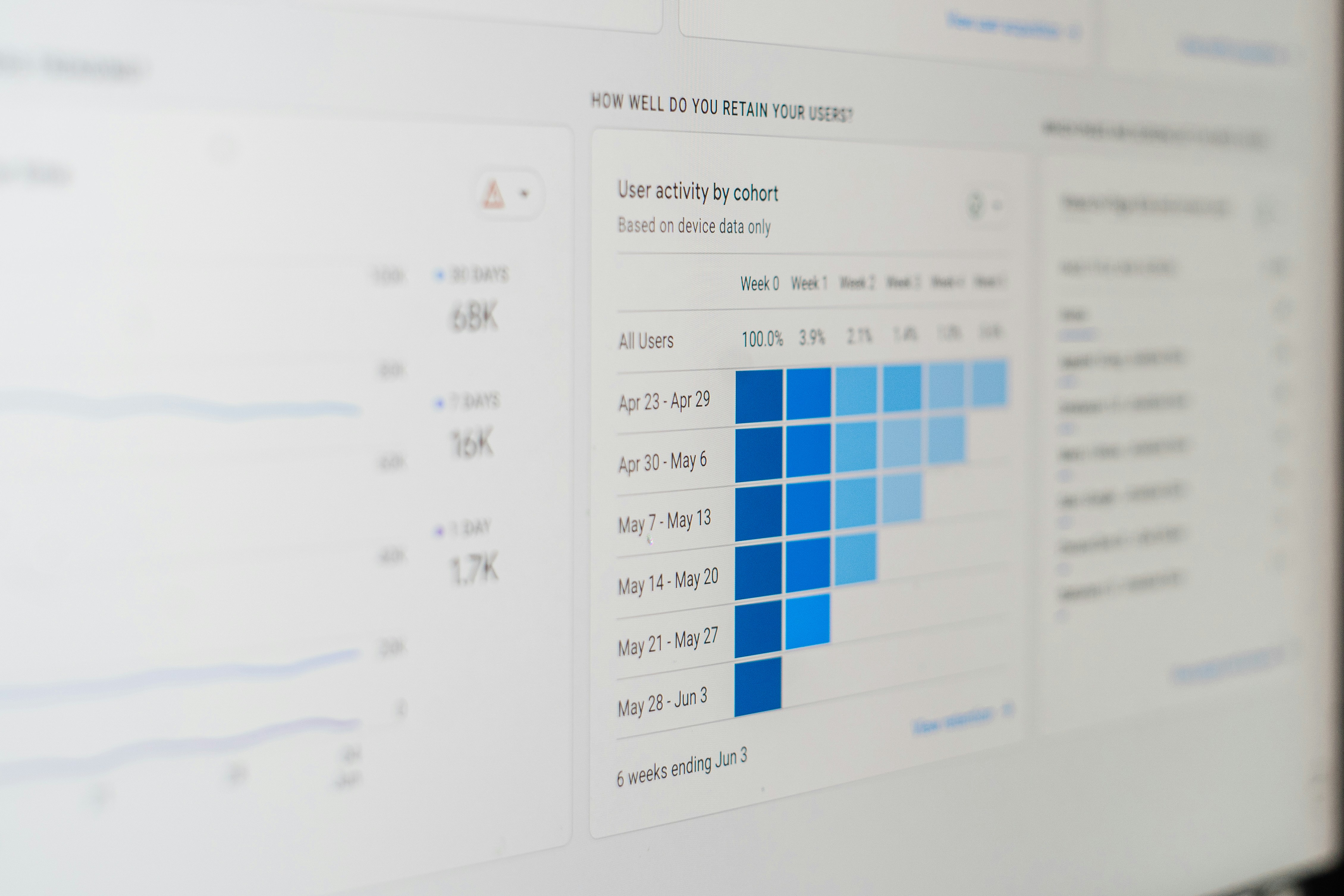
Introduction to Looker Studio
Looker Studio is an advanced business intelligence and data analytics platform designed to empower organizations in their quest to make informed, data-driven decisions. The primary purpose of Looker Studio is to provide users with the tools and resources necessary to visualize, analyze, and derive meaningful insights from their vast pools of data. With its user-friendly interface and comprehensive capabilities, Looker Studio caters to users across various industries, allowing them to harness the power of data effectively.
One of the key strengths of Looker Studio lies in its ability to connect directly to a multitude of data sources, including cloud-based platforms, databases, and APIs. This connectivity enables businesses to unify their data under one umbrella, streamlining their analytics process. By using Looker Studio, organizations can quickly create reports and dashboards that are both insightful and interactive. This ensures that decision-makers have access to real-time data, allowing them to act swiftly in response to market changes.
The significance of Looker Studio in today’s data-centric business landscape cannot be overstated. It plays a crucial role in facilitating data visualization, thereby enhancing comprehension and fostering a culture of analytics within organizations. With the increasing importance of data-driven decision-making, Looker Studio becomes a vital tool, aiding businesses in uncovering trends, measuring performance, and ultimately driving growth. Through this platform, decision-makers gain a clearer understanding of their operational metrics, customer behavior, and business performance, which functions as a foundation for strategic planning.
As we explore Looker Studio further, we will delve into its features, capabilities, and best practices that can enhance its overall utility for businesses. This journey promises to illuminate how organizations can optimize their data analysis processes with Looker Studio, establishing a robust framework for future success.
Understanding Data Models
Data models serve as vital constructs in the field of data analysis, providing a blueprint for how data within a system is structured, manipulated, and accessed. Essentially, these models define how data is connected, stored, and retrieved, allowing analysts to effectively work with complex datasets. With the advent of powerful tools like Looker Studio, understanding data models becomes even more crucial for optimizing data visualization and reporting processes.
There are several types of data models utilized within Looker Studio, each serving distinct purposes. One prevalent type is the conceptual data model, which provides a high-level view of the data entities and their relationships. It emphasizes what data is important for the analysis without delving into how it is implemented. Such models are particularly useful in the initial stages of data analysis, helping stakeholders understand the overall structure of their data.
Another significant type is the logical data model. This model goes a step further by detailing specific attributes of the entities, along with the relationships between them, while remaining independent of how the data will be physically stored. By outlining the structure of the data in such a detailed manner, it enables analysts to identify necessary data transformations and define how to derive meaningful insights.
Lastly, there is the physical data model, which represents how data is stored in a particular system. This model takes into account the storage capacities, indexing strategies, and performance optimization techniques necessary for retrieving data efficiently. Understanding these diverse data model types is instrumental for anyone working with Looker Studio, as they facilitate more effective data visualization and enhance the overall reporting experience.
Key Features of Looker Studio
Looker Studio serves as a powerful business intelligence tool designed for effortless data visualization and insightful reporting. One of its key features is the robust data exploration capability, allowing users to delve into datasets with ease. This feature empowers users to query data effectively, offering dynamic filters and drill-down options that facilitate deeper analytical insights. With this level of interactivity, teams can derive valuable information quickly and efficiently, making data-driven decisions simpler.
Another significant attribute of Looker Studio is its extensive integration capabilities. The platform seamlessly connects to various data sources, such as SQL databases, Google Cloud, and third-party applications. This flexibility ensures that users can work with a multitude of datasets, streamlining the process of data consolidation. Moreover, the integration supports regular updates and real-time data synchronization, ensuring that reports are always based on the latest information.
Custom visualization options in Looker Studio further enhance its utility. Users can create tailored graphs, charts, and dashboards that reflect the specific needs of their organization. This customization ensures that stakeholders can visualize complex data tailored to their unique requirements and preferences. Furthermore, Looker Studio allows teams to incorporate various visual elements, making data interpretation easier and more engaging.
Lastly, real-time collaboration tools strengthen Looker Studio’s functionality. Multiple users can simultaneously work on reports, share insights, and provide feedback instantly. This feature cultivates a collaborative environment, promoting teamwork across departments and enhancing the collective understanding of the data at hand.
Creating an Effective Data Model in Looker Studio
Building an effective data model in Looker Studio begins with a clear understanding of your data sources and the insights you aim to derive. The data model serves as the backbone of your analytics projects, influencing how well you can analyze, visualize, and interpret data trends. The following steps outline how to create a robust data model while maximizing the capabilities of Looker Studio.
First, identify the relevant data sources that will feed into your Looker model. Consider both structured data, like SQL databases, and unstructured data, such as CSV files. Once the data sources are determined, use LookML to define the data structure. LookML is a powerful modeling language that allows users to specify relationships between different data entities, enhancing the overall functionality and dynamism of your data visualizations.
Next, focus on establishing clear relationships among tables using primary and foreign keys. This relational structure will facilitate seamless data retrieval during analysis. It is advisable to keep the model as simple as possible to reduce complexity, thereby promoting easier maintenance and troubleshooting. Additionally, making use of derived tables can optimize performance by pre-aggregating data for faster queries.
While building your Looker model, it is important to avoid common pitfalls such as overfitting the model with excessive joins or neglecting the use of dimension groups for time-based analyses. Also, give due consideration to user access and permission settings to ensure that sensitive data is adequately protected.
Finally, collaborate with stakeholders throughout the modeling process, gathering feedback to refine and improve the data model. By incorporating diverse insights, you can create a more effective and user-friendly model in Looker Studio that meets the needs of all users. With the right approach, your data model will not only serve as a source of powerful insights but also enhance the overall efficiency of your analytical workflows.
Exploring Looker Studio Reporting Capabilities
Looker Studio offers a robust suite of reporting capabilities that allows users to transform raw data into insightful interactive reports. These capabilities are pivotal for organizations aiming to derive meaningful insights from their data models, facilitating informed decision-making based on comprehensive visualizations.
A primary strength of Looker Studio lies in its ability to create dynamic dashboards. Users can effortlessly build dashboards that organize and present data visually, ensuring that complex information is easily interpretable. With a range of visualization options, including charts, graphs, and tables, Looker Studio empowers users to customize the appearance and functionality of their reports, catering to specific data storytelling needs.
Moreover, Looker Studio integrates seamlessly with various data sources, enhancing its versatility in reporting. Users can connect diverse data sets, allowing them to compile reports that provide a holistic view of their business performance. This integration not only streamlines the reporting process but also enriches the analysis by leveraging multiple data perspectives.
Interactive features such as filters and drill-down capabilities further enhance the reporting experience. Users can implement filters to focus on particular segments of data, enabling stakeholders to analyze trends, patterns, and anomalies more efficiently. Additionally, the drill-down functionality allows users to explore underlying data with ease, fostering a deeper understanding of metrics and key performance indicators (KPIs).
The user-friendly interface of Looker Studio simplifies the reporting process for both technical and non-technical users. As a result, organizations can cultivate a data-driven culture where employees across various departments can create insights-driven reports without relying solely on data teams. In essence, Looker Studio’s reporting capabilities provide a powerful tool for illuminating data models and fostering analytical insights.
Use Cases for Looker Studio
Looker Studio, a powerful tool for data visualization and analytics, has been adopted across various industries due to its versatility and effectiveness. One notable use case can be found in the retail sector. Retailers utilize Looker Studio to analyze sales data in real-time, allowing them to identify emerging trends, optimize inventory levels, and enhance customer experiences. By visualizing key performance indicators (KPIs), retailers can make informed decisions quickly, which ultimately leads to increased profitability.
In the healthcare industry, Looker Studio is employed to manage patient data and improve operational efficiency. Healthcare organizations use it to track patient outcomes, monitor resource utilization, and analyze various treatment protocols. The ability to integrate data from diverse sources, such as electronic health records (EHR), allows healthcare providers to gain a comprehensive overview of patient care and operational performance. This, in turn, supports evidence-based decision-making.
Another example of Looker Studio’s application can be seen in the technology sector, where companies leverage its capabilities for software development analytics. Tech firms use Looker Studio to monitor software performance metrics, conduct A/B testing analyses, and gauge user engagement. The visual dashboards equipped with actionable insights empower teams to iterate on their products rapidly and drive better user experiences.
Furthermore, educational institutions have adopted Looker Studio to enhance their data analytics strategies. By analyzing student performance data, enrollment trends, and retention metrics, schools and universities can tailor their educational offerings to meet student needs more effectively. This data-driven approach aids academic administrators in making strategic decisions regarding resource allocation and program development.
These diverse use cases illustrate how Looker Studio transforms data into actionable insights, facilitating improved decision-making across multiple industries. The adaptability of Looker Studio ensures it remains a valuable asset in the sophisticated landscape of data analytics.
Integrating Looker Studio with Other Tools
Looker Studio stands out as a powerful tool for data visualization and analytics, but its true potential is unlocked when integrated with other analytics and business intelligence solutions. The ability to seamlessly connect with various data sources and applications allows organizations to enrich their data models and create more comprehensive insights.
Many businesses utilize a combination of platforms such as Google Analytics, Salesforce, and other database management systems to gather data. Looker Studio facilitates smooth integration with these platforms, enabling users to pull data effortlessly from multiple sources, fostering a unified analytics experience. For instance, integrating Looker Studio with Google Analytics empowers users to visualize web traffic data alongside their internal business metrics, offering a holistic view of performance.
Beyond data retrieval, integration helps streamline workflows across teams. Organizations can automate data updates and reporting processes, reducing the time spent on manual tasks. By connecting Looker Studio to platforms like Slack or Microsoft Teams, teams can receive real-time data alerts and share insights instantly, promoting a data-driven culture within the workplace.
Furthermore, Looker Studio supports a variety of data connectors, allowing it to work seamlessly with ETL tools such as Apache Airflow or Fivetran. This characteristic ensures users can automate the extraction, transformation, and loading of data, thus simplifying the entire data pipeline process.
In this integration-rich environment, Looker Studio serves not only as a visualization tool but also as a powerful hub for business intelligence, enhancing the overall data analysis capabilities of the organization. As the business landscape continues to evolve, leveraging such integrations will be key to maintaining a competitive edge and driving informed decision-making.
Challenges in Implementing Looker Studio
Implementing Looker Studio can present a range of challenges for organizations eager to unlock the potential of their data. One primary obstacle is the initial setup and configuration process. Organizations often find it daunting to configure the data model appropriately, especially if the data sources are diverse and not uniformly structured. Inconsistent data formats and semantics can hinder the effectiveness of the implementation. To address this, a thorough normalization process before integration can streamline alignment, ensuring consistency and better insights.
Another common challenge is user adoption within the organization. Resistance to new technology often stems from a lack of understanding or training. If employees do not grasp how to utilize Looker Studio effectively, the platform’s potential may not be fully realized. Organizations can mitigate these issues by investing in training sessions and ongoing support. Establishing a dedicated team to assist users can foster a more positive attitude and facilitate smoother transitions.
Furthermore, performance issues can arise when handling large datasets. Looker Studio requires robust infrastructure to ensure that it can process and visualize big data efficiently. Adequate hardware, along with optimized queries, is essential for achieving optimal performance. Organizations should regularly assess their infrastructure capabilities and, if necessary, upgrade their systems to support high-volume data analytics.
Security and compliance considerations are also crucial when integrating Looker Studio, particularly in industries with strict regulatory standards. Organizations must ensure that sensitive data is protected and that any implementation adheres to compliance requirements. Conducting thorough risk assessments and establishing clear data governance policies will be key in successful implementation.
In summary, organizations can navigate the challenges of implementing Looker Studio by focusing on preparation, user education, infrastructure optimization, and security protocols. Proactive strategies will ultimately lead to a more successful integration of Looker Studio into the data ecosystem.
Conclusion and Future Trends in Data Analytics
In the rapidly evolving landscape of data analytics, the importance of leveraging sophisticated tools, such as Looker Studio, cannot be overstated. As organizations increasingly turn to data-driven decision-making, the ability to easily visualize and analyze complex data sets becomes paramount. Looker Studio allows users to transform raw data into actionable insights, providing a clear path for businesses to enhance their operations and strategy.
Key takeaways from this discussion highlight the versatility and user-friendliness of Looker Studio in designing data models that cater to various analytical needs. Its capability to streamline data visualization processes empowers users to derive meaningful conclusions from their data efficiently. Furthermore, as data continues to grow in volume and complexity, tools like Looker Studio will play a critical role in ensuring that organizations can adapt and thrive in this environment.
Looking ahead, several emerging trends in data analytics are worth noting. The adoption of artificial intelligence (AI) and machine learning (ML) will significantly enhance the ability of platforms like Looker Studio to provide predictive analytics, thus allowing businesses to anticipate market changes before they occur. Additionally, the push for real-time data processing capabilities is likely to gain momentum, enabling immediate responses to evolving scenarios.
Moreover, data governance and security will remain at the forefront as organizations seek to protect sensitive information while maximizing the utility of their data assets. As these trends unfold, companies will benefit from a more robust understanding of their data landscape, ensuring that effective decisions are based on solid evidence.
In conclusion, the future of data analytics seems promising, particularly with tools such as Looker Studio paving the way for transformative practices. By staying attuned to technological advancements and the evolving needs of the market, organizations can harness the true potential of their data, driving sustainable growth and innovation.