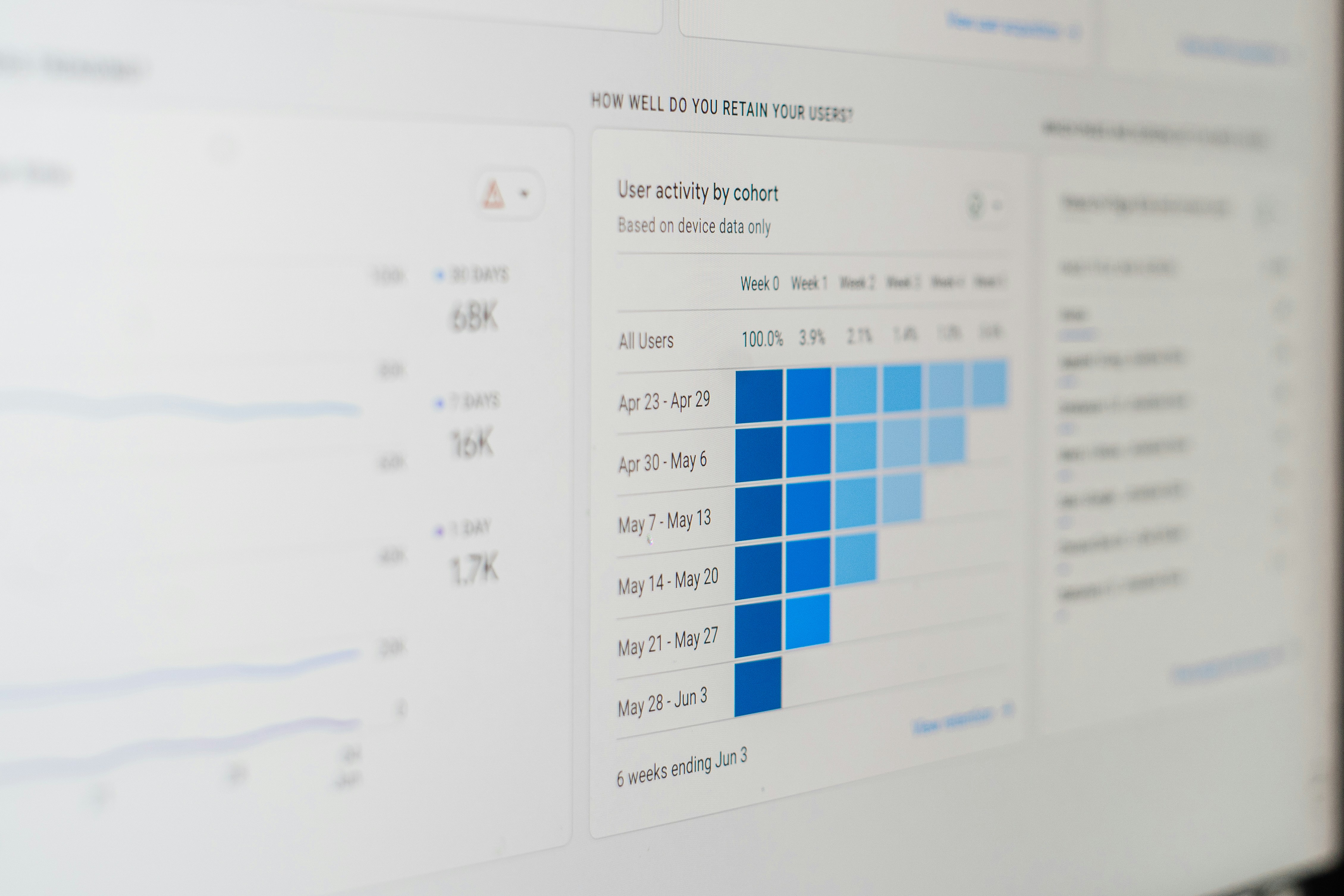
Introduction to Funnel Reports
Funnel reports are essential tools in the domain of marketing and sales analytics, designed to provide a visual representation of the potential customer’s journey through the buying process. These reports allow businesses to track a user’s progression through various stages, from initial awareness to final purchase. By mapping this journey, companies can easily identify where potential customers drop off, which stage they struggle at, and ultimately, optimize their conversion rates.
Each stage of a funnel report is critical, serving as a checkpoint in assessing how effectively a business retains potential customers. Typically, funnels begin with a broad base, encompassing potential leads from various entry points such as social media, advertisements, or search engine queries. As a customer navigates through the funnel stages—awareness, interest, consideration, and ultimately, purchase—the number of individuals may decrease, illustrating the typical attrition faced during the buying process.
The significance of funnel reports cannot be understated; they provide valuable insights that inform marketing strategies and sales processes. For instance, if a significant number of potential customers are pausing at the consideration stage, it may highlight the need for better product education or adjustments in pricing. Alternatively, insights from funnel reports might reveal an effective lead generation channel that deserves more investment.As businesses strive to enhance their analytics capabilities, the use of funnel report formats becomes paramount, facilitating data-driven decision-making.
Ultimately, the strategic benefits of funnel reports empower businesses to enhance customer experiences, generating more efficient and effective paths to conversion. By continually refining their strategies based on these insights, organizations are well-positioned to increase their successes in navigating customer journeys.
Key Components of a Funnel Report
A funnel report serves as a visual representation of a user’s journey through a series of stages leading to a desired action, typically a conversion. Understanding the key components of a funnel report format is essential for marketers and analysts looking to optimize performance and maximize conversion rates. The stages of the funnel depict the various touchpoints through which a potential customer passes, starting from awareness to interest, consideration, and ultimately, conversion.
The first critical component is the clear definition of each stage in the funnel. Each stage must be distinctly outlined to accurately assess the progress of users. For instance, the top of the funnel may represent visitors to a website, while the bottom could signify completed purchases. Having clearly defined stages allows businesses to understand where users may be falling off in the process, which is where drop-off percentages come into play.
Conversion rates at each stage are another vital element in the funnel report format. This metric indicates the percentage of users who progress from one stage to the next. High conversion rates suggest effective marketing strategies and a smooth user experience, while low conversion rates may indicate areas requiring improvement. Analyzing conversion rates alongside drop-off percentages provides insight into particular stages where users disengage, offering actionable guidance for optimization.
Lastly, careful analysis of the data collected at each stage is imperative. This involves not just numerical data but also qualitative feedback whenever possible, such as user surveys or behavioral tracking. By synthesizing quantitative and qualitative insights, marketers can gain a more comprehensive understanding of user behavior and refine their strategies accordingly. Together, these components create a robust funnel report that aids in the continual refinement of marketing efforts and ultimately enhances conversion success.
Common Funnel Report Formats
Funnel reports play a pivotal role in tracking the performance of marketing strategies and sales processes, and the format in which this information is presented can significantly influence its interpretation. There are several common formats for funnel reports, each serving a unique purpose and catering to specific analytical needs.
One of the most widely utilized formats is the visual representation, which includes charts and graphs. These formats are particularly effective as they allow stakeholders to grasp trends and patterns quickly. A funnel chart, for instance, distinctly outlines each stage of the sales process, providing a clear visual representation of conversion rates and drop-offs. Similarly, bar and line graphs can effectively illustrate performance over time, making it easier to identify seasonal trends or the impacts of specific campaigns. The aesthetic clarity of these visual formats aids in presenting complex data in an understandable manner.
Another common format is the tabular representation, which organizes data in rows and columns. This format is particularly beneficial for detailed comparisons and enables users to delve deeper into specific metrics. It allows for quick access to numerical data, which can help in making precise calculations and analyses. However, while tabular formats provide comprehensive insights, they may require more time for stakeholders to interpret, especially if they are not accustomed to examining numerical data.
Dashboard displays are also gaining popularity as they consolidate various data points into an interactive interface. This format often integrates visual elements and tables, providing a holistic view of the funnel’s performance at a glance. This interactivity can lead to more effective decision-making, as users can filter and drill down into specific metrics, taking full advantage of the funnel report format.
Overall, the choice of format in presenting funnel data is crucial, as it can enhance clarity and facilitate better decision-making. Depending on the audience and data complexity, selecting the appropriate funnel report format can greatly improve engagement and understanding.
Creating Effective Funnel Reports
The process of crafting effective funnel reports is essential for any organization looking to analyze its conversion metrics. First and foremost, it is imperative to set clear objectives for your report. Identifying specific goals, such as increasing lead generation or optimizing sales conversions, will help focus the data collection and reporting efforts. By having well-defined objectives, teams can evaluate performance relative to expected outcomes.
Once the objectives are established, the next step is to select the right metrics that align with those goals. Common metrics include conversion rates, drop-off points, and customer acquisition costs. Each of these areas delivers insights into how well the funnel is functioning and where potential improvements can be made. Understanding which metrics are most relevant will inevitably lead to more actionable insights.
Choosing the proper software tools is another critical aspect of creating a comprehensive funnel report format. There are numerous analytics platforms available, each offering various levels of functionality and user-friendliness. Selecting a tool that enables easy data visualization and manipulation will enhance the overall effectiveness of the reporting process. Look for solutions that streamline the capture and reporting of necessary data while supporting integration with other marketing and sales tools.
Data accuracy cannot be understated. Ensuring that the information feeding into your funnel report comes from reliable and validated sources is crucial for drawing meaningful conclusions. Regular audits and consistency checks are recommended to maintain data integrity.
Finally, making your funnel report user-friendly is essential for stakeholder engagement. Use clear visuals, concise language, and actionable insights to facilitate understanding across team members. This will encourage data-driven decision-making, which is the ultimate aim of an effective funnel report.
Interpreting Funnel Report Data
Interpreting funnel report data is crucial for understanding the dynamics of your sales or conversion processes. At its core, a funnel report outlines the various stages a potential customer goes through before completing a desired action, such as making a purchase or signing up for a newsletter. To effectively analyze this data, it is essential to familiarize yourself with specific metrics that indicate performance at each stage.
Common metrics to monitor include conversion rates, drop-off rates, and the average time spent in each stage. Conversion rates reflect the percentage of users who progress from one stage to the next, which helps identify successful phases of the funnel. Conversely, drop-off rates indicate where users abandon the process, highlighting potential barriers that warrant further investigation. Tracking the average time spent at each stage can also provide insights into user engagement and ease of navigation.
Recognizing trends within your funnel report is another critical aspect of data interpretation. For instance, if a significant drop-off occurs at a particular stage, it may indicate an issue such as complicated forms or unclear calls to action. By closely examining these trends, you can make informed decisions to optimize your funnel structure and improve overall performance.
Moreover, identifying successful stages in the funnel allows you to replicate those practices across less effective areas. For example, if a lead magnet generates high conversion rates, analyzing what resonated with users can help you design similar content that fosters engagement in other stages. Furthermore, implementing A/B testing can aid in troubleshooting drop-offs. This process enables you to experiment with different approaches to see what resonates best with your audience, ultimately enhancing the funnel report format and improving conversions.
Understanding and interpreting funnel report data effectively empowers marketers and business owners to refine their strategies, optimize user journeys, and drive better results.
Tools and Software for Funnel Reporting
In the realm of funnel reporting, the availability of effective tools and software can significantly enhance the accuracy and usability of funnel report formats. A variety of platforms are designed to cater to the different needs of marketers and analysts, providing insights into customer behavior across various stages of the sales funnel.
One of the most widely used tools for funnel reporting is Google Analytics. Known for its comprehensive data tracking capabilities, it allows users to create and analyze funnel visualizations easily. Google Analytics provides built-in funnel report options that help identify drop-off points in the conversion process. Additionally, its integration with other Google services enhances its usability, allowing for seamless data reporting and analysis directly linked to advertising campaigns.
Looker Studio, formerly known as Google Data Studio, is another powerful option for creating dynamic funnel reports. This tool enables the visualization of data through customizable dashboards and reports. Users can import data from various sources, including Google Sheets and SQL databases, to create detailed funnel reports. The user-friendly interface makes it accessible for users with varying levels of technical expertise, facilitating easier collaboration among teams.
Other noteworthy visualization software options like Tableau and HubSpot also provide effective means of funnel reporting. Tableau is known for its robust data visualization capabilities and can handle large datasets, making it ideal for complex funnel analyses. On the other hand, HubSpot integrates funnel reporting directly into its CRM, allowing marketers to track leads and customer journeys more effectively without needing separate analytic tools.
Ultimately, selecting the right tool for funnel reporting depends on a user’s specific needs, budget, and the complexity of the data involved. For further exploration of these tools and software options, users can access their respective official websites for the most current features and pricing options.
Best Practices for Funnel Reporting
Creating effective funnel reports requires adherence to certain best practices that can significantly enhance their utility. One of the foremost practices is the necessity of regularly updating the reports to reflect the most current data. This ensures that stakeholders are working with accurate and relevant information, which is essential for making informed decisions. Regular updates also help in tracking performance trends over time, thereby enabling teams to identify areas for improvement promptly.
Involving team members in the funnel reporting process is another vital practice. Collaborative engagement fosters a comprehensive understanding of the data, as different members can provide unique insights from their respective areas of expertise. This broad perspective can lead to more robust conclusions and actionable strategies that are in alignment with overall business goals. Furthermore, regular team discussions regarding the findings can inspire collective brainstorming for solutions, enhancing team coherence and motivation.
Linking funnel data to actionable insights is a critical aspect of effective reporting. A funnel report format should not merely present numbers; it must translate those figures into strategic direction. By connecting data points to specific actions, teams can prioritize initiatives that drive the desired outcomes. This can involve analyzing which phase of the funnel is underperforming and formulating steps to address these gaps. Additionally, customizing reports to suit different audiences is essential for ensuring clarity and relevance. Each stakeholder may have varied interests or levels of understanding regarding the data, so tailoring the reports to fit these nuances can facilitate better communication and comprehension.
In conclusion, implementing these best practices in funnel reports not only improves the reporting process but also maximizes the effectiveness of the insights derived from the data. Regular updates, team involvement, actionable connections, and audience customization are key to harnessing the full potential of funnel reporting.
Case Studies: Successful Funnel Reporting
Effective funnel reporting has become a cornerstone for many businesses striving to enhance their conversion rates and overall performance. A key example is Company A, an e-commerce platform that identified significant drop-off points in their customer journey via their funnel report format. By carefully analyzing the metrics in the funnel report, the company determined that a large portion of potential customers abandoned their carts during the checkout process due to unnecessary steps and confusing navigation. As a result, the company optimized its checkout process, reducing the number of steps required and simplifying the user interface. Following these changes, Company A witnessed a remarkable increase in its conversion rate, ultimately leading to a substantial boost in revenue.
Another compelling case study involves Company B, a SaaS provider that employed a funnel report format to examine user engagement over time. By segmenting their funnel reports, they discovered that users who engaged with onboarding materials were significantly more likely to convert to paid subscriptions. Armed with this insight, Company B revamped its onboarding process, incorporating interactive tutorials and personalized follow-ups. This strategic change resulted in a 30% increase in their subscription conversion rates within just three months.
Similarly, Company C, a lead generation firm, utilized funnel reporting to assess the effectiveness of its marketing campaigns. Their analysis revealed that although leads were being generated, many were not moving further down the funnel. By targeting these leads with tailored email campaigns based on their behaviors and preferences outlined in the funnel reports, Company C was able to enhance their nurturing efforts. This targeted approach not only increased engagement but also led to a higher percentage of leads converting into clients, demonstrating the power of effective funnel reporting.
Conclusion and Further Resources
The effective use of funnel reports is crucial for businesses seeking to optimize their marketing strategies and enhance conversion rates. These reports provide valuable insights into the customer journey, highlighting critical areas where potential customers may drop off. By analyzing patterns and behaviors within the funnel report format, marketers can identify weaknesses in their sales process and make informed decisions to improve user experience. This iterative process ultimately leads to higher engagement, increased conversions, and improved return on investment.
Furthermore, the funnel report format serves as a guiding framework for structuring marketing campaigns. Understanding each stage of the funnel allows marketers to tailor their messaging and offers more effectively, addressing the specific needs of their audience at the right time. This targeted approach not only boosts conversion rates but also fosters a stronger relationship between the brand and its customers, which is essential for long-term success.
To delve deeper into the intricacies of funnel reports and their applications, a range of resources are available for further exploration. Connect with RG Gupta for expert insights into reporting and analytics through the following links: