Introduction to Looker Studio and Stripe
Looker Studio, formerly known as Google Data Studio, is a powerful data visualization and reporting tool that enables businesses to create interactive dashboards and reports from various data sources. This platform is particularly beneficial for organizations looking to derive insights from complex datasets, as it offers users an intuitive interface to showcase data trends. Integrating Looker Studio with Stripe, a leading online payment processing platform, empowers businesses to efficiently analyze payment data and enhance their reporting capabilities.
Stripe provides a comprehensive suite of services for online payment processing, making it an essential tool for e-commerce and subscription-based businesses. However, the sheer volume of transactional data generated can be overwhelming. Without effective reporting tools, organizations may struggle to transform this data into meaningful insights. Here, Looker Studio comes into play, offering seamless integration with Stripe. This integration allows businesses to pull payment data directly into Looker Studio, where they can visualize and analyze the information in a user-friendly environment.
By leveraging Looker Studio for Stripe reporting, companies can create customized dashboards that illustrate key performance indicators (KPIs) related to their payment processes. This not only saves time for data analysis but also aids in making data-driven business decisions. Additionally, Looker Studio’s ability to connect with multiple data sources means that businesses can enrich their Stripe data with external information, resulting in a more comprehensive view of their financial health. Ultimately, utilizing Looker Studio in conjunction with Stripe equips organizations with the tools necessary to generate actionable insights and optimize their payment strategies.
Benefits of Integrating Looker Studio with Stripe
The integration of Looker Studio with Stripe presents a range of significant benefits that enhance financial reporting and analysis for businesses. This collaboration allows stakeholders to gain insights into their financial metrics through improved data visualization. Looker Studio provides intuitive dashboards that can be customized to display vital information from Stripe in a format that is both visually appealing and easy to comprehend. By transforming raw data into informative graphics, it becomes easier to identify trends, track performance, and understand financial dynamics.
Another notable advantage of integrating Looker Studio with Stripe is the real-time reporting capabilities it offers. Businesses frequently require up-to-date information to make swift decisions, and this integration ensures that Stripe data is reflected accurately in Looker Studio dashboards. End-users can monitor revenue, track customer payments, and assess financial health instantly, facilitating timely responses to emerging market conditions or operational challenges.
Furthermore, the customization options available within Looker Studio allow organizations to create dashboards that are tailored to their specific needs. Users have the flexibility to choose the metrics they want to focus on, ranging from subscription analytics to transaction volumes and customer behavior trends. This level of customization ensures that the data presented is relevant and actionable, enabling teams to concentrate on essential indicators that drive their strategic objectives.
Ultimately, the integration of Looker Studio with Stripe not only streamlines the reporting process but also empowers businesses to harness the full power of their financial data. Enhanced visualization, real-time reporting, and personalized dashboards work collectively to equip stakeholders with the insights needed to make informed decisions swiftly and effectively.
Setting Up Looker Studio with Stripe
Integrating Looker Studio with Stripe can significantly enhance your reporting capabilities and allow for better data visualization. To begin the setup process, first ensure you have administrative access to both your Looker Studio account and your Stripe account. Once you have confirmed these requirements, proceed with the following steps.
The initial step involves linking your Looker Studio account to Stripe. In Looker Studio, navigate to the “Data Sources” section and click on “Add a Data Source.” From the list of available connectors, select “Stripe” as your data source. You will then be prompted to authenticate your Stripe account. Follow the instructions to log in to your Stripe account, and grant Looker Studio the necessary permissions to access your Stripe data.
After successful authentication, you’ll need to configure your data settings. It is advisable to customize the integration settings to match your reporting needs. This includes selecting specific metrics and dimensions relevant to your business. For instance, you may want to focus on payment data such as total revenue, transaction counts, or customer details. Once these configurations are complete, click on “Connect” to finalize your data connection.
Once Looker Studio is linked to Stripe, you can begin accessing and analyzing your Stripe data. The data fields will appear on the right side of your Looker Studio interface. Here, you can create charts, tables, and various visualizations that encapsulate your payment processing performance. Additionally, always review the automatic date range configurations to ensure they align with your reporting periods, which will enable seamless data flow.
In conclusion, setting up Looker Studio with Stripe requires navigating through a straightforward integration process. By successfully linking the accounts and configuring data settings, you can harness the full potential of Looker Studio for your Stripe reporting needs.
Creating Custom Dashboards in Looker Studio
Creating custom dashboards in Looker Studio is an effective way to visualize key performance indicators (KPIs) from Stripe. The first step in building a powerful dashboard is selecting the relevant metrics that directly correlate with your business objectives. For Stripe users, essential metrics such as total revenue, average transaction value, and customer churn rates provide valuable insights. By choosing these specific metrics, businesses can monitor their performance and swiftly identify trends and anomalies.
Once you have selected the appropriate KPIs, the next step is to arrange the visual elements of your dashboard for optimal comprehension. Looker Studio offers a variety of visualization options, including bar charts, line graphs, and pie charts, which can be utilized to represent data from Stripe effectively. To ensure that users can quickly interpret the information, it is advisable to place the most critical metrics at the top of the dashboard, creating an intuitive flow for users as they navigate through the data.
Utilizing templates within Looker Studio can greatly enhance user experience. Templates provide a structured layout and predefined visualization types that can save time and maintain consistency across reports. When working with data from Stripe, customising these templates to display your unique metrics and branding ensures a professional looking final product. Additionally, Looker Studio’s built-in features allow for easy customization, enabling users to adjust colors, fonts, and other design elements according to their preferences.
By taking advantage of Looker Studio’s capabilities to create customized dashboards, businesses can gain a comprehensive understanding of their Stripe data, transforming raw numbers into actionable insights. This approach not only increases clarity but also enables more informed decision-making, which is crucial for maintaining growth and improving overall performance.
Utilizing Looker Studio Analytics Features
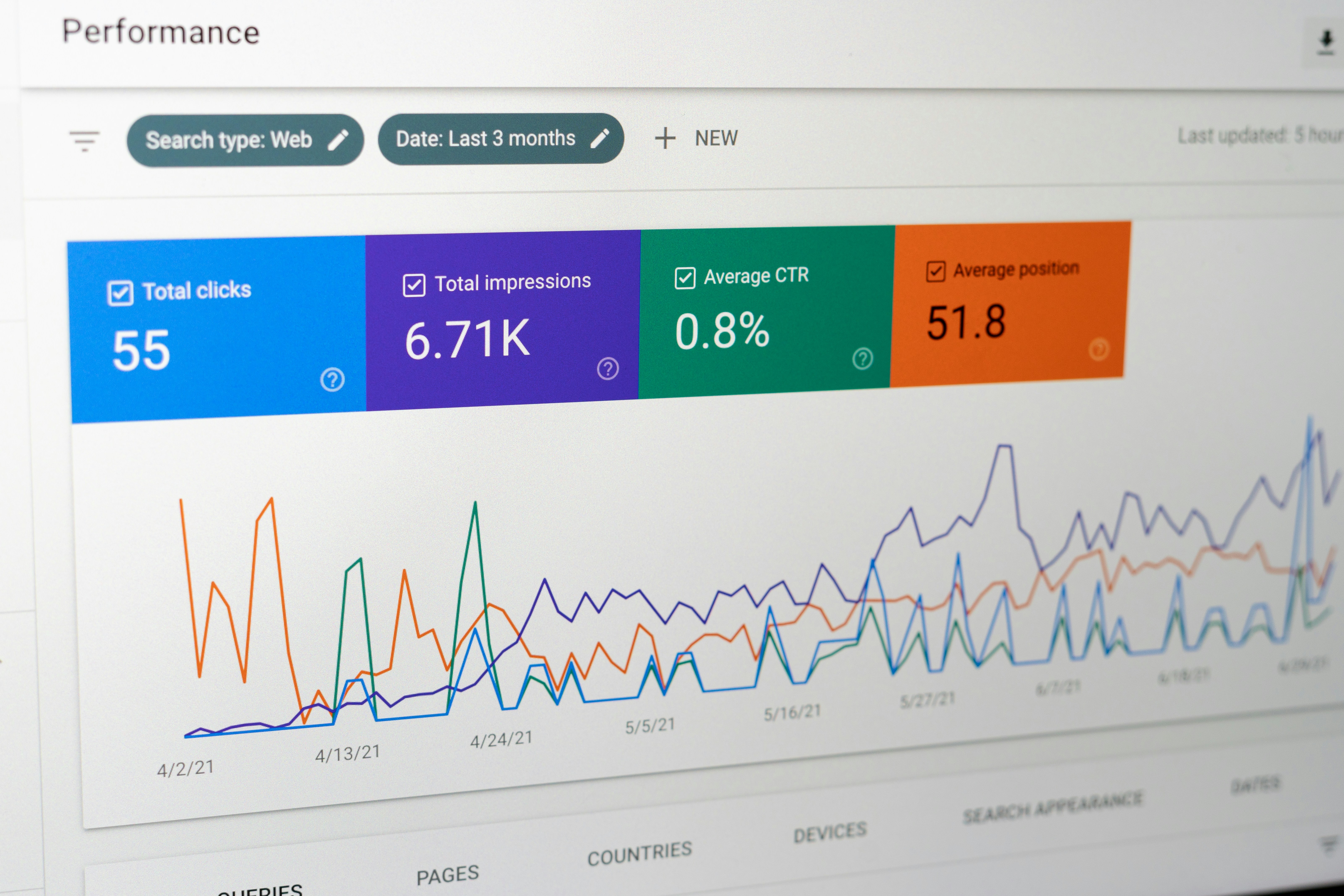
Looker Studio provides a comprehensive suite of analytics features that can effectively enhance reporting for Stripe data. By utilizing these advanced capabilities, organizations can extract valuable insights that drive informed decision-making. One of the primary advantages of Looker Studio is its ability to conduct trend analysis. This allows businesses to visualize patterns over time, identify seasonal fluctuations, and assess the overall performance of their payment processes. By connecting Stripe data to Looker Studio, users can effortlessly track key metrics such as revenue growth, transaction volumes, and churn rates, thereby gaining a thorough understanding of their financial health.
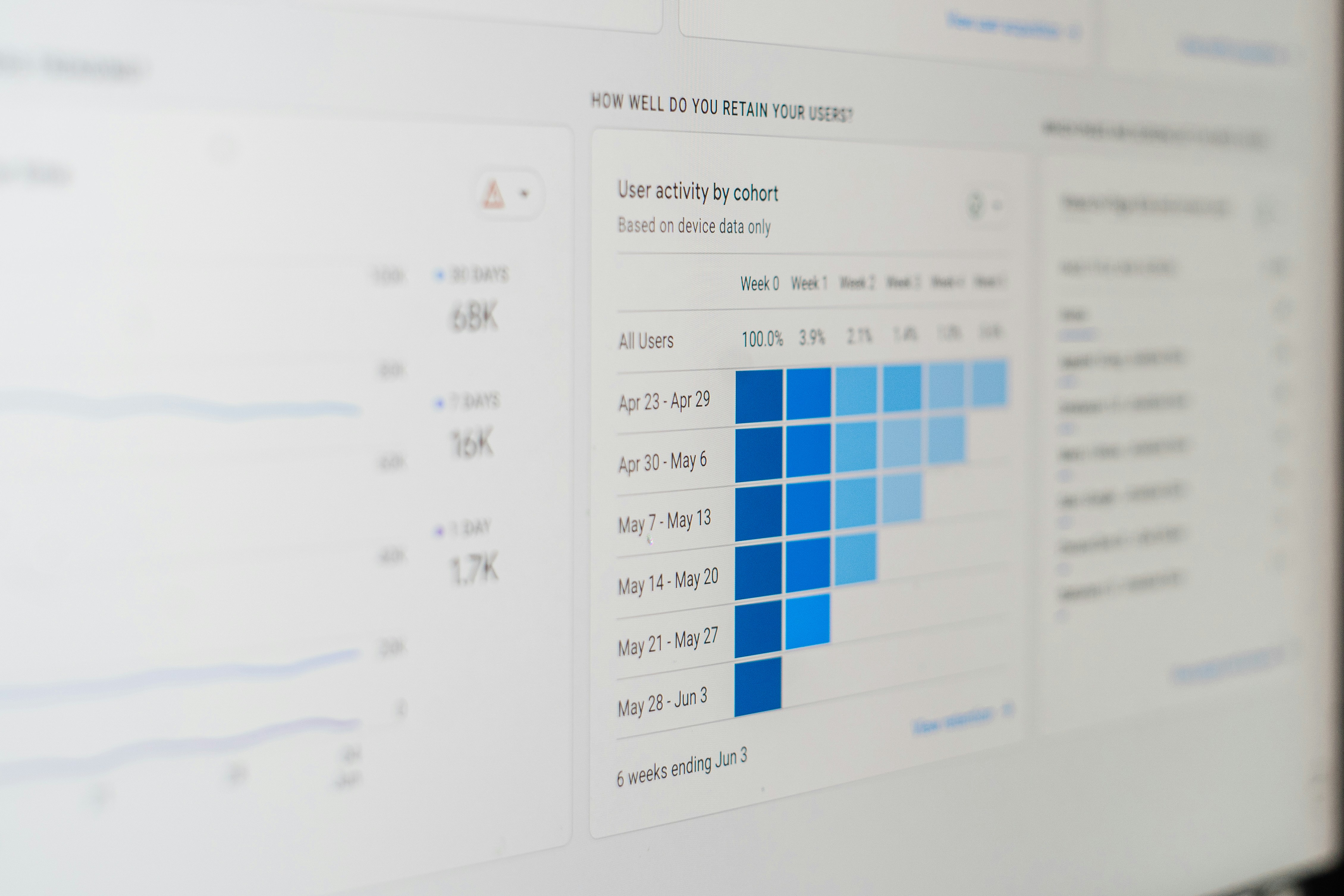
Moreover, cohort analysis stands out as a pivotal feature within Looker Studio. This analytical method enables organizations to segment customers based on their behavior, such as the date of their first purchase or frequency of transactions. By analyzing distinct cohorts, businesses can discern behavioral trends and preferences, which can inform targeted marketing strategies and customer retention efforts. For example, identifying high-value cohorts can guide decision-makers in designing exclusive offers catering to their needs, ultimately enhancing customer loyalty and increasing revenue.
Segmentation is another critical component of Looker Studio’s analytics capabilities. Users can break down Stripe data into various categories, such as geographical location, purchase behavior, or payment types. This segmentation allows organizations to better understand their customer base, optimize product offerings, and tailor marketing or sales strategies to specific groups. Leveraging Looker Studio’s analytics features in conjunction with Stripe data not only enhances reporting capabilities but also unlocks profound insights that can significantly impact overall business performance.
Example Reporting Scenarios with Looker Studio and Stripe
In the modern business landscape, effective data analysis is crucial for successful decision-making. Utilizing Looker Studio in conjunction with Stripe can significantly enhance reporting capabilities, allowing organizations to glean insights that may otherwise remain hidden. Below are several real-world scenarios illustrating how Looker Studio reporting can address specific challenges associated with Stripe data.
One common scenario is tracking sales performance across different products and time periods. By integrating Looker Studio with Stripe, businesses can create dynamic dashboards that visualize sales trends. For instance, an e-commerce company can easily monitor how sales fluctuate during holiday seasons compared to regular months. This analysis allows the company to adjust marketing strategies and inventory levels based on the performance data pulled from Stripe, ensuring that they meet consumer demand effectively.
Another scenario involves analyzing customer retention rates. Companies can leverage Looker Studio to track customer behavior over time. By exporting Stripe data into Looker Studio, a business can identify patterns in purchase behavior, such as how often customers return to make repeat purchases. This information is valuable for understanding customer loyalty and can inform initiatives aimed at enhancing retention. For example, if data indicates a significant drop in repeat purchases, businesses might consider implementing promotional campaigns or re-engagement strategies to address this issue.
Moreover, businesses can use Looker Studio to gain insight into subscription model performance. For organizations using Stripe’s subscription billing features, Looker Studio can visualize metrics such as churn rates and revenue growth. This capability allows businesses to quickly identify potential issues within their subscription model. By understanding the drivers behind churn rates, companies can experiment with pricing strategies or subscription tiers, ultimately improving their overall financial performance.
These scenarios demonstrate the practical applications and advantages of integrating Looker Studio with Stripe, providing organizations with the tools to analyze their data effectively and make informed business decisions.
Best Practices for Stripe Reporting in Looker Studio
Reporting on Stripe data through Looker Studio can provide invaluable insights into financial performance, customer behaviors, and operational efficiency. To maximize the potential of Looker Studio in interpreting Stripe data, several best practices should be adopted by business users.
Firstly, it is essential to ensure data accuracy. Begin with a comprehensive understanding of the underlying data structure within Stripe. Users should become familiar with the different types of data stored in Stripe, such as transaction records, customer information, and subscription details. By clearly defining data types and creating a logical schema in Looker Studio, users can avoid common pitfalls that stem from improperly mapped data. Employ data validation checks to identify and rectify discrepancies between Looker Studio reports and the original data in Stripe. Ensuring consistency between these platforms is crucial for building reliable reports.
Another critical practice is to define clear reporting objectives before creating dashboards. Understanding what metrics are important — such as conversion rates, churn rates, or average revenue per user — helps in establishing focused reports that provide stakeholders with the insights they need to make informed decisions. Usage of visual elements such as charts and graphs in Looker Studio can enhance the interpretability of data. However, it is vital to choose the right visualization for each type of data to avoid misrepresentations.
Ultimately, it is advisable to engage stakeholders early in the reporting process. This collaboration fosters a better understanding of their needs and aids in tailoring Looker Studio reports accordingly. By presenting the data in a format that resonates with stakeholders, including relevant key performance indicators, the reporting becomes more impactful, leading to stronger data-driven decisions.
Frequently Asked Questions
The integration of Looker Studio with Stripe has undoubtedly transformed how businesses approach their reporting tasks. However, as with any technology, users may face queries and concerns regarding its functionality. Below, we address some frequently asked questions to provide clarity and empower users in their reporting journey.
1. How can I resolve performance issues with Looker Studio when connected to Stripe? Performance hiccups may arise due to several factors, such as the volume of data being processed or connectivity issues. To mitigate this, ensure that your internet connection is stable and check if the data source within Looker Studio is optimized for quicker loading times. Additionally, consider filtering unnecessary data to improve performance and streamline your reporting process.
2. Is my data secure when using Looker Studio and Stripe together? Data security is an essential consideration for businesses utilizing Looker Studio with Stripe. Both platforms comply with stringent security certifications, including GDPR and PCI DSS, ensuring that your financial and personal information remains protected. It is crucial, however, for users to maintain robust security practices, such as regularly updating passwords and managing user access within both platforms.
3. What are common misconceptions about Looker Studio and Stripe integration? One common misconception is that Looker Studio can automatically synchronize with Stripe without any user input. While Looker Studio provides powerful data visualization tools, users must still set up and configure their data pulls appropriately. Additionally, users may think that Looker Studio’s capabilities are limited only to basic reporting. However, it offers extensive customization options that allow users to create tailored reports that meet specific business needs.
Addressing these concerns can enhance user confidence when navigating the integration of Looker Studio with Stripe, ultimately leading to insightful and actionable reporting.
Conclusion and Next Steps
In conclusion, the integration of Looker Studio with Stripe offers a transformative approach to financial reporting and data analysis. By leveraging Looker Studio, businesses can gain deeper insights into their financial data, streamline reporting processes, and make informed decisions based on comprehensive visualizations. The capabilities of Looker Studio in enhancing Stripe reporting cannot be overstated; it allows users to dissect their transaction data with precision, helps identify trends, and enables better forecasting for future income streams.
Furthermore, the user-friendly interface of Looker Studio, combined with its powerful data analysis tools, empowers teams to collaborate efficiently in understanding Stripe metrics. This integration encourages not only an enhancement in reporting accuracy but also a timelier response to business challenges, thus fostering a more proactive strategic approach. With robust visualization options, organizations can present complex datasets in a manner that is easily digestible, paving the way for stakeholder engagement and transparency.
For businesses eager to implement Looker Studio for their Stripe reporting needs, the next steps are pivotal. Start by exploring the official documentation provided by Looker to understand the integration process thoroughly. Engaging with online tutorials can further facilitate a smoother understanding of the platform’s features. Additionally, consider reaching out to consulting services that specialize in Looker and Stripe integrations for personalized support. Finally, stay informed by visiting our blog for articles and updates on maximizing Looker Studio’s potential. For direct inquiries or further assistance, do not hesitate to visit our contact page or explore our service offerings.