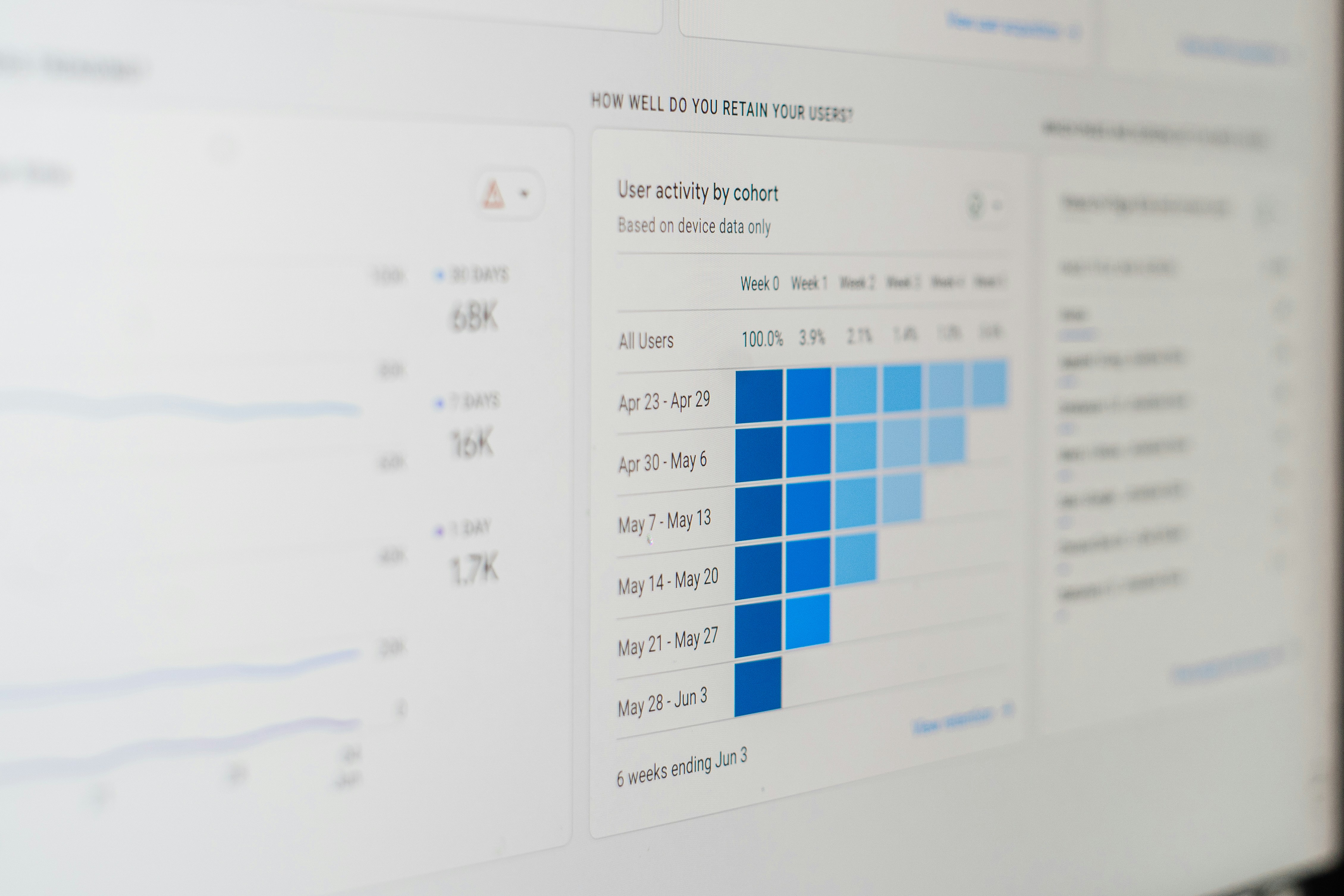
Introduction to Looker and Scalyr
Looker and Scalyr represent two transformative tools within the realm of business intelligence and data analysis. Looker, a data platform built for modern business analytics, enables organizations to explore and visualize their data in real time. Its centralized model delivers a comprehensive view of key metrics and trends, empowering businesses to make more informed decisions. With Looker’s intuitive interface, users can create complex queries without requiring deep technical expertise, thereby democratizing data access across teams.
On the other hand, Scalyr is a robust log management and observability platform designed to analyze large volumes of data rapidly. Specifically tailored for DevOps and IT operations, Scalyr provides unparalleled speed in log searching, making it easier for users to troubleshoot issues and monitor system health. This efficient management of log data allows organizations to stay proactive about performance and reliability issues. When organizations utilize Scalyr, they gain insights into application performance and user behavior that is critical for ongoing improvements.
When used in conjunction, Looker and Scalyr create a powerful synergy that enhances data reporting and visualization capabilities. Combining data from Scalyr with Looker’s analytics allows teams to visualize operational metrics alongside business performance data. By leveraging Power Queries in Excel, users can pull in data from both platforms seamlessly. Power Queries act as a bridge, enabling users to consolidate data from Looker and Scalyr into a spreadsheet environment where it can be easily manipulated and analyzed. This integration is essential, as it offers users the ability to merge operational and business intelligence data, fostering more comprehensive insights for strategic decision-making.
Understanding Power Queries in Excel
Power Queries in Excel serve as a powerful tool for importing, transforming, and analyzing data from various sources. They enable users to connect with external data, perform data manipulations, and automate data transformation processes without extensive coding knowledge. By leveraging the capabilities of Power Queries, businesses can retrieve data from diverse resources such as databases, web services, and files, streamlining the workflow and enhancing data usability.
To set up Power Queries in Excel, users should navigate to the ‘Data’ tab, where they will find options to get data from multiple sources, including files and online databases. The import process begins by selecting the desired source, which can include Looker and Scalyr, among other platforms. Once the connection is established, users can select specific tables or datasets relevant to their analysis.
After importing the data, the Power Query Editor will open, allowing users to perform crucial transformations such as filtering rows, changing data types, merging tables, or creating calculated columns. These operations are highly effective in preparing data for analysis, ensuring that the final dataset is clean and well-structured. Users can also apply parameters and configurations to optimize the query process, particularly when handling large datasets, to enhance performance and reduce loading times.
One of the significant advantages of Power Queries is their ability to refresh the connected data automatically. This means that any updates in the source databases will reflect in the Excel workbook with a simple refresh, ensuring that analyses are based on the most recent data. This functionality is particularly beneficial when integrating data from Looker or Scalyr, allowing for real-time insights and decision-making based on current information.
Setting Up Looker API for Data Extraction
To successfully extract data from Looker using its API, it is essential to first configure the environment properly. The initial step involves obtaining the necessary credentials for API access. Begin by logging into your Looker instance and navigating to the Admin settings. Here, you will find an option to create API credentials. Ensure to generate a Client ID and Client Secret, as these are crucial for authentication during the data extraction process.
Next, it is important to authenticate API requests. Looker API utilizes OAuth 2.0, which means you must supply your Client ID and Client Secret to obtain a token. This token authorizes future requests to the API. The authentication process typically involves making a POST request to the /login endpoint, passing your credentials within the header. Upon successful authentication, Looker will return a session token that you can use for subsequent API operations.
After obtaining a valid session token, you can start making queries to extract datasets. The Looker API provides a variety of endpoints to retrieve different types of data, including Looks, dashboards, and data tables. To make an effective query, you will use the /queries/run/ endpoint. It is advisable to structure your queries efficiently to ensure optimal performance. Parameters such as “model,” “view,” and “fields” should be clearly specified to retrieve the desired dataset.
When handling the extracted data, it is crucial to consider the formats in which you wish to receive the data, such as JSON or CSV. Each format has its advantages; for instance, JSON is highly versatile for integration with various applications, while CSV is more suitable for spreadsheet manipulation. Adopting best practices, such as error handling and logging API responses, will enhance the reliability of your data extraction process. Following these guidelines will empower you to make the most out of the Looker API for your data needs.
Integrating Scalyr for Comprehensive Logging and Analytics
Integrating Scalyr into your data workflow can significantly enhance your logging and analytics capabilities, particularly when working with Looker. Scalyr, known for its high-speed logging and analytics, allows users to efficiently monitor their systems and ensure that their data extraction processes run smoothly. The integration process is straightforward and can be implemented effectively to produce valuable real-time insights.
To begin the integration, the first step involves setting up your Scalyr account and creating a new project specifically for Looker. Once this is done, you will need to configure Scalyr’s logging agent to capture logs generated by your applications or services. This typically involves installing the Scalyr agent on your servers and adjusting the configuration to specify the log files to monitor. Properly configuring log sources ensures that the right data is sent to Scalyr, allowing for accurate performance metrics and easy troubleshooting.
As you proceed, connecting Scalyr to Looker can be accomplished via Looker’s data connections settings. By creating a new SQL-based connection that points to Scalyr’s API, users can easily query their logs within Looker. This allows for a seamless extraction of data to analyze trends, identify anomalies, and troubleshoot issues in your data pipelines. Practical examples could include setting up dashboards to visualize application performance metrics over time or creating alerts that notify users of any significant log events.
The benefits of using Scalyr in conjunction with Looker are manifold. Real-time logging provides immediate feedback during data extraction processes, enabling teams to detect and address problems dynamically. Furthermore, having comprehensive logs facilitates deeper analysis, leading to better-informed decisions and improved overall system performance. Consequently, leveraging Scalyr optimizes both logging and analytics, ensuring a more robust data workflow.
Creating a Power Query to Fetch Data from Looker API
Creating a Power Query in Excel to fetch data directly from the Looker API involves a systematic approach, enabling users to streamline their data analytics processes. To begin, open Excel and navigate to the “Data” tab, where you will select “Get Data” followed by “From Other Sources” and then “From Web.” This will allow you to input the Looker API endpoint URL.
When interfacing with the Looker API, it is crucial to include your authentication details in the request header. You can achieve this by constructing a query in Power Query Editor. The syntax for API calls typically requires a formatted URL, which may look like this: https://your-looker-instance/api/3.0/your_endpoint. Replace “your-looker-instance” and “your_endpoint” with the appropriate values based on your Looker configuration.
After you input the URL, you may need to handle errors effectively. Excel provides tools within Power Query to monitor for HTTP errors, such as 404 or 500. Using the “Try…Otherwise” construct in M language can assist you in providing fallbacks or specific error messages to enrich user experience during data fetching operations.
Once the data is retrieved, it is paramount to address refresh options. In the Power Query settings, you can set the query to refresh automatically at specified intervals or upon opening the Excel file. This ensures that users always have the most current data from Looker without manual intervention.
Moreover, automation can greatly enhance your workflow. Consider scheduling Excel to open and refresh automatically using the Task Scheduler in Windows, thus ensuring that dynamic data from Looker is consistently updated. By following these steps, you can create an efficient Power Query that not only connects to Looker but also automates and optimizes your data-catching processes.
Combining Data from Scalyr and Looker in Excel
When working with analytics, combining data from various sources can significantly enhance insights and decision-making. In this section, we will explore the practical steps for merging data from Scalyr and Looker within Excel, ensuring that the final dataset provides a comprehensive view of your analytics. This integration can be particularly valuable for organizations that leverage diverse sources of data and require unified reporting tools.
To start the process, users need to export their data from both Scalyr and Looker. Scalyr allows users to extract logs and performance metrics, while Looker provides powerful analytical capabilities through its data modeling layer. Once exported, these datasets must be formatted uniformly to facilitate seamless integration. It is essential to pay attention to data types; for example, date formats should match, and numerical fields should be standardized.
Once the datasets are prepared, the next step involves importing them into Excel. Users can utilize Excel’s native import features or Power Query to load the data efficiently. Power Query offers advanced transformations and is particularly useful for handling discrepancies in datasets. It allows users to merge tables based on common identifiers, filter results, and even pivot data for enhanced visibility.
Handling data discrepancies is crucial in ensuring the integrity of the combined datasets. Users should conduct checks to identify duplicate entries or inconsistencies arising from different data sources. Utilizing Excel’s conditional formatting tools can aid in highlighting anomalies, thereby facilitating clean and accurate data analysis.
Finally, after merging data from Scalyr and Looker, users can create robust visualizations or reports within Excel. By employing pivot tables and charts, organizations can effectively demonstrate trends and insights gleaned from their unified datasets. This holistic approach not only improves the analytical capability but also empowers users to make data-driven decisions confidently.
Visualizing Data in Excel with Power Query Results
Excel provides a powerful platform for creating visualizations that can enhance data interpretation and decision-making within organizations. By leveraging data obtained from Looker and Scalyr through Power Queries, users can generate insightful reports and dashboards tailored to specific business needs. The first step in this process involves importing and transforming the data in Excel using Power Query, which simplifies the connection to various data sources, ensuring that users have accurate and up-to-date information.
Once the data is loaded into Excel, users can utilize various charting tools to create visual representations of their findings. Excel’s range of chart types, including column charts, line graphs, pie charts, and scatter plots, allows for a flexible approach to data visualization. Selecting the right chart type depends on the nature of the data and the insights one aims to convey. For example, line charts can effectively track trends over time, while bar charts can compare values across different categories.
In addition to charts, building data models in Excel can significantly enhance analytical capabilities. Data models facilitate the integration of multiple data sources, enabling users to perform complex calculations and create relationships between datasets. Utilizing features such as PivotTables allows users to summarize large amounts of data effectively, making it easier to extract actionable insights.
When crafting reports and dashboards, it is essential to prioritize clarity and simplicity. Clear labeling of axes, appropriate use of colors, and concise titles enhance the overall effectiveness of visualizations. Furthermore, incorporating interactivity features such as slicers and timelines can improve user engagement and allow for dynamic data exploration.
Ultimately, by combining the robust capabilities of Power Queries with Excel’s visualization tools, organizations can produce impactful reports that inform strategic decision-making processes, harnessing the full potential of their data from Looker and Scalyr.
Best Practices for Managing Data Connections
Effective management of data connections is crucial for ensuring the integrity and performance of Excel workbooks that utilize external APIs, such as Looker, Scalyr, and Power Queries. By adhering to certain best practices, users can enhance their operational efficiency and maintain data quality across various integrations.
Firstly, it is essential to set up connection properties meticulously. Each connection should be configured to ensure that the relevant parameters are accurately defined. This includes the connection string, data source specification, and authentication details. When using APIs, ensure that the endpoints are correctly set up to avoid potential bottlenecks or data retrieval issues. Keeping connection properties documented allows for easier troubleshooting and system maintenance.
Implementing security measures is another critical best practice. Data breaches can hinder performance and compromise data integrity. Users should leverage secured connections (such as HTTPS) and utilize proper authentication methods when establishing connections to external services. Limiting user permissions and regularly updating passwords also play a vital role in maintaining a secure data environment.
Moreover, monitoring performance is integral to managing data connections effectively. Regularly assess the performance metrics of the connections used. Tools that analyze query performance can help identify slow-running queries or issues in data fetching. By closely monitoring these aspects, users can optimize the overall efficiency of their Excel workbooks, ensuring they function smoothly even with numerous external integrations.
Lastly, maintaining data integrity should be a priority. This can be accomplished through regular audits of data inputs and outputs. Implementing data validation checks helps prevent erroneous data from entering the system, promoting accuracy in reporting and analysis. When properly managed, feedback loops regarding connection performance and data quality will only serve to improve the efficacy of the analyses performed within the Excel environment.
Conclusion and Further Resources
As we conclude this comprehensive guide on connecting Looker, Scalyr, and Power Queries in Excel, several key takeaways are worth emphasizing. The seamless integration of these powerful tools significantly enhances data analysis and reporting capabilities. Organizations can leverage Looker’s robust visualization features, Scalyr’s unparalleled log management, and Excel’s versatility to create a cohesive data strategy that drives informed decision-making.
Throughout this article, we explored how each of these tools contributes uniquely to the data ecosystem. Looker enables users to build insightful dashboards and perform complex data queries, while Scalyr allows for in-depth log analysis and monitoring. Power Queries in Excel serve as an effective means to manipulate data, making it accessible and report-ready. When combined, these tools provide a comprehensive framework for managing and interpreting data, ultimately fostering a data-driven organizational culture.
For readers interested in expanding their knowledge beyond this guide, we recommend several resources to support your journey with Looker, Scalyr, and Excel. Explore the official documentation for Looker and Scalyr to gain deeper insights into their functionalities and best practices. Microsoft also offers extensive resources on Power Queries within Excel. Additionally, our blog features related articles that discuss advanced optimization techniques and use cases demonstrating the practical applications of these tools in different industries.
Should you have any questions or require assistance, please feel free to contact us through our contact page. Our team is committed to helping you navigate the complexities of data integration and find solutions tailored to your needs. Furthermore, the services we provide include personalized training sessions and consulting, which can be valuable as you embark on your data journey. We invite you to explore these opportunities and look forward to supporting you in harnessing the full potential of Looker, Scalyr, and Excel.