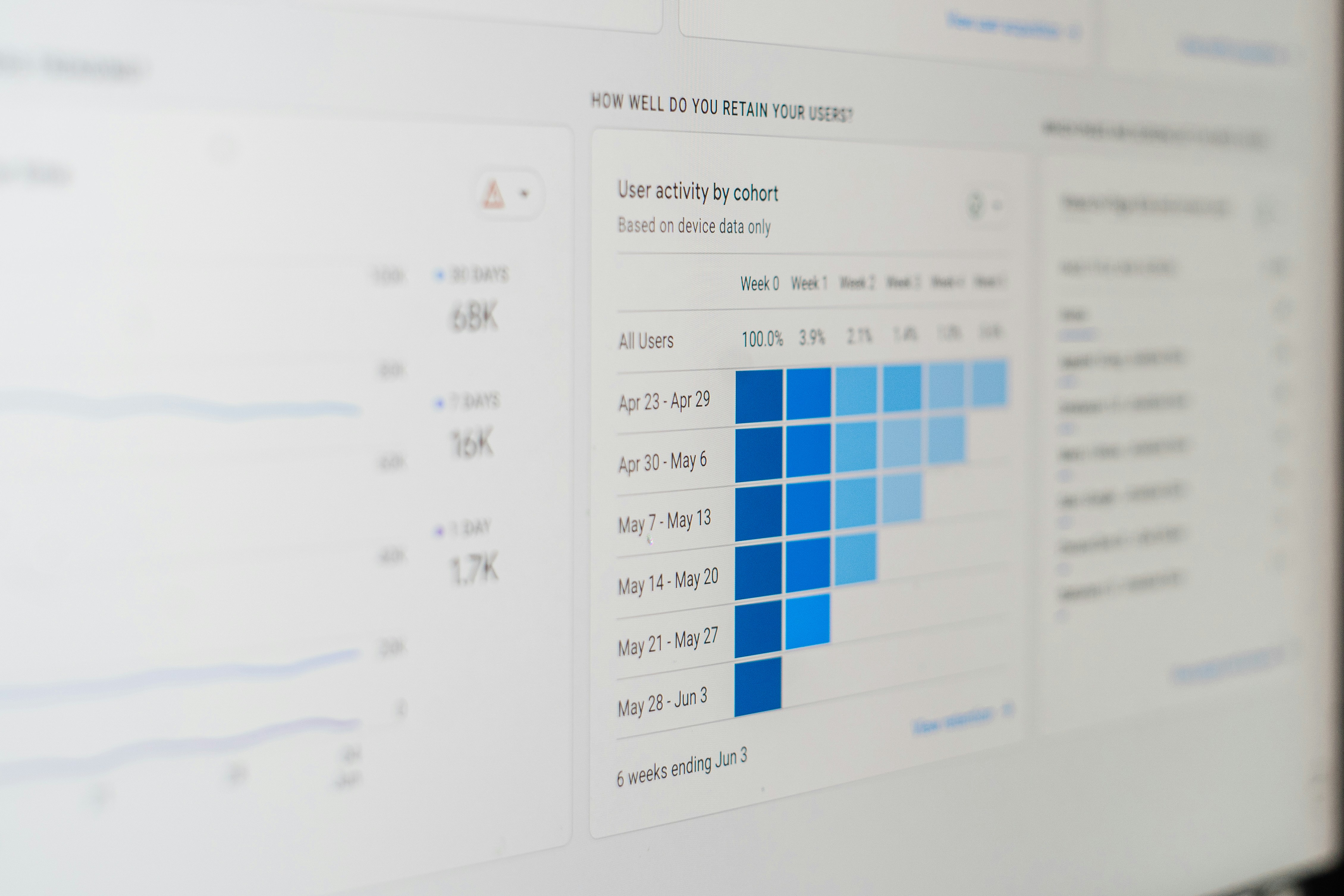
Introduction to Looker Studio
Looker Studio, previously known as Google Data Studio, is a powerful and user-friendly business intelligence tool designed for data visualization and reporting. By offering dynamic and interactive dashboards, Looker Studio allows organizations to connect and analyze data from various sources efficiently. The platform is particularly essential in the modern data-driven landscape, where the ability to interpret complex information is crucial for making informed decisions.
The foundational concept of Looker Studio revolves around the integration of different data sources into a unified platform. It enables users to create customizable reports and visualizations that provide actionable insights. The tool’s capability to establish relationships between tables is pivotal, as it ensures that disparate sets of data can be linked together seamlessly. This integration facilitates more profound analysis, allowing users to derive insights that might not be apparent when examining data in isolation.
One of the standout features of Looker Studio is its adaptability to users of all experience levels. With a straightforward drag-and-drop interface, even those with minimal technical knowledge can create and share meaningful reports. The platform supports a wide range of data connectors, empowering organizations to pull in data from platforms such as Google Analytics, Google Sheets, and various databases.
Moreover, Looker Studio promotes collaboration among team members by allowing easy sharing and real-time editing of reports. This collaborative nature not only furthers data understanding across the organization but also leverages collective insights for enhanced decision-making. Overall, the advantages of using Looker Studio continue to position it as a favored tool for businesses striving for efficiency and clarity in their data operations.
What are Table Relationships?
Table relationships in Looker Studio play a crucial role in establishing connections between different data tables within a database. These relationships enable users to perform comprehensive data analysis and generate meaningful reports by allowing data from separate tables to interact. Understanding the nature of these relationships, including one-to-one, one-to-many, and many-to-many, is essential for effective data modeling.
In a one-to-one relationship, a record in one table corresponds to a single record in another table. This type of relationship typically occurs when two tables represent distinct but related entities, allowing for efficient data retrieval without redundancy. For example, consider a table for employees and another for employee IDs; each employee will correspond to a specific ID entry, illustrating a clear one-to-one connection.
Conversely, a one-to-many relationship is more prevalent in data models. In this scenario, a single record in one table can relate to multiple records in another table. For instance, a customer table may link to an orders table, where one customer can place multiple orders. This relationship facilitates rich data insights, making it easier to analyze customer behavior and order patterns over time.
Many-to-many relationships are a bit complex as they indicate that multiple records in one table can correlate with multiple records in another table. This type of relationship is often handled through a junction table, which serves to establish connections between the two tables. For example, a students table and a courses table can reflect a many-to-many relationship, where students can enroll in several courses, and each course can have multiple students.
The importance of these relationships in Looker Studio cannot be overstated. They are fundamental for data analysis and reporting because they allow analysts to create comprehensive views of data across different tables, ensuring more accurate results and insights. Without properly defined relationships, data analysis efforts may yield misleading outcomes, thereby hindering effective decision-making.
Types of Relationships in Looker Studio
In Looker Studio, establishing relationships between tables is a crucial aspect of data management and reporting. There are several types of relationships that users can create, namely one-to-one, one-to-many, and many-to-many relationships. Each of these serves a different purpose and can significantly influence the accuracy and quality of the data presented in reports.
A one-to-one relationship occurs when each record in one table corresponds to a single record in another table. For instance, if we have a table containing user data and another table holding user preferences, a one-to-one relationship may link the user ID in each table. This type of connection ensures that data integrity is maintained, and it simplifies the extraction process when pulling information since each unique entry is clearly defined.
On the other hand, a one-to-many relationship is established when a single record in one table is linked to multiple records in another table. For example, a single customer might have multiple orders, making it logical to have one customer record associated with numerous order records. This relationship allows Looker Studio to present comprehensive data when analyzing trends, such as customer purchasing habits, thereby enhancing the depth of reporting.
Finally, many-to-many relationships become necessary in cases where multiple records from one table correspond to multiple records in another table. For instance, if students can enroll in multiple courses and each course can have multiple students, this type of relationship helps in tracking enrollment accurately. Although more complex to manage, many-to-many relationships enable Looker Studio users to generate detailed reports reflecting intricate datasets.
Understanding these types of relationships in Looker Studio is essential for building robust and accurate reports, as they influence how data is integrated and analyzed across tables.
Creating Relationships Between Tables
Establishing relationships between tables in Looker Studio is fundamental to maximizing data visualization and analysis. A well-configured relationship allows for accurate data representation, enabling users to draw meaningful insights from connected datasets. To create these relationships effectively, follow a structured process.
Begin by navigating to the “Data” section within Looker Studio. Here, you will find the option to add data sources. Select the tables you wish to join. It is important to identify a common field between the two tables, such as a unique identifier, which acts as a bridge for the relationship. For instance, if you have a ‘Customers’ table and an ‘Orders’ table, the ‘Customer ID’ might serve as the connecting field.
Once the tables are selected, proceed to establish the relationship. Choose the first table and click on the option to add a relationship. Next, select the second table and specify the common field from both tables that they share. Ensure that the cardinality—whether it is one-to-one, one-to-many, or many-to-many—matches the actual data structure. This step is critical, as incorrect cardinality settings can lead to misleading data displays.
After configuring your relationship, it is prudent to test the setup. Create a simple chart or a table using fields from both tables. This preliminary check will help you identify any potential issues with your relationships. Common pitfalls include using incorrect fields for relationships and failing to check for duplicate entries in the primary table.
To enhance your setups, follow best practices like maintaining clarity in naming conventions for your tables and fields, as well as documenting your relationships. An organized approach can immensely facilitate the debugging process and improve collaboration among team members working with Looker Studio.
Benefits of Using Relationships in Reporting
Building relationships between tables in Looker Studio can significantly enhance the quality and depth of data analysis. These relationships allow users to connect disparate data sources, leading to more comprehensive insights. By linking tables, users can create a unified data model that aggregates information in a meaningful way. This interconnectedness is vital for understanding complex data sets, as it enables analysts to see the bigger picture and derive actionable insights from the data.
One primary benefit of establishing relationships in Looker Studio is the ability to conduct complex data analysis. When tables are interlinked, analysts can perform multi-dimensional queries that would otherwise be impossible with separate datasets. This capability is essential for businesses aiming to delve deep into their data, as it enables them to explore various dimensions and metrics in concert. By facilitating advanced analytics, relationships foster a more robust understanding of performance indicators, customer behavior, and market trends.
Moreover, the effectiveness of reporting efforts is significantly improved when relationships are utilized. Reports generated in Looker Studio can be more detailed and insightful when data is derived from related tables. This enhancement allows decision-makers to assess performance across different areas seamlessly. As a result, stakeholders gain the ability to make well-informed decisions based on a thorough and interconnected view of the data at hand. Ultimately, the use of relationships between tables in Looker Studio leads to elevated reporting capabilities, enabling organizations to respond dynamically to changing business needs.
Challenges and Considerations
When working with Looker Studio relationships between tables, several challenges may arise that can impact data integrity and analysis efficacy. One common issue is data inconsistency, often resulting from varying formats or incomplete records across related tables. Such inconsistency can lead to inaccurate reports and misleading insights, which underscores the importance of standardizing data entry procedures and validating data prior to creating relationships in Looker Studio.
Another challenge lies in the complexity of relationships themselves. When multiple tables are interlinked, understanding the flow of data becomes pivotal. Misconfigured relationships can lead to unexpected results in queries and visualizations. It is crucial to thoroughly map out the relationships beforehand, identifying primary keys and foreign keys that will guide the linking process. Furthermore, consider implementing clear documentation on how tables interrelate to simplify future maintenance.
To troubleshoot potential issues, routinely checking for orphaned records—those that do not have corresponding entries in related tables—is essential. Employing techniques such as left joins in Looker Studio can highlight any missing connections. Additionally, using built-in tools and features available in Looker Studio to validate relationships can help ensure that data is accurate and linked properly. However, proactively addressing these potential pitfalls can be more effective than reactive troubleshooting.
Best practices for maintaining data integrity involve conducting regular audits of the relationships between tables. Installing automatic alerts for anomalies, regularly reviewing user permissions to prevent unauthorized modifications, and engaging in periodic team training on data governance can all contribute to a robust data management framework. By adopting these approaches, users can navigate the challenges associated with table relationships in Looker Studio more effectively, ultimately enhancing the reliability of insights derived from their data.
Real-World Use Cases
Understanding relationships between tables in Looker Studio can greatly enhance the efficiency and clarity of data analysis across various industries. Let us explore a few real-world scenarios demonstrating the impact of effectively utilized table relationships.
In the retail industry, a company might use Looker Studio to analyze customer purchasing behavior. By creating relationships between tables such as ‘Customers’, ‘Orders’, and ‘Products’, the company can derive valuable insights. For instance, by linking customer demographics with their purchase history, analysts can identify trends and preferences. This can guide marketing strategies and inventory management, leading to improved sales performance and customer satisfaction.
In the healthcare sector, a hospital could benefit from Looker Studio’s table relationships by connecting patient records, treatment protocols, and billing data. Creating these relationships allows for comprehensive analysis of treatment effectiveness and cost management. For example, linking patient outcomes with specific treatments can help identify best practices. This data-driven approach can improve both patient care and operational efficiencies, ultimately leading to better health outcomes and financial performance for the institution.
Another illustrative example can be found in the financial services industry. A bank may want to analyze loan applications alongside borrower profiles and repayment histories. By establishing clear relationships between these tables within Looker Studio, the institution can assess risk more effectively. This allows for a deeper analysis of lending patterns and delinquency rates, leading to improved decision-making regarding loan approvals. Such informed decisions can mitigate financial risks and enhance compliance with regulatory requirements.
In summary, the practical application of relationships between tables in Looker Studio significantly benefits data analysis in various industries. By illustrating these examples, we can appreciate the value and implications of mastering table relationships in our data-driven world.
Resources for Further Learning
As you delve deeper into the concept of Looker Studio relationships between tables, numerous resources are available to expand your knowledge and proficiency. One of the primary places to start is the official Looker documentation. This comprehensive guide provides detailed insights into the various aspects of Looker Studio, including its capabilities, functionalities, and best practices for establishing effective relationships between tables. The documentation is regularly updated, ensuring that the latest features and techniques are covered.
For practical learning, consider exploring video tutorials available on platforms such as YouTube. Many experienced data professionals share their expertise through step-by-step guides that can provide clarity on various topics, including creating and managing relationships in Looker Studio. These visual aids can make complex concepts more digestible, offering real-world examples and applications.
Apart from official documentation and video tutorials, various online courses on platforms like Coursera or Udemy can significantly enhance your skills in Looker Studio. Look for courses specifically focused on data visualization tools and Looker functionalities. These courses often include quizzes and hands-on projects, allowing you to apply what you’ve learned in a practical context, particularly how to effectively manage and utilize relationships between tables.
Additionally, joining forums and community groups, such as the Looker Community or Reddit’s data science threads, can be invaluable. Engaging with fellow learners and experienced users can help clarify your doubts and provide fresh perspectives on managing data relationships. Lastly, keep an eye out for webinars and workshops hosted by industry experts. These events frequently cover advanced techniques and offer opportunities for live discussions, enhancing your understanding of Looker Studio.
Contact and Services
In the realm of data analysis and visualization using Looker Studio, establishing effective relationships between tables is crucial for deriving meaningful insights. However, as you navigate the complexities of Looker Studio, it is likely that you may require additional support or have questions regarding its features and capabilities. Our team is here to assist you in maximizing your experience with Looker Studio.
We invite you to reach out for any inquiries related to Looker Studio, whether it’s about establishing relationships between tables, best practices for data visualization, or specific service offerings we provide. Your questions are important to us, and we strive to ensure that you have access to the correct information needed for your projects. You can easily contact us by visiting our contact page.
Our range of services is designed to cater to various needs concerning Looker Studio and data analysis. We offer assistance in creating unified and coherent reports that leverage the relationships between tables, ensuring that your data is not only visually appealing but also insightful. Additionally, our team can guide you in customizing dashboards that reflect your business requirements or help in troubleshooting any issues you may face in your analysis journey.
For a comprehensive overview of our services related to Looker Studio, please visit our service page. Here, you will find a detailed list of offerings tailored to help you navigate and utilize Looker Studio efficiently. We look forward to assisting you in unlocking the full potential of your data visualization endeavors.